№ 05 · July 2025 · Botswana
Chobe Riverfront.
Botswana's gateway to the wild on the Chobe River — evening cruises, the largest elephant herds in Africa, hippos right beside the boat, and a dry season that pulls every animal down to a single line of bank.
Chobe — the hour everyone goes to the river
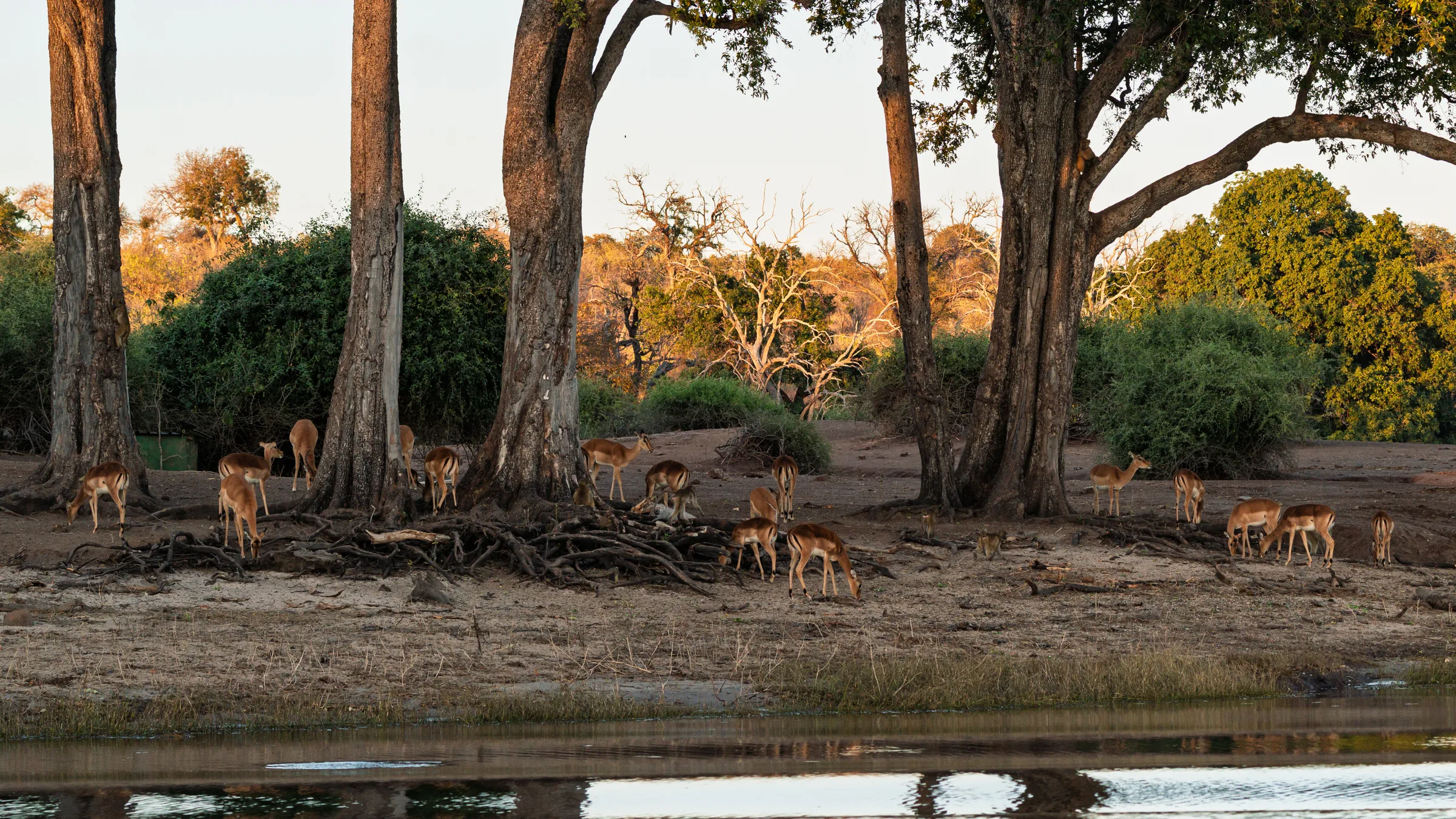
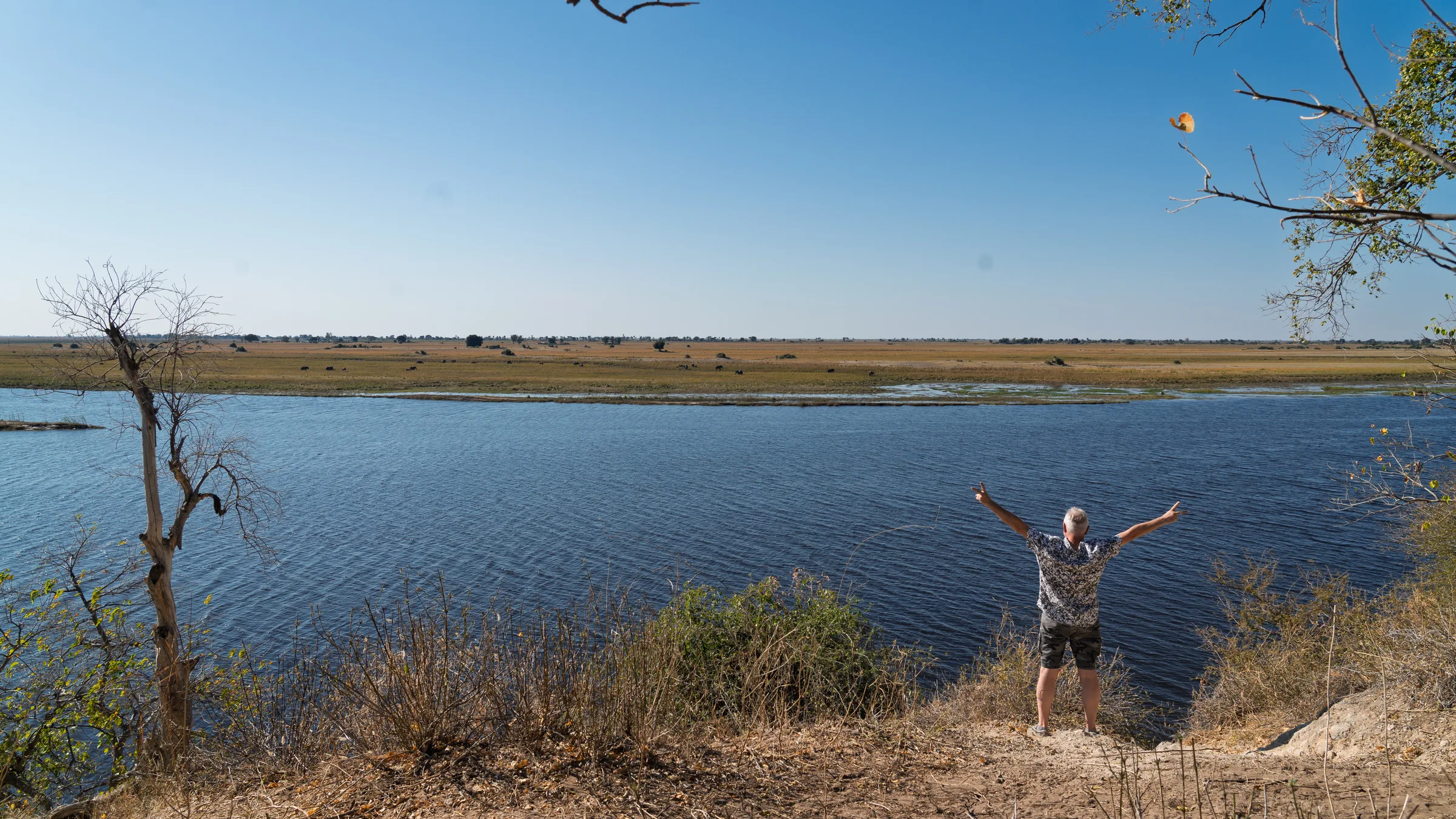
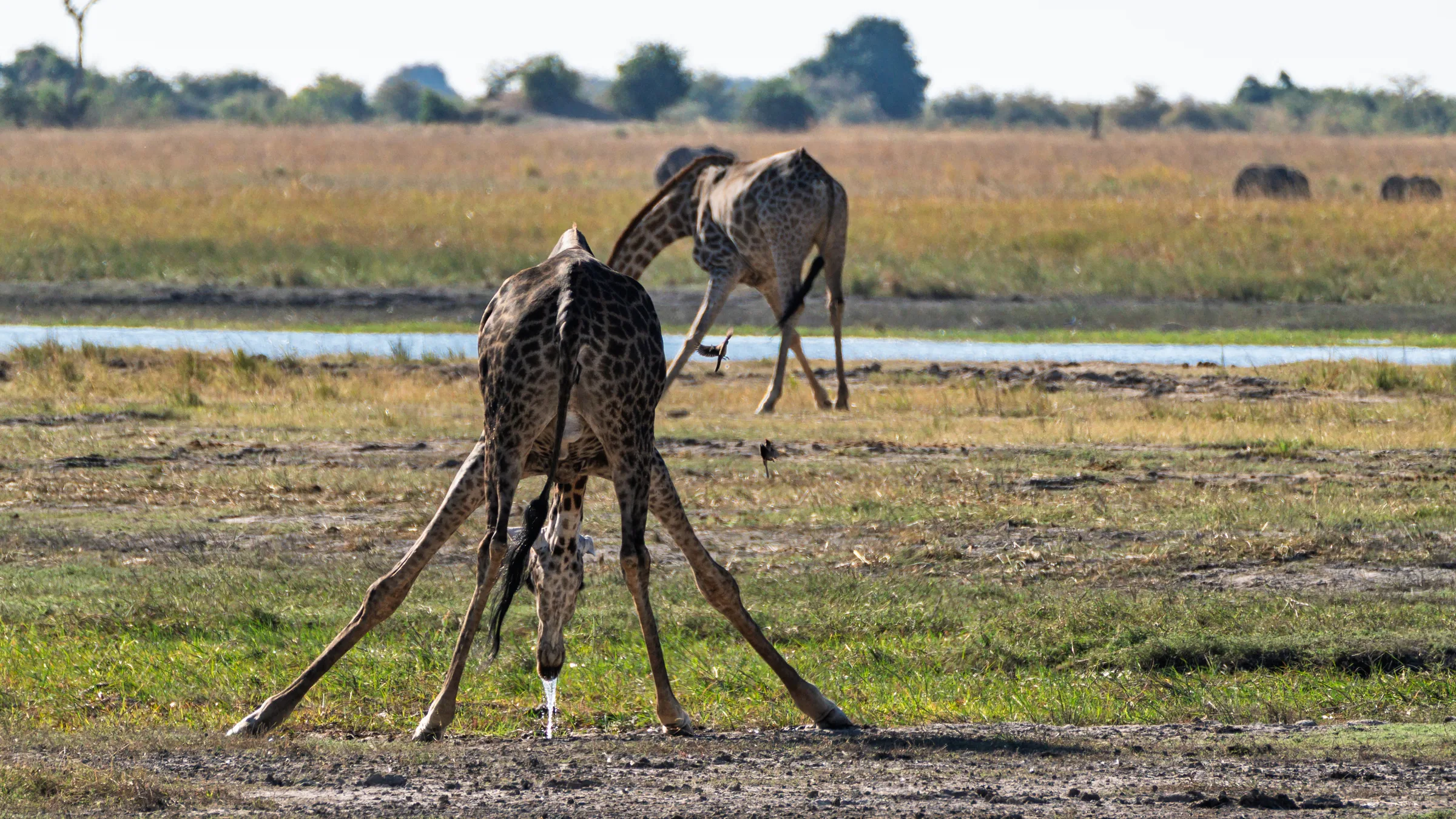
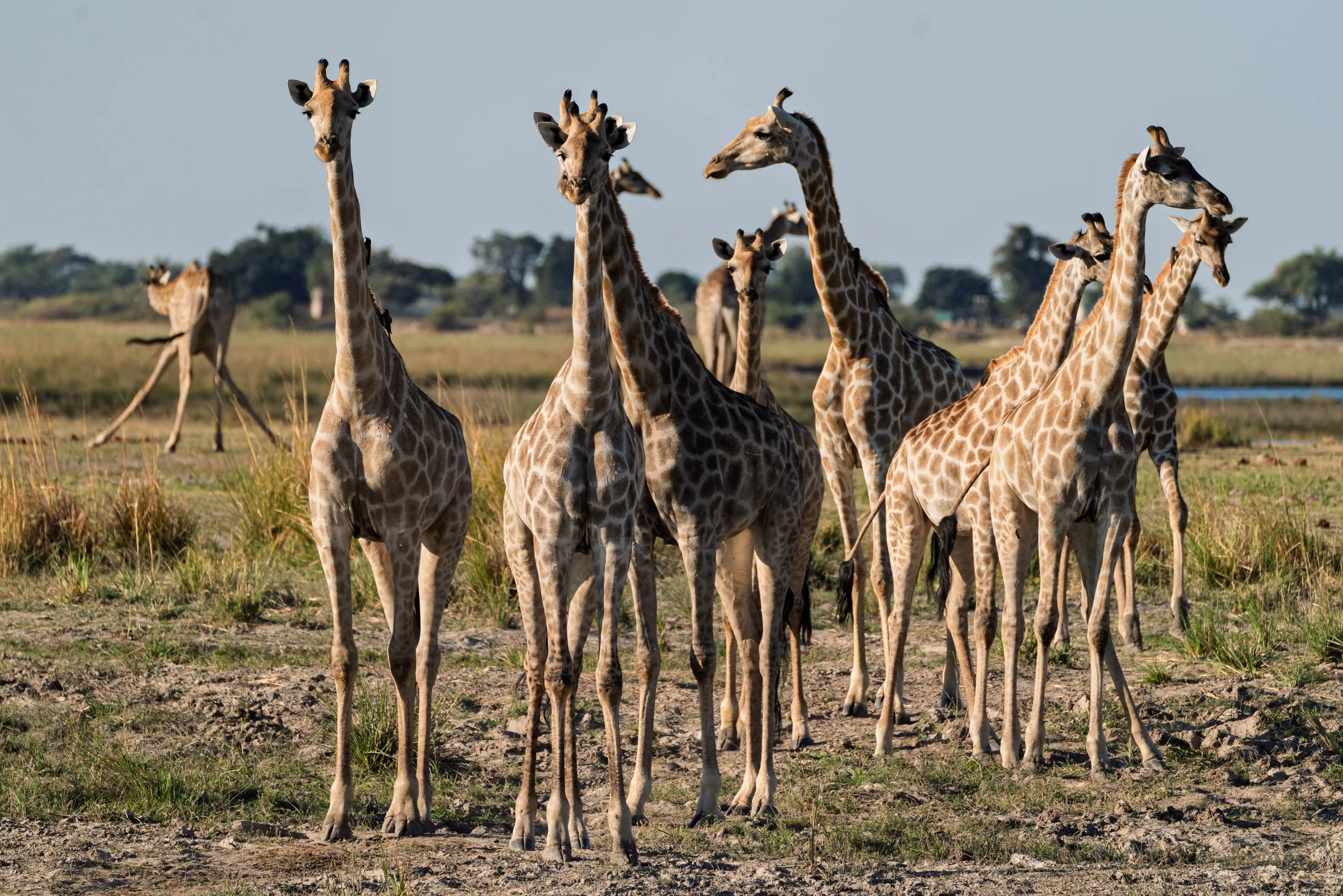
In the dry season the Chobe is the only water within hundreds of kilometres. Chobe National Park — established in 1968, the second after Moremi — covers nearly eleven thousand square kilometres of bush, but in July and August all the fauna concentrates along a thin strip of riverbank. Herds come down on a predictable schedule — the daily necessity of drinking.
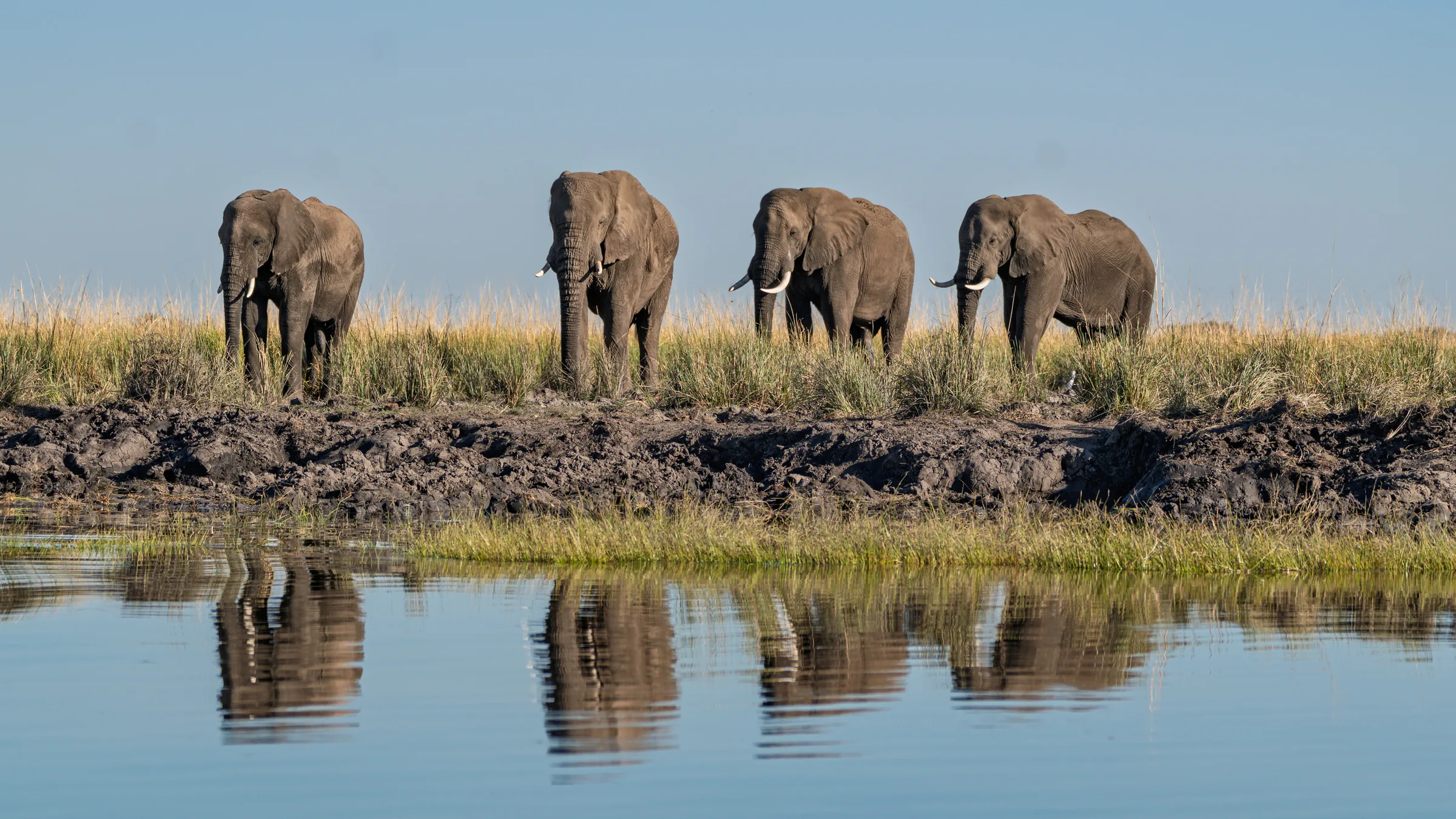
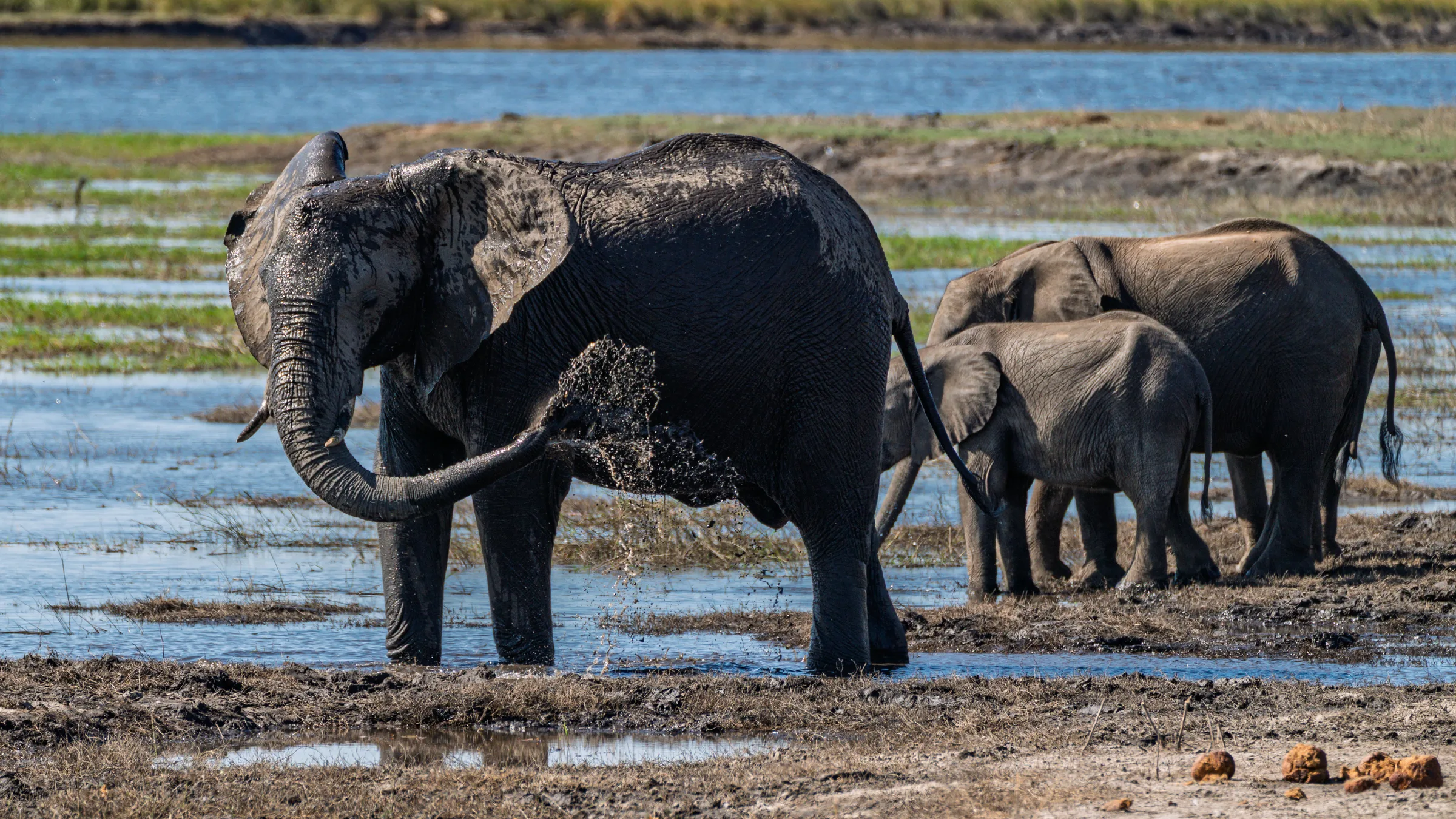
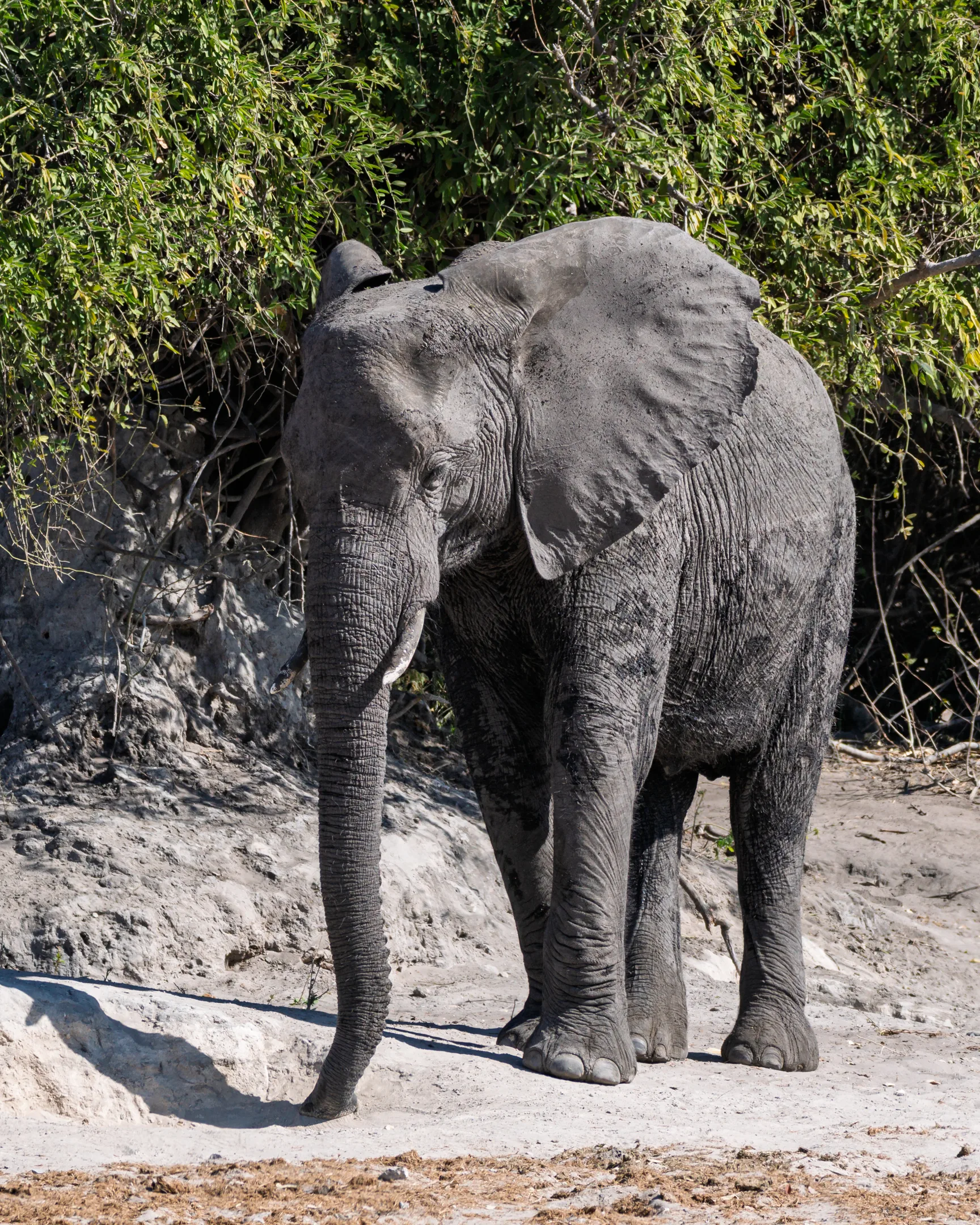
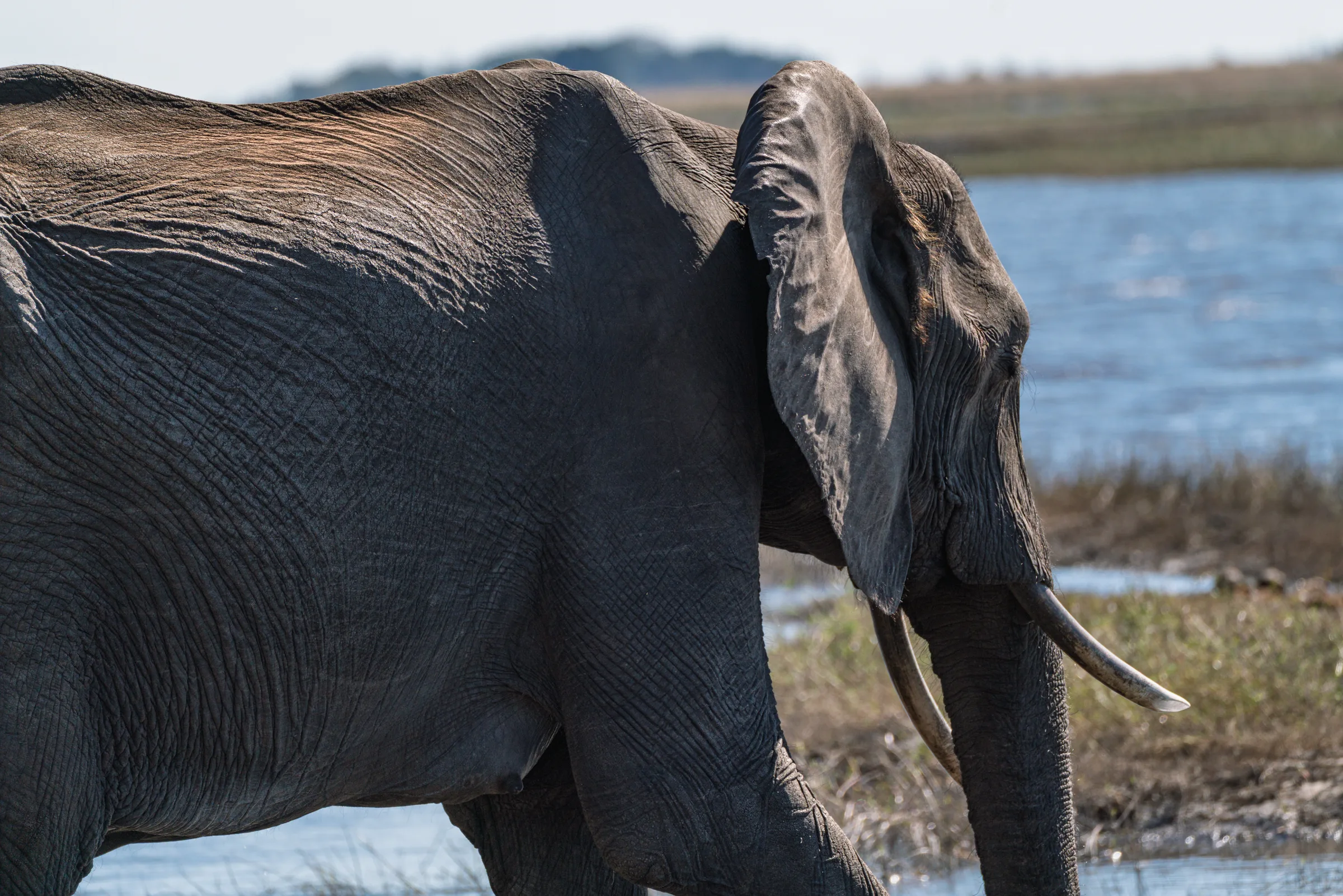
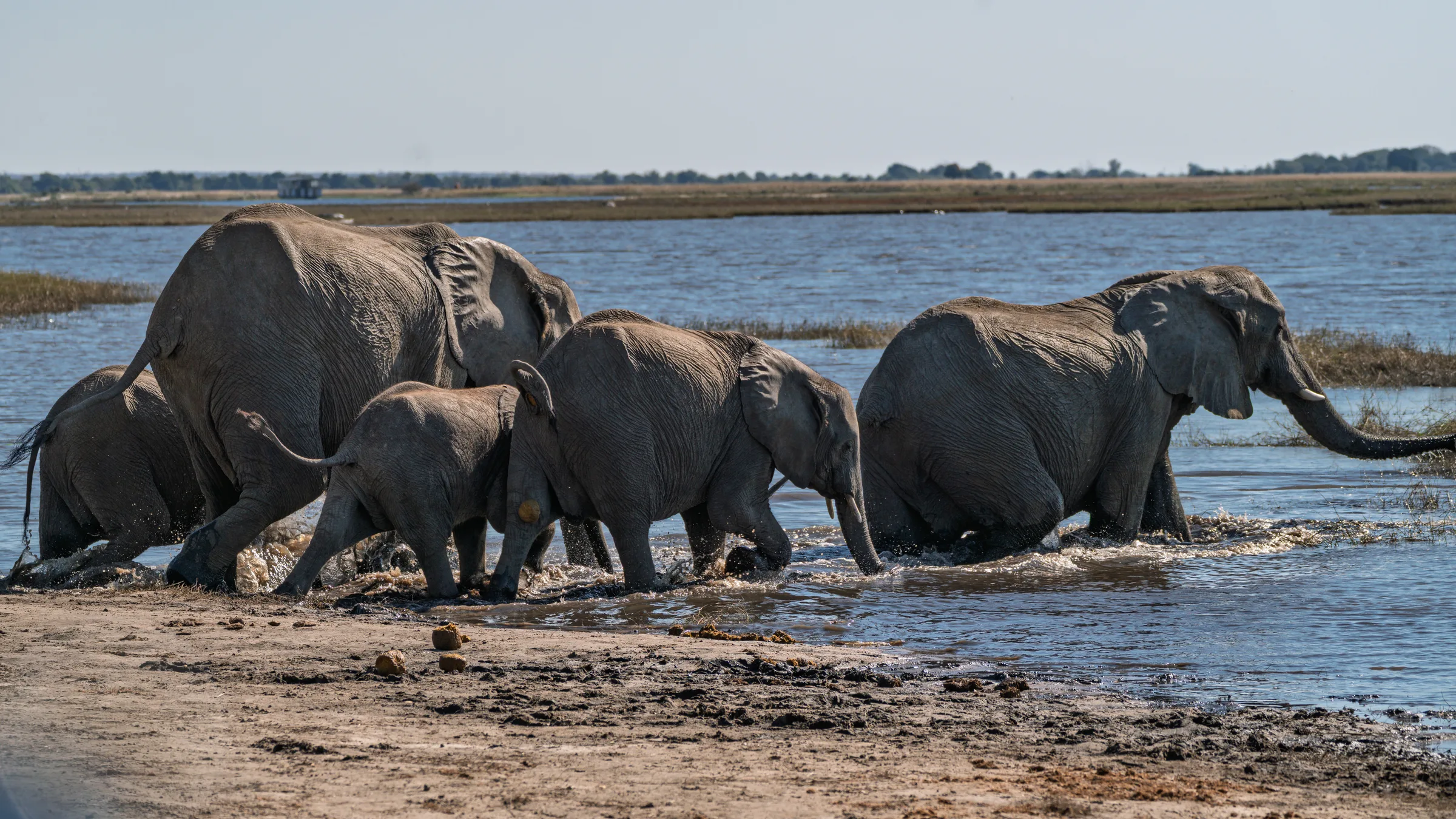
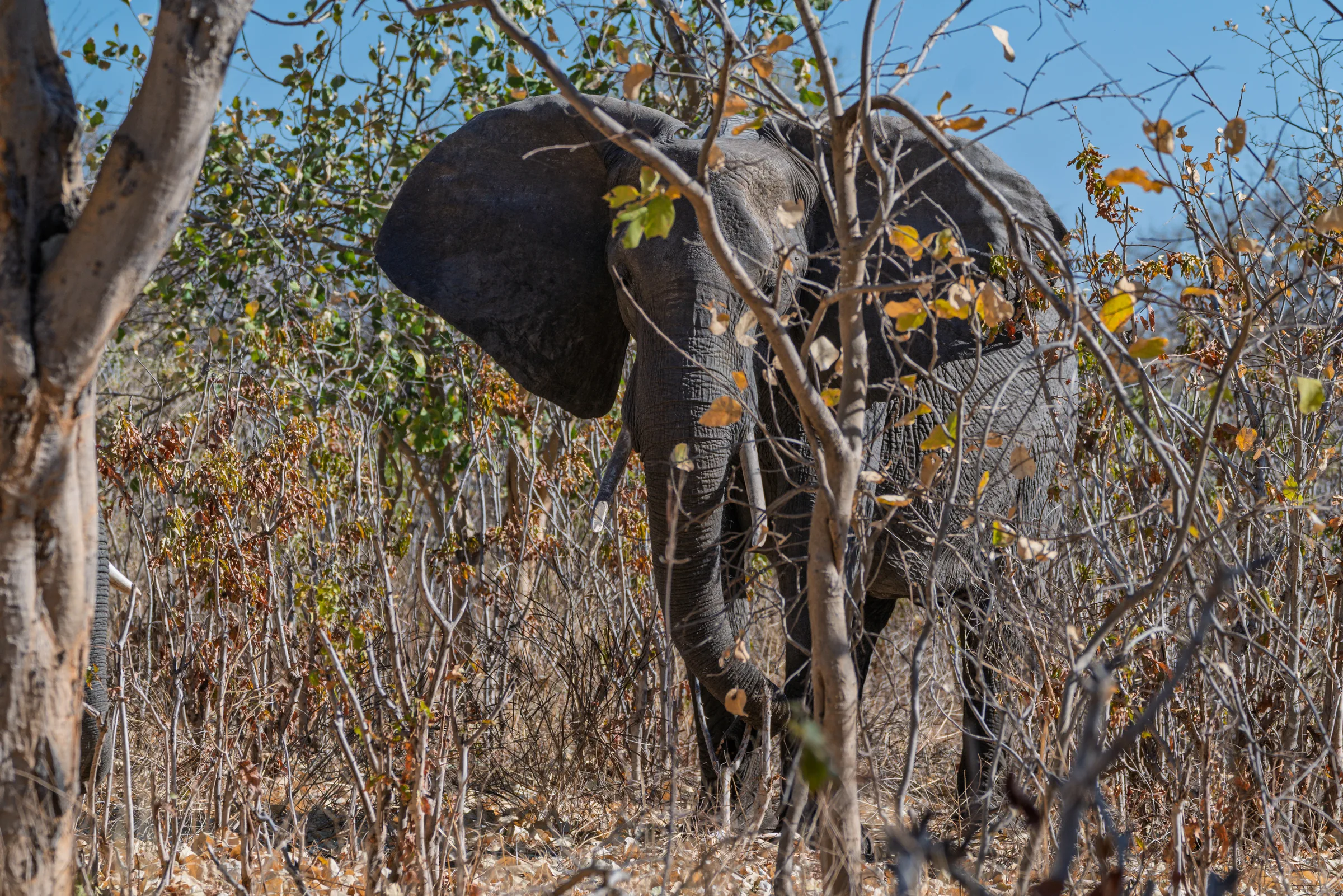
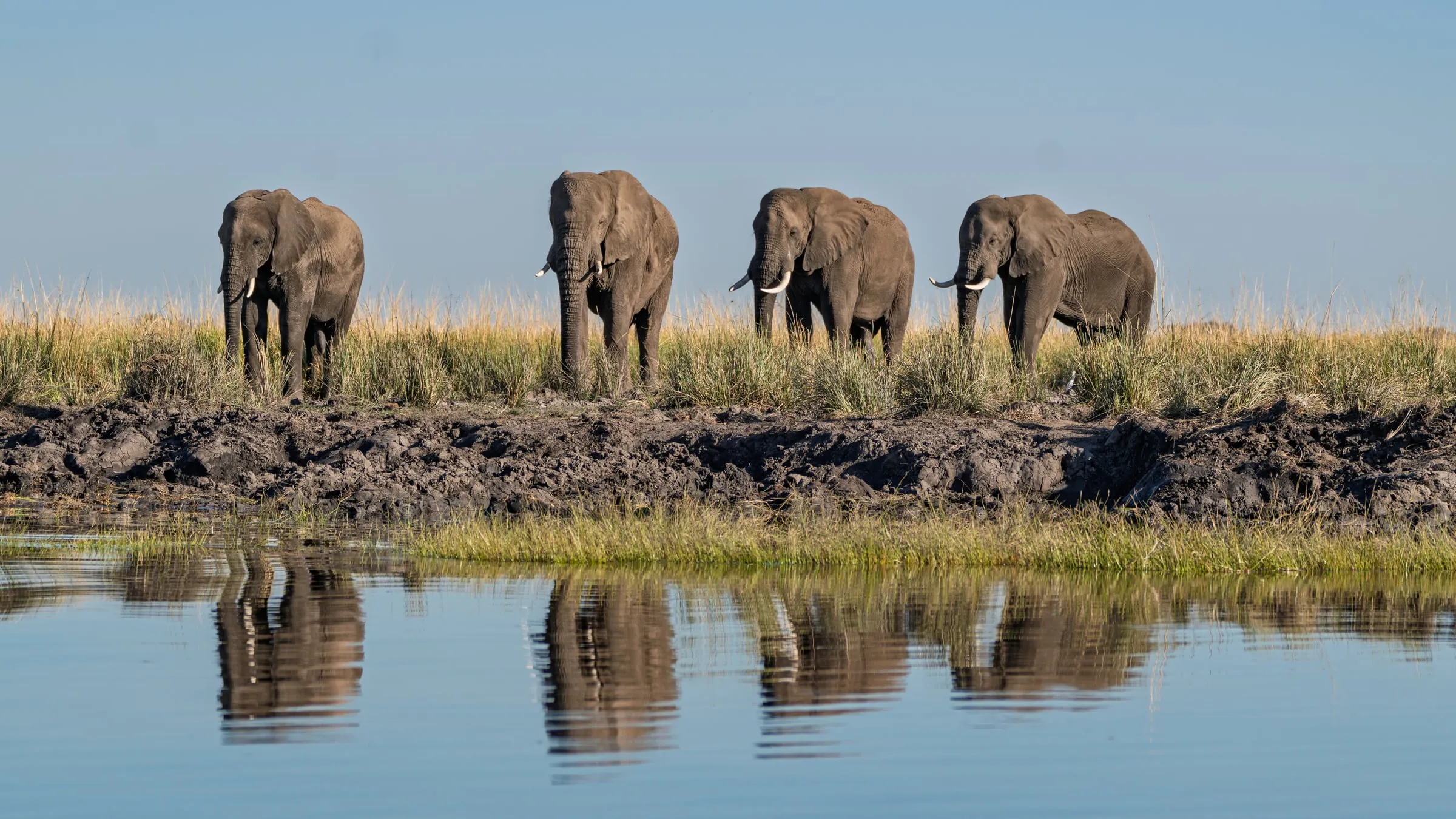
The park holds one of the largest elephant populations in the world, estimated at over fifty thousand animals — the greatest concentration of Loxodonta africana in Africa. In the dry season a large share of the herd pulls toward the river. The “elephant paradise” tag isn’t marketing; it’s a number.
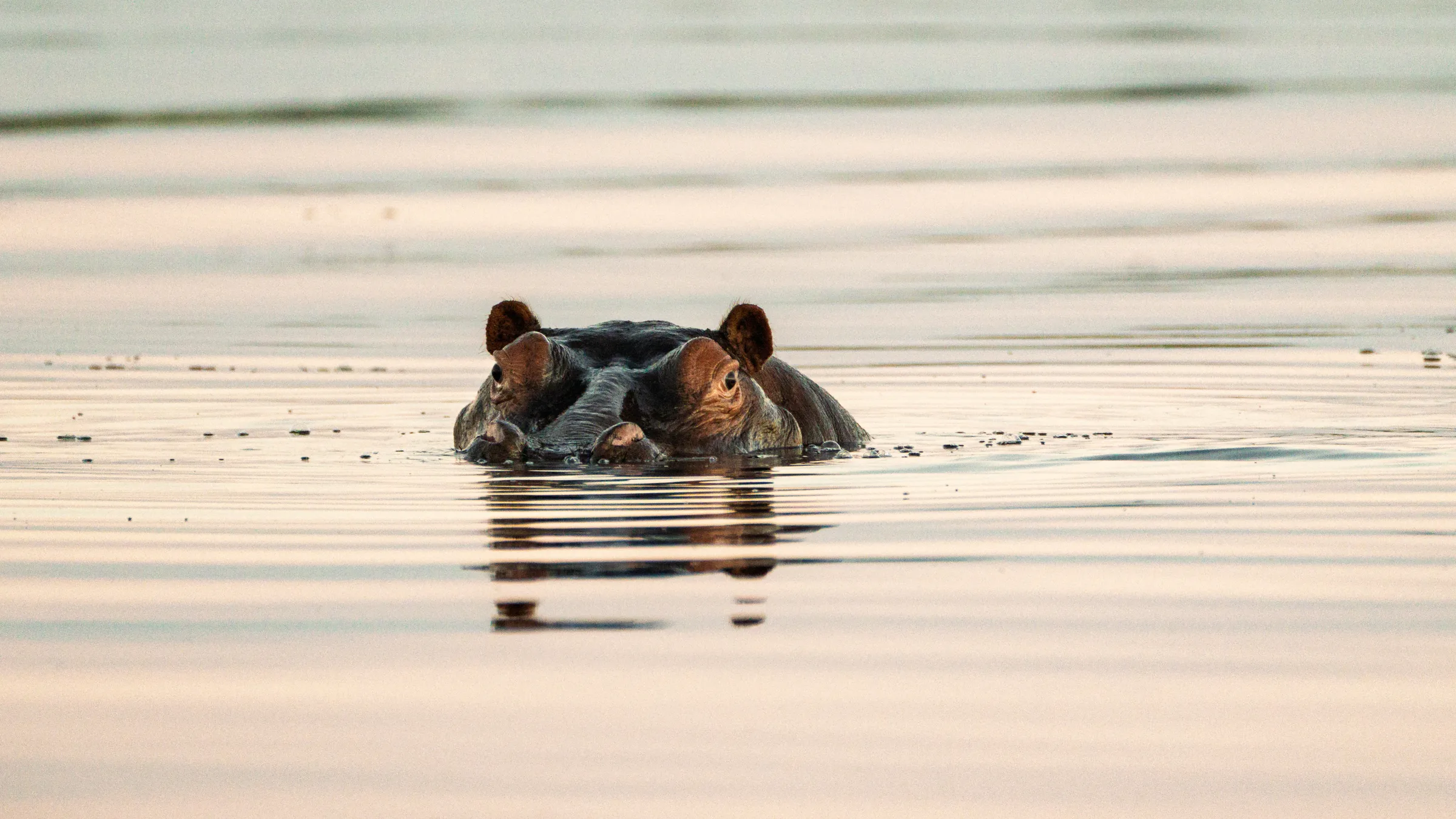
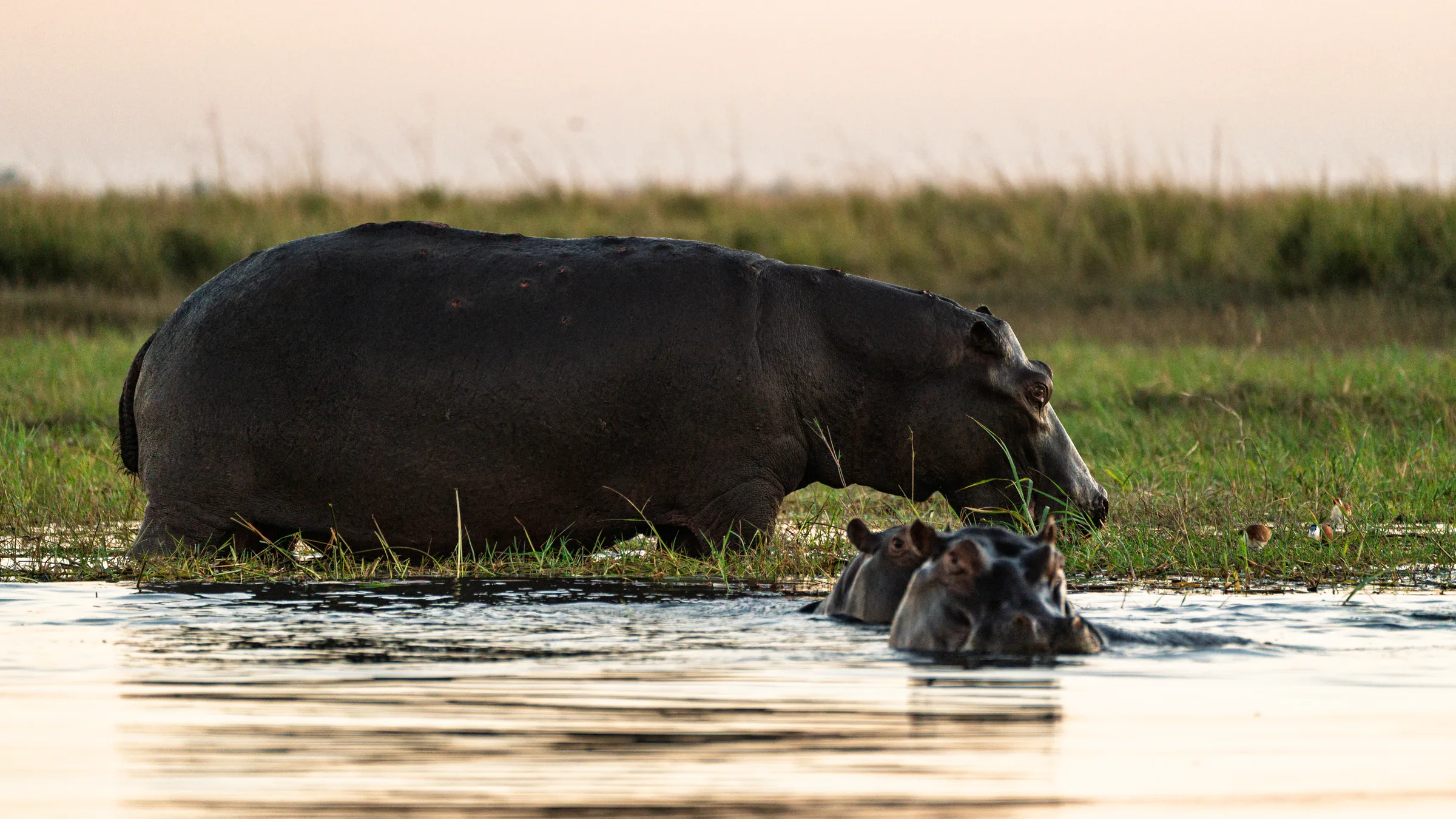
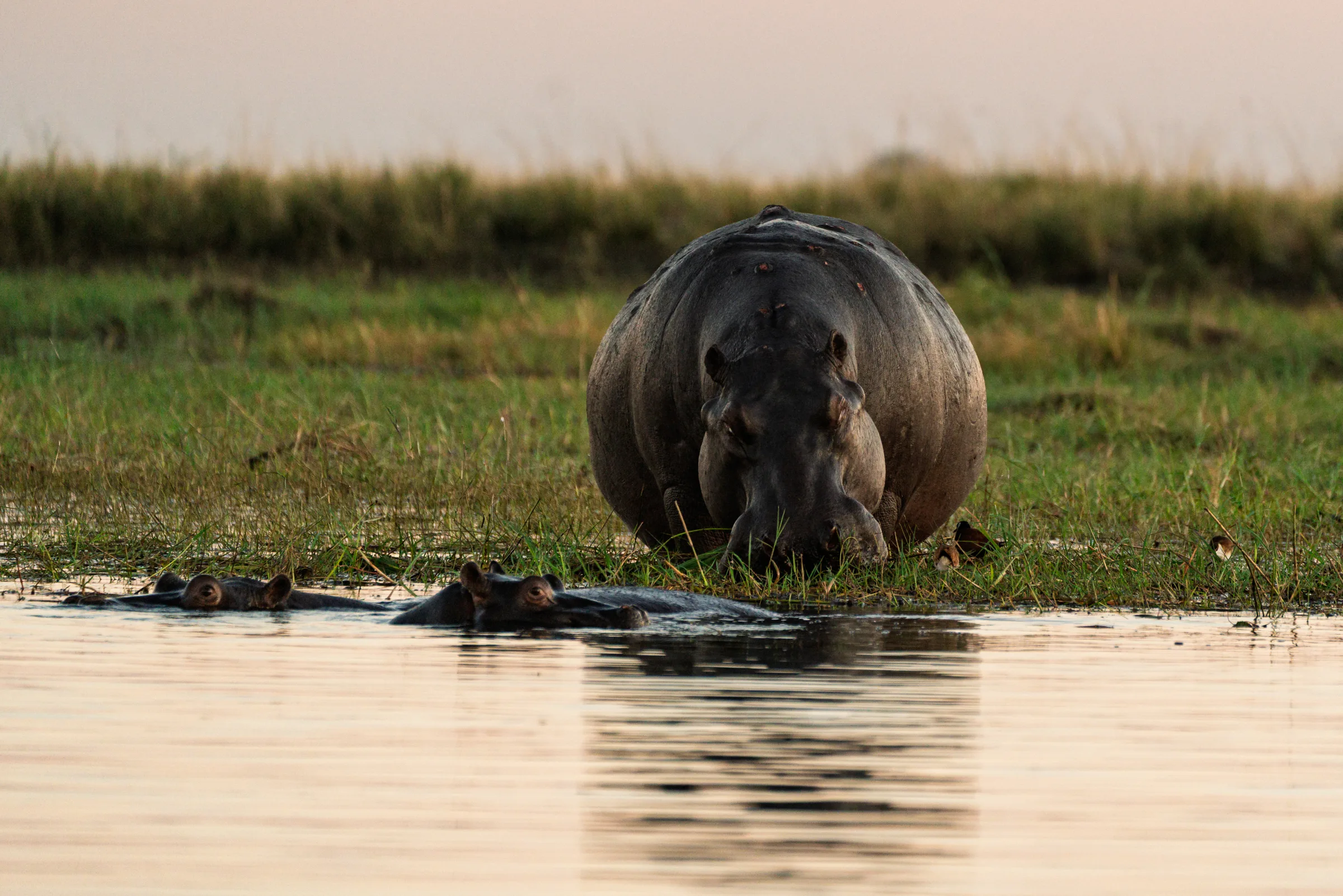
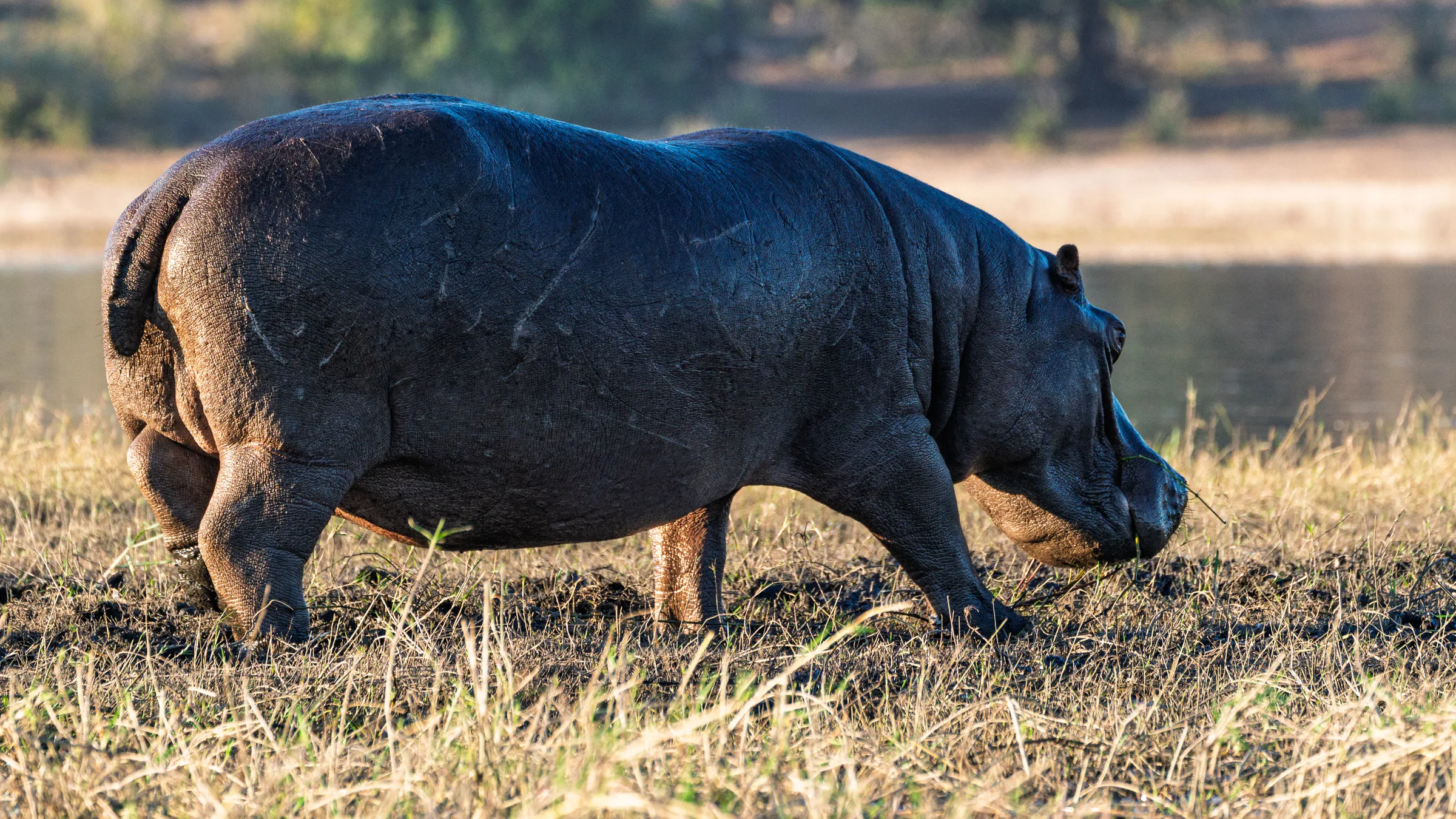
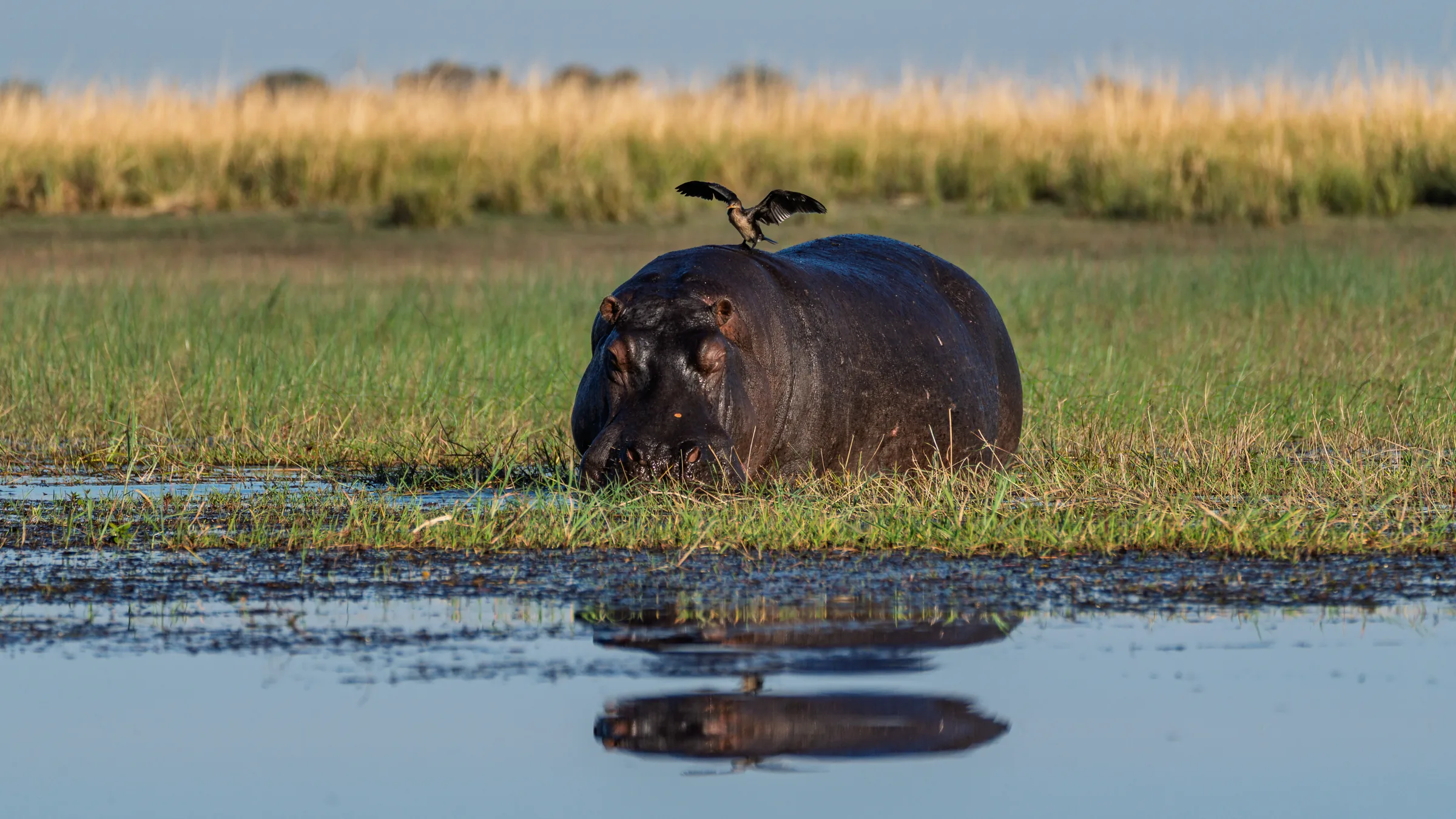
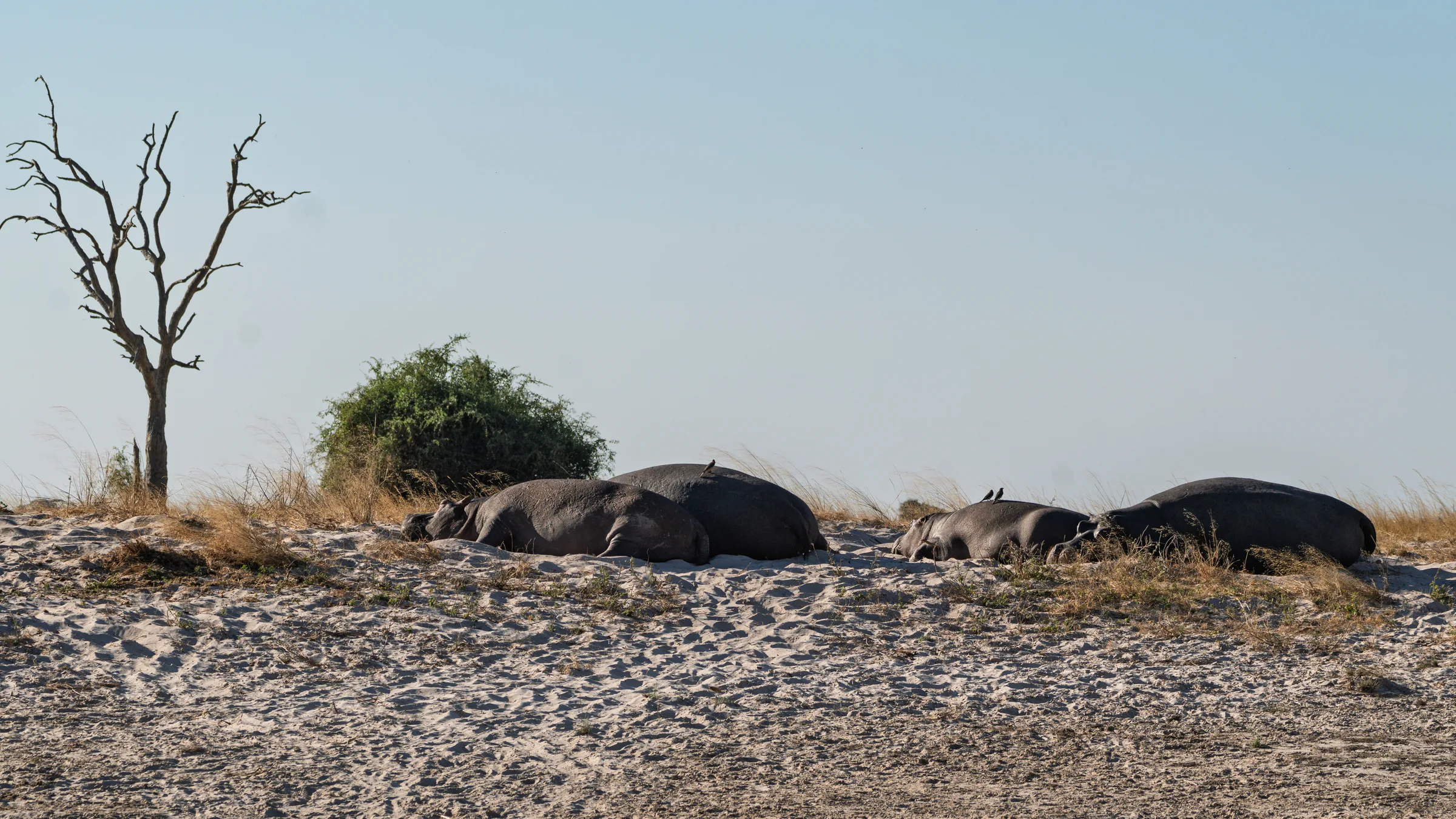
The boat leaves before sunrise. Transfer to the dock on a Toyota platform with chairs in the bed, blanket in the daypack, seven degrees outside and wind from the Caprivi side. The engine drops to a whisper as the sun comes up and the mist over the river begins to part. Hippos are already in the water, only nostrils and ears above the surface; every few minutes one snorts, as if reminding the rest who runs the place after dark. They come out at night to graze — a single hippo eats up to forty kilograms of grass a day. Up close you can hear the elephants drawing water with their trunks and the exhale that sounds like bellows.
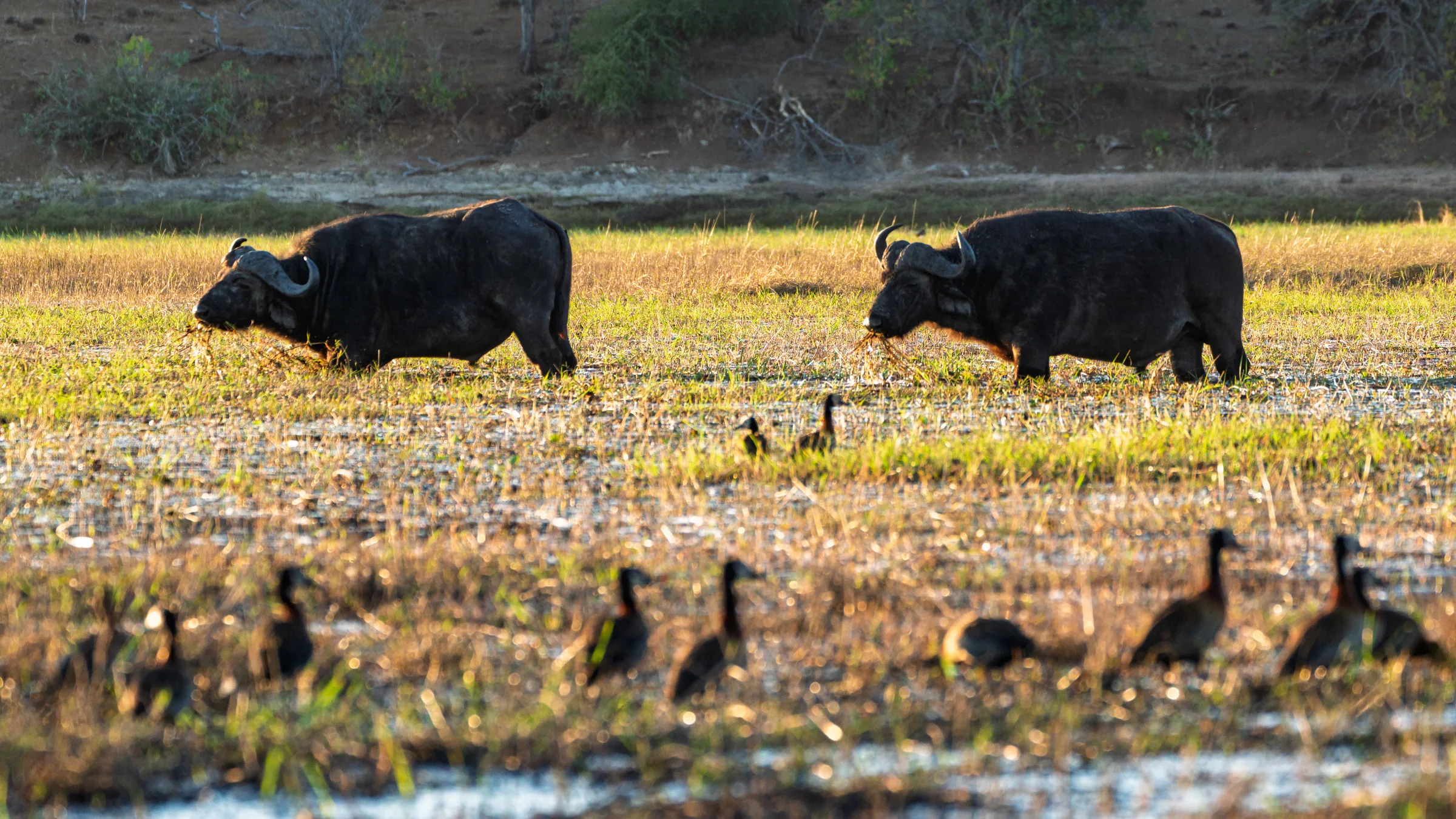
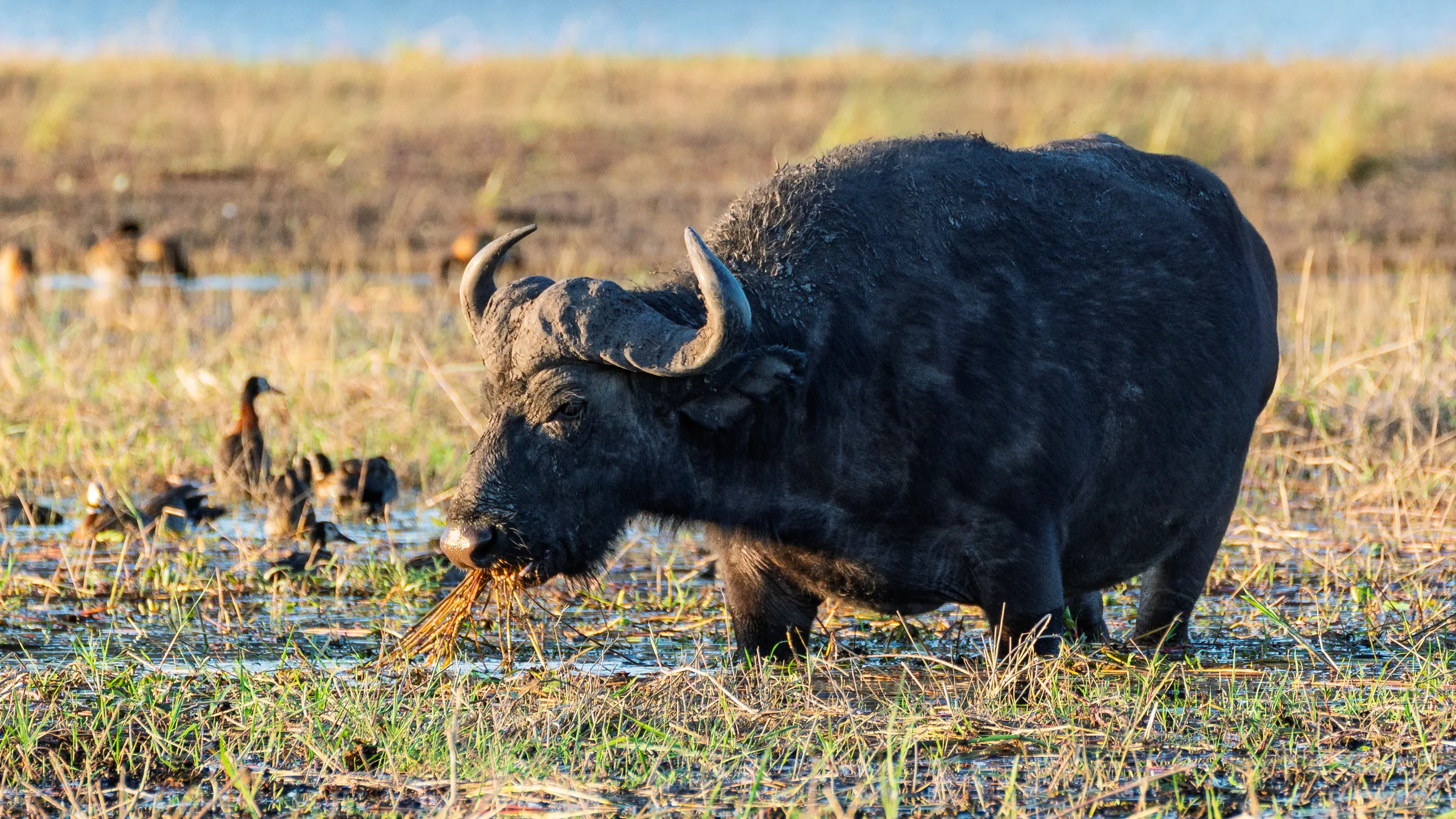
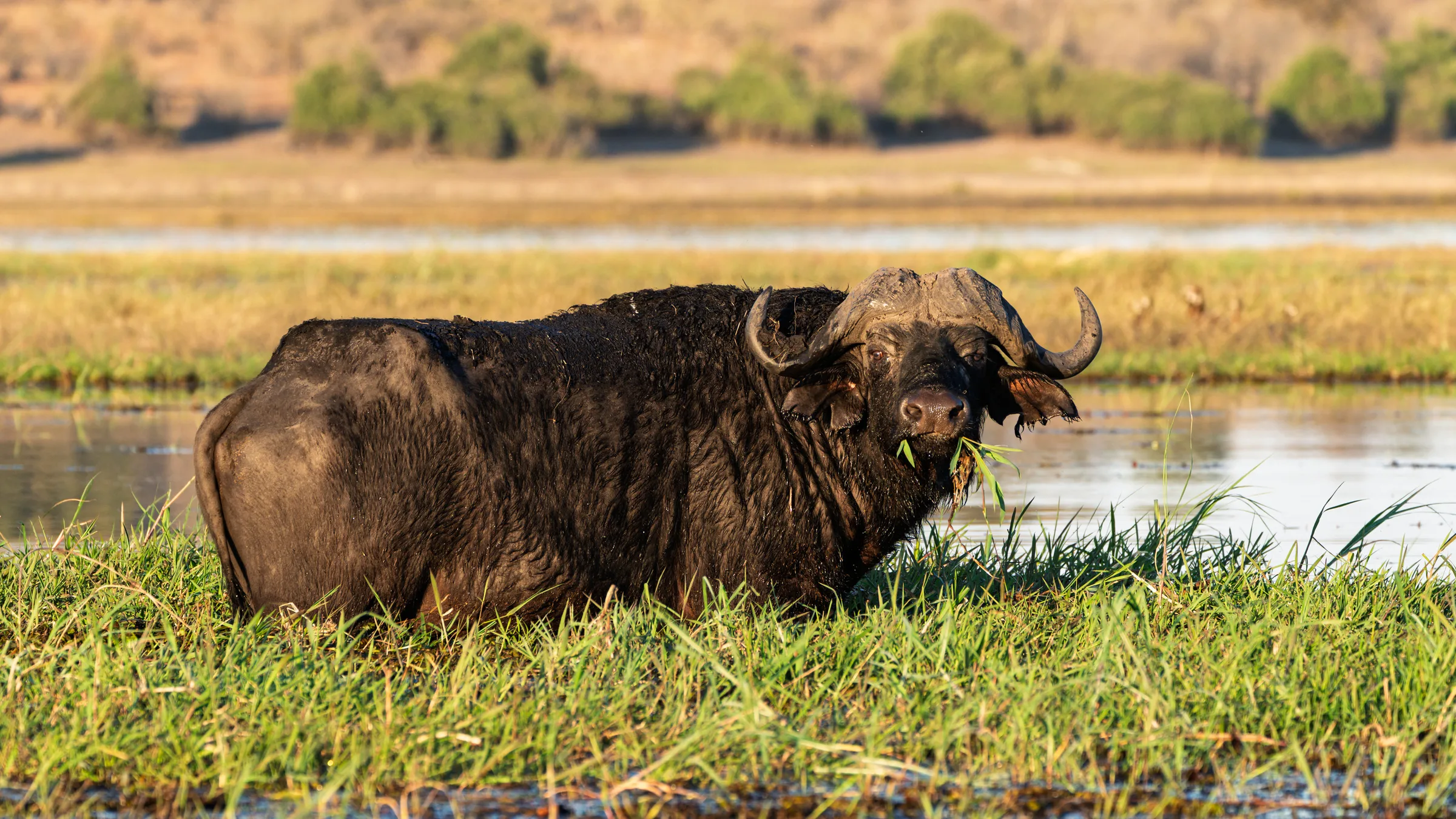
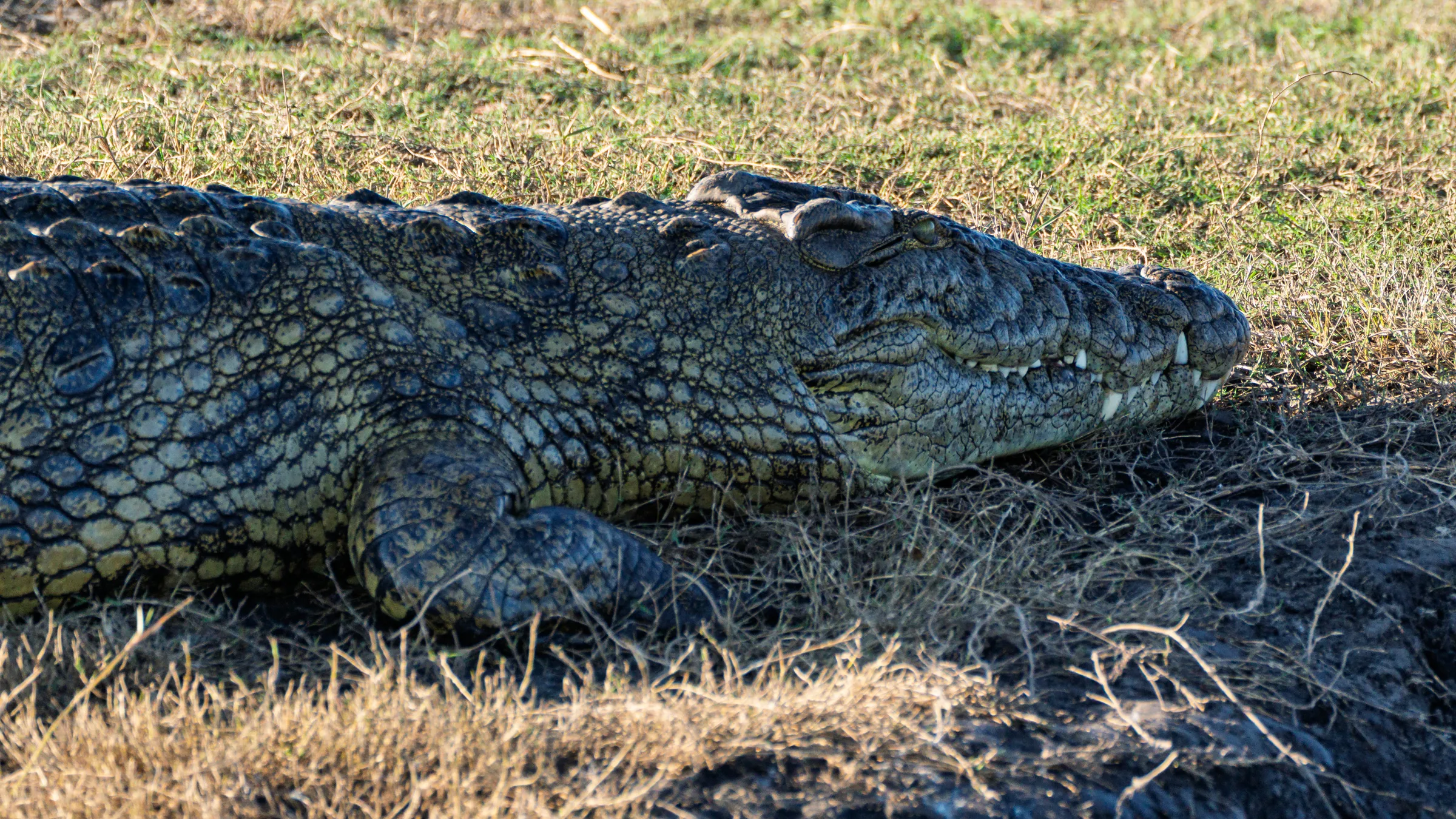
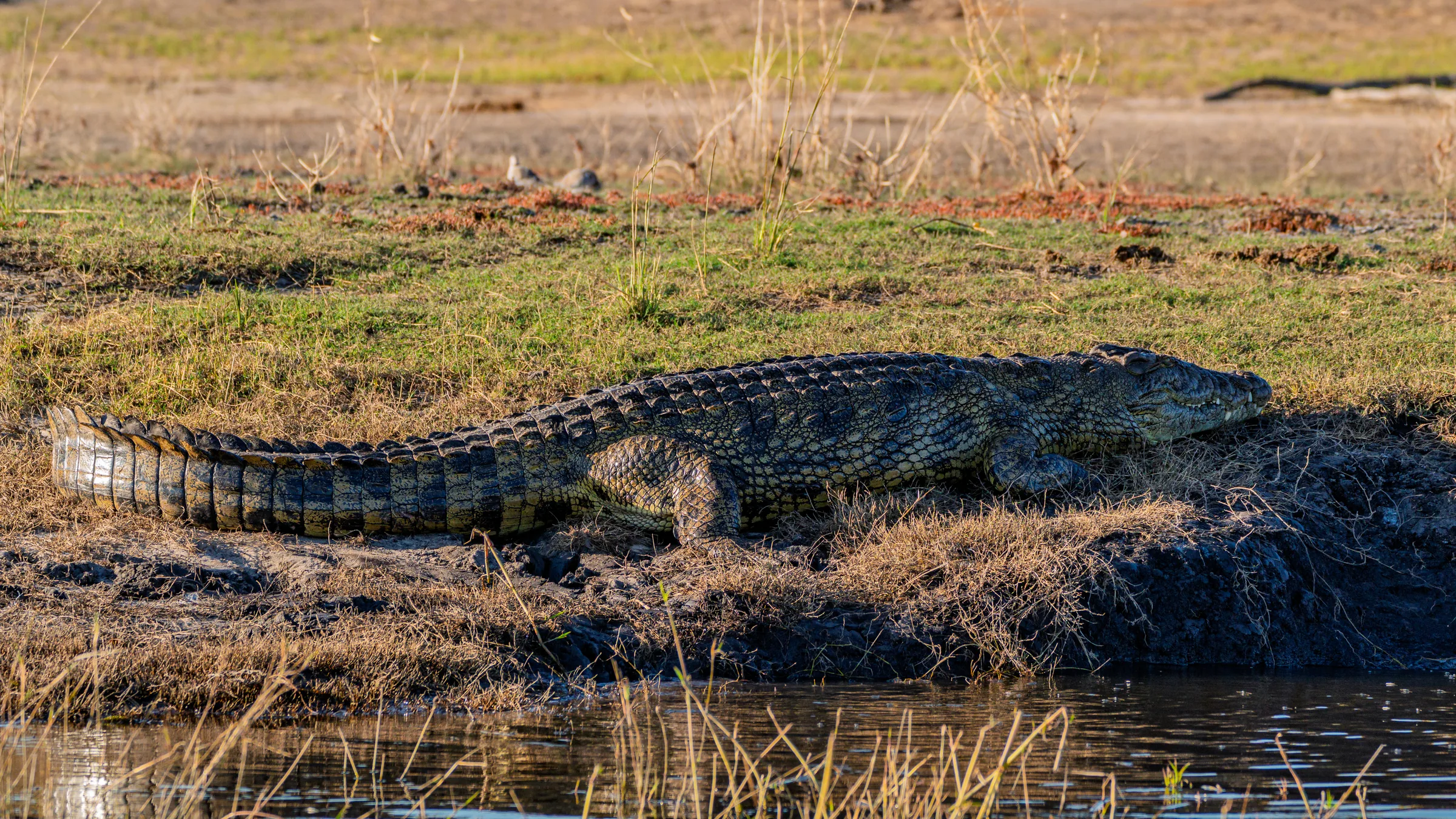
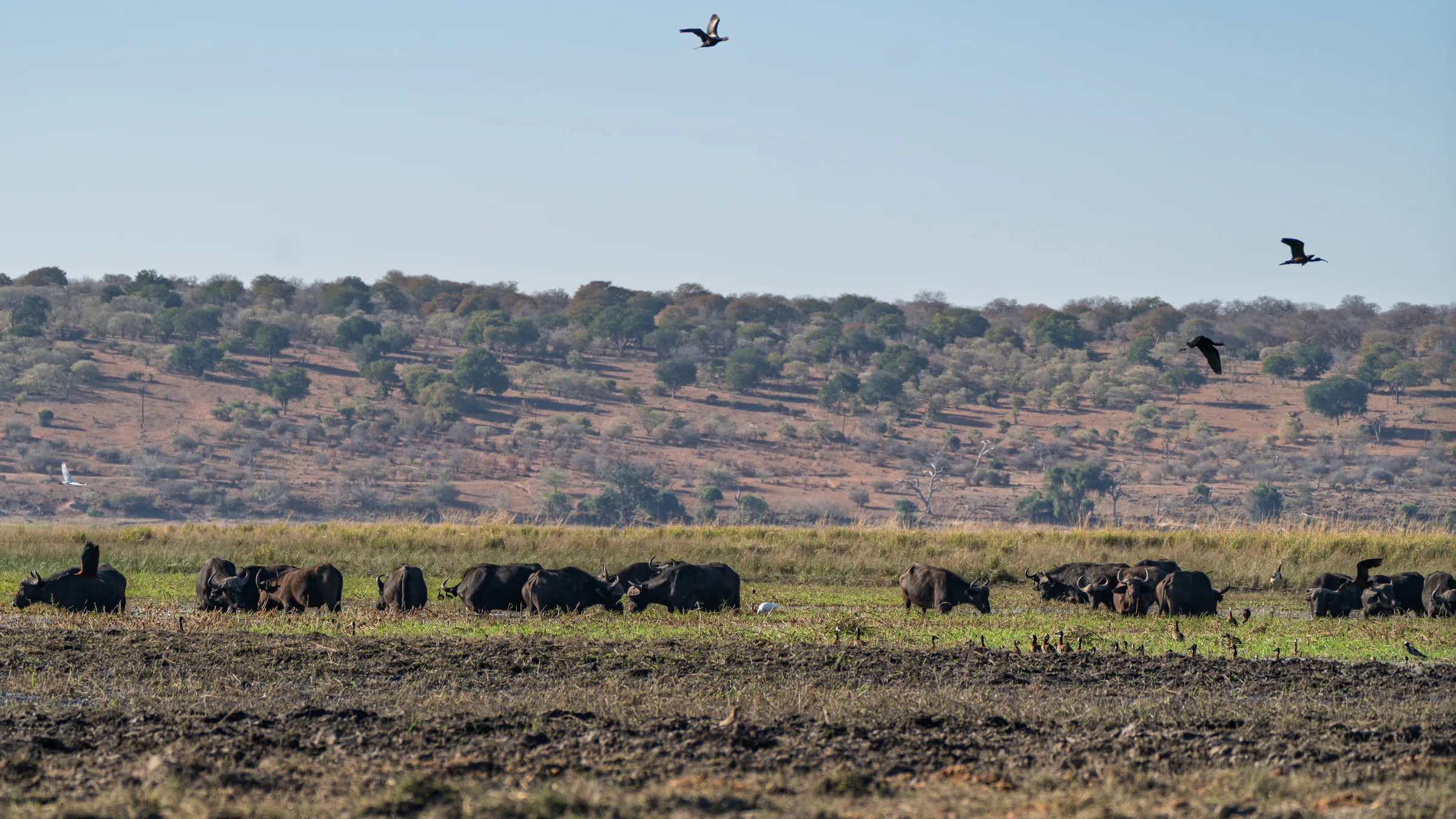
The elephants appear in the late afternoon. The matriarch first, then the rest of the herd — heavy down the slope, dust rising in the slanting light. Elephants live in matriarchal society: the oldest female leads, carrying in memory the location of waterholes season by season. The same herd may return to the same place for decades, regardless of what changes upstream. Buffalo move in parallel through the dust — keeping their distance, but everywhere at once. Crocodiles are coiled into folds of mud on the far bank, already in Namibia.
The river is a border. Botswana on one side, the Caprivi Strip on the other — a relic of the 1890 Heligoland–Zanzibar Treaty, in which Germany ceded its claim to Zanzibar to Britain in exchange for the island of Heligoland and this narrow corridor, hoping for navigation along the Zambezi towards German East Africa. Nobody had pointed Victoria Falls out on the map at the time. Today the corridor is part of Namibia, geometrically still illogical.
Best cruise is the one an hour after sunrise in the dry season (July to October). Dawn is sharp — seven degrees and wind — but an hour later the temperature jumps and the wildlife is already gathered at the water. A dozen-plus operators in Kasane, prices nearly identical. Kasane is also the last fuel station before the Okavango Delta — fill your jerry cans here. Park entry six hundred pula per vehicle per day. Take maximum insurance, but rollover without collision and night animal strikes usually fall out of the policy.
Gallery