№ 01 · February 2022 · Chile
Atacama.
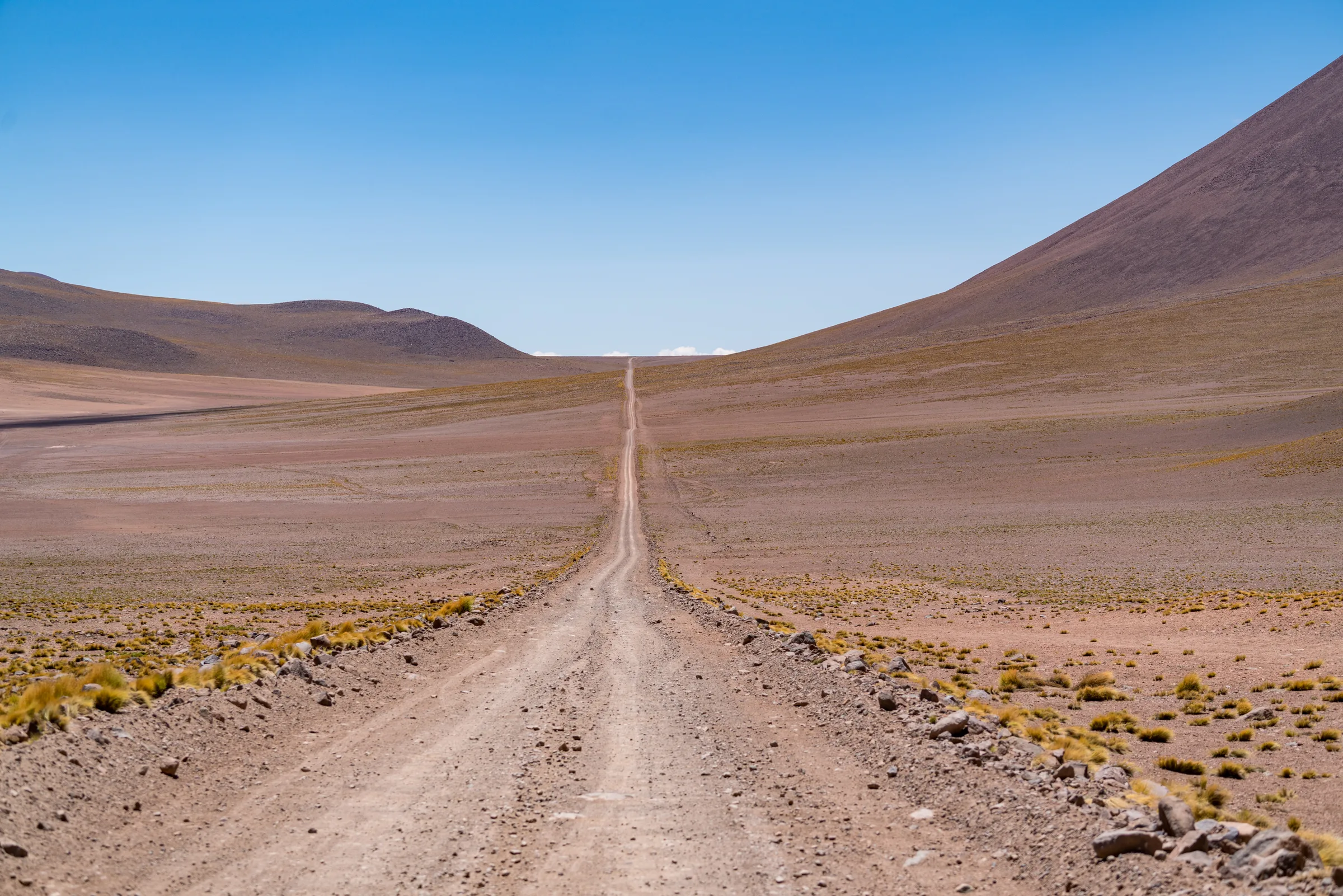
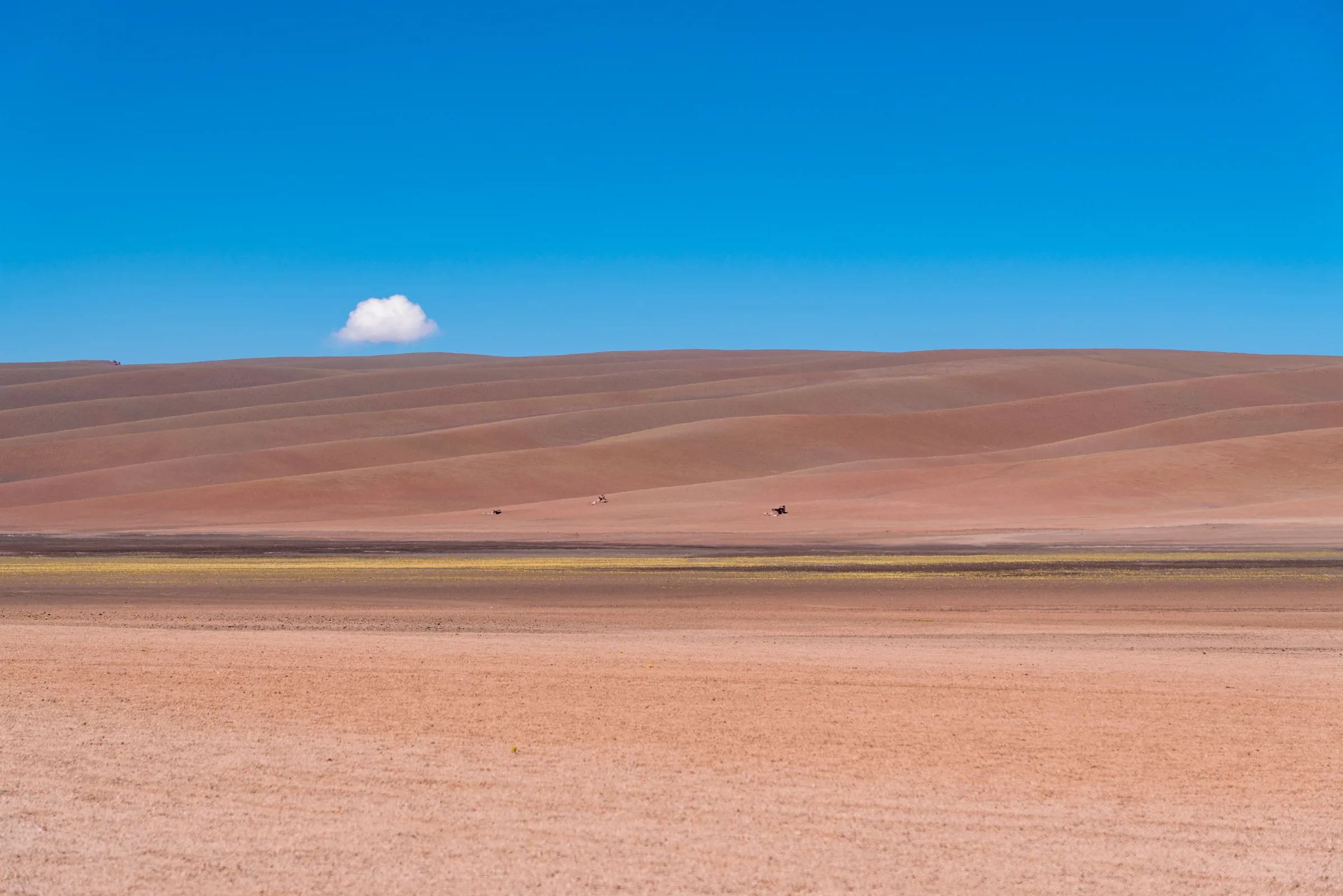
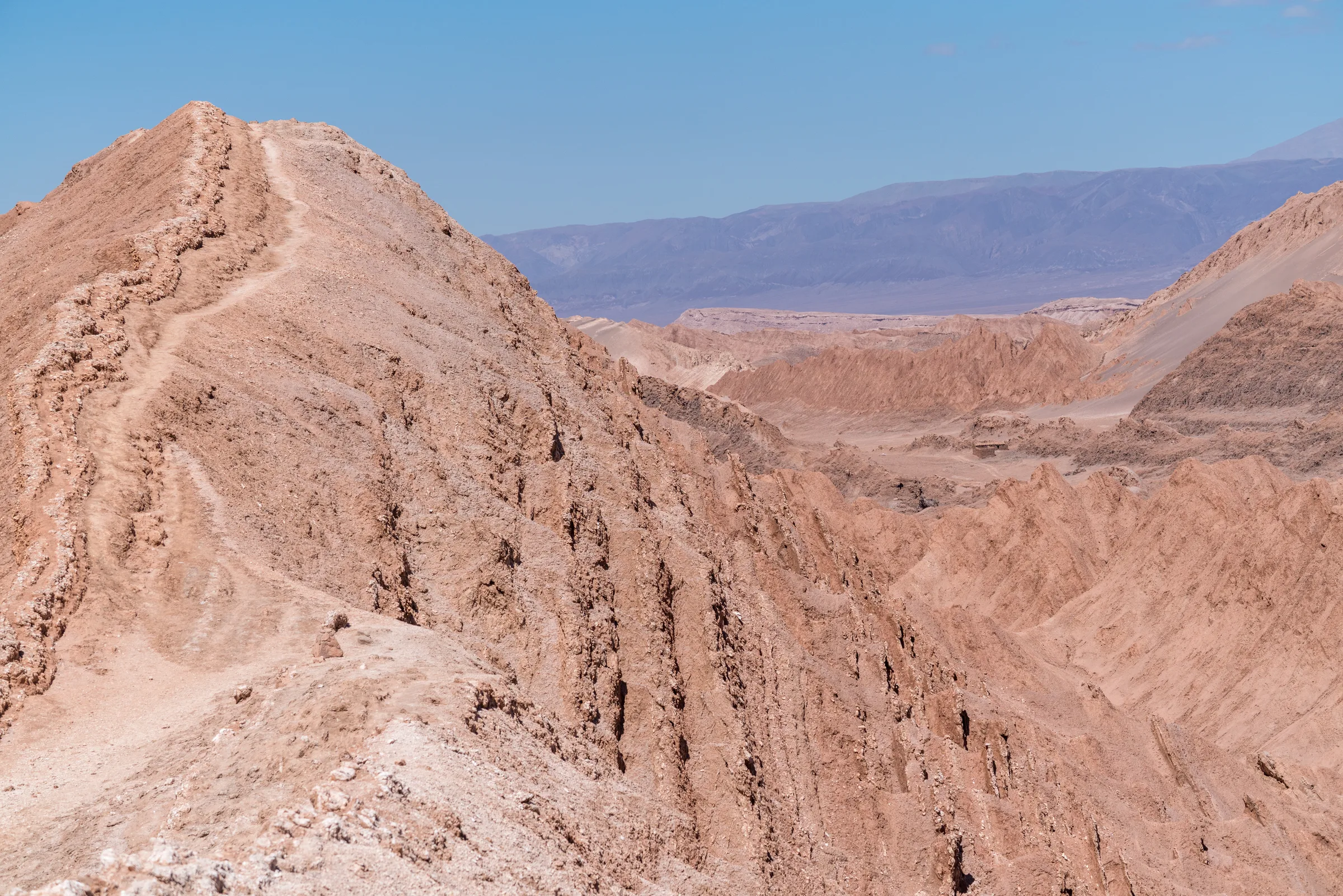
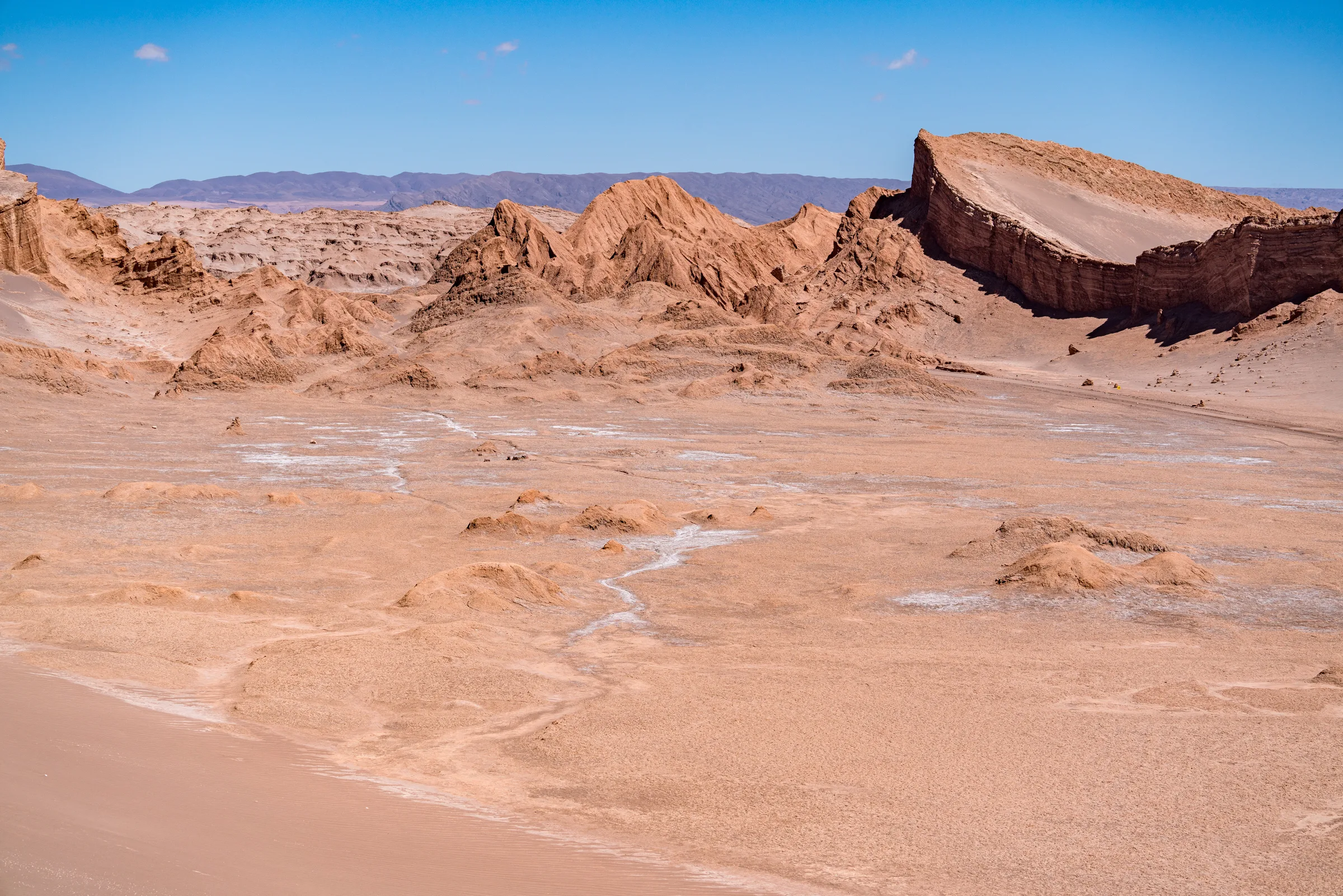
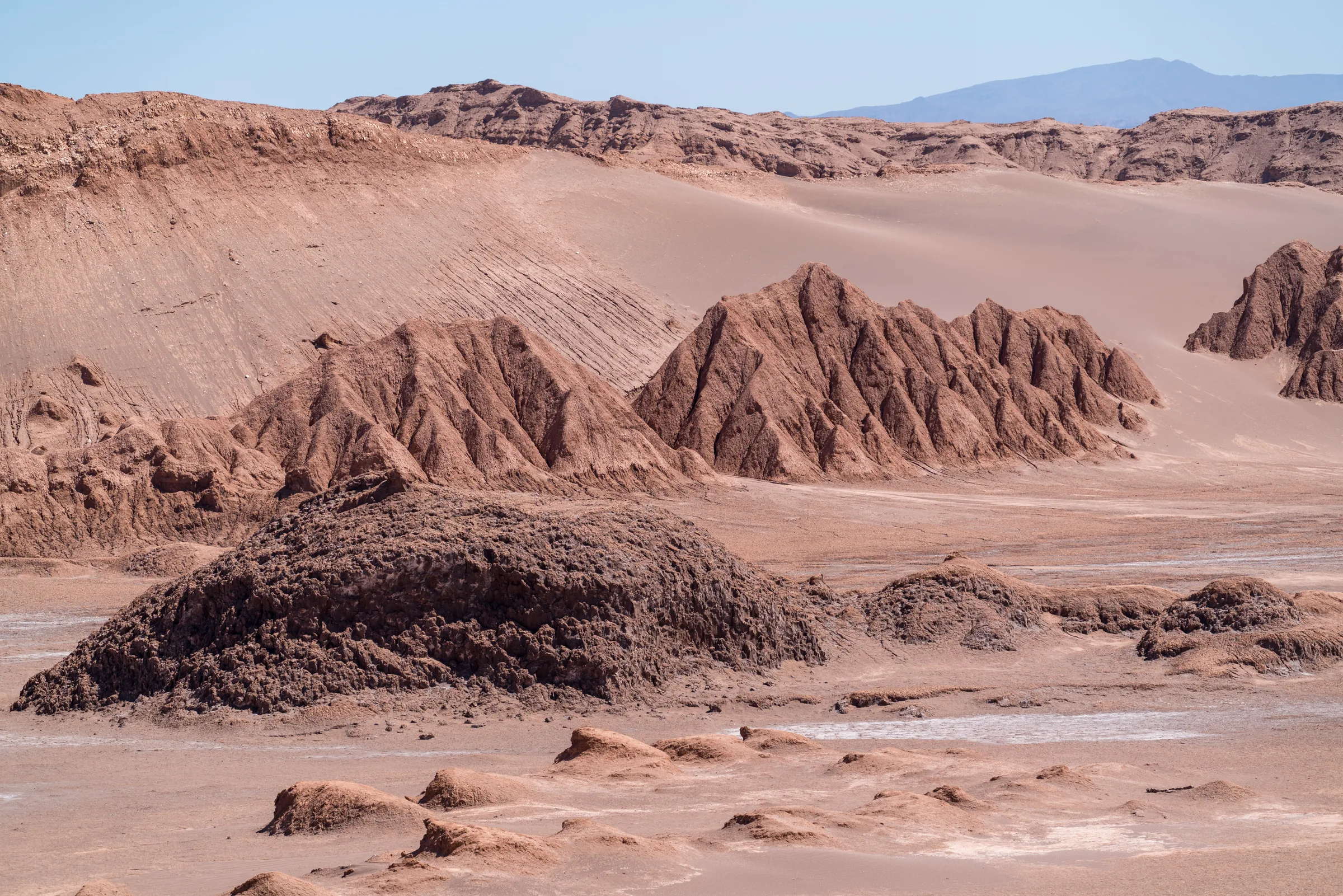
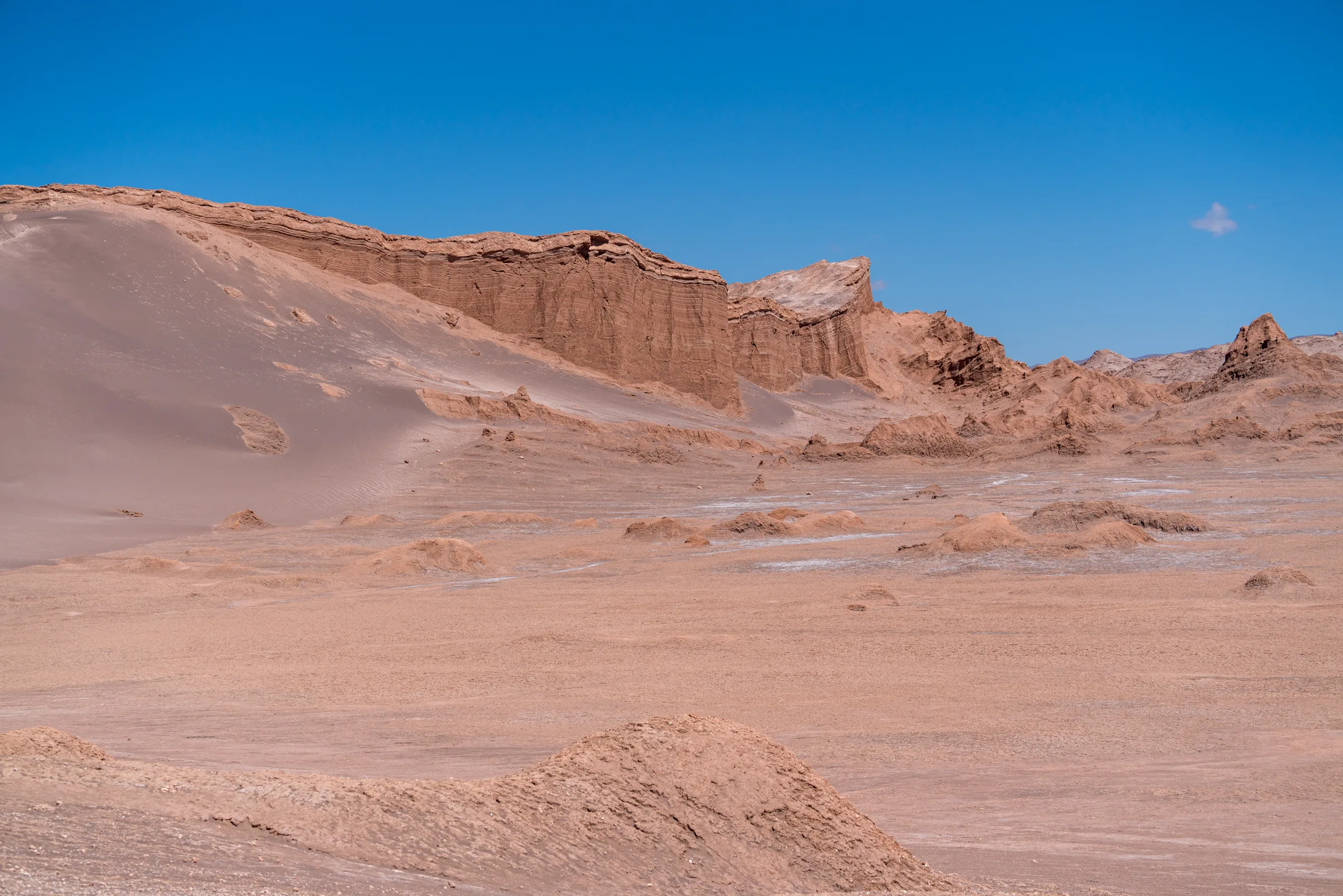
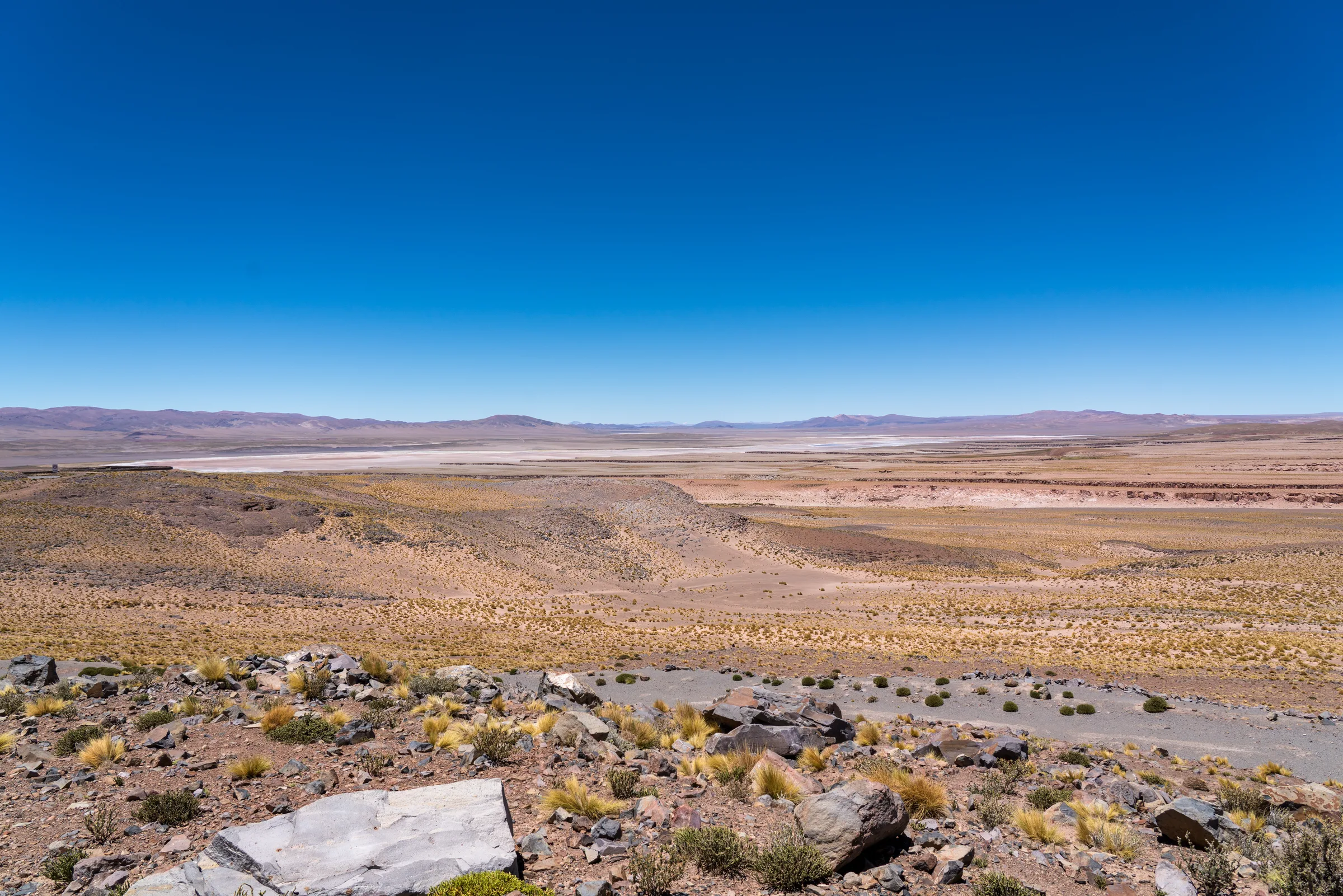
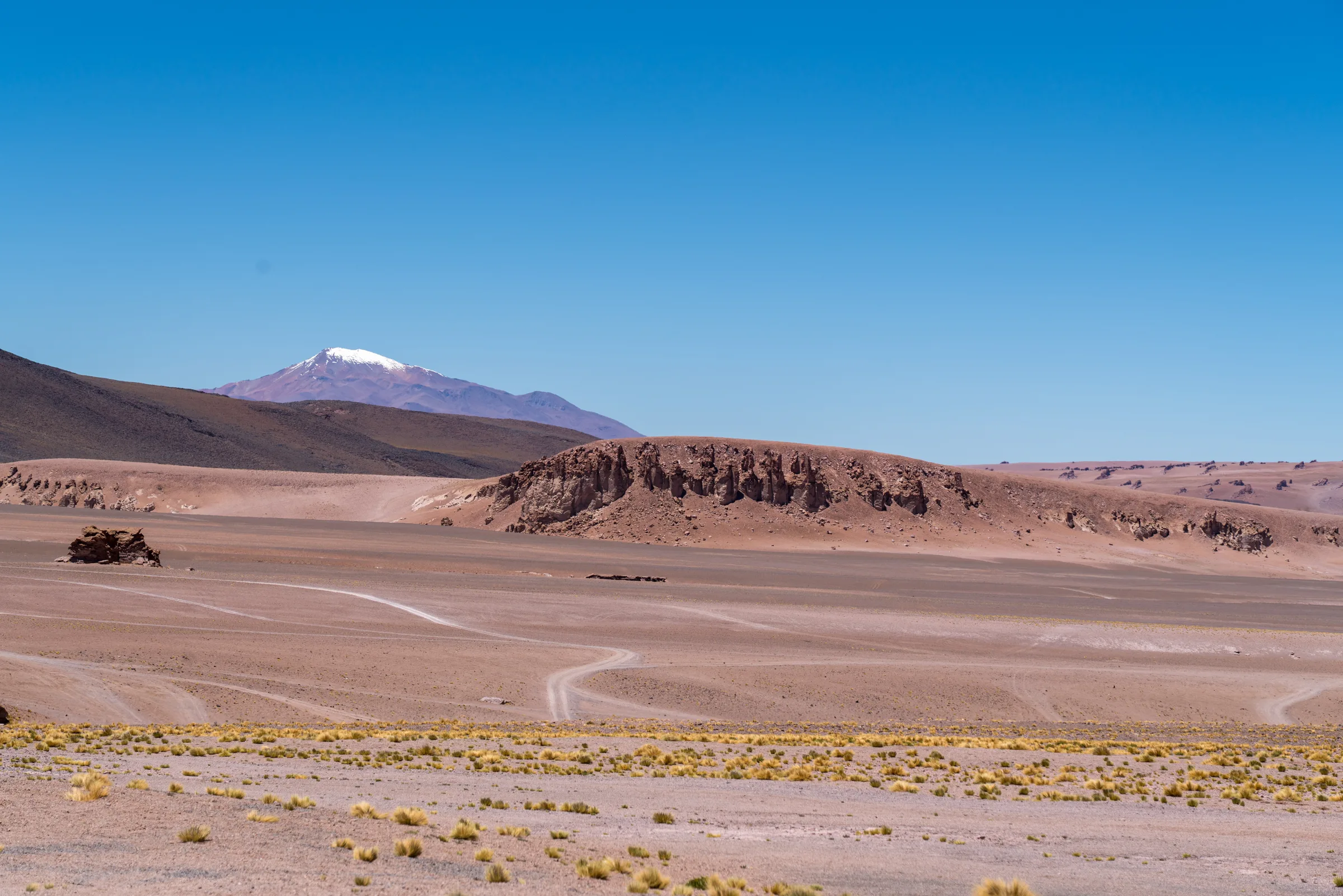
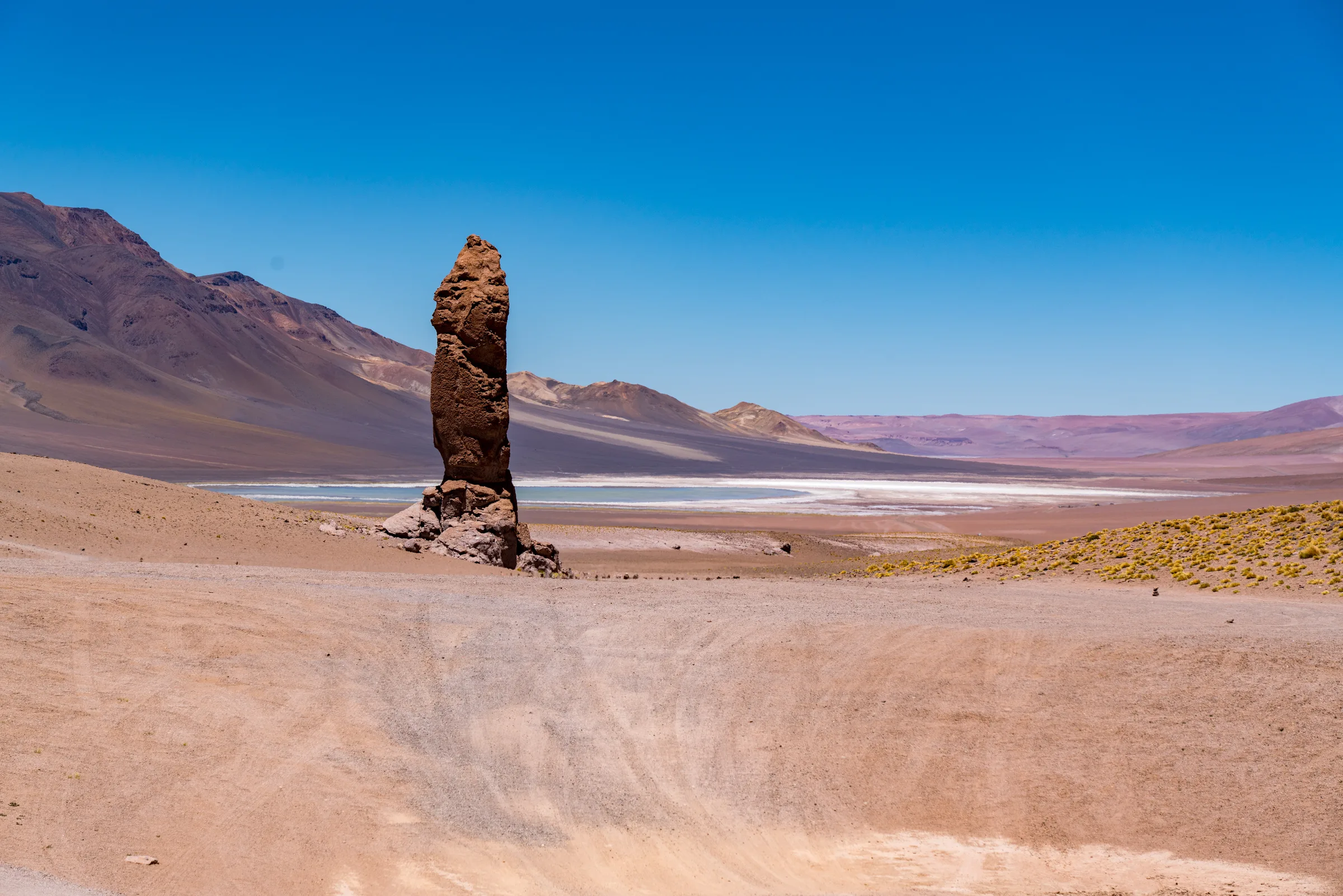
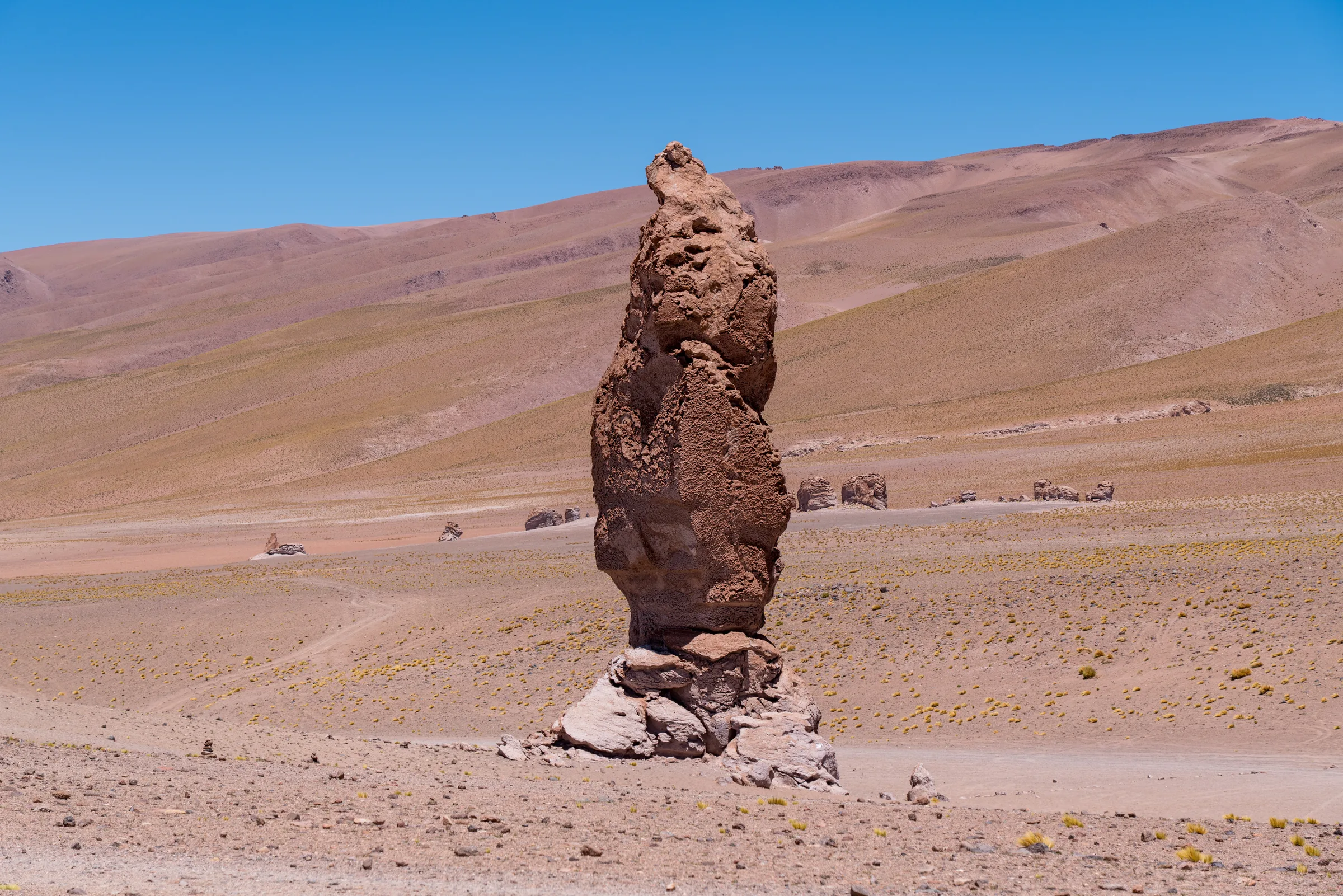
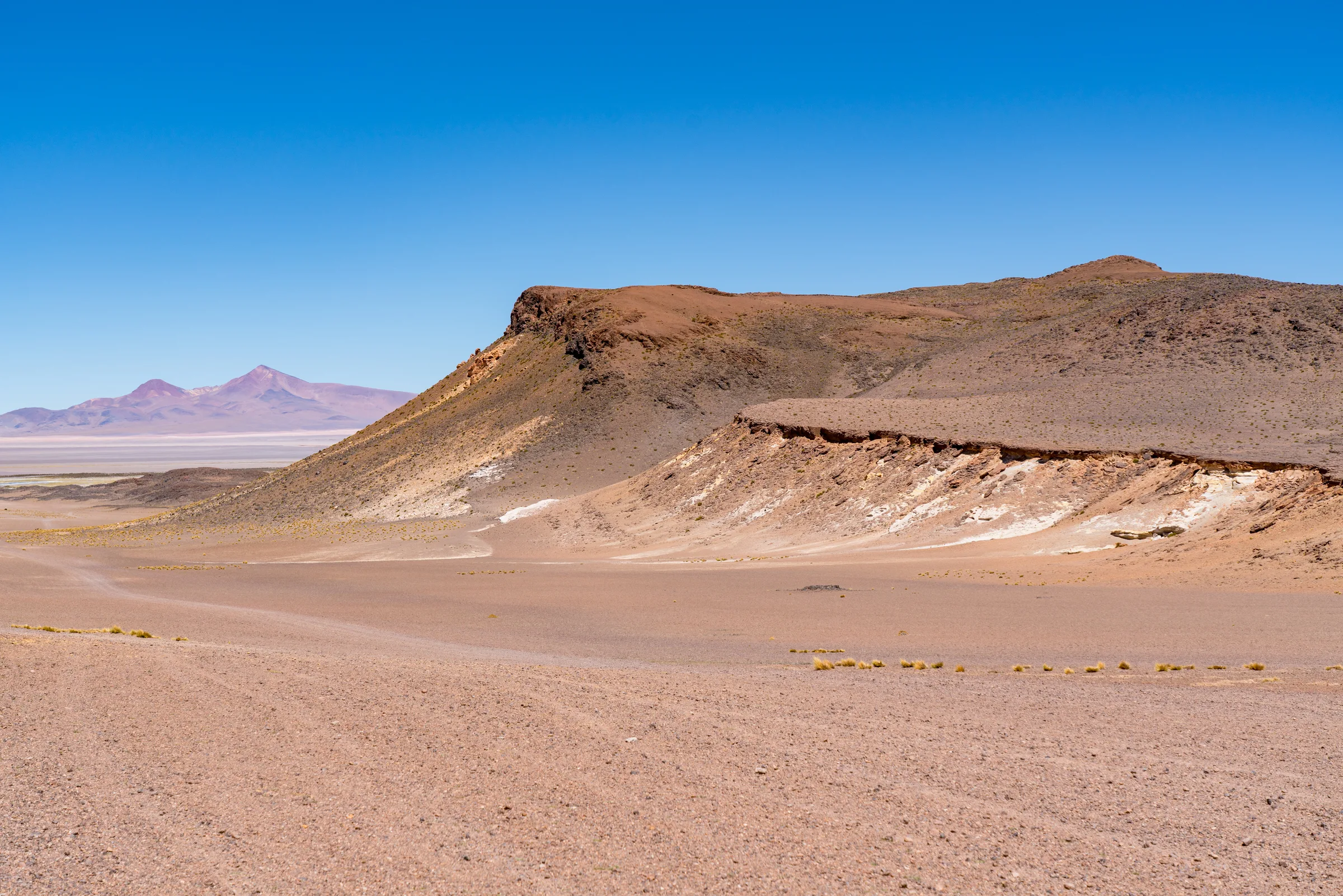
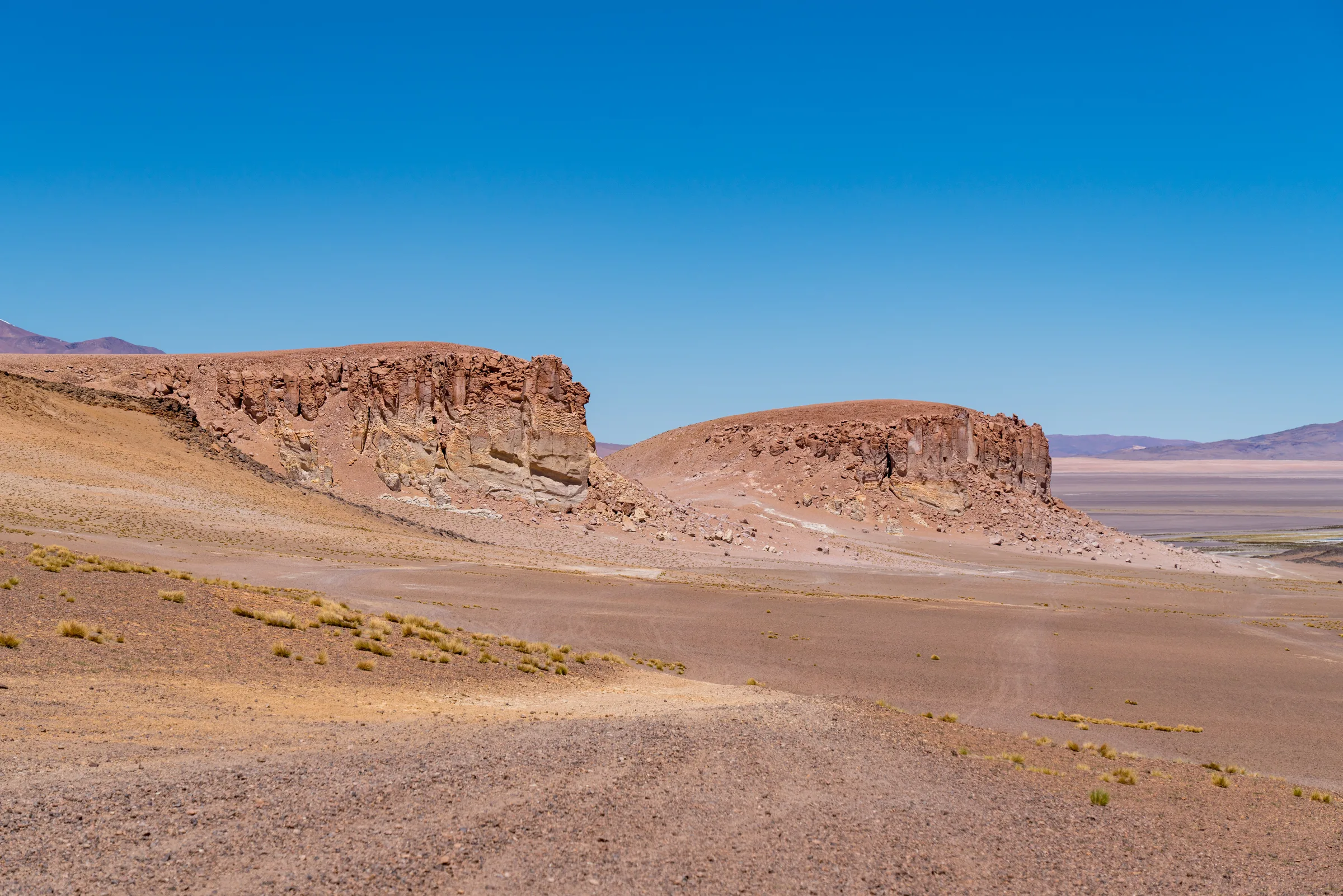
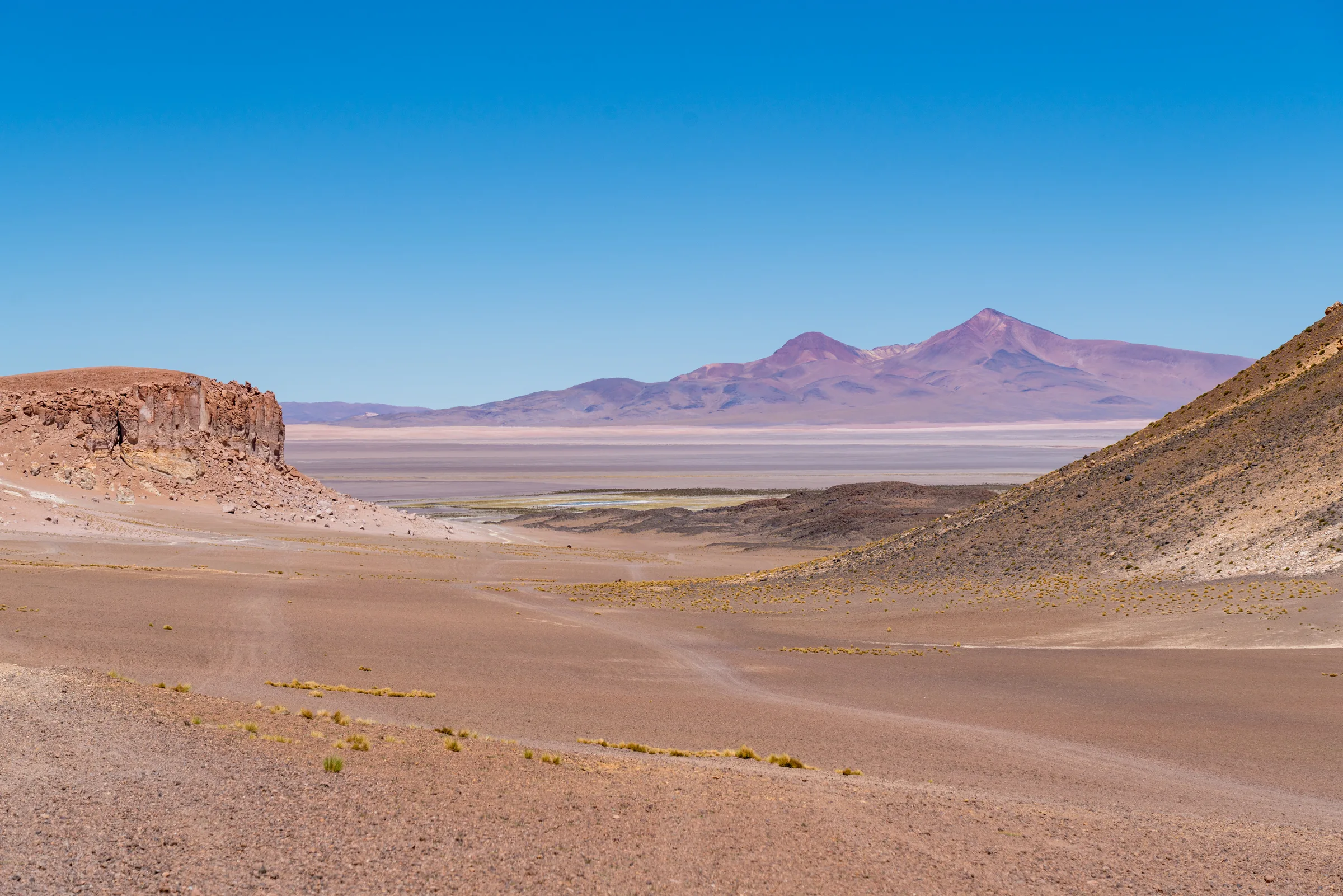
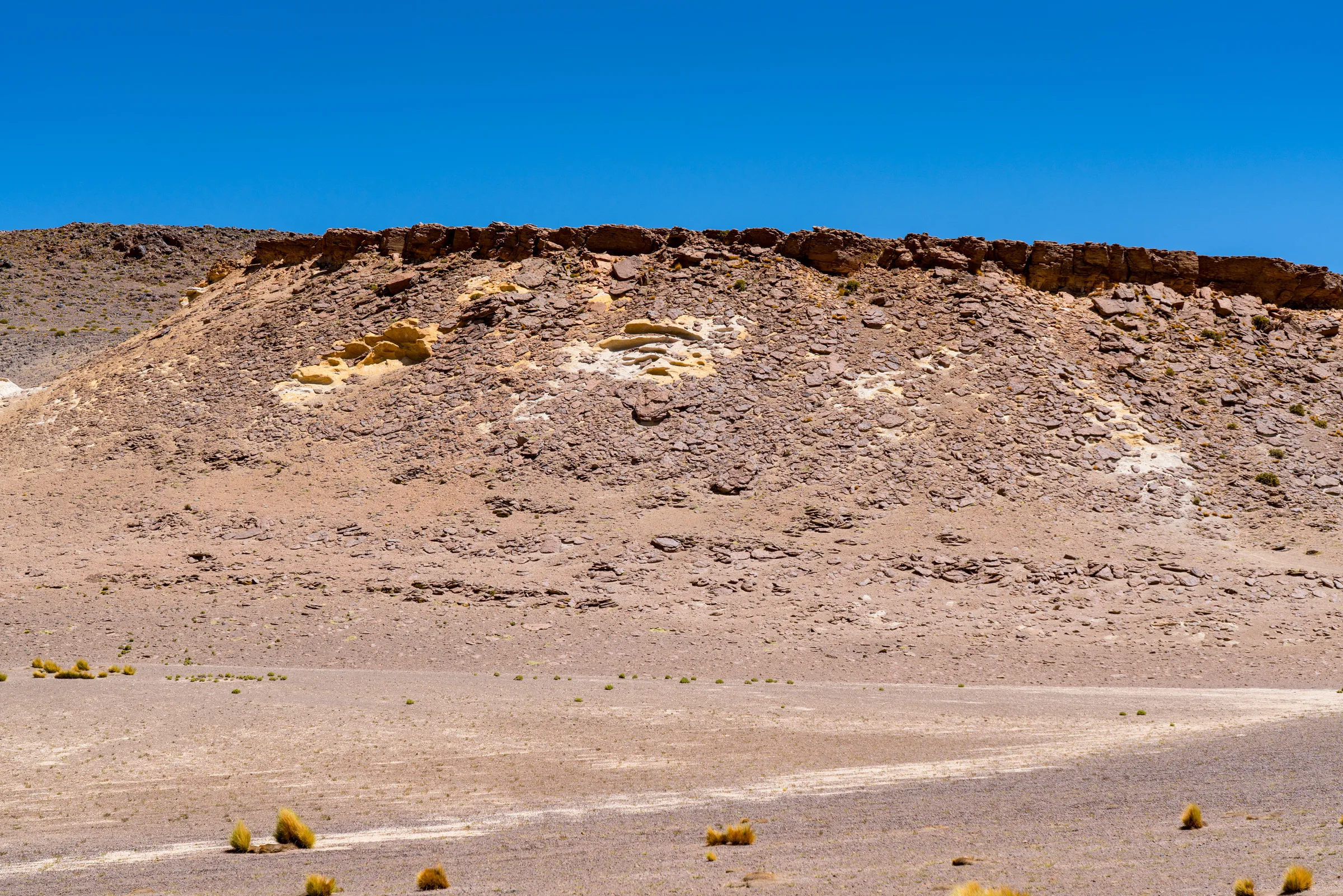
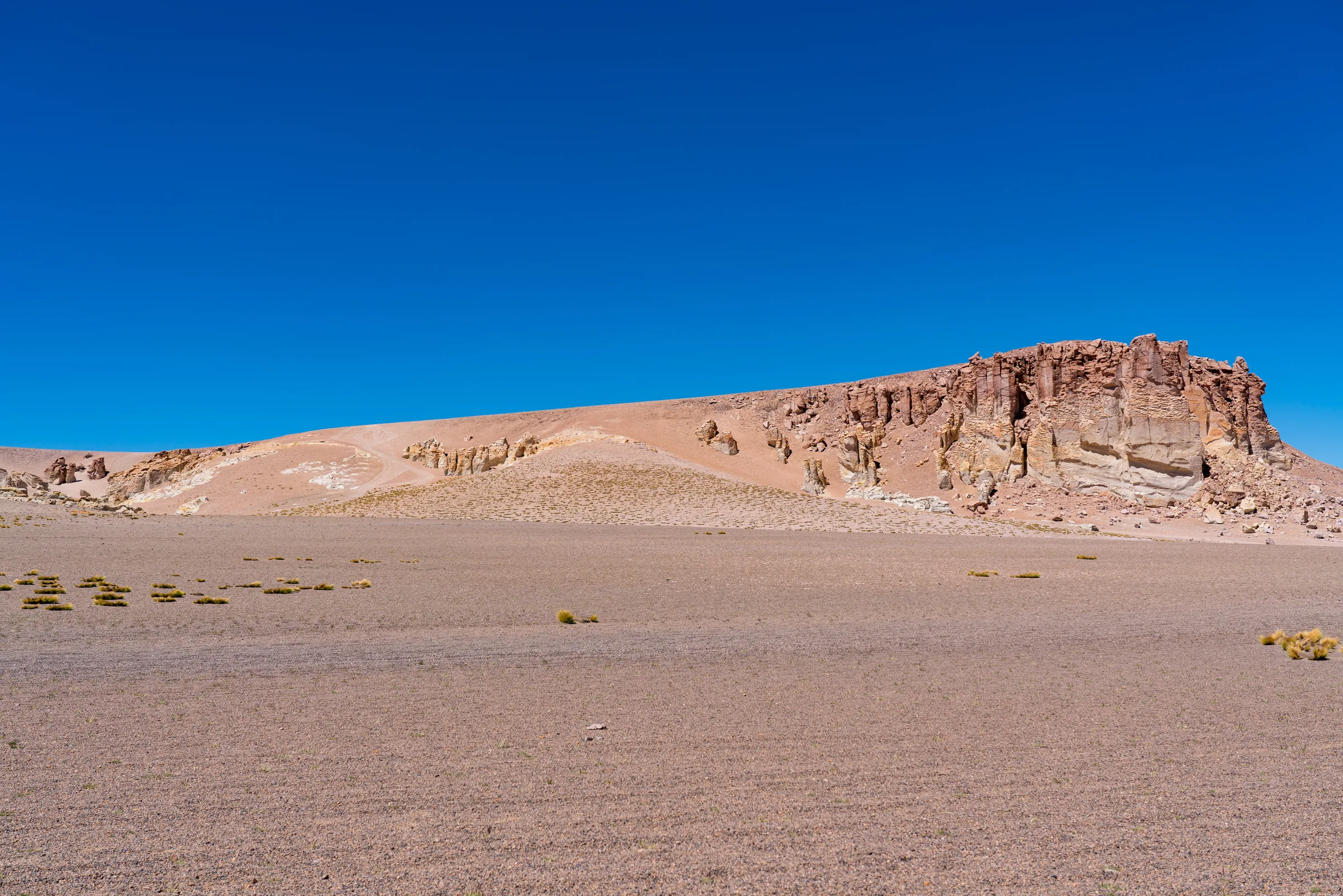
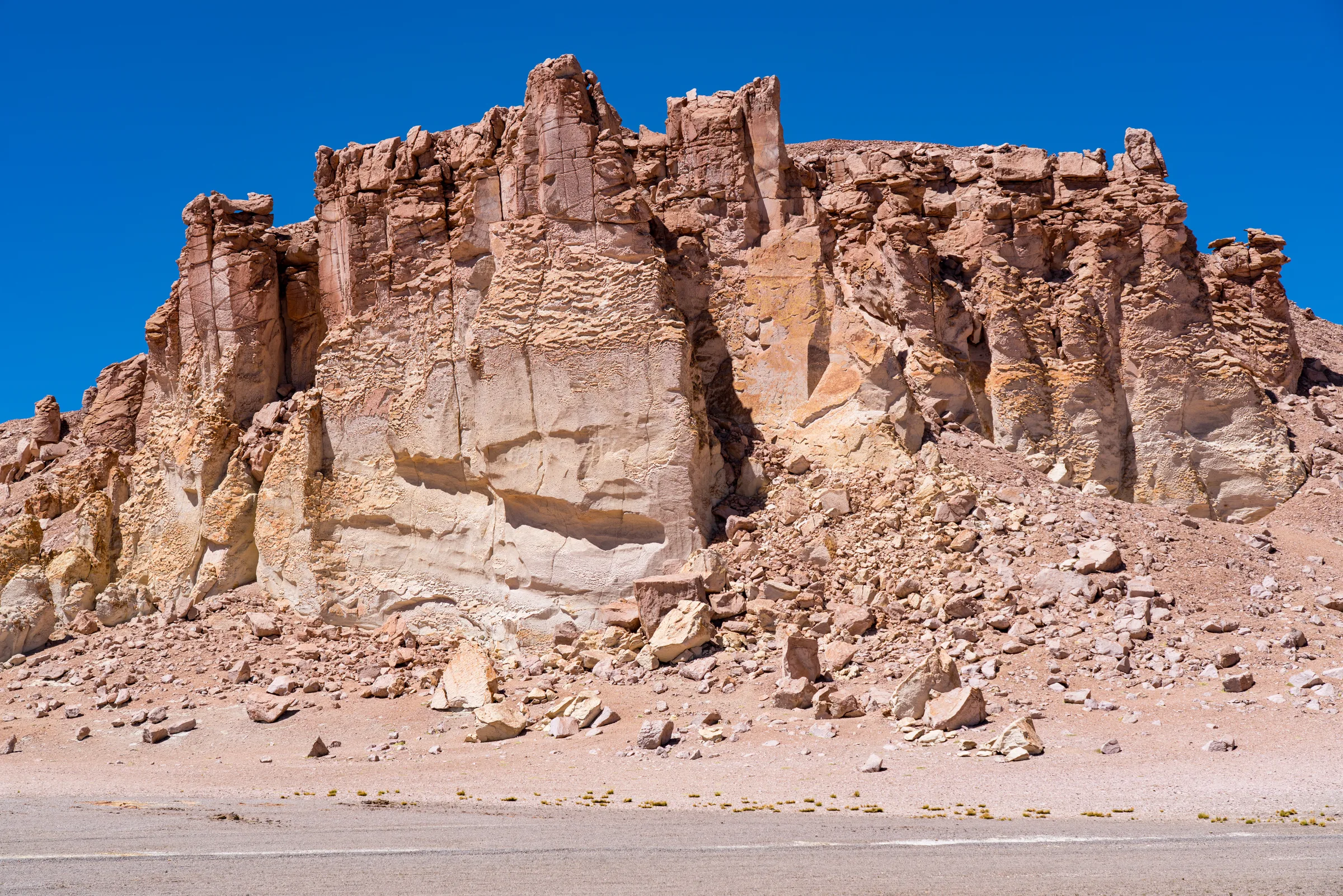
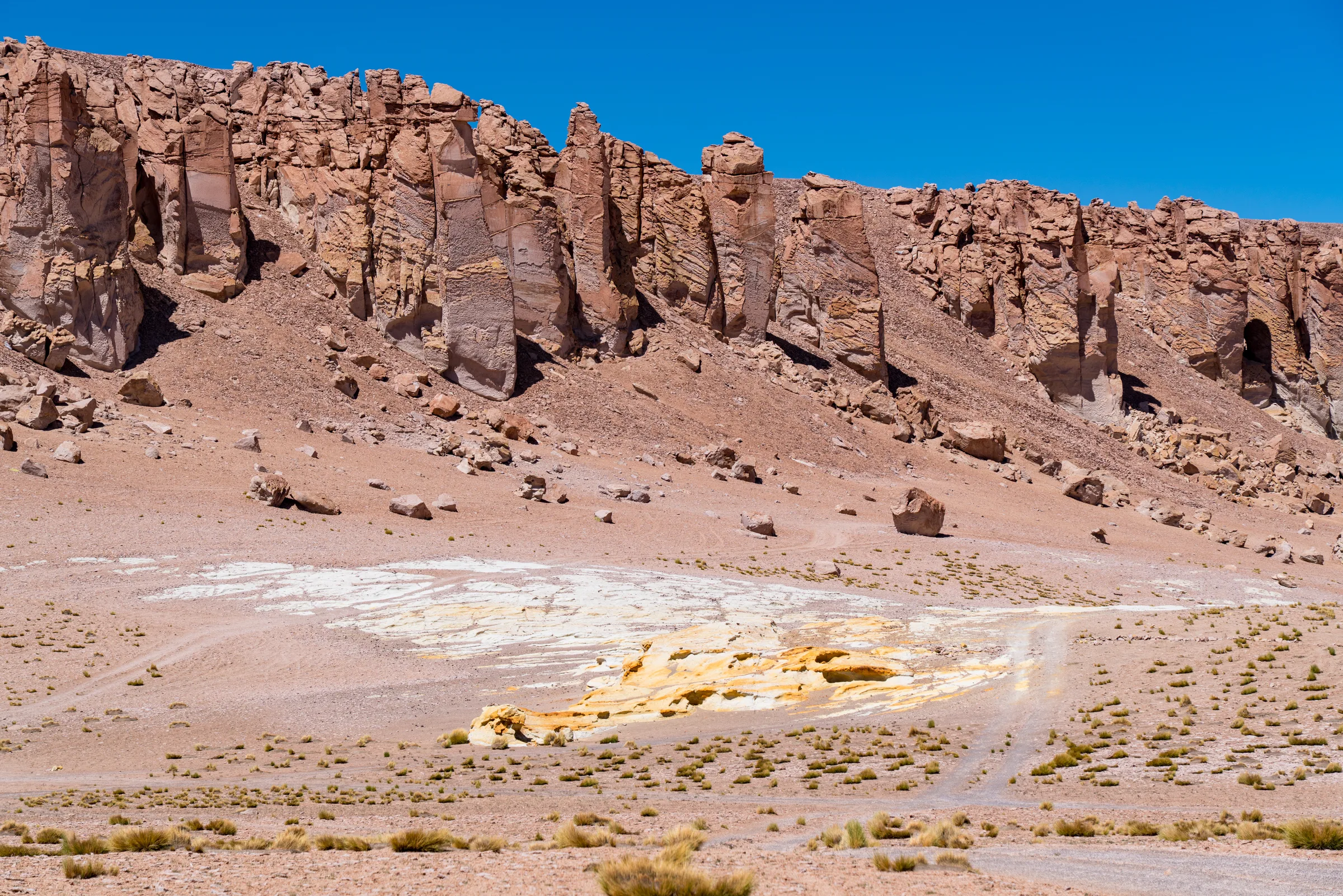
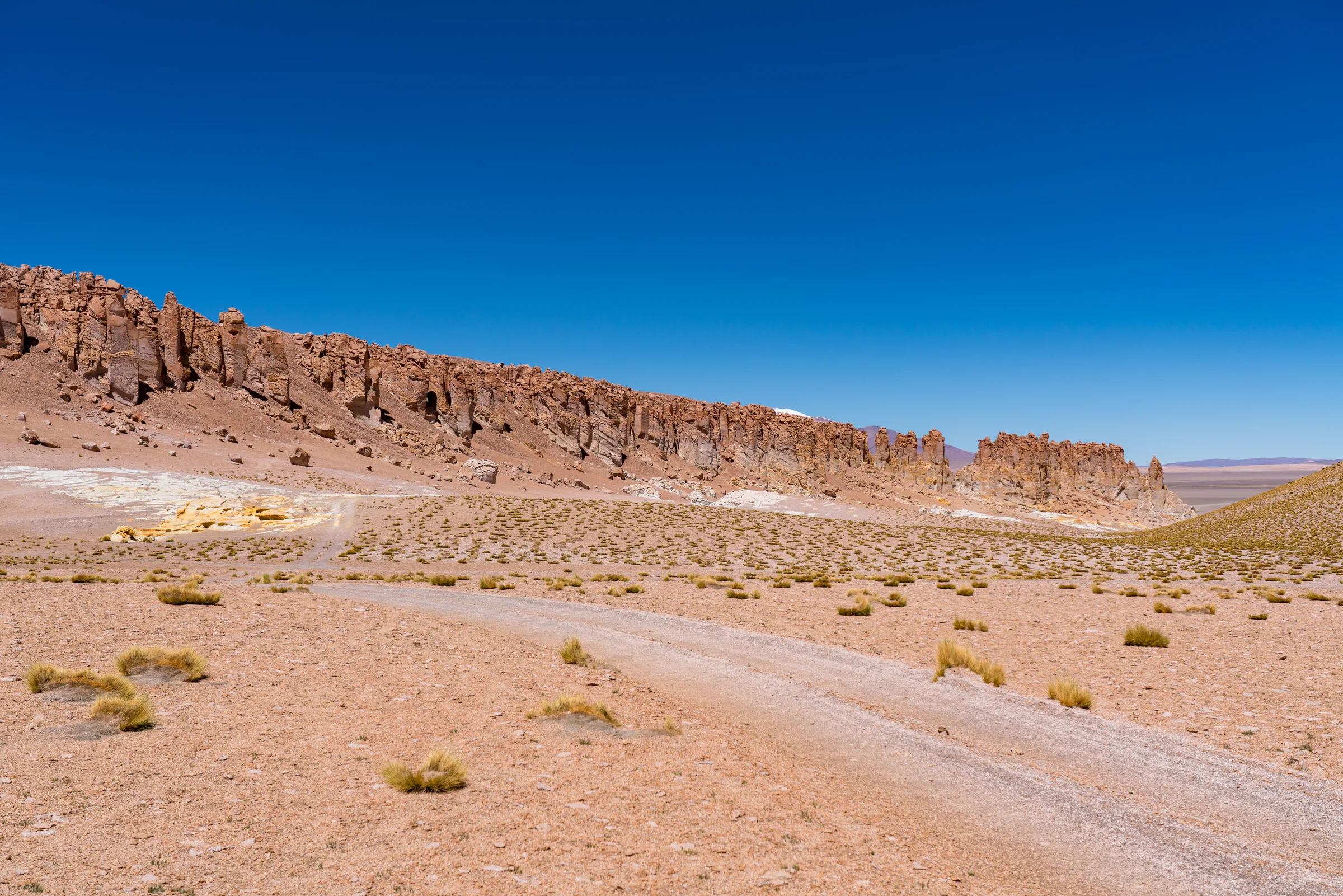
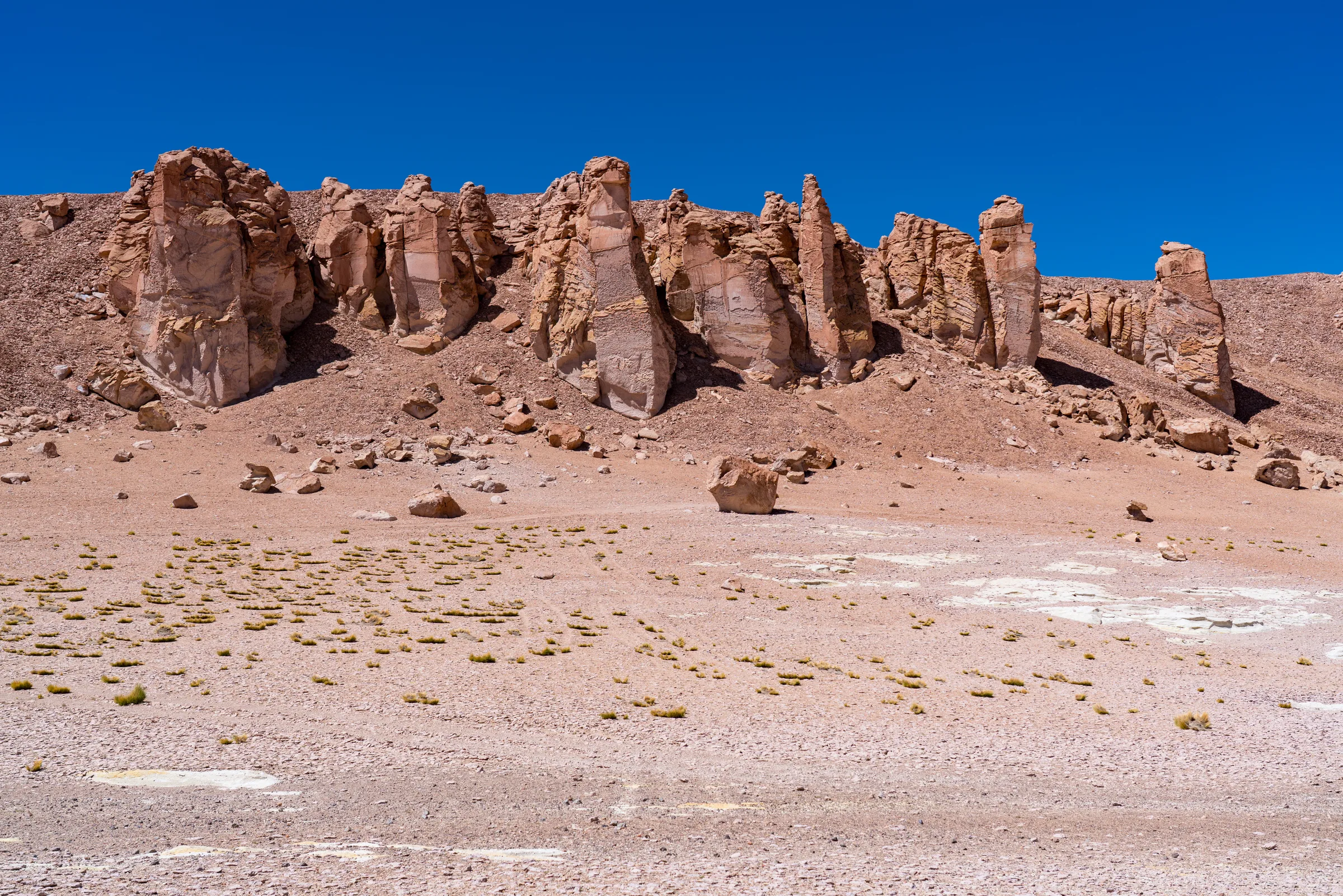
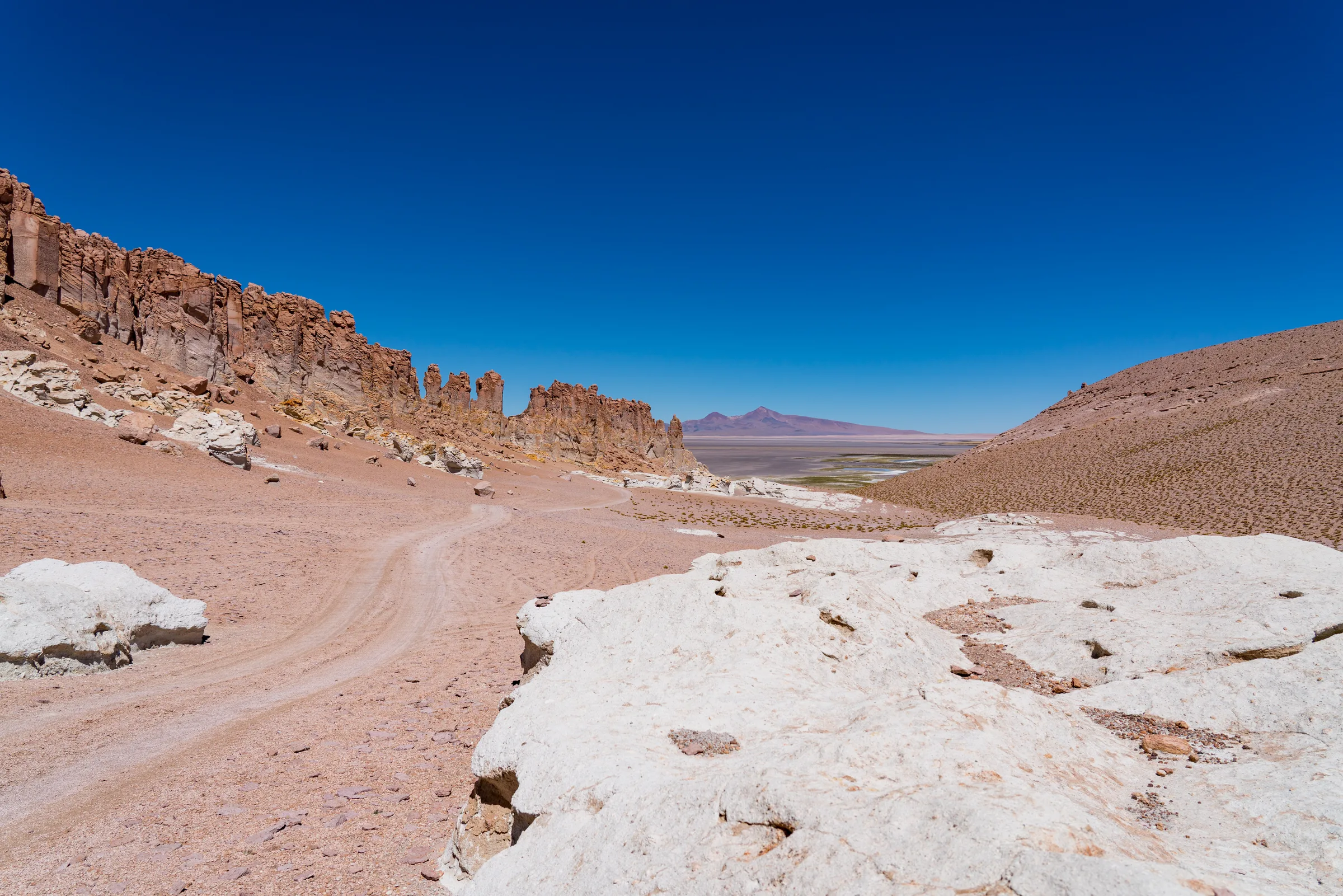
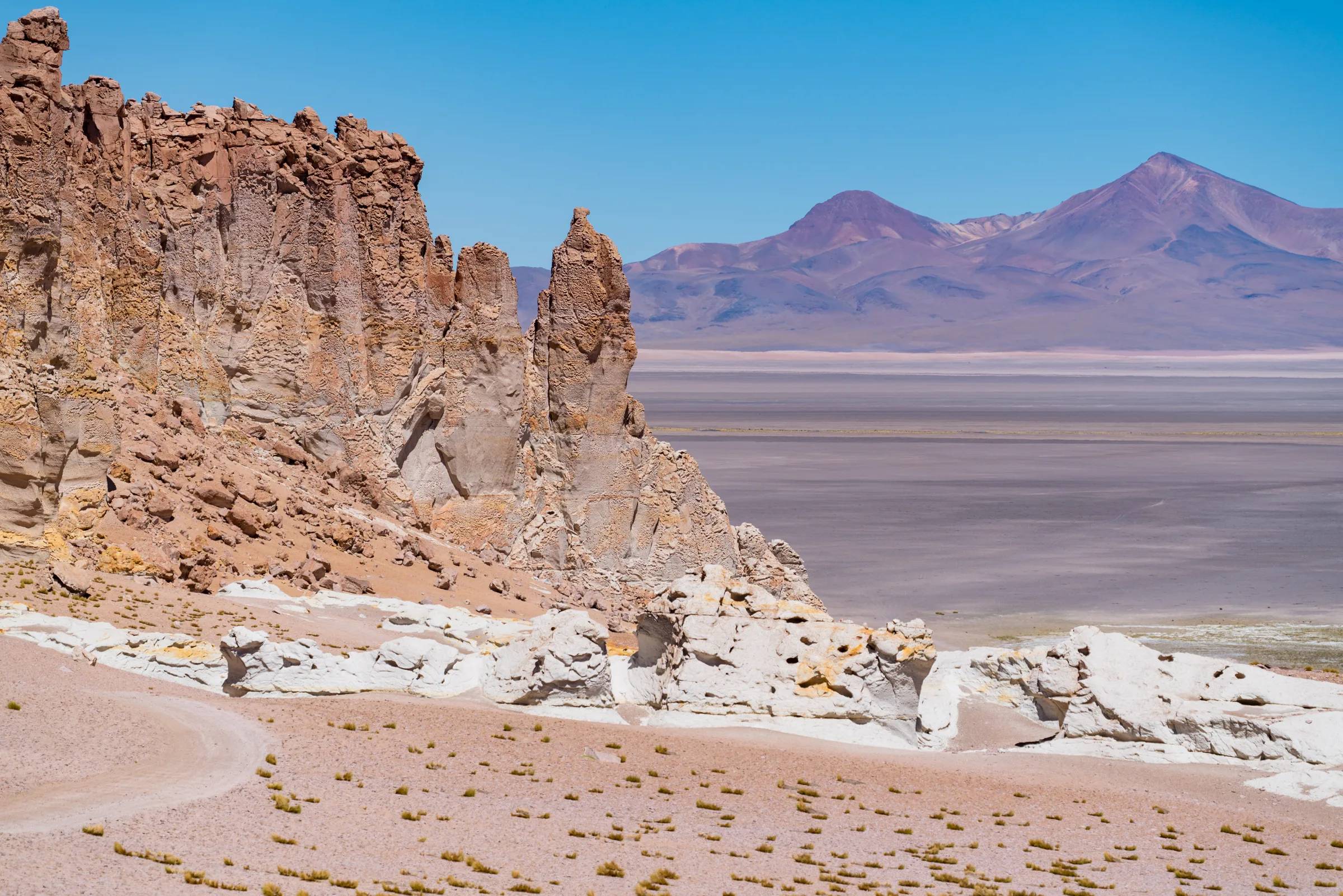
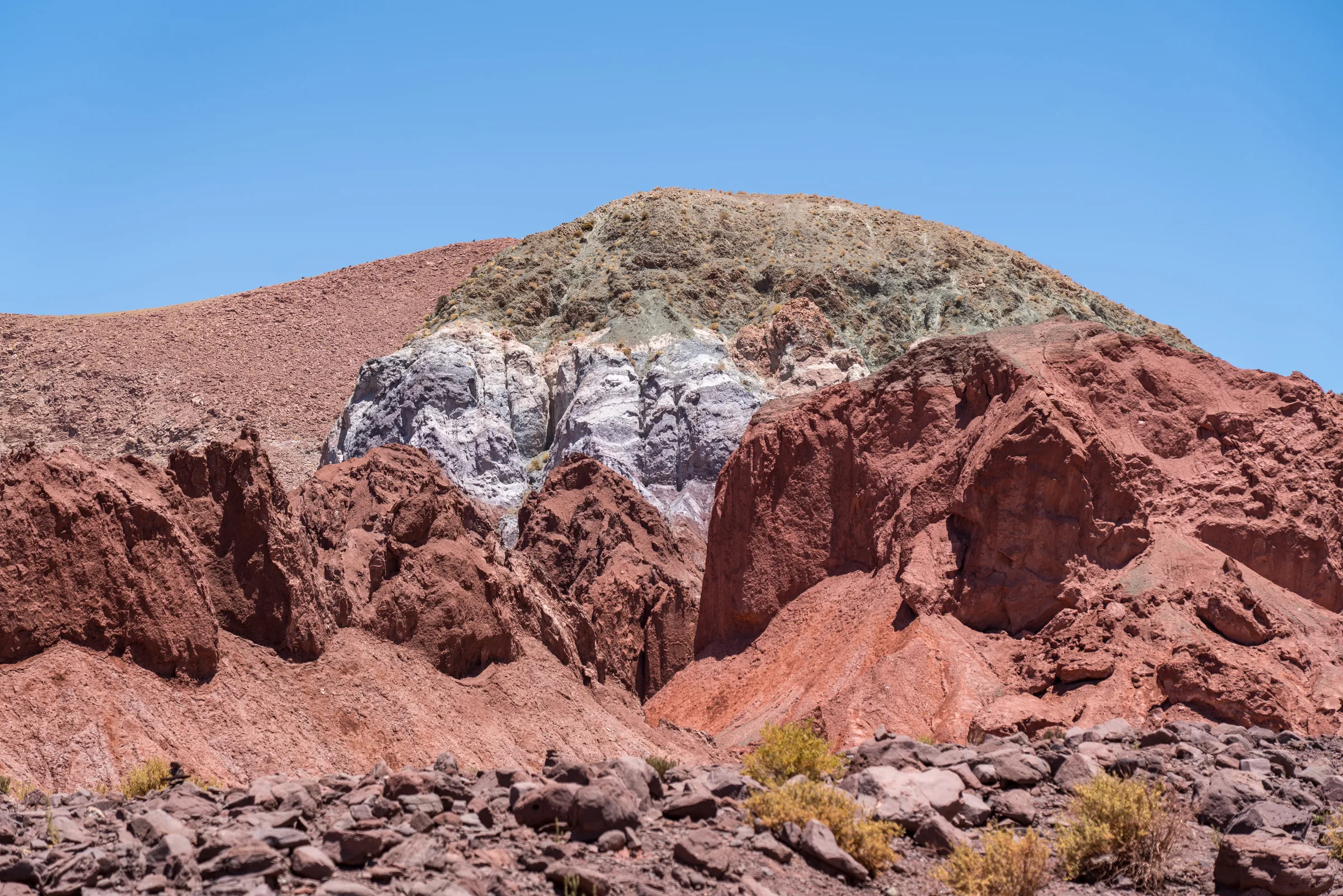
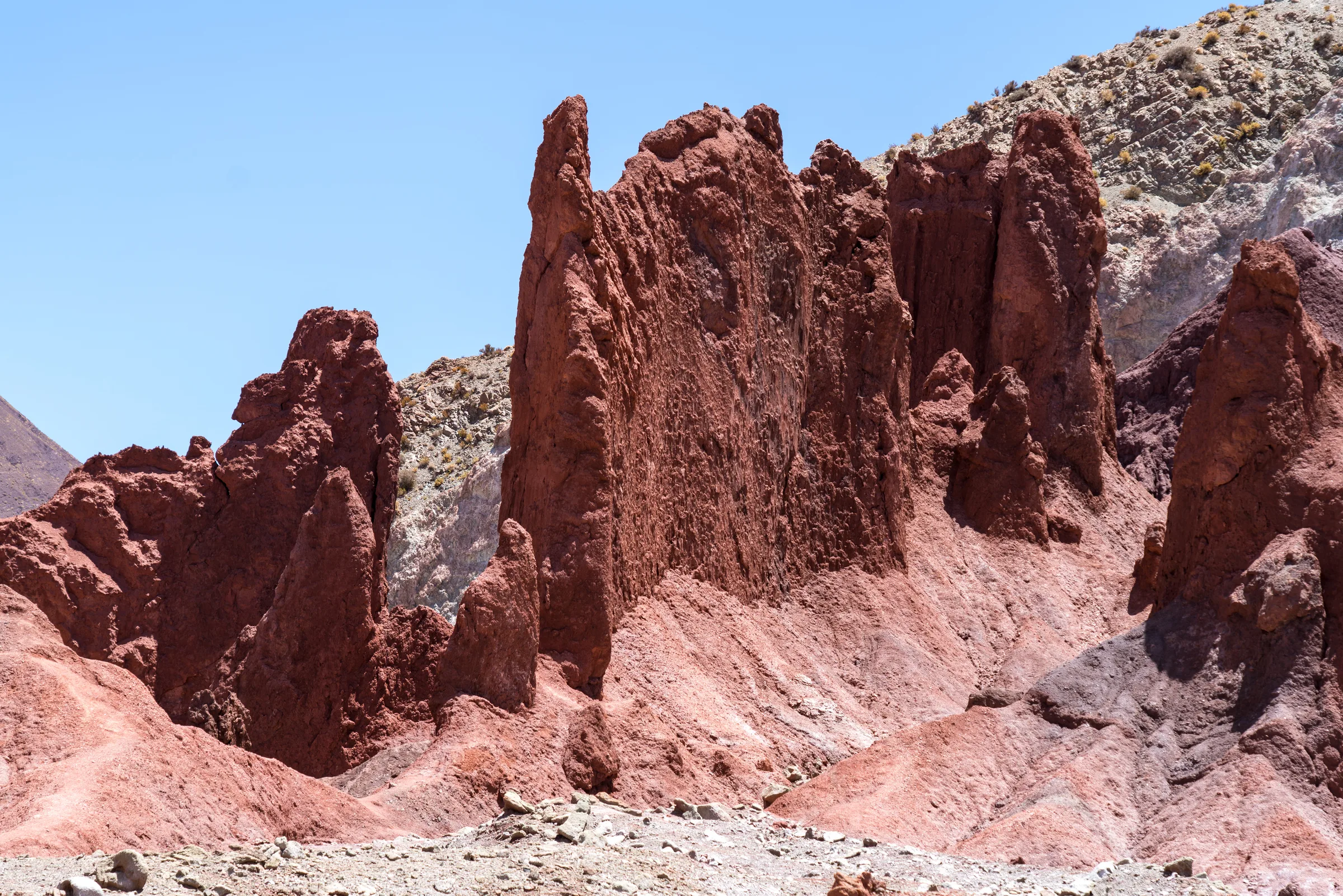
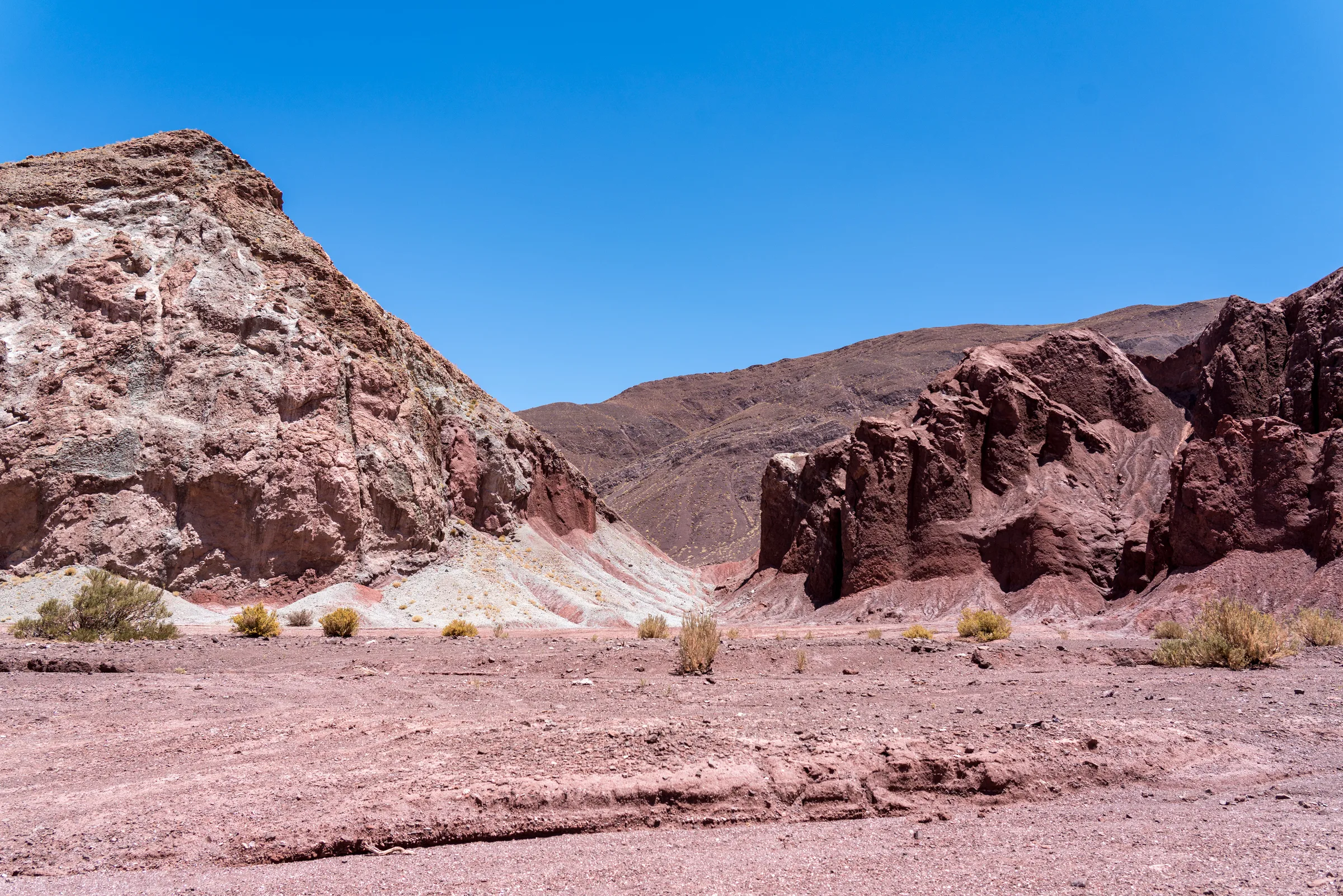
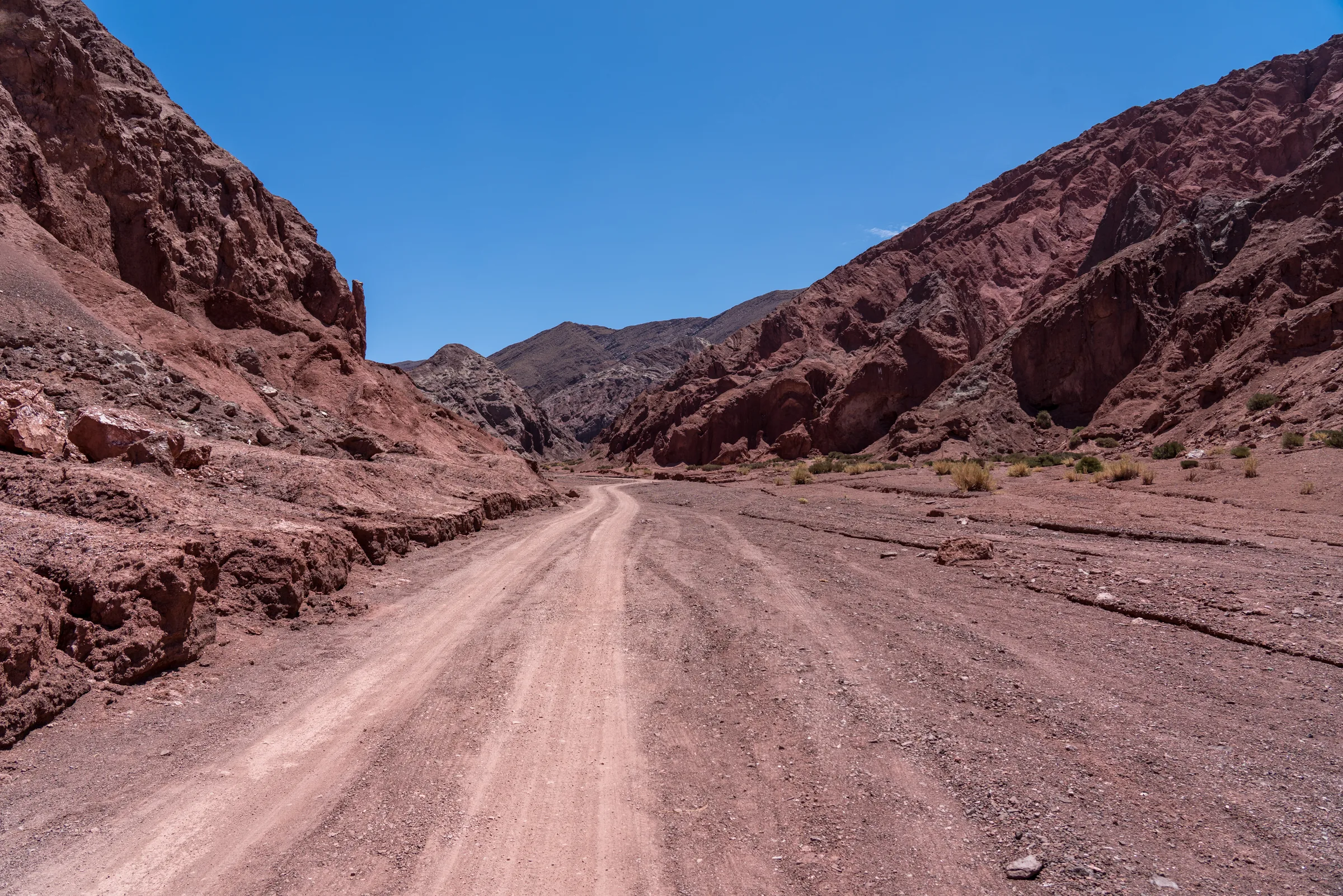
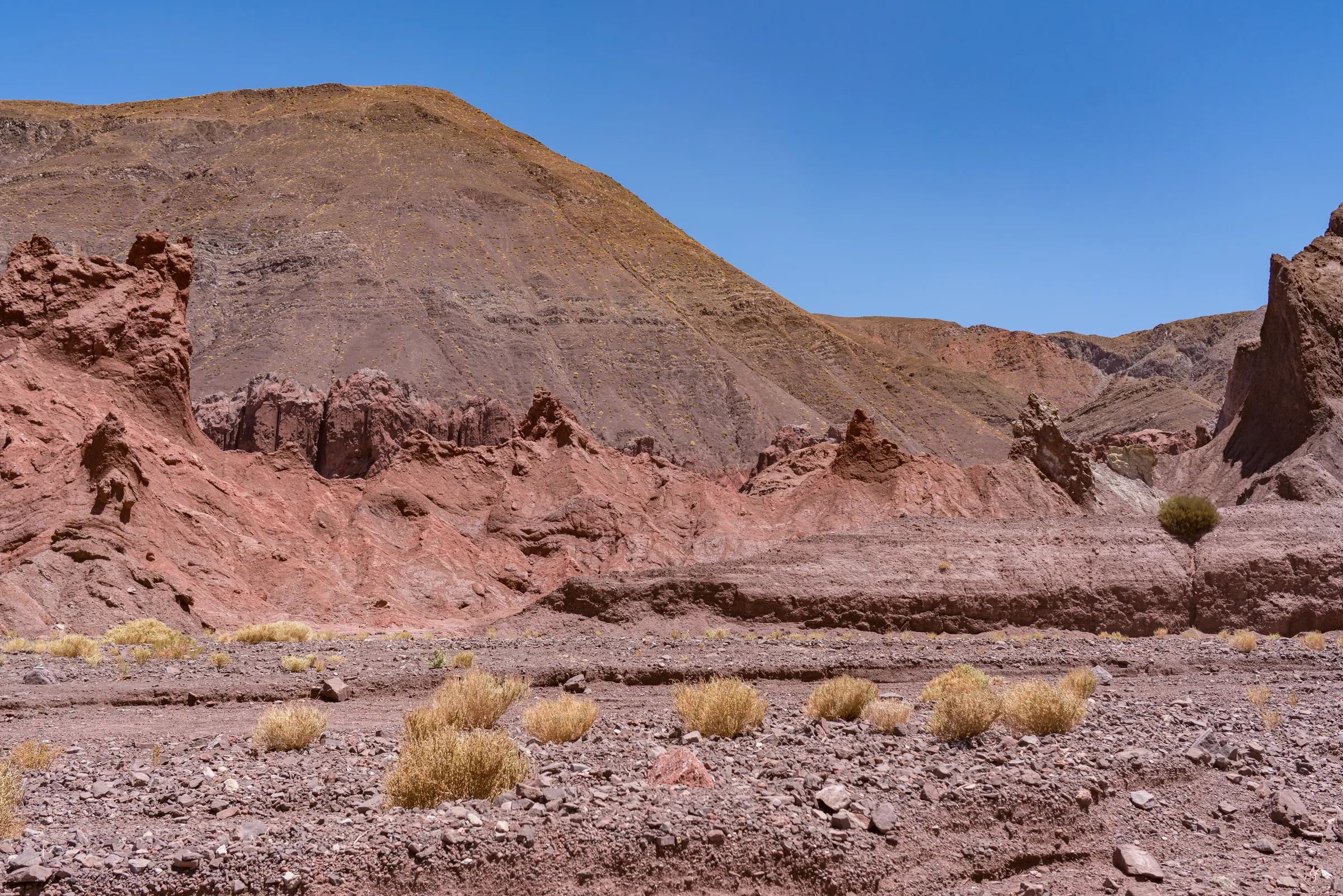
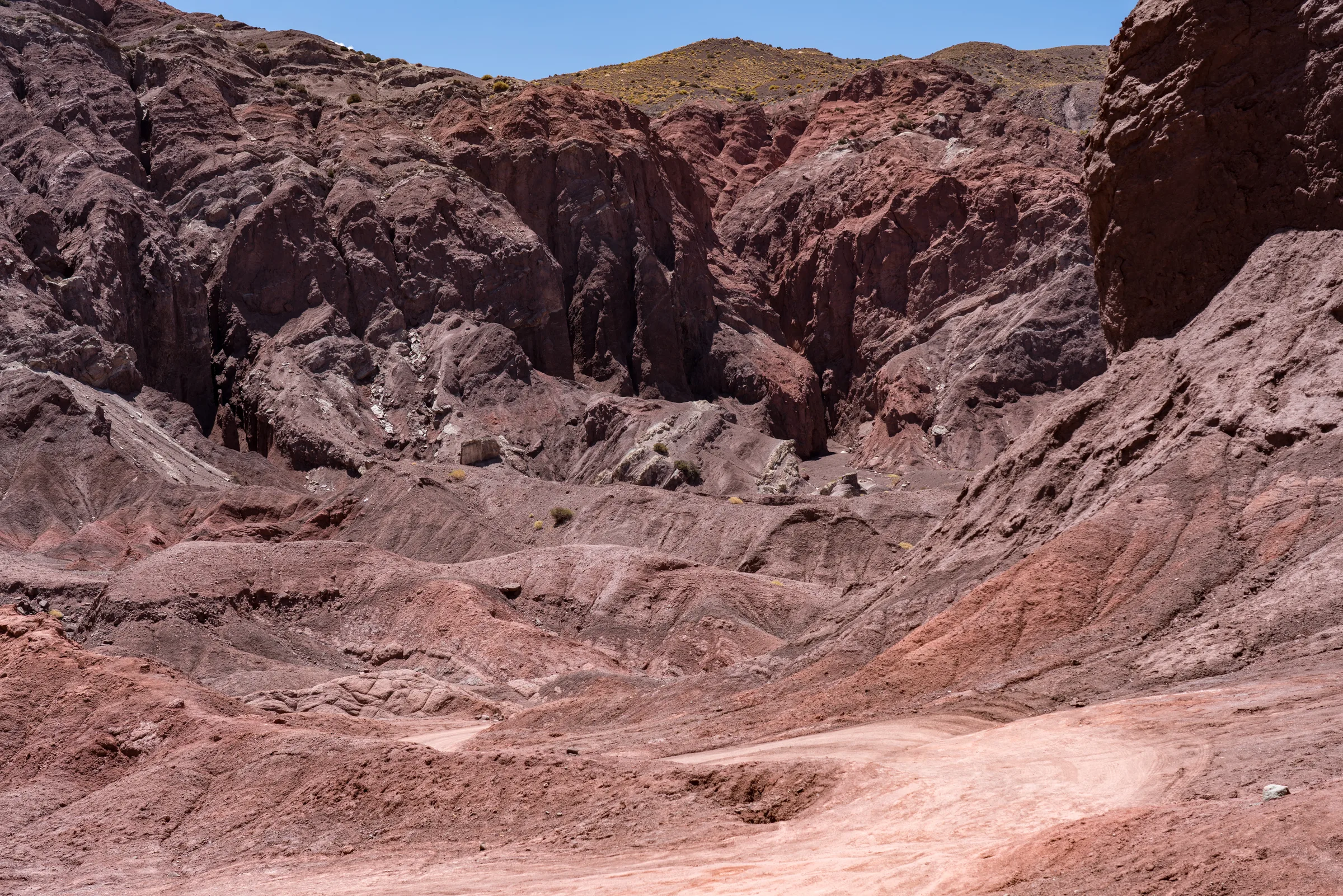
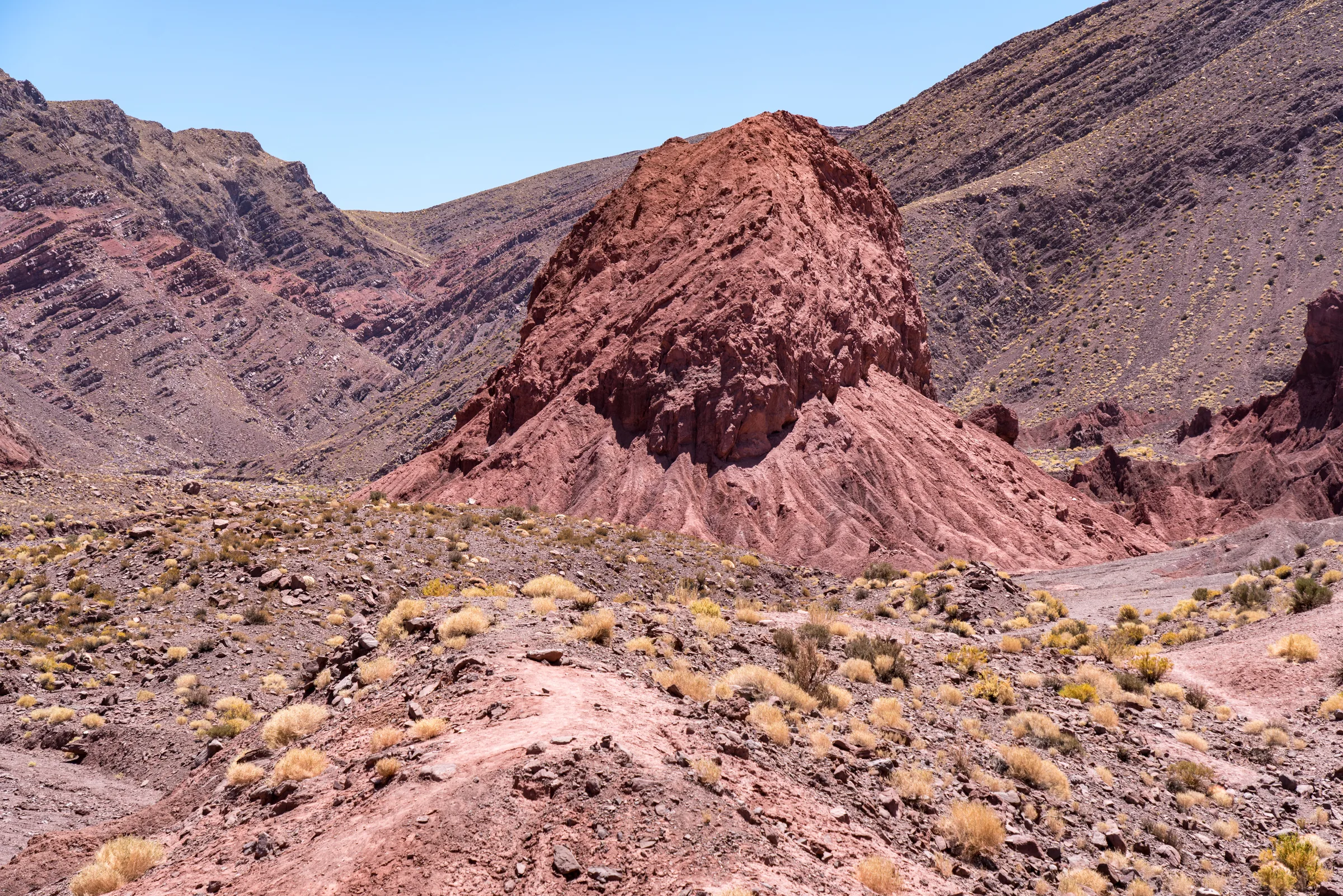
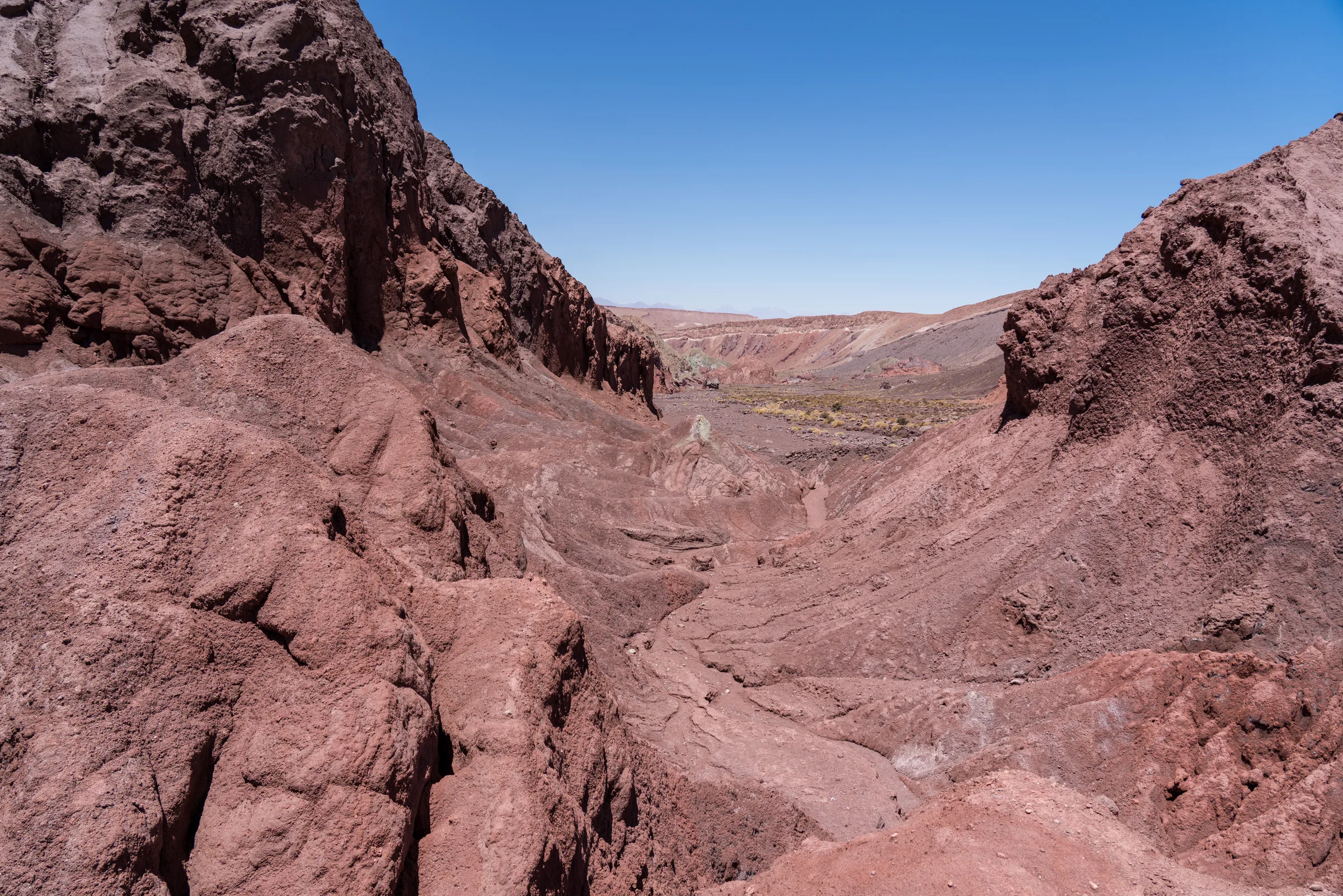
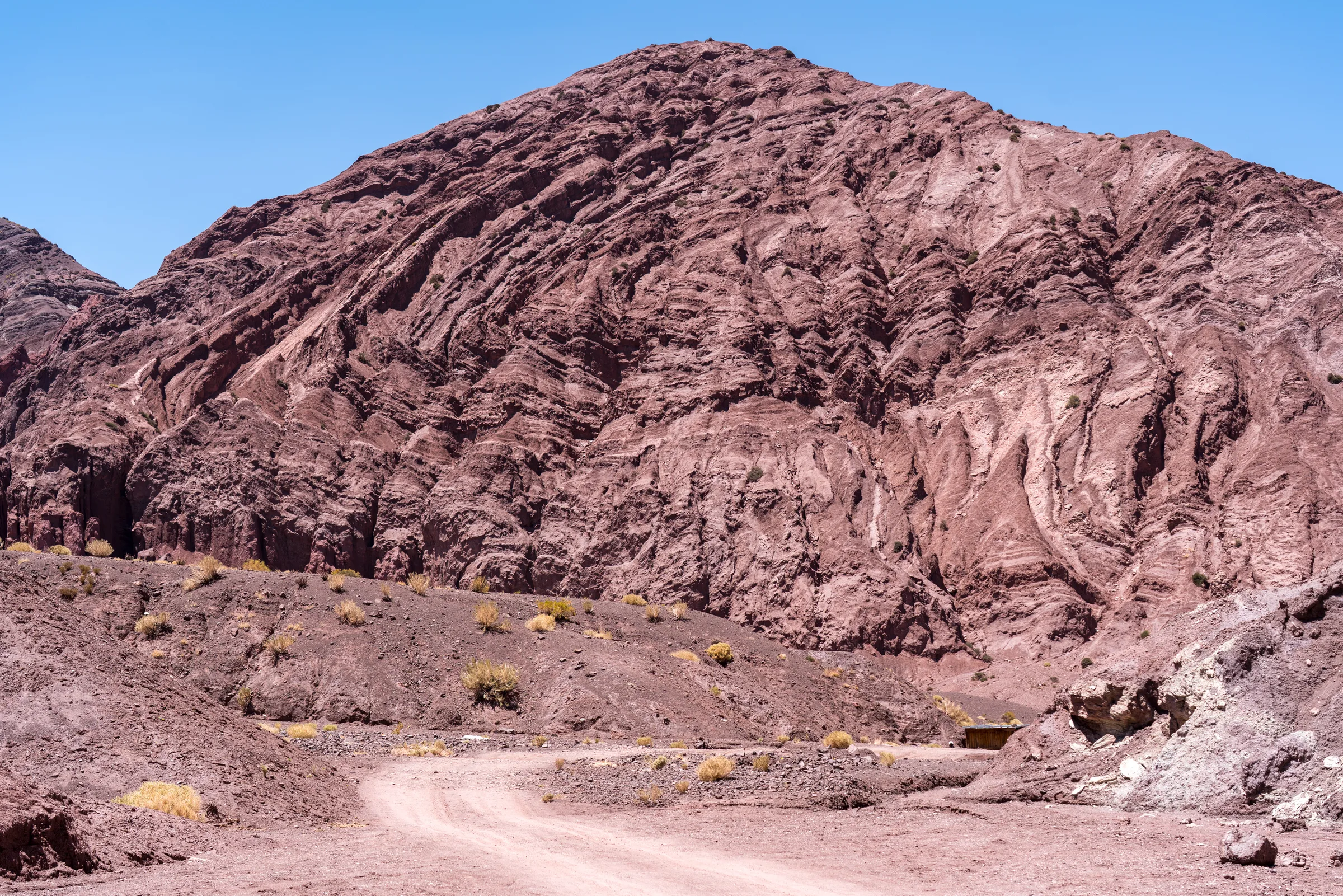
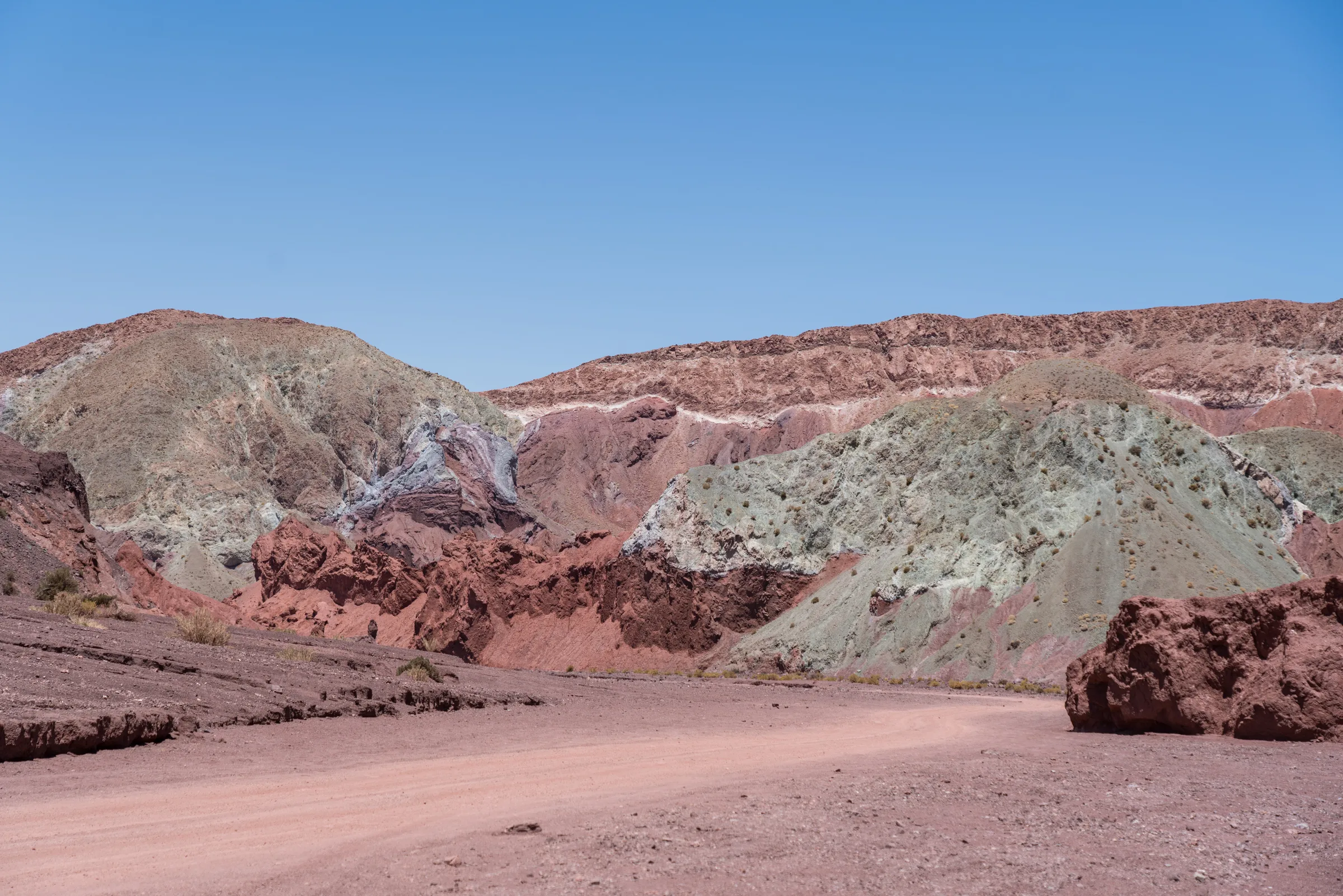
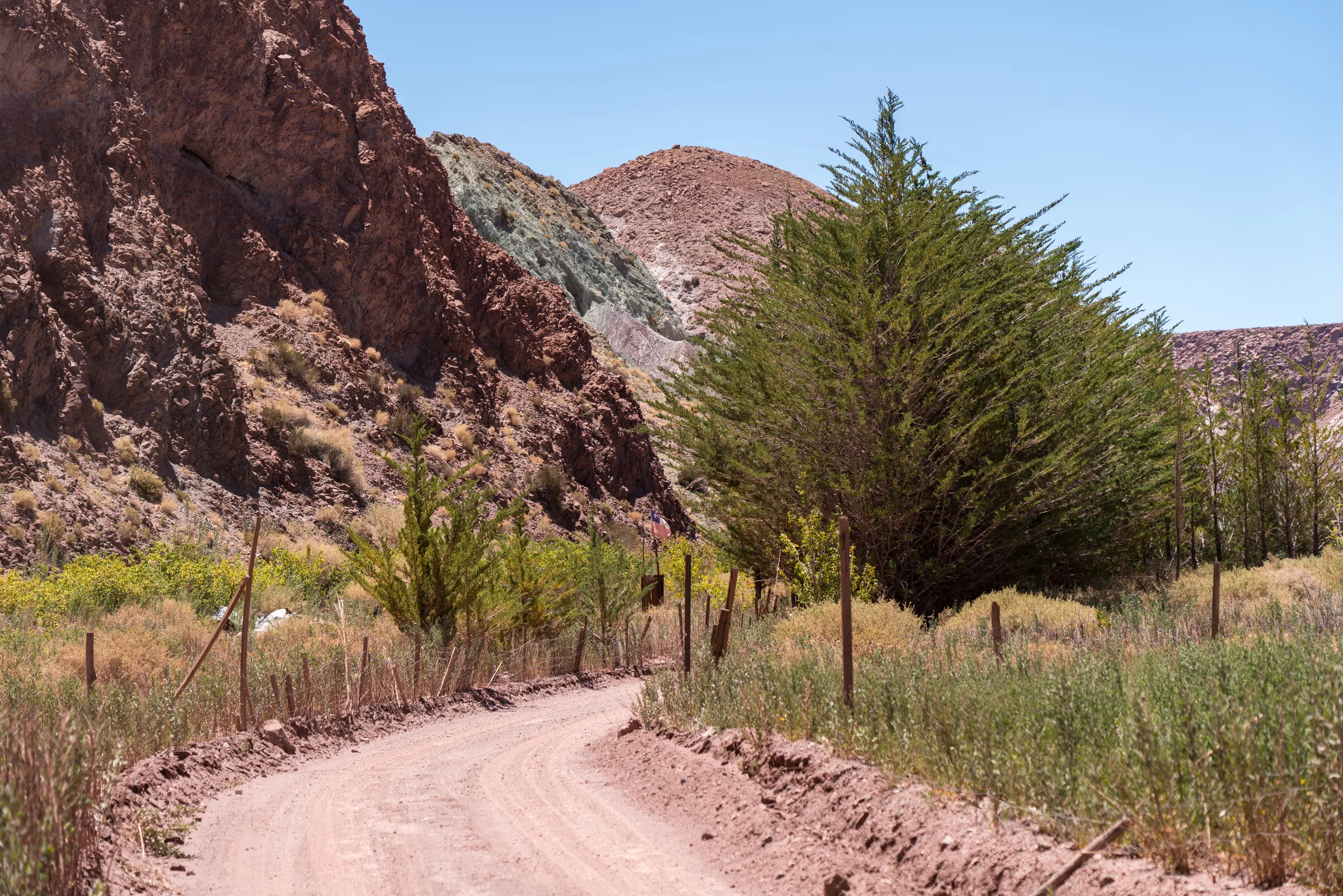
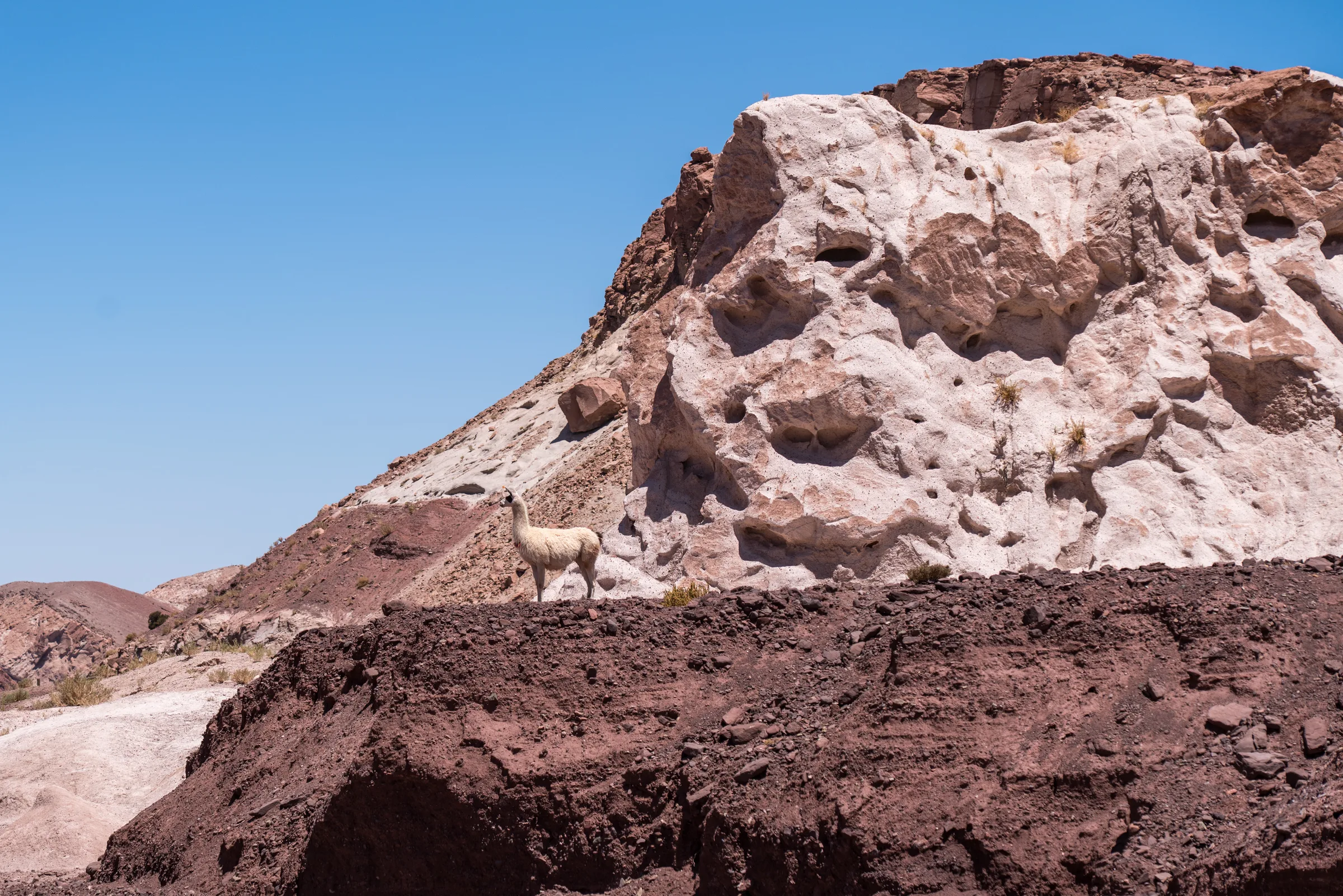
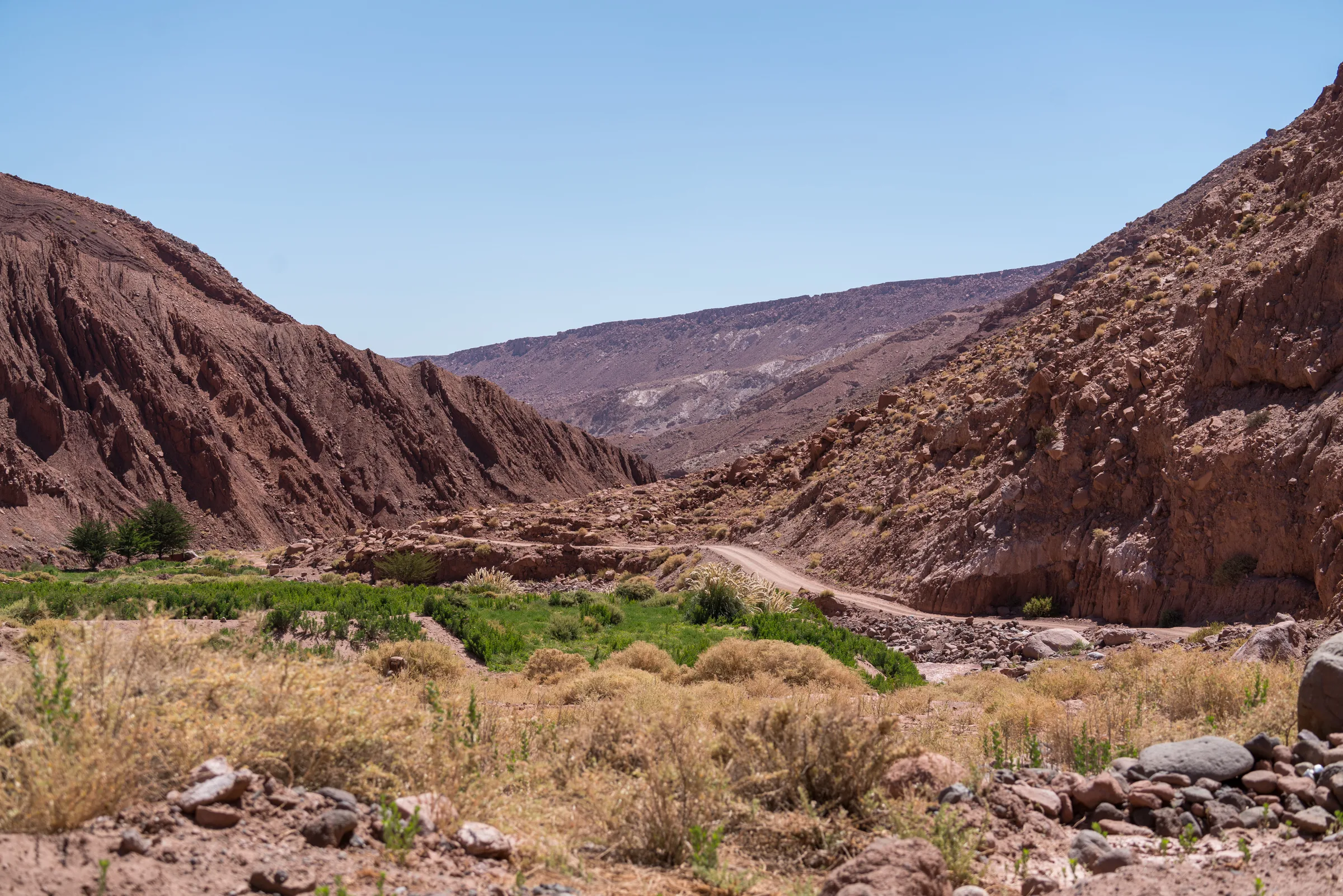
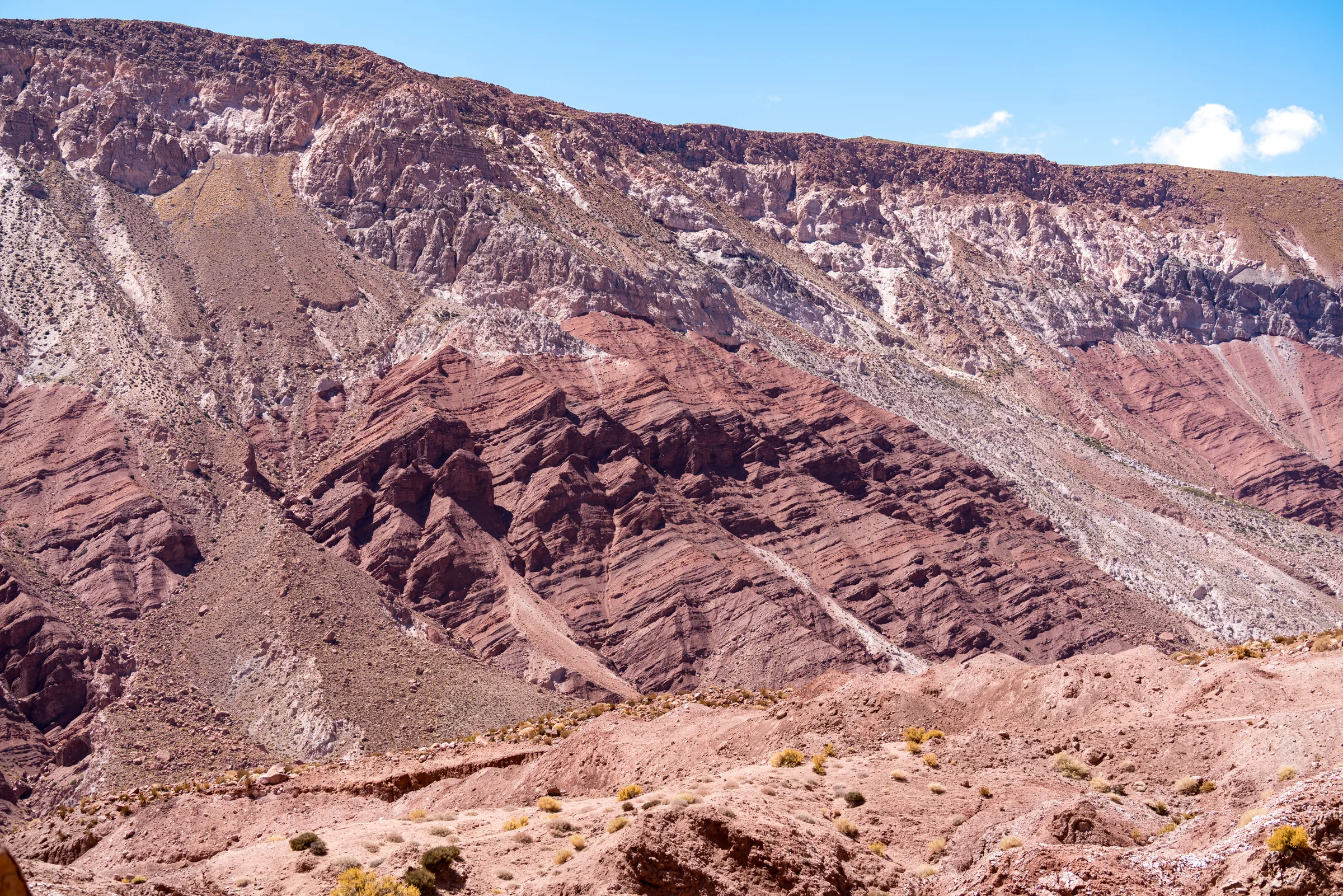
The driest desert on earth — Saltos del Loa, Valle de la Luna, El Tatio geysers at dawn and the altiplano salt lagoons. San Pedro de Atacama as the base for trips into the emptiness.
A desert where it does not rain
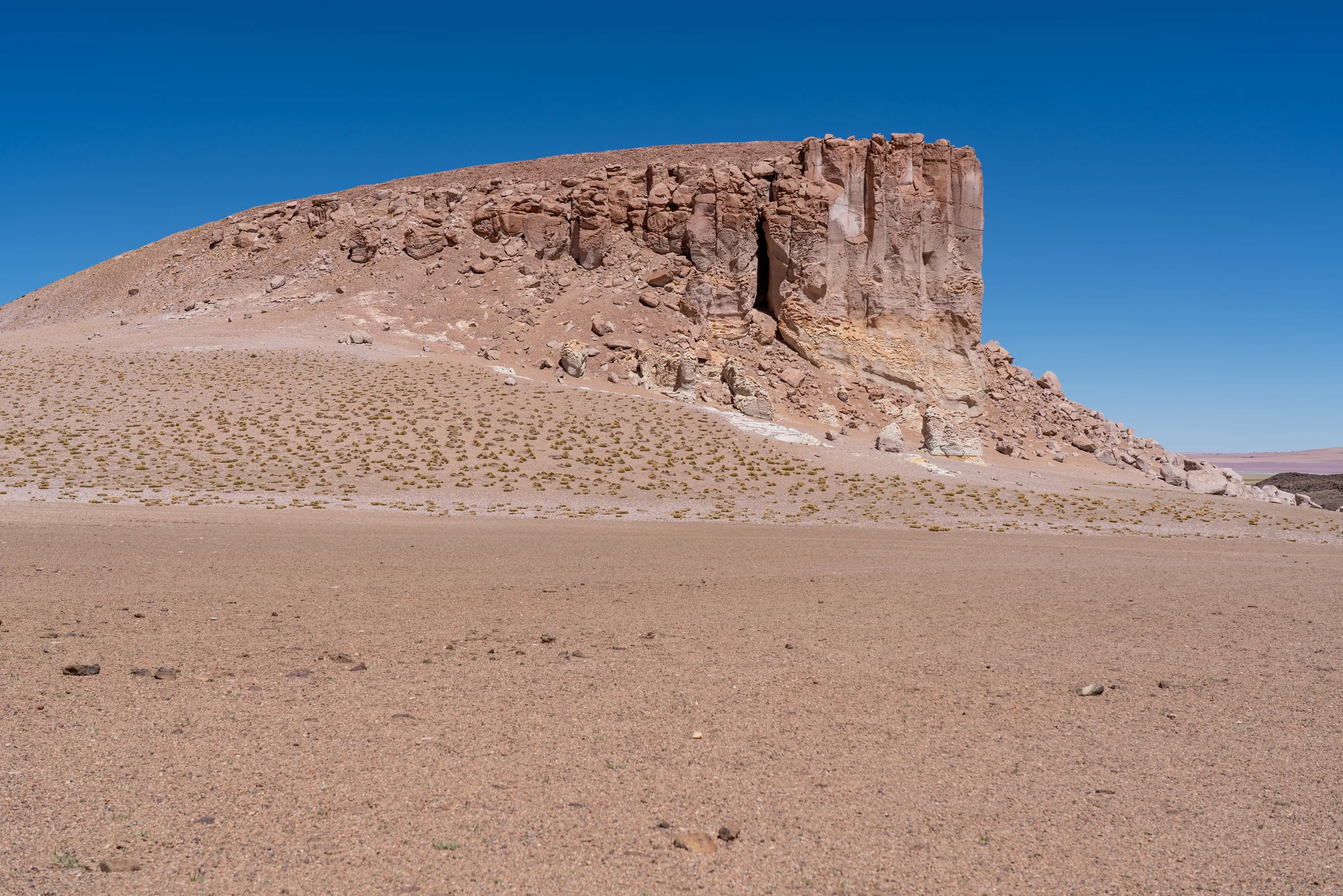
Atacama is the driest place on earth. In its driest pockets — the Yungay valley, the area around Mejillones — weather stations have not recorded a single measurable raindrop in decades. Annual rainfall in the desert core stays below 1 mm. That is why NASA has tested Mars rovers here before sending them to the actual planet, and why the European Southern Observatory runs its sites here at La Silla, Paranal and Chajnantor; the ELT, the world’s largest telescope, is also under construction near Paranal. Pristine skies and dry mineralogy are side effects of the drought.
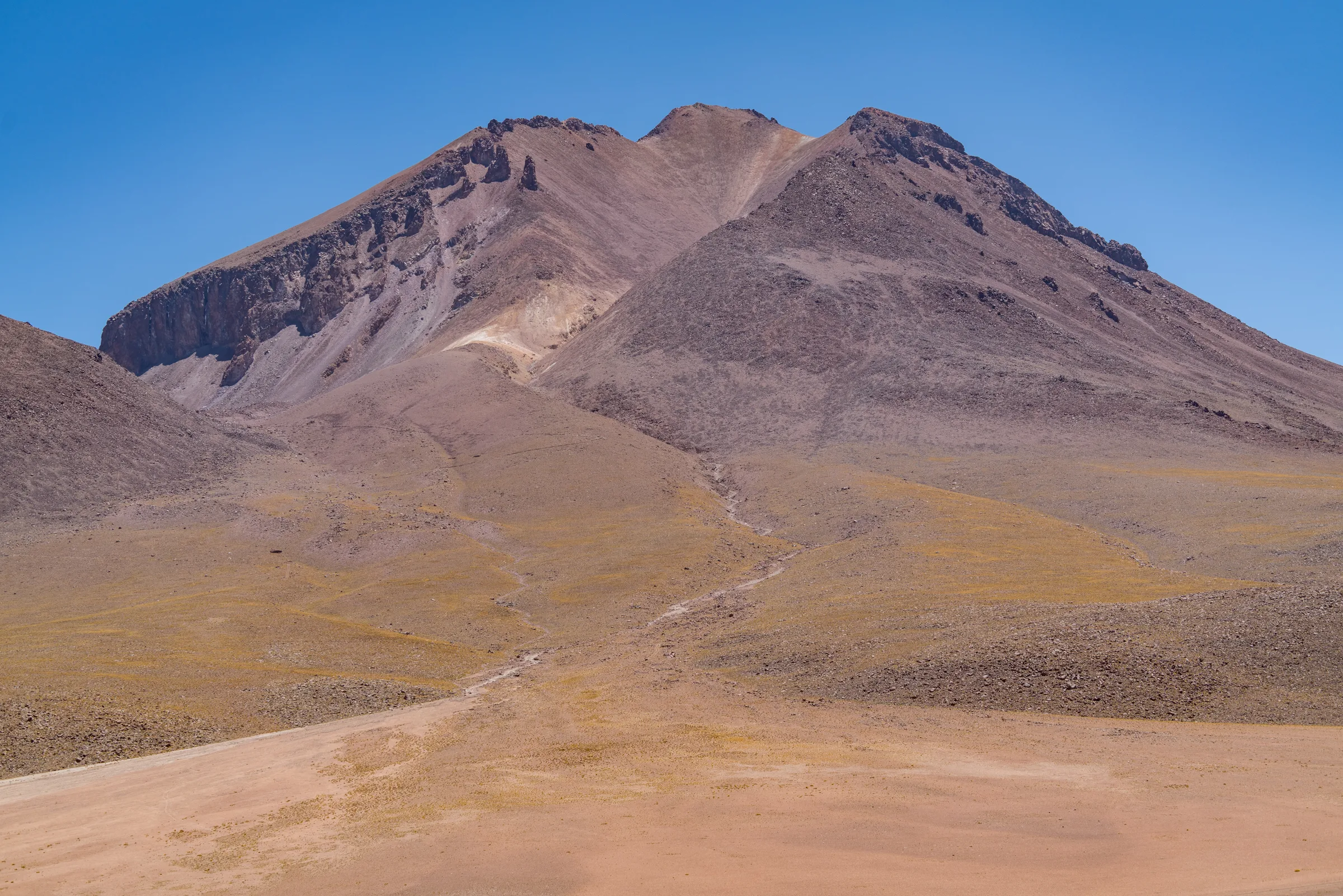
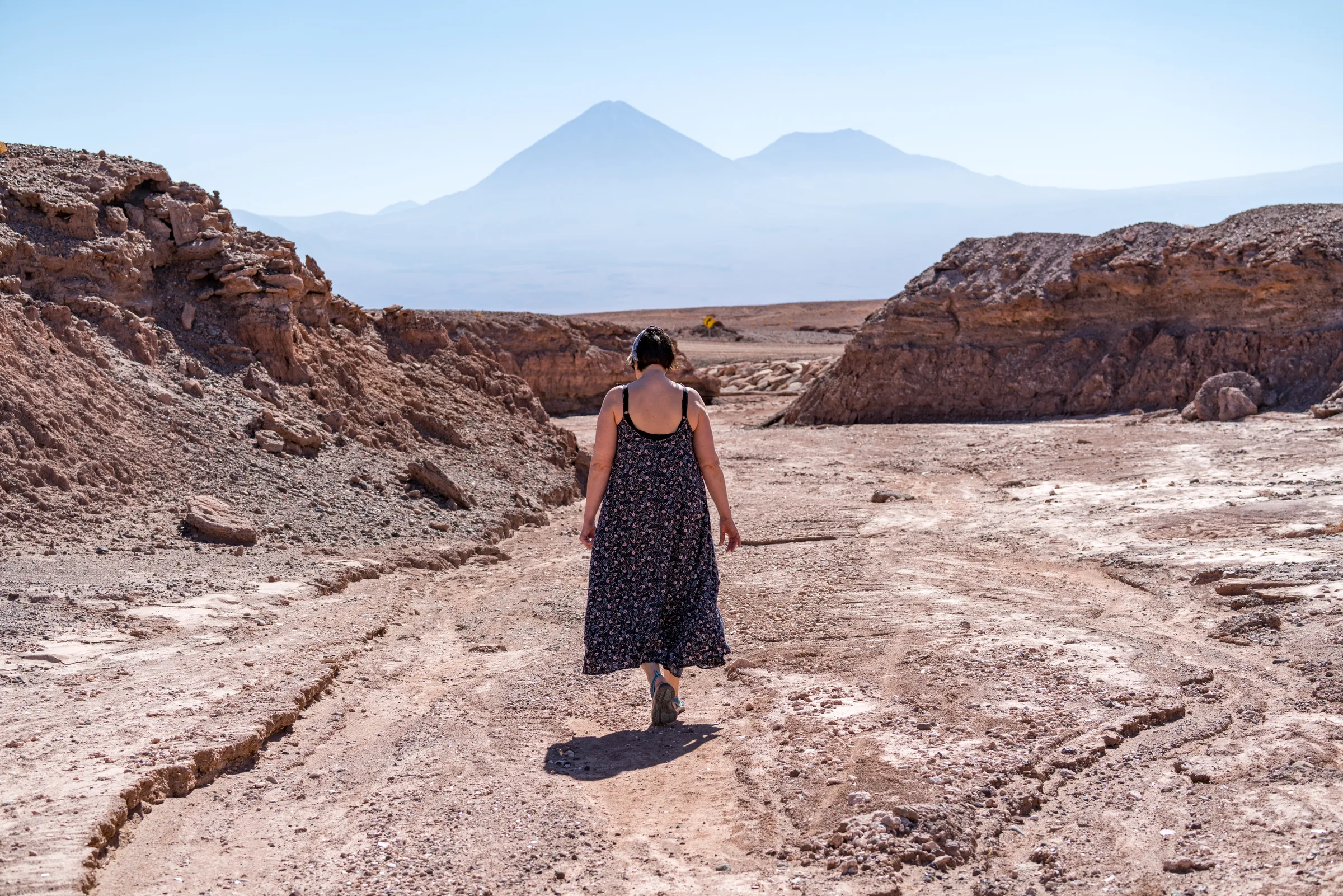
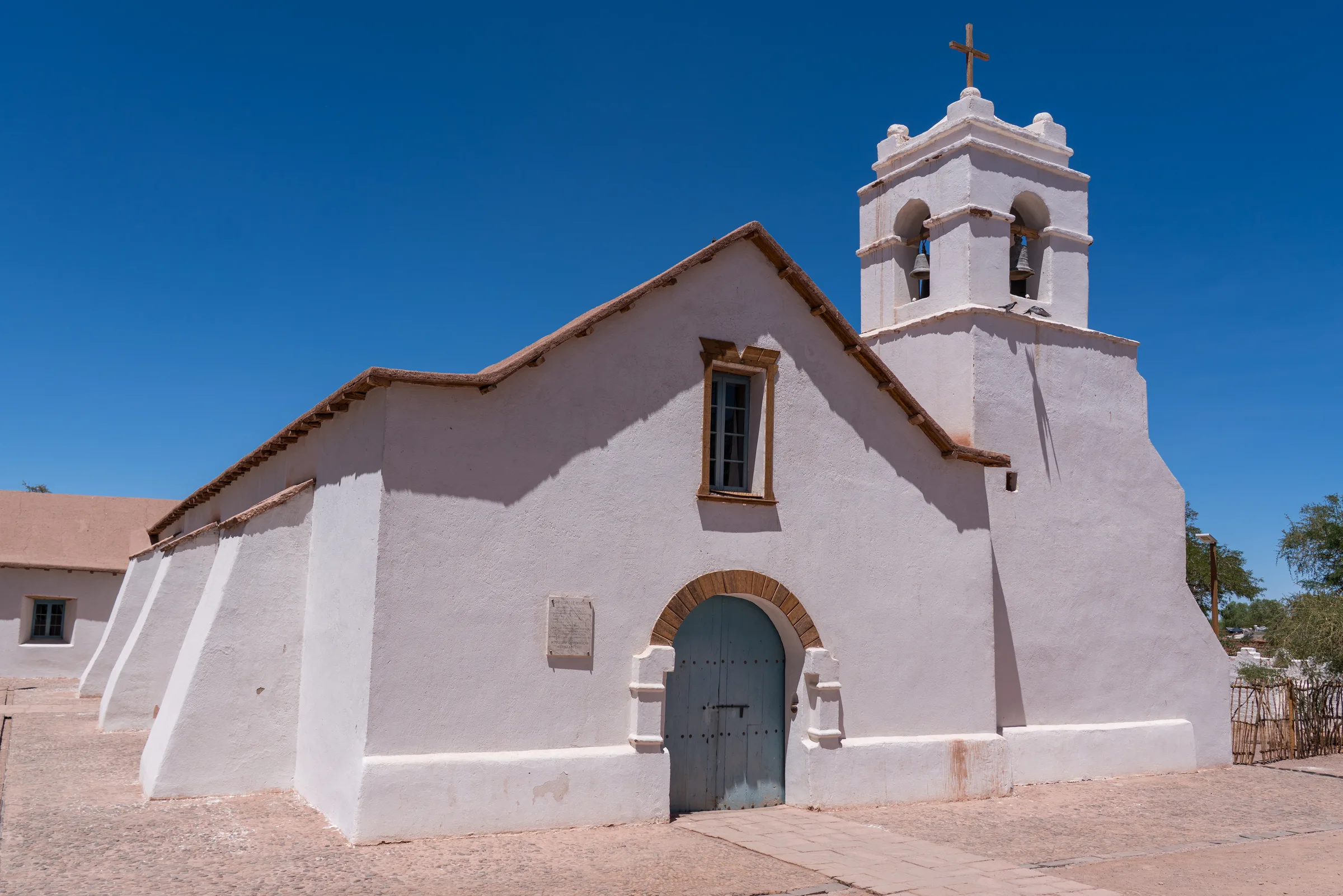
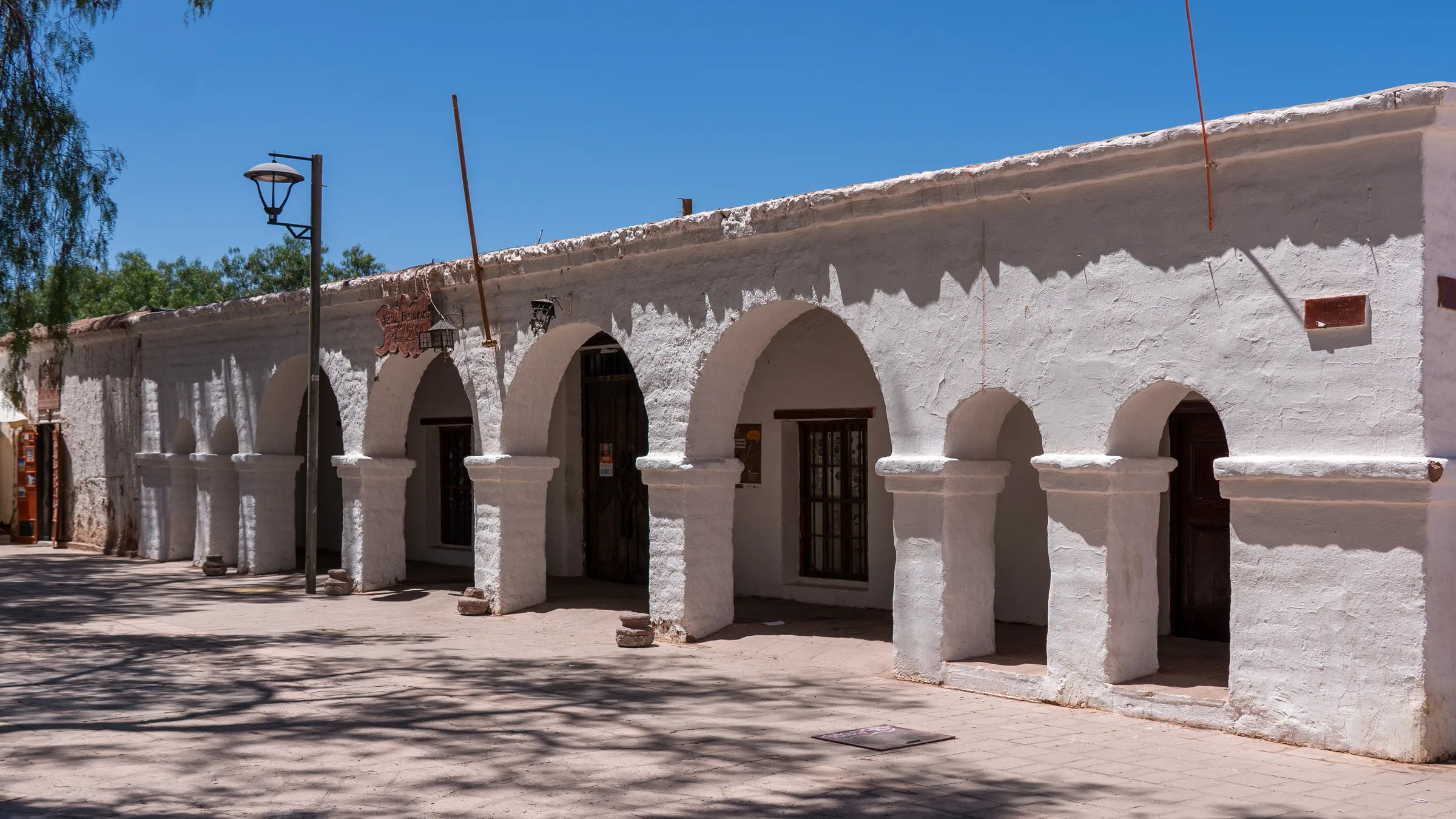
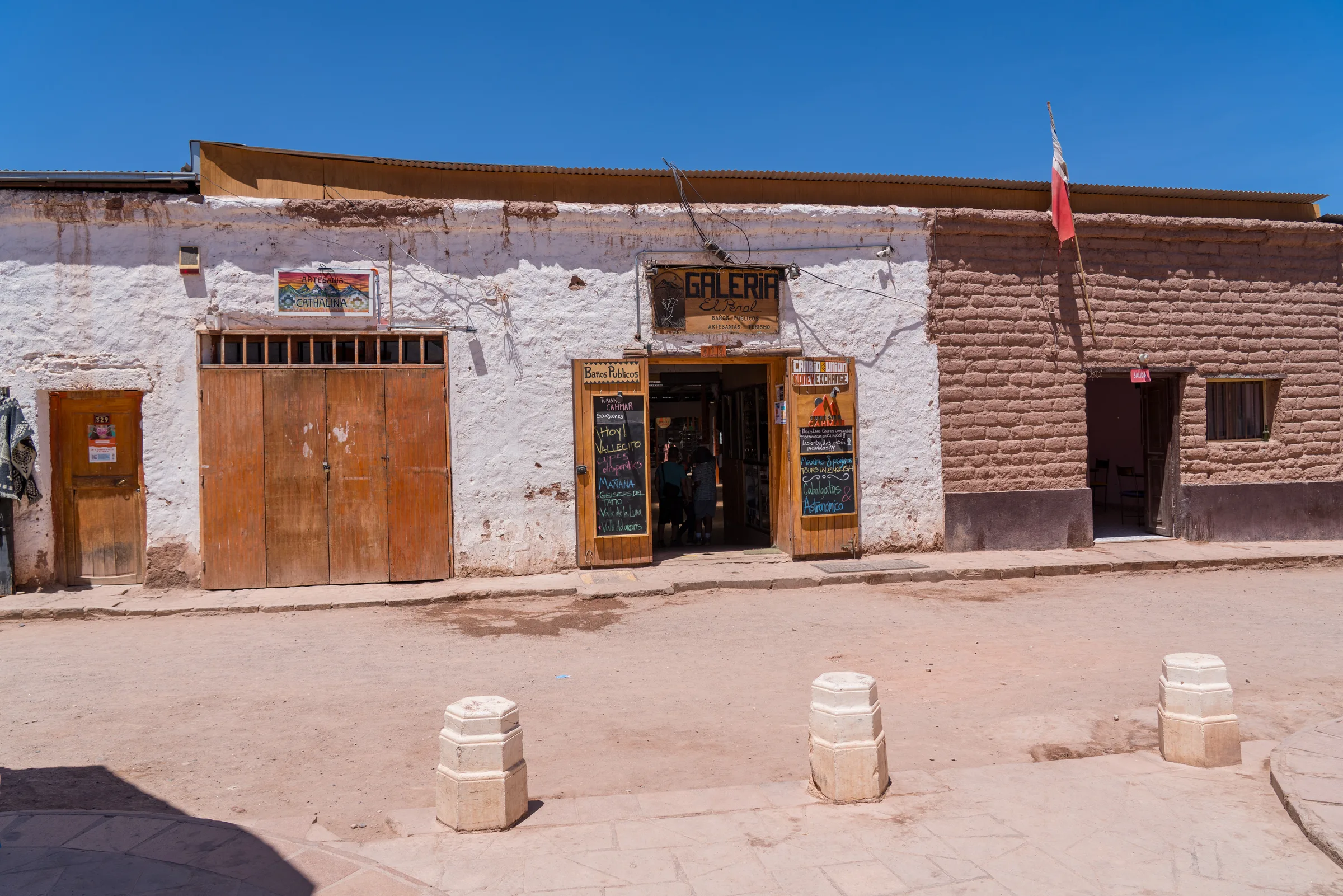
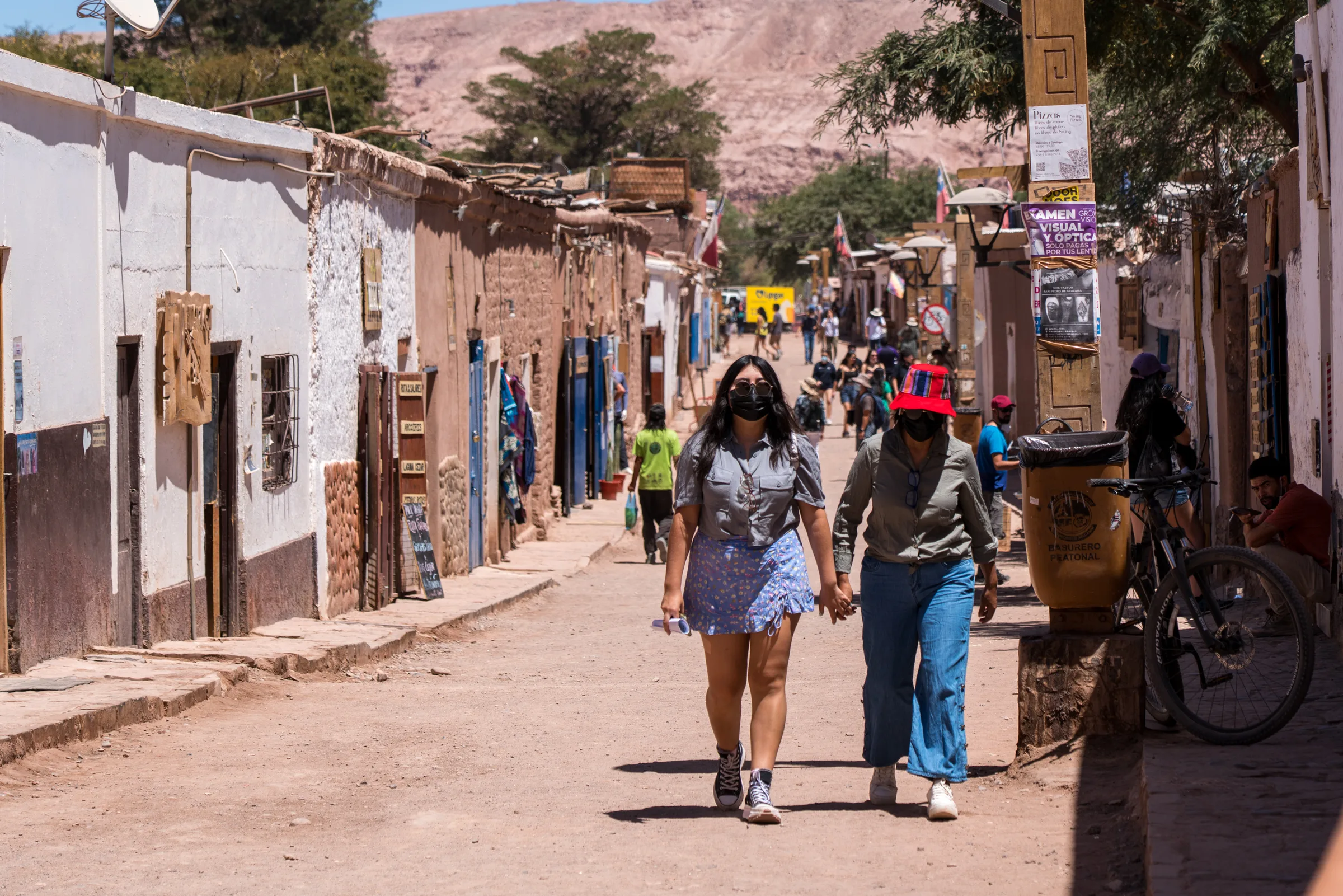
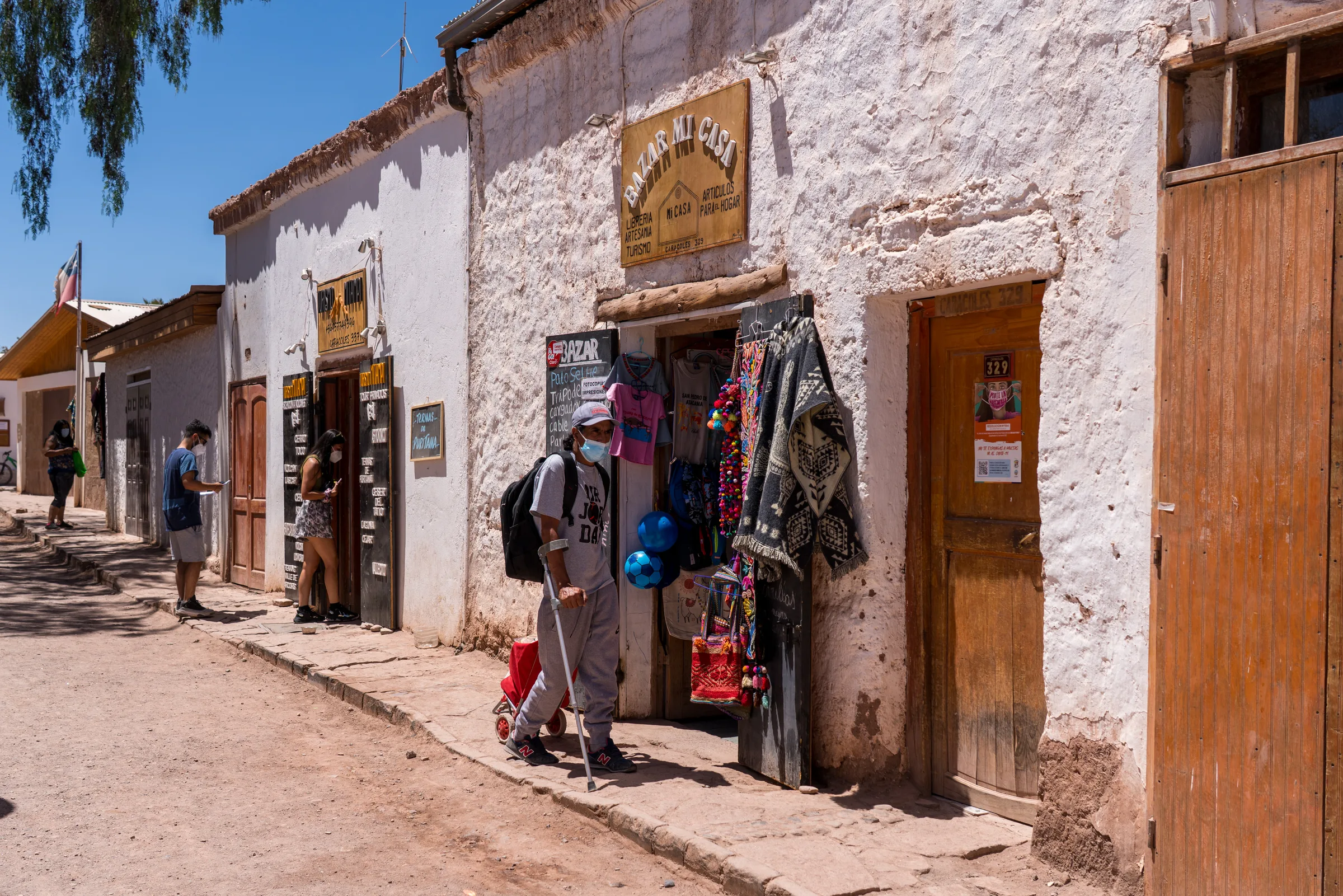
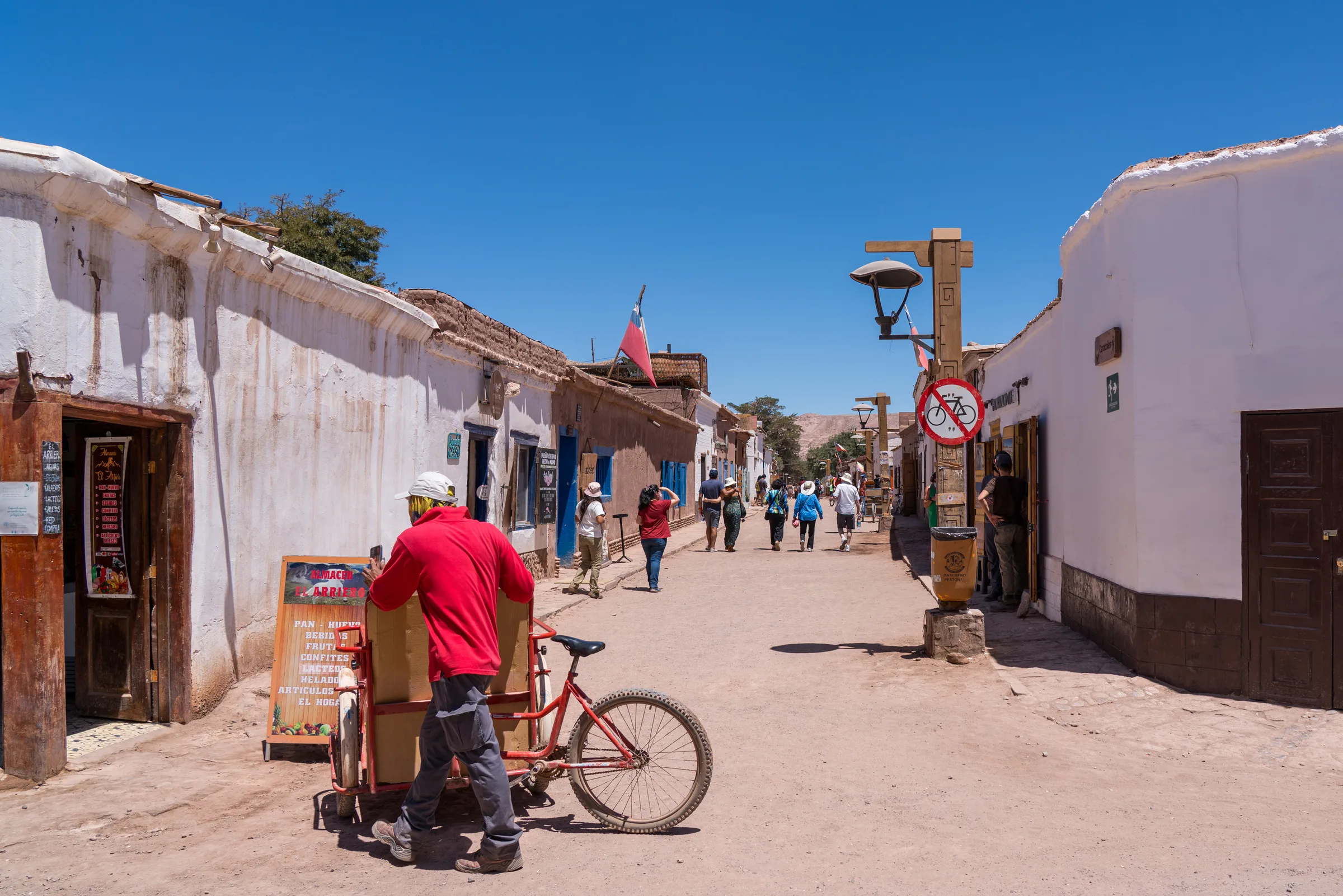
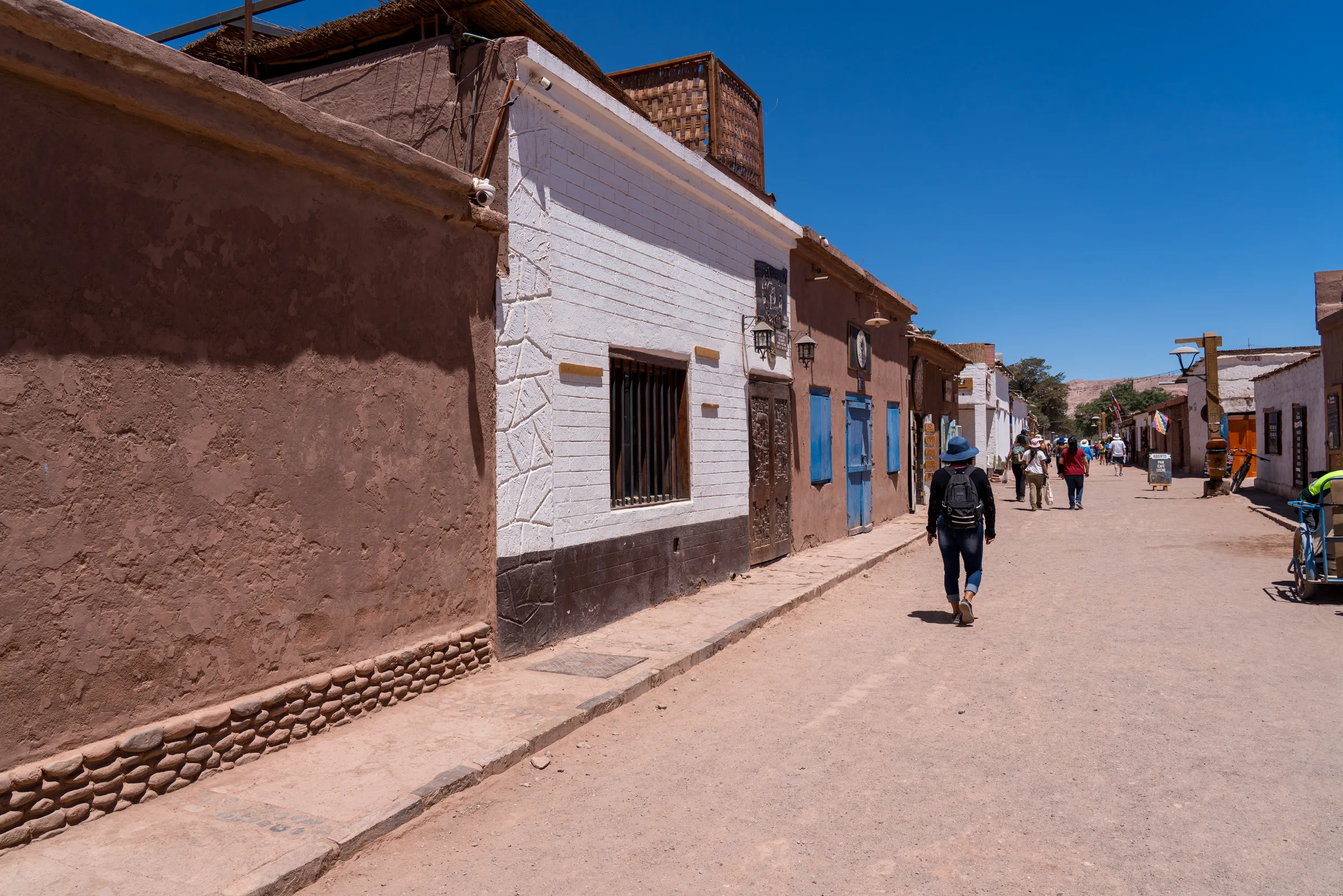
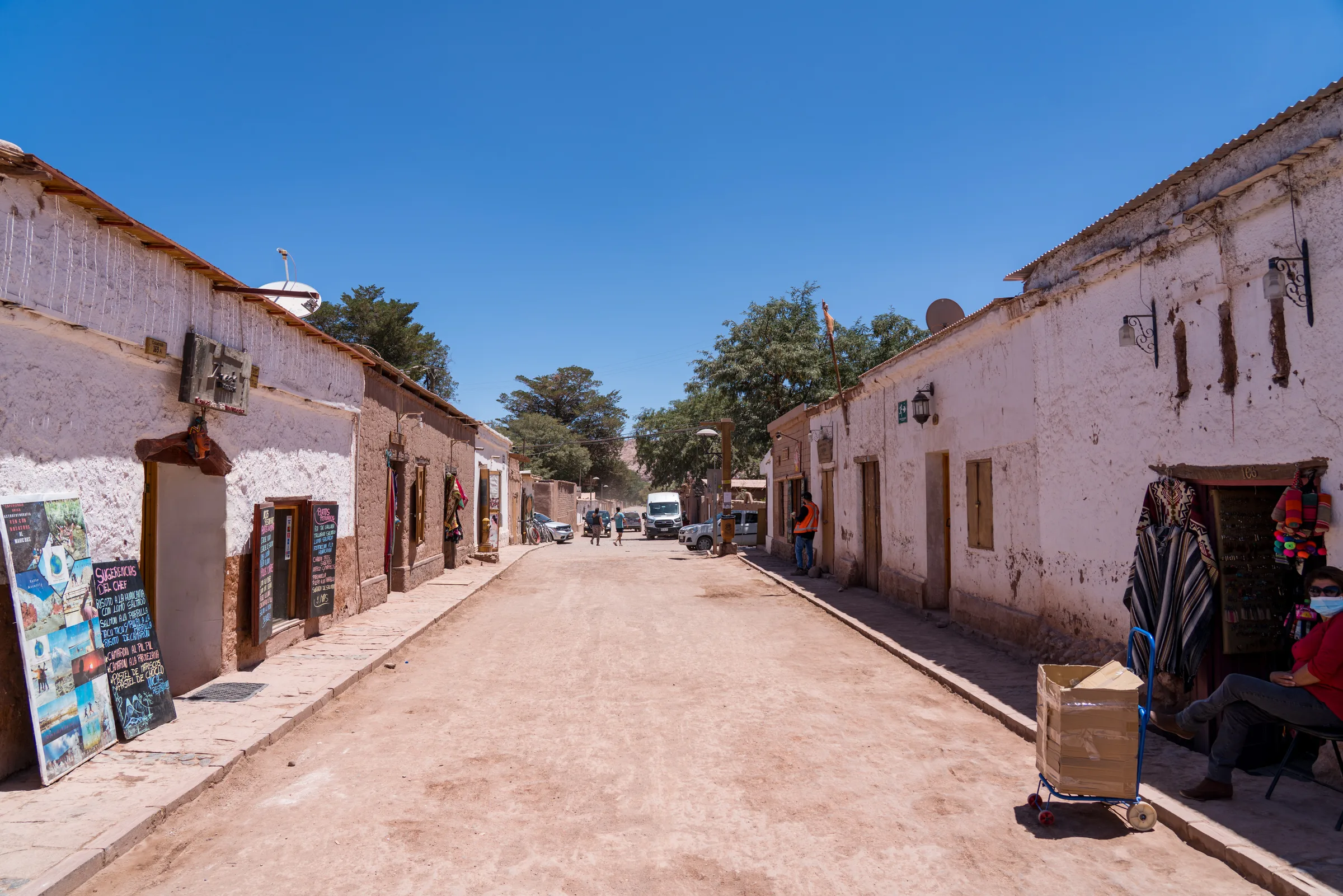
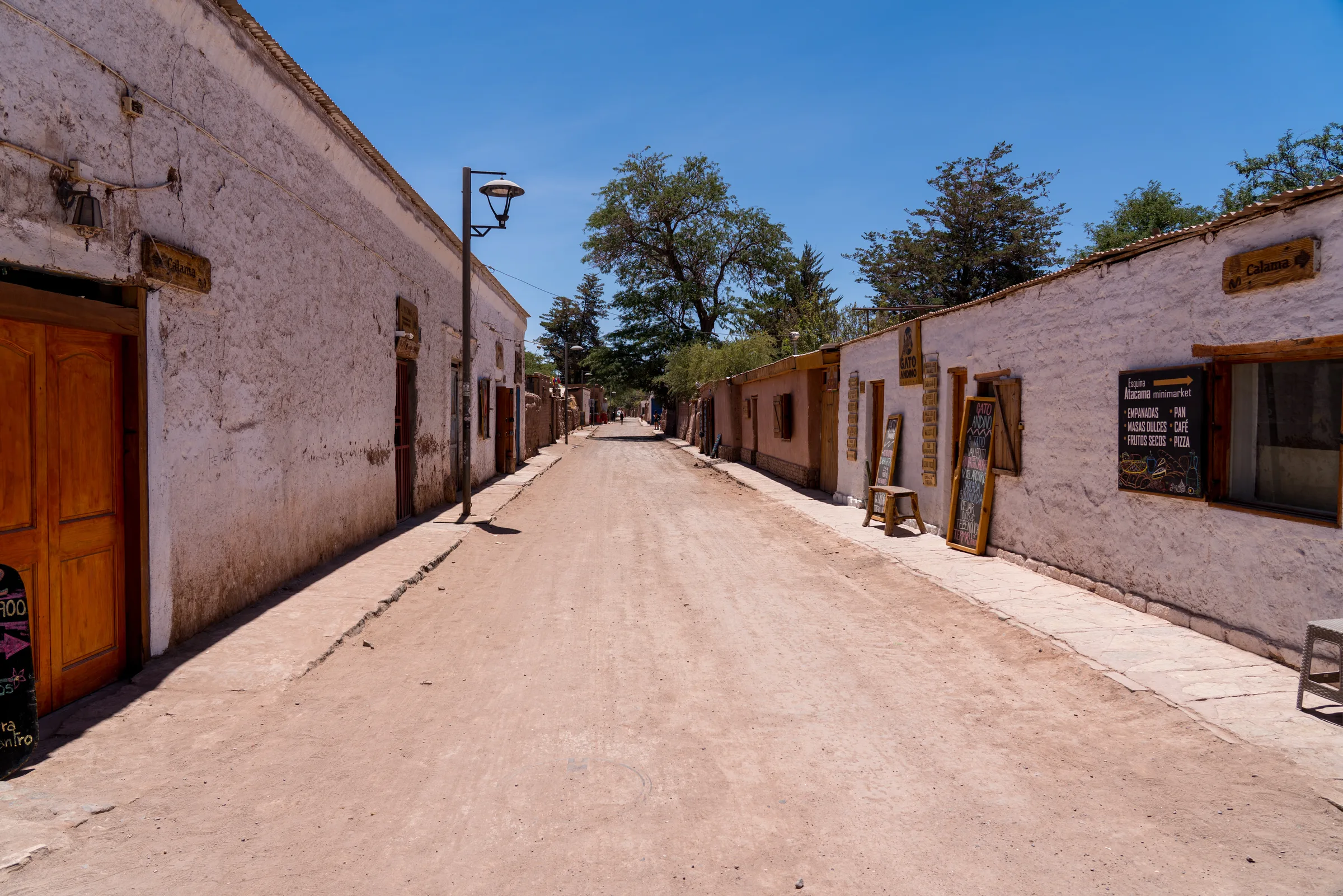
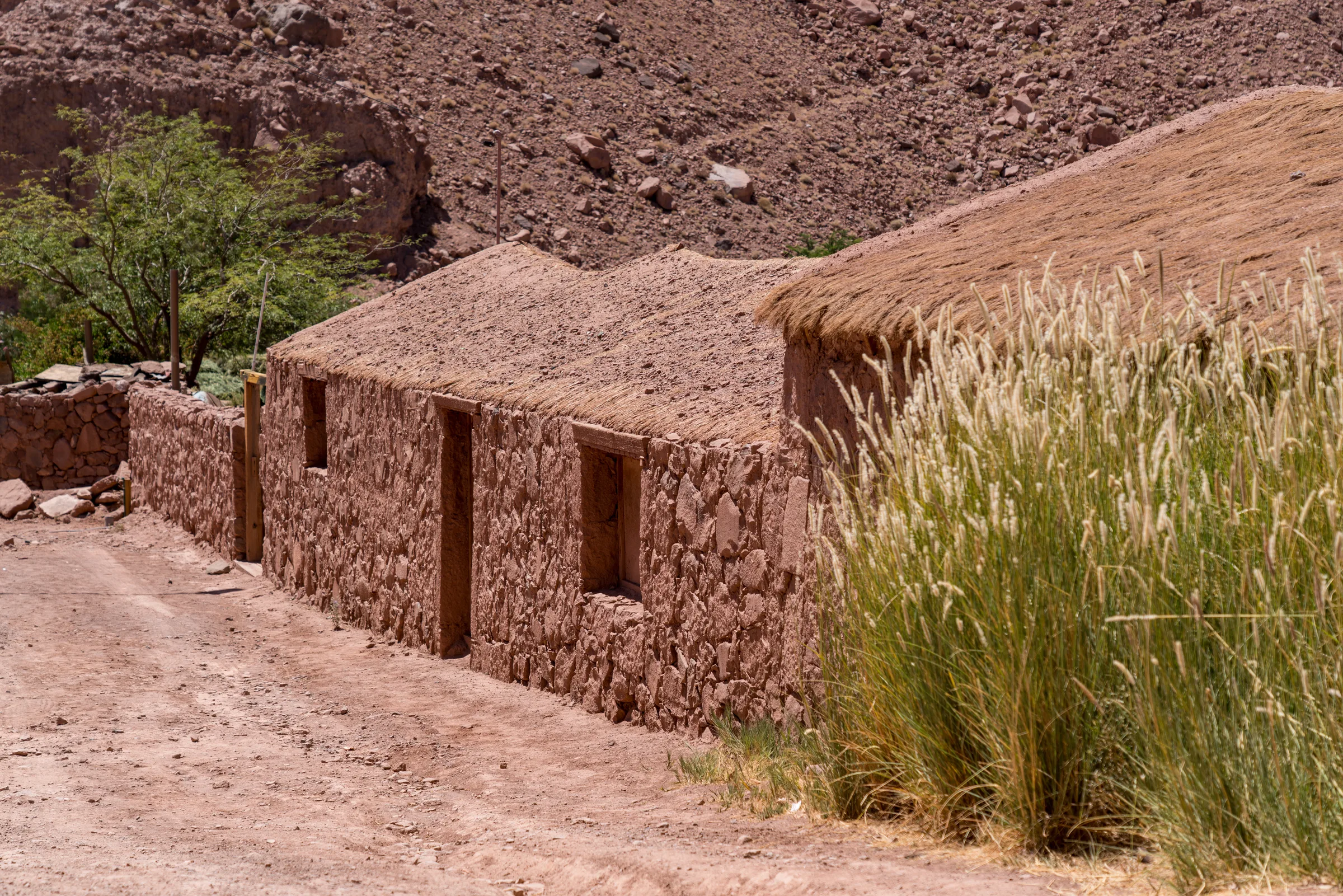
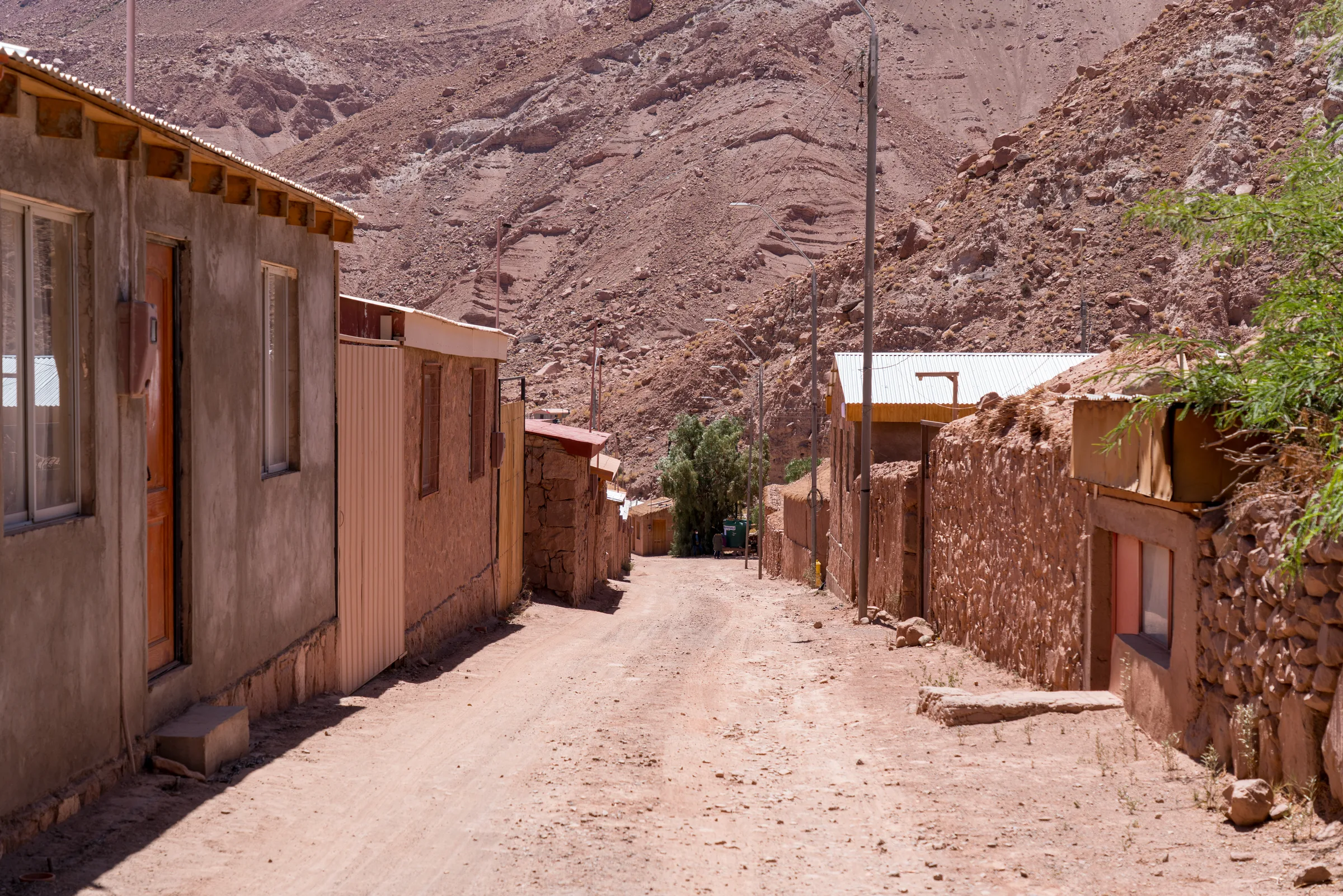
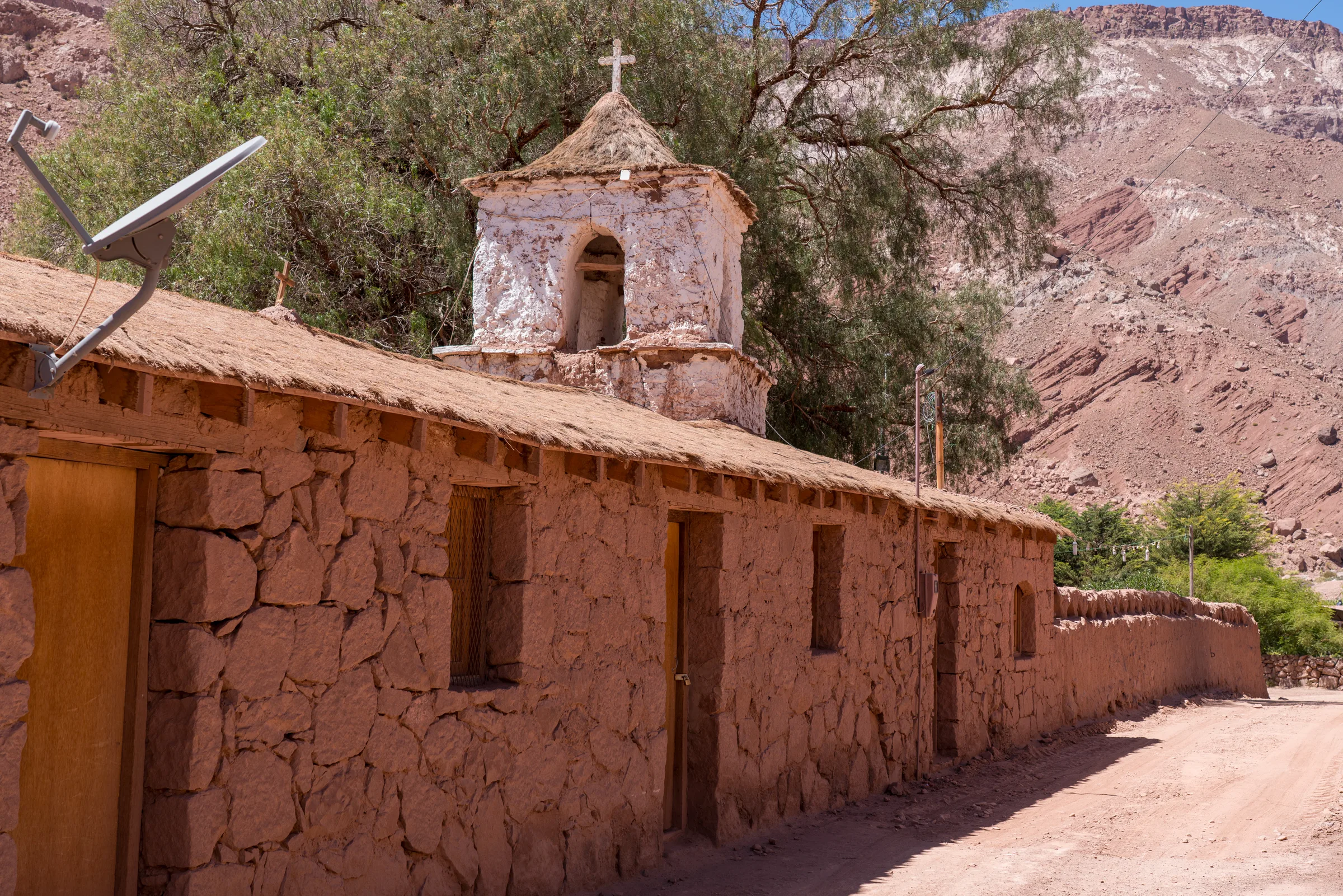
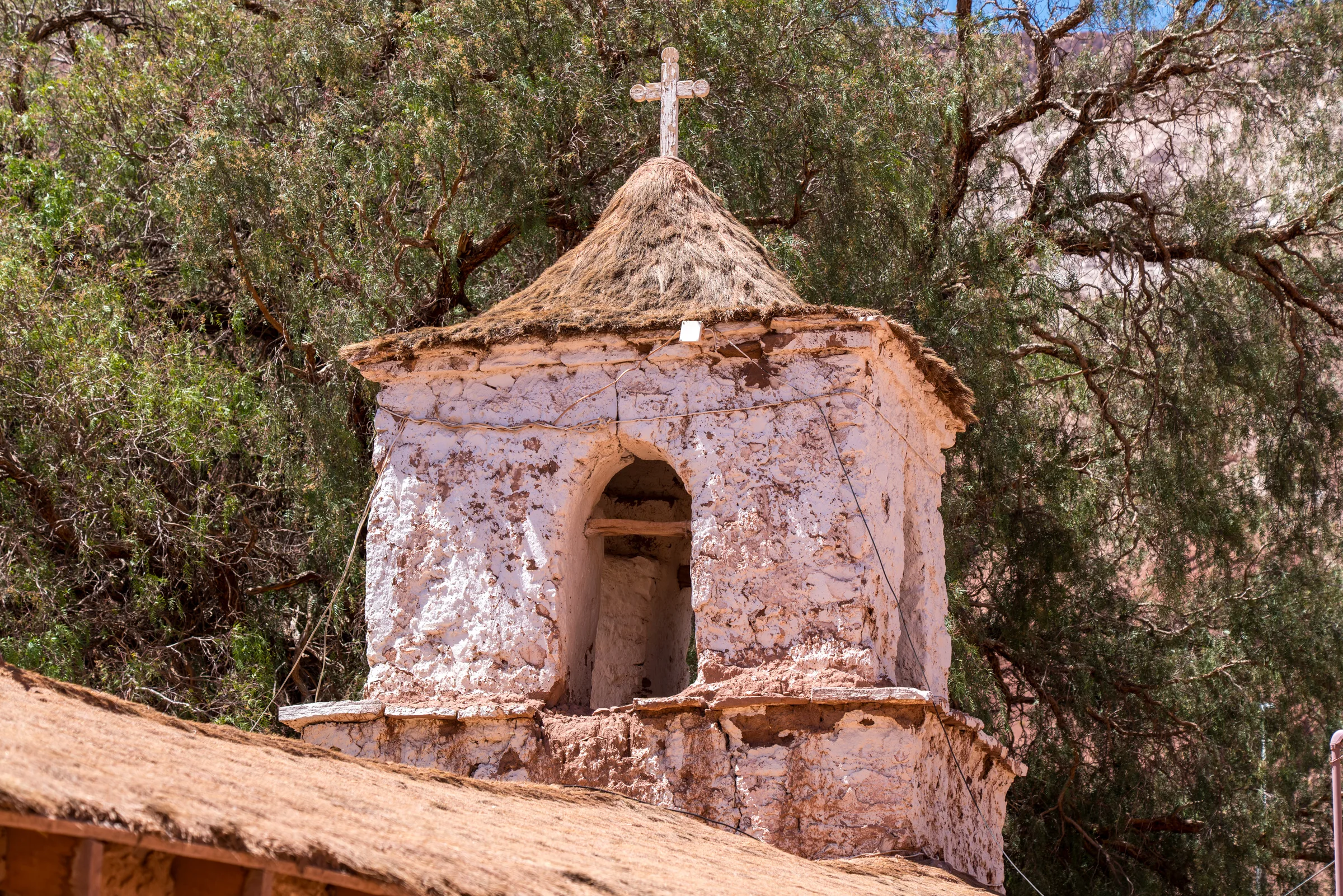
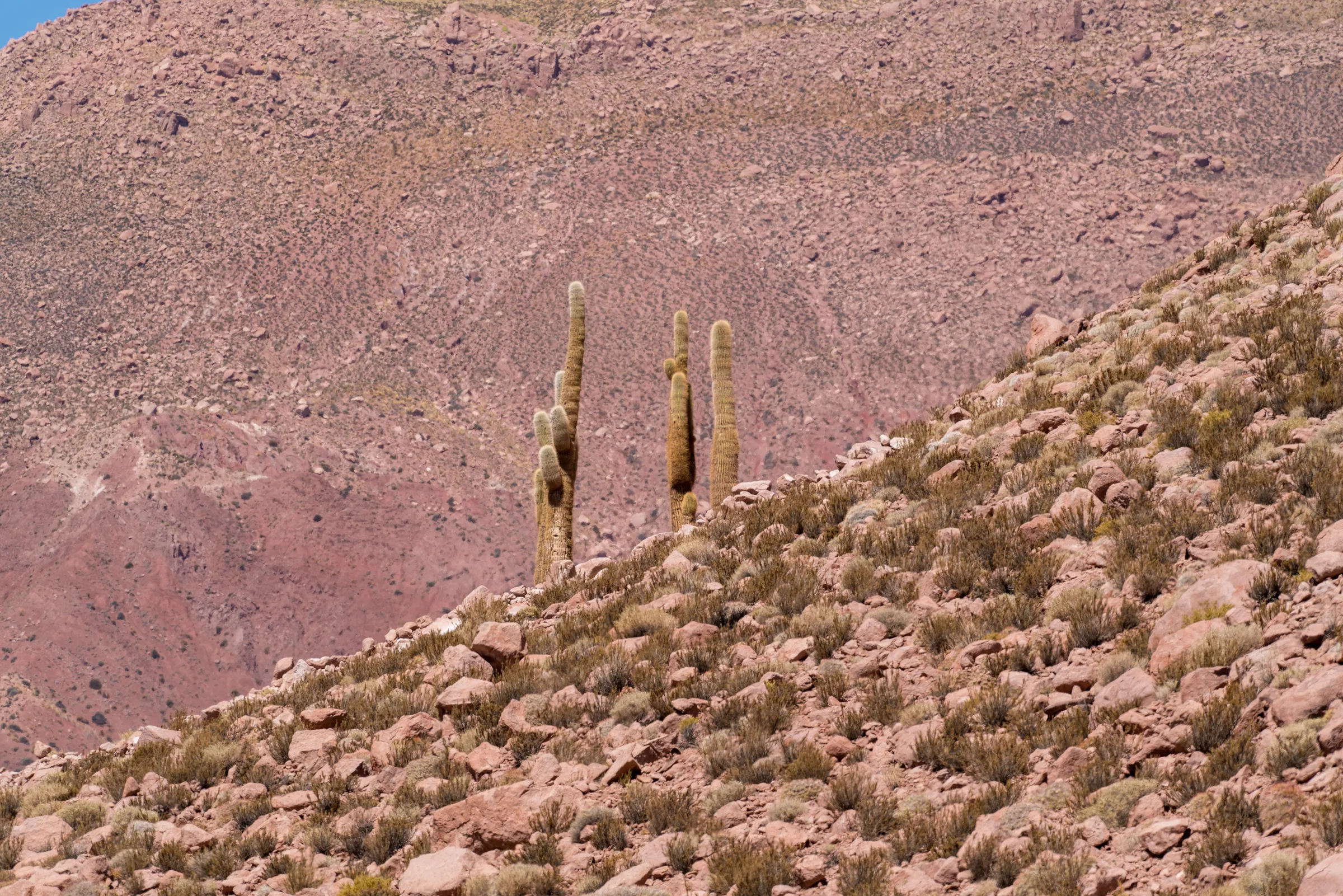
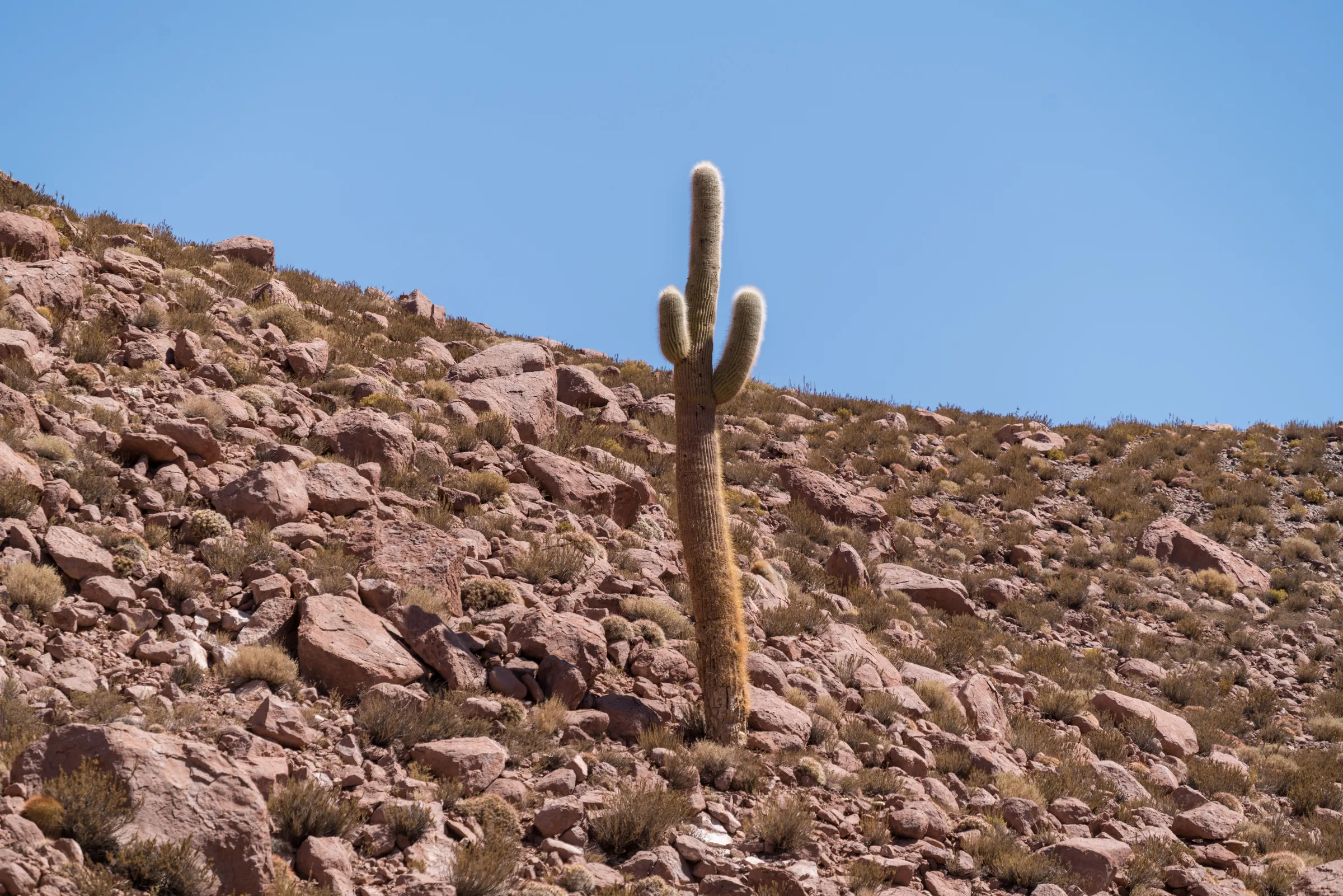
San Pedro de Atacama sits at 2440 m and serves as the base for the region. A pre-Columbian foundation of the Atacameño people (locally: Likan Antai), then a Spanish settlement. From the plaza you can see Licancabur (5916 m) — a perfect cone on the Bolivian border, the sacred mountain of the Atacama peoples. The church on the plaza in its present form dates mainly from the 18th century, though an earlier sanctuary stood here before; it is built of adobe and beams cut from cardón cacti, because no other usable wood exists at this latitude and altitude. Inside it is cool. Outside it is nearly three thousand metres and the air is thin as paper.
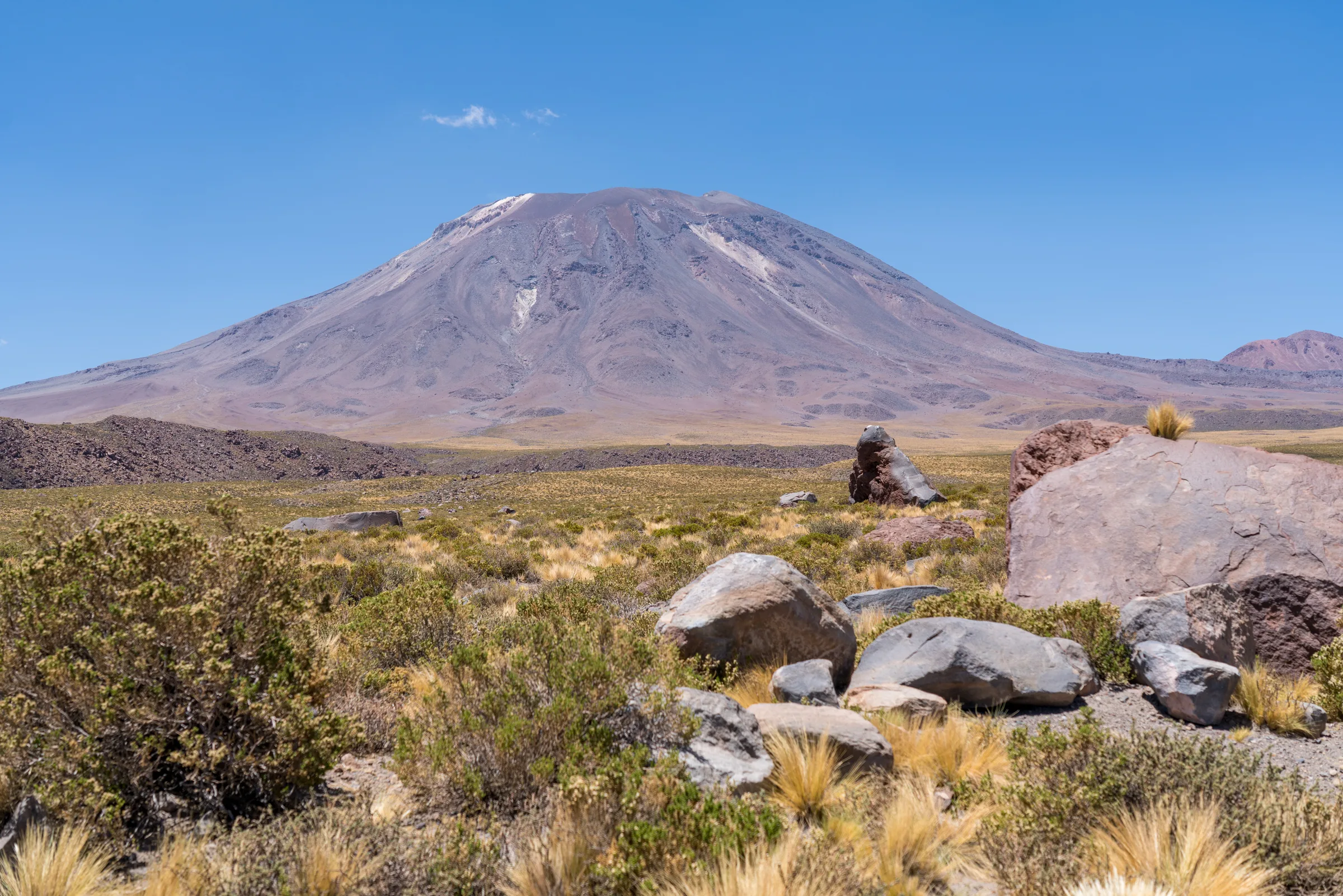
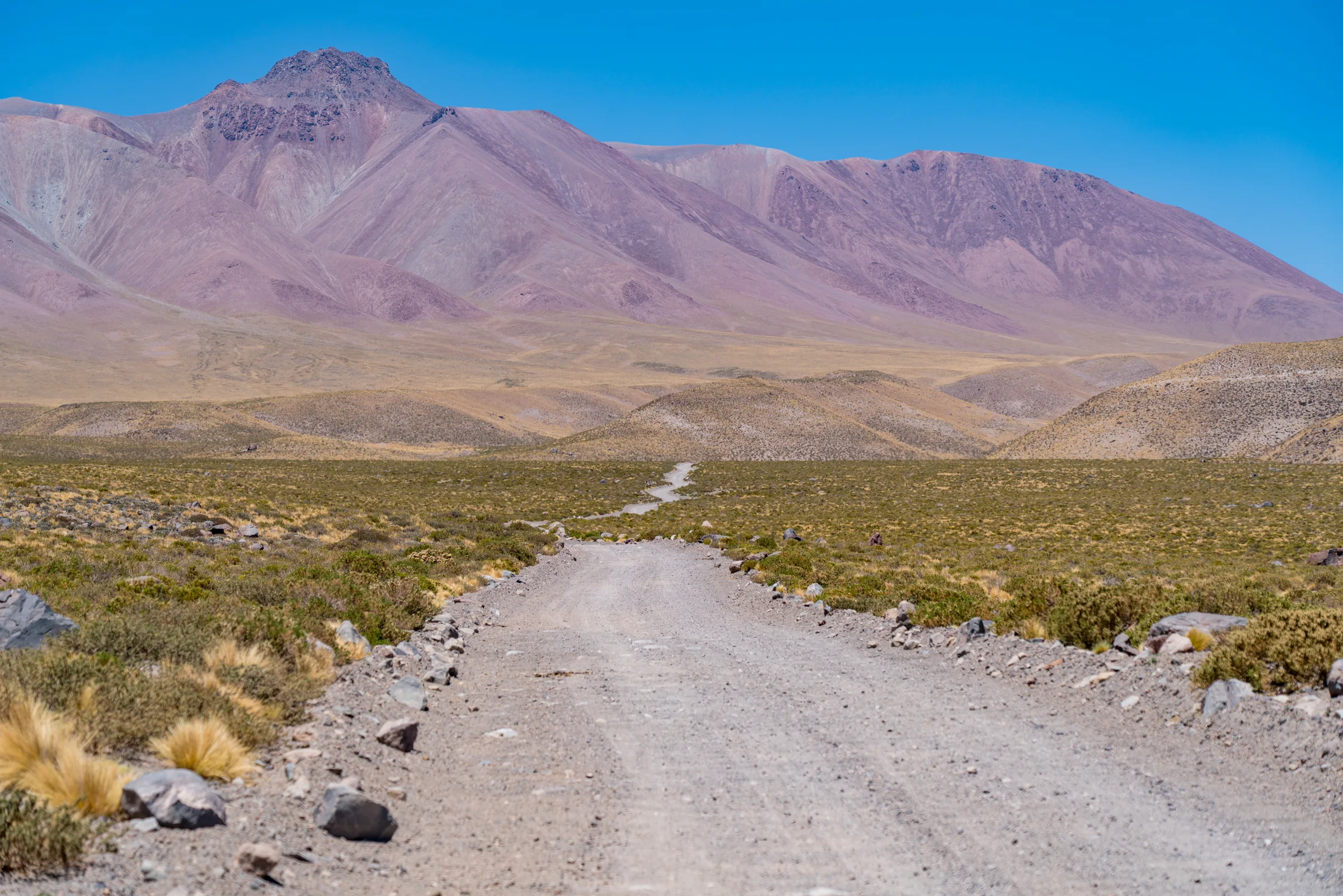
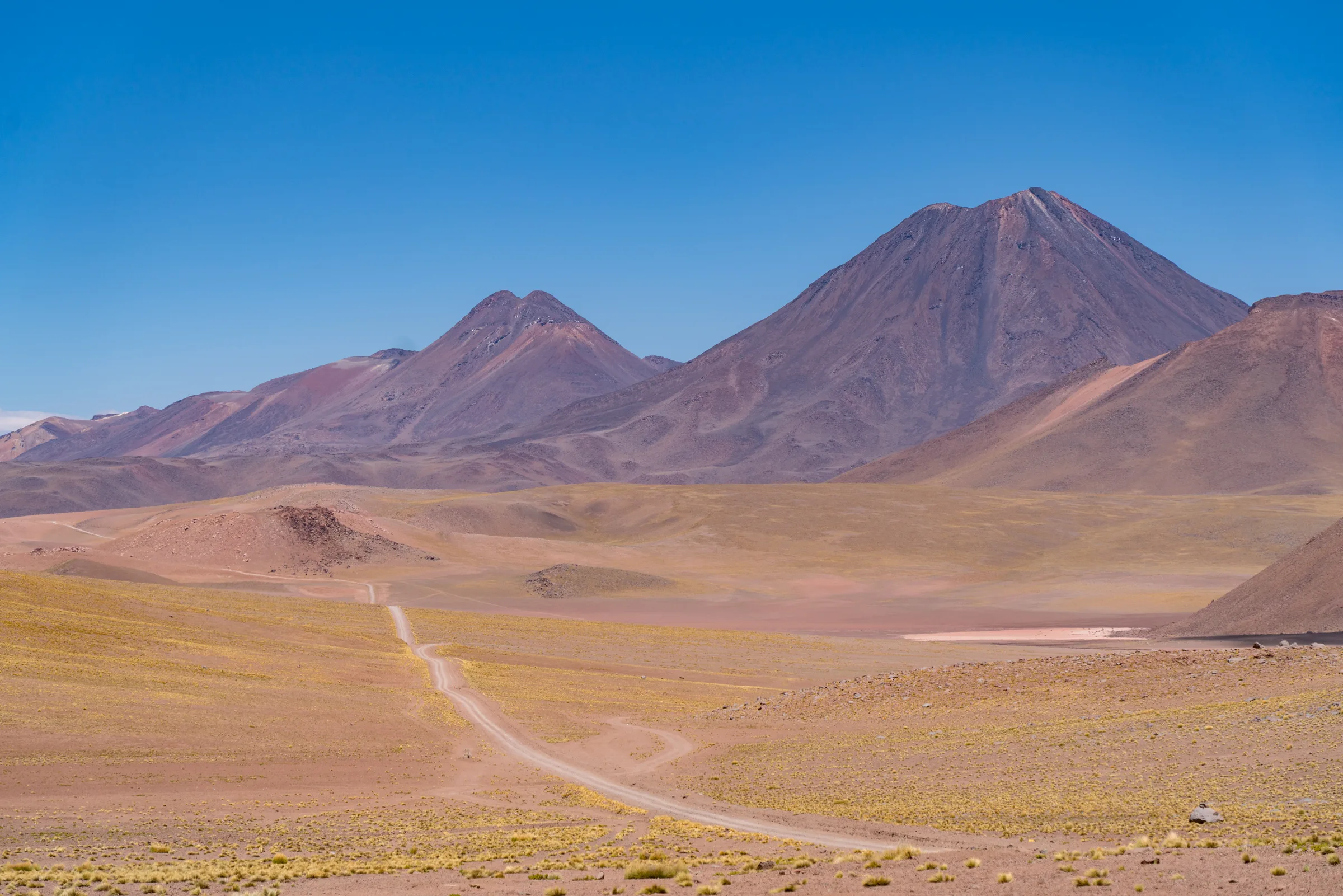
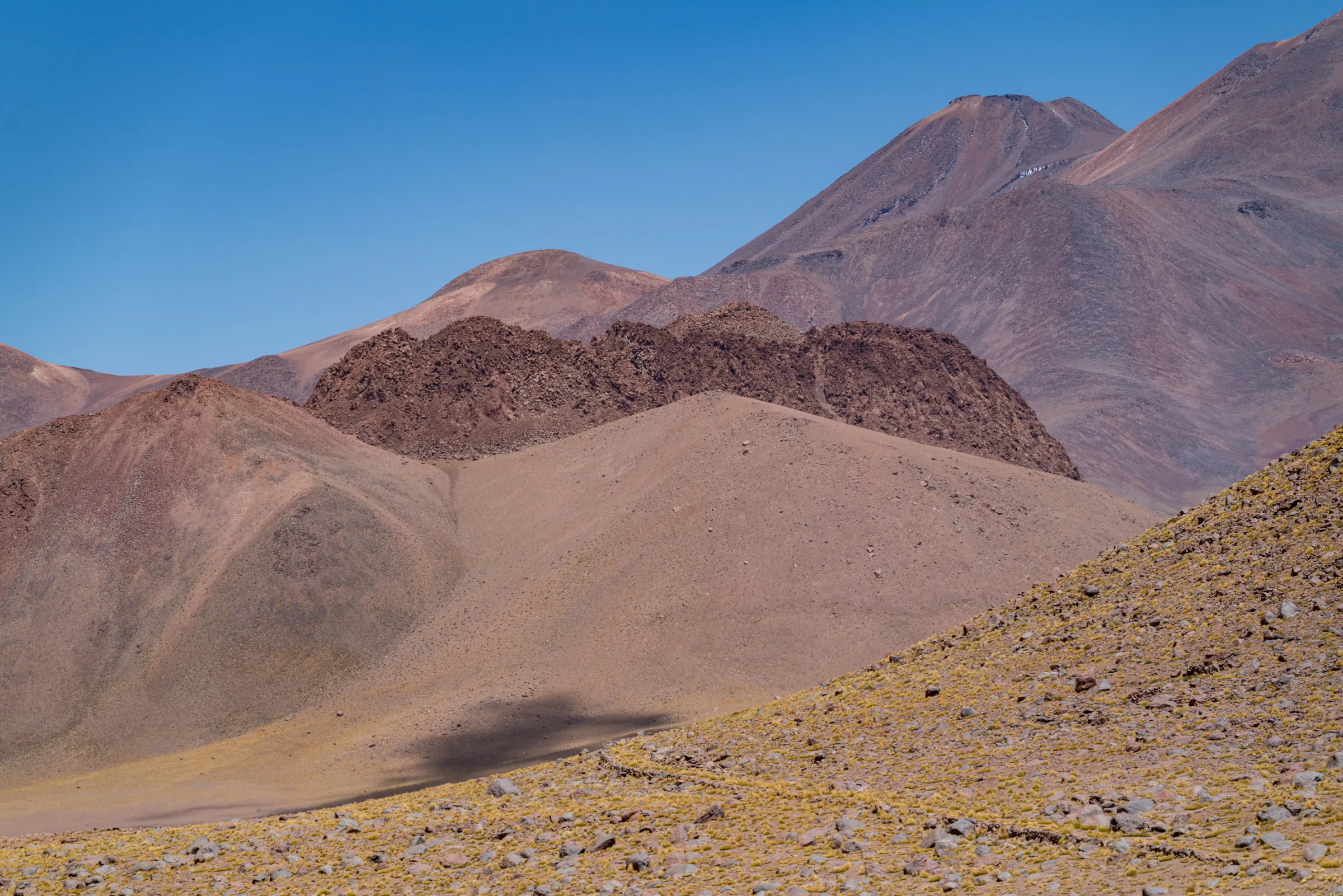
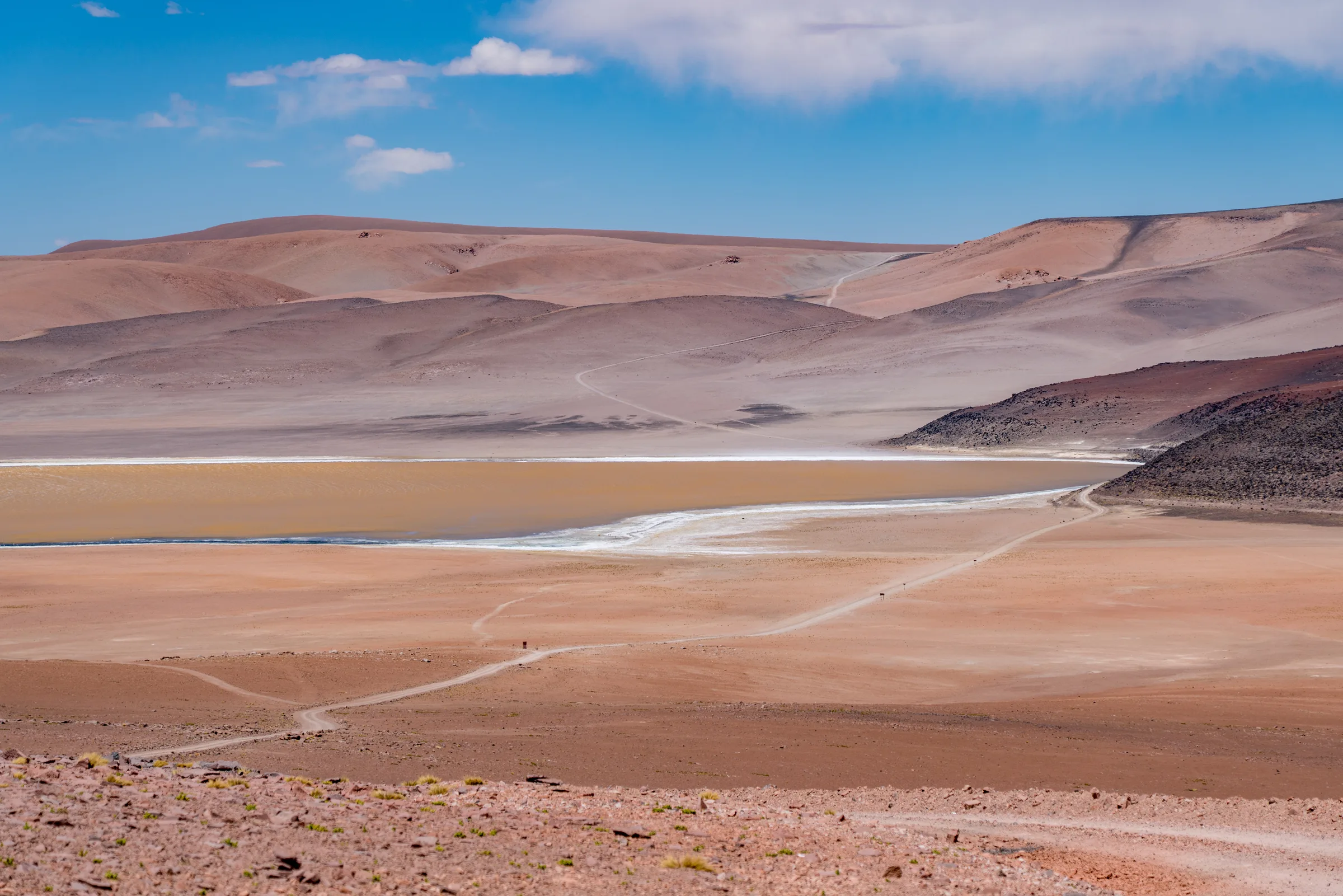
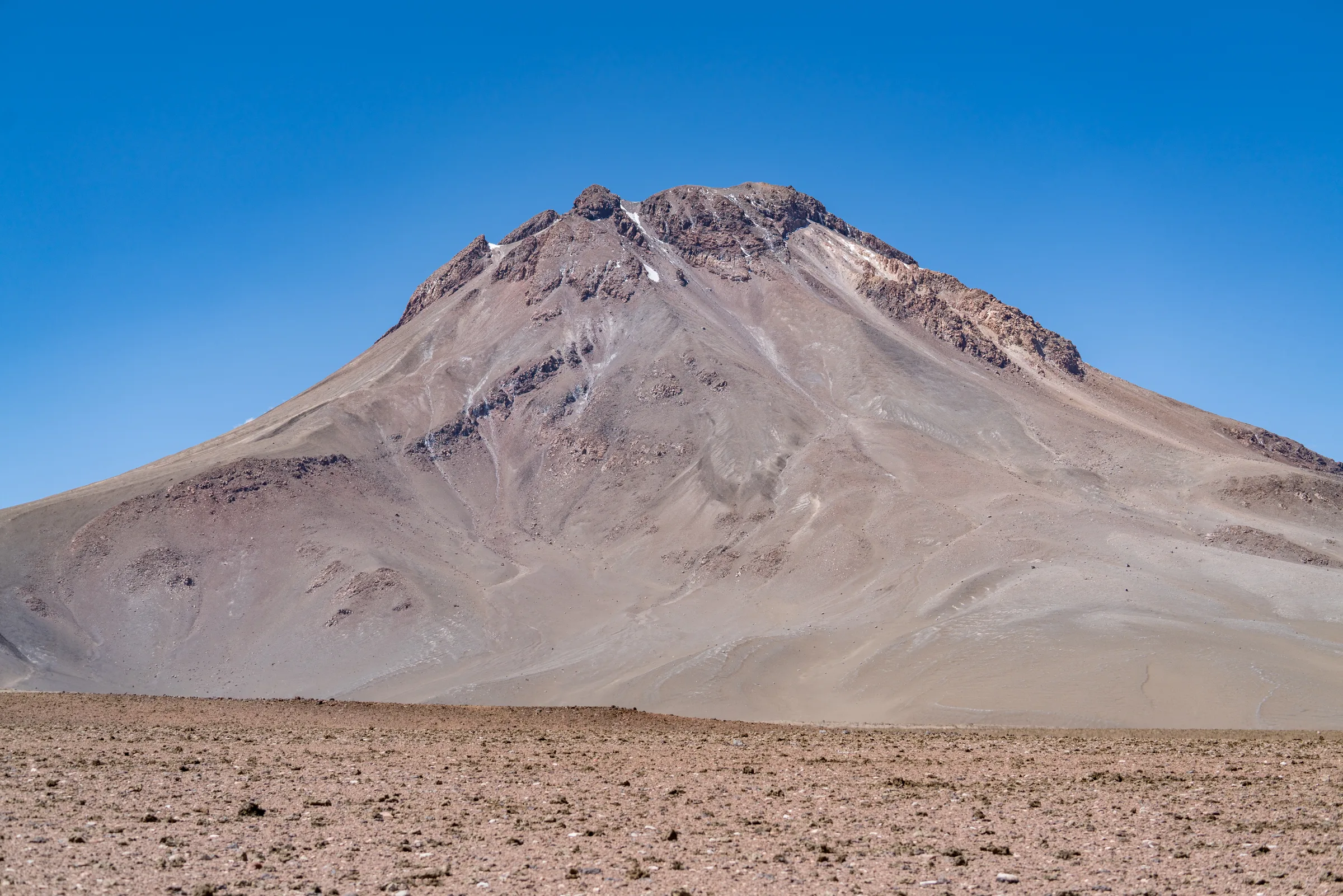
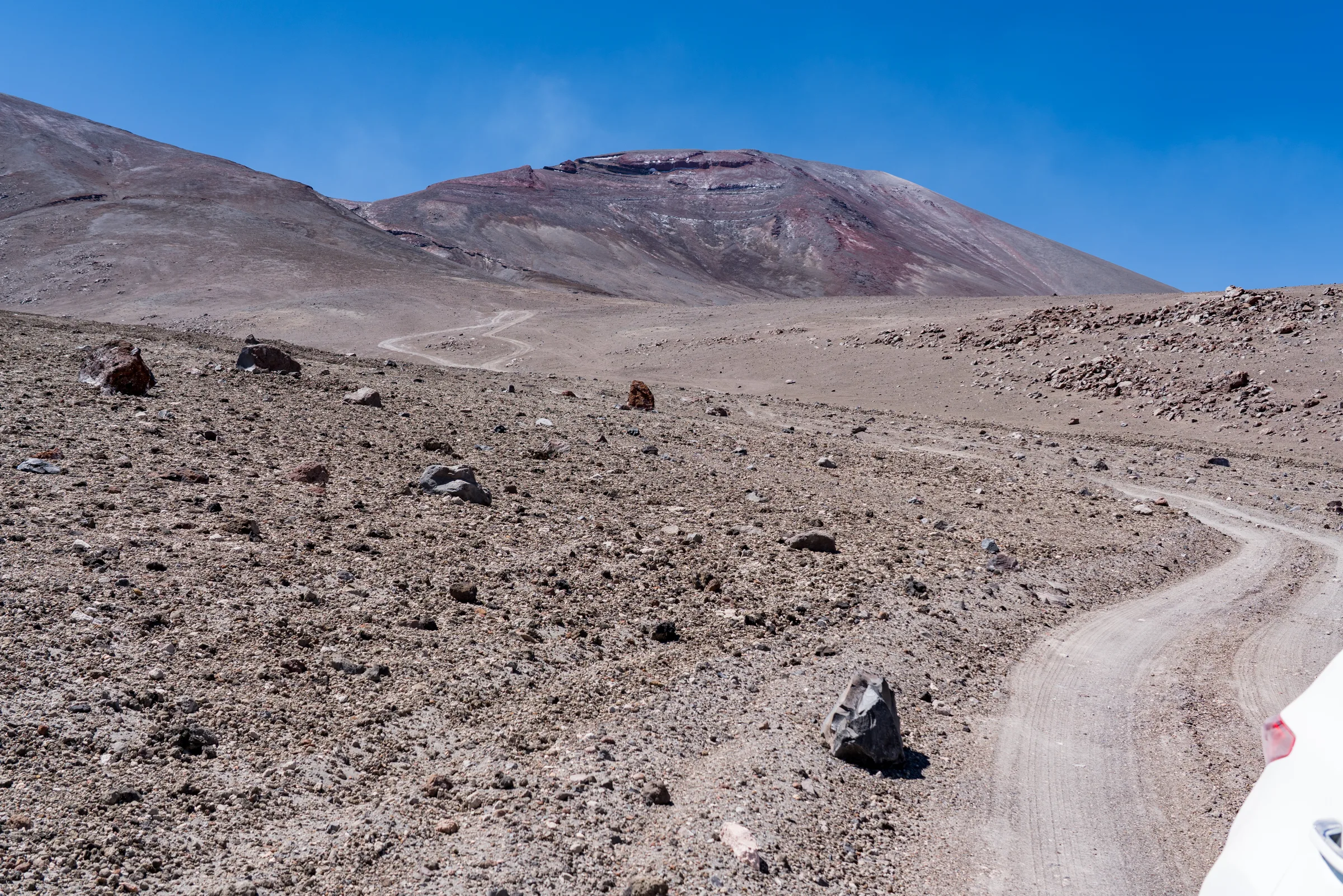
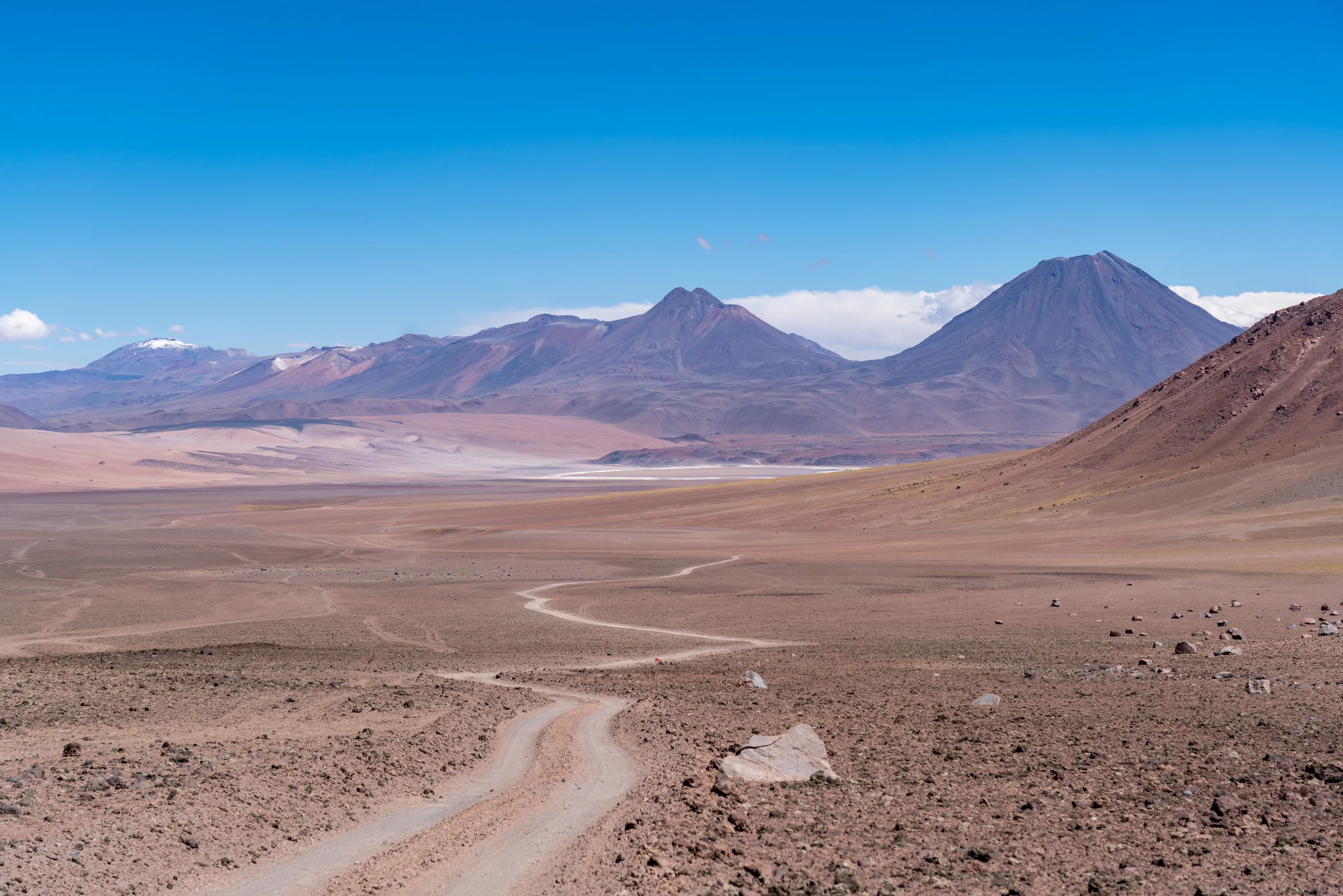
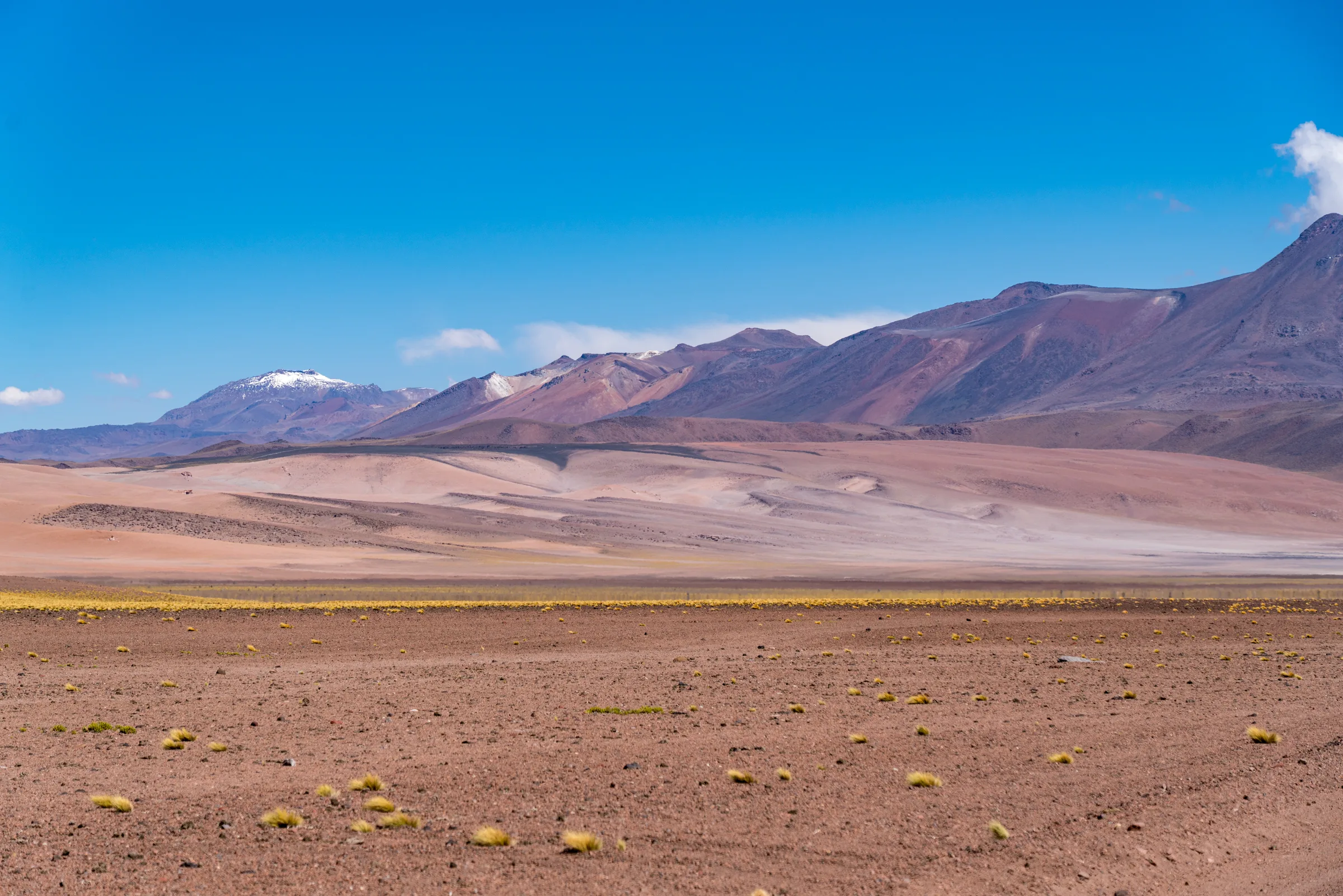
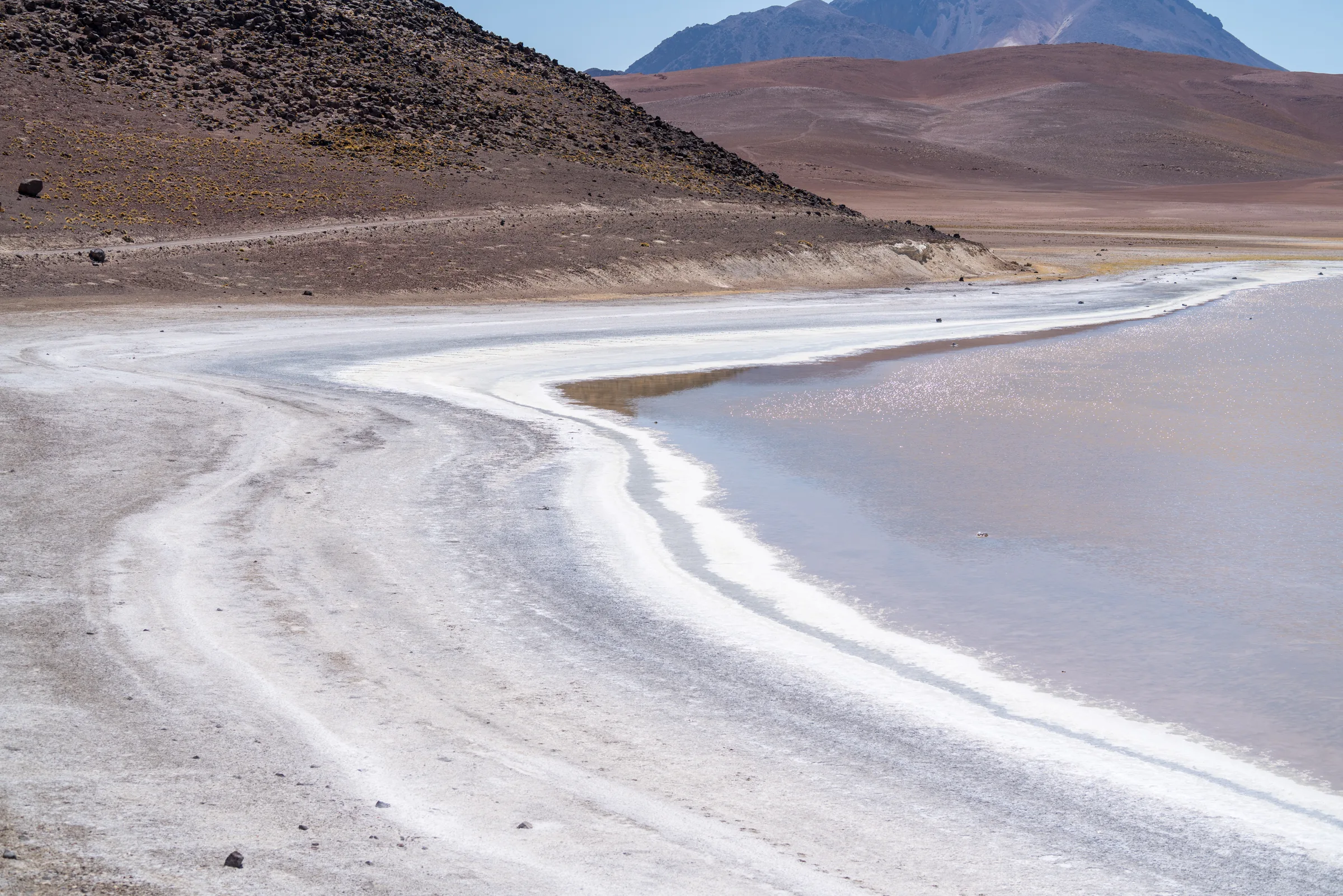
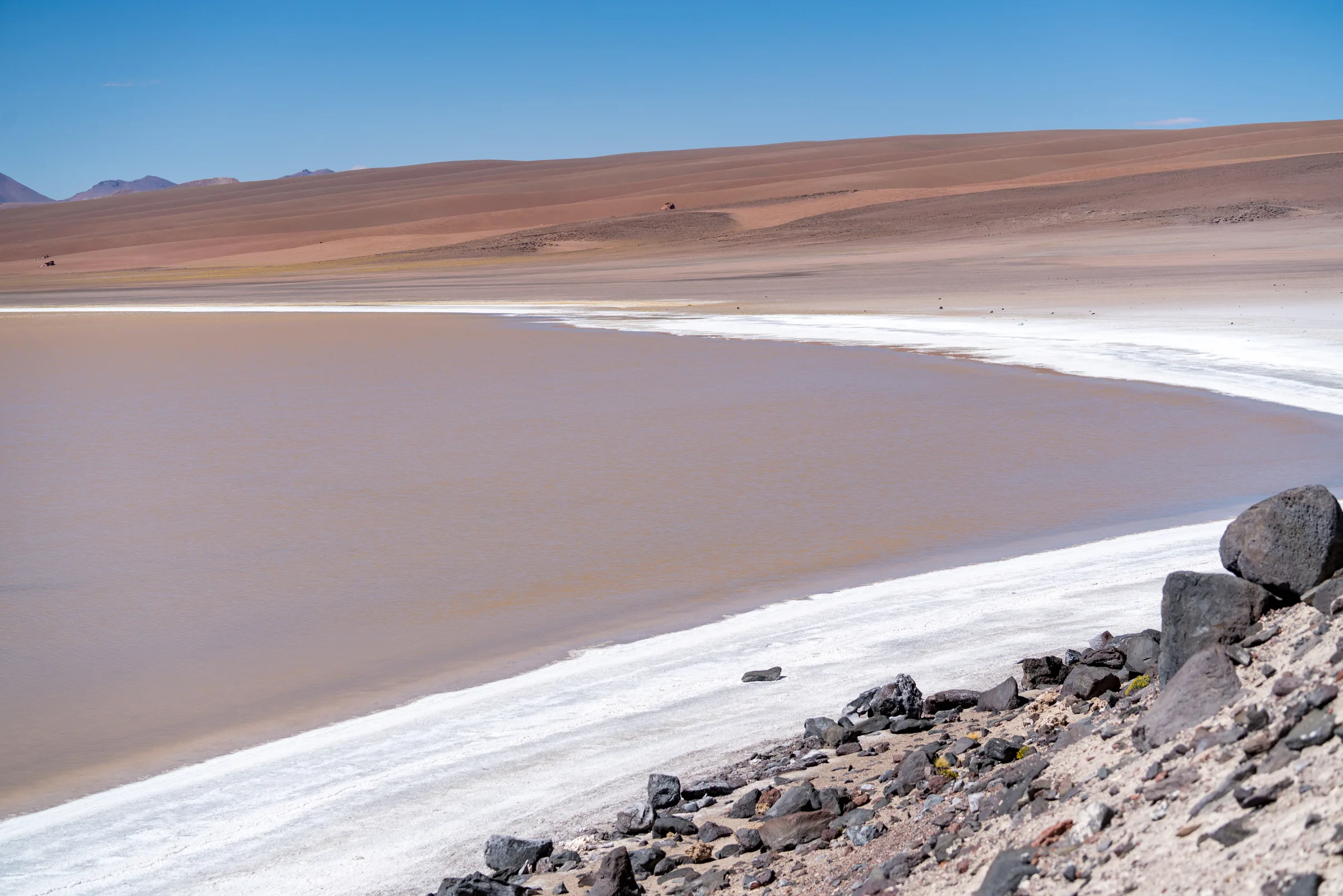
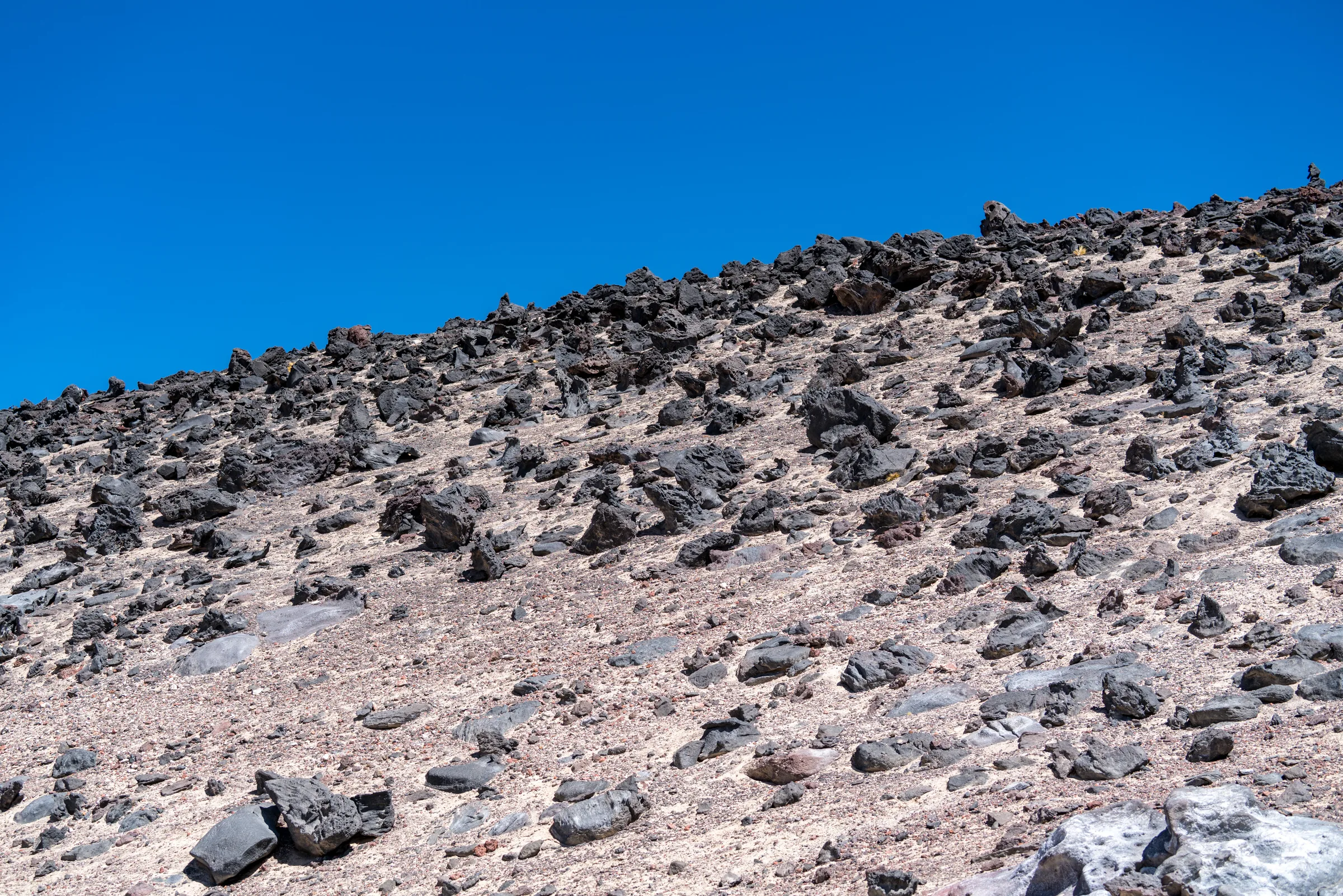
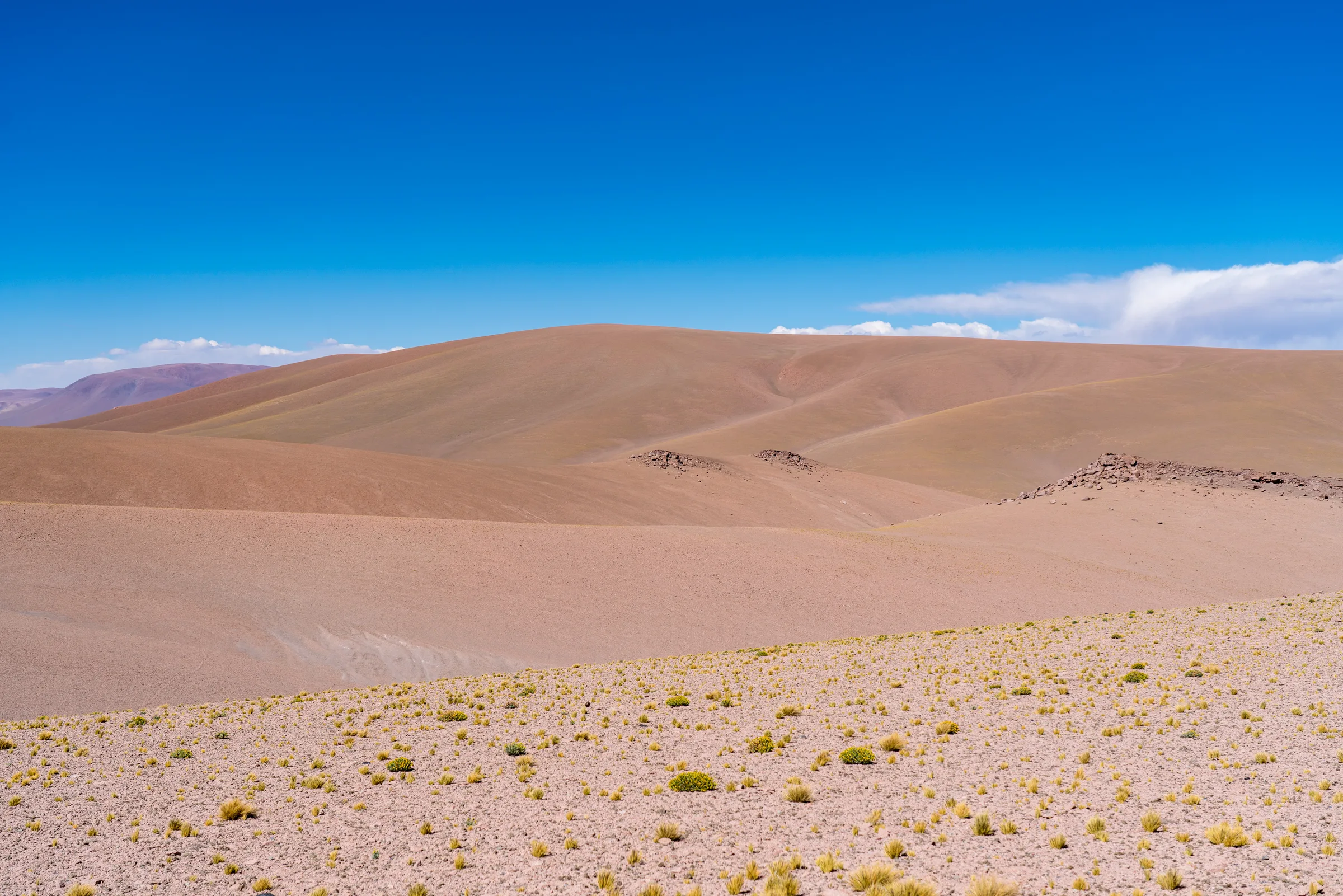
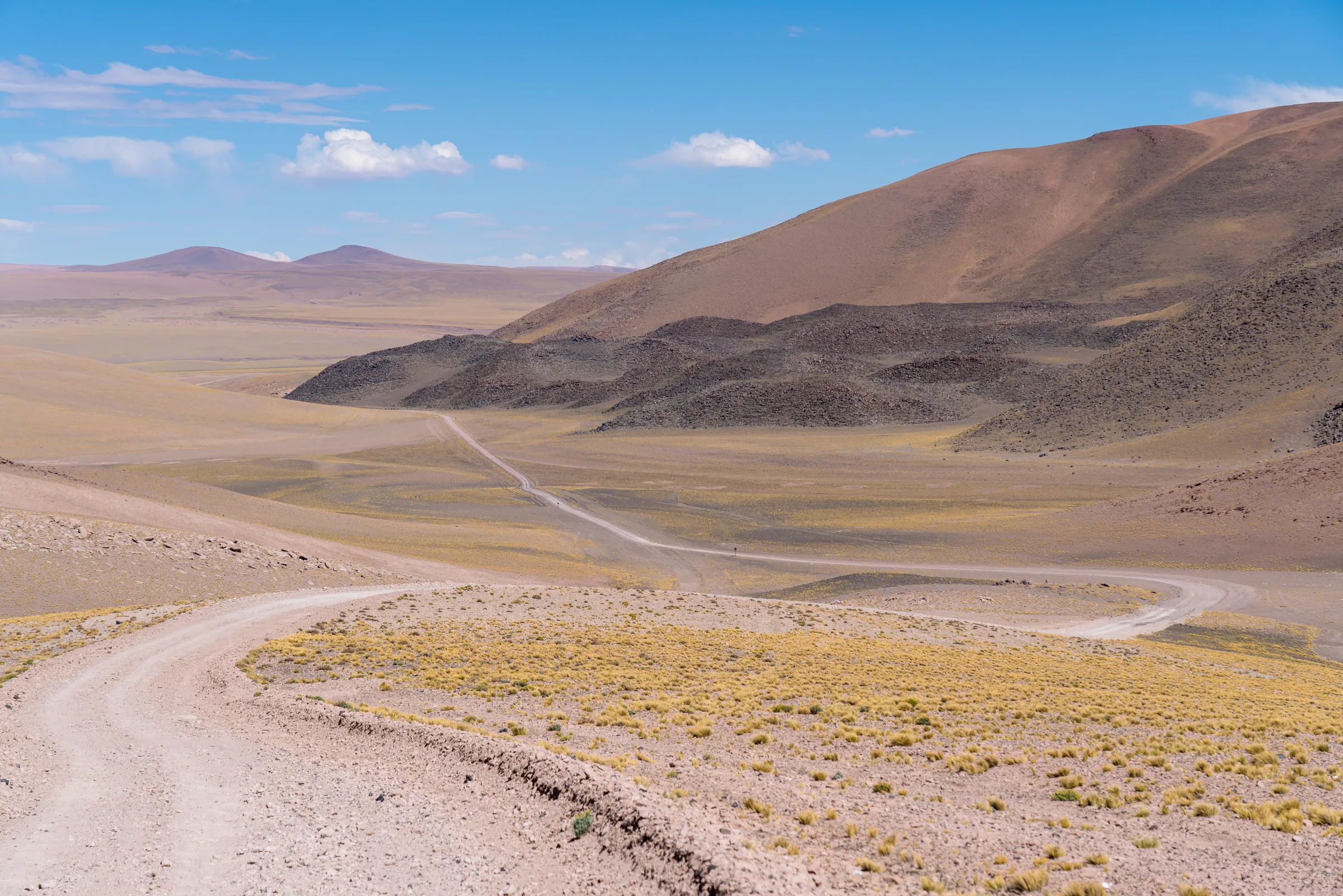
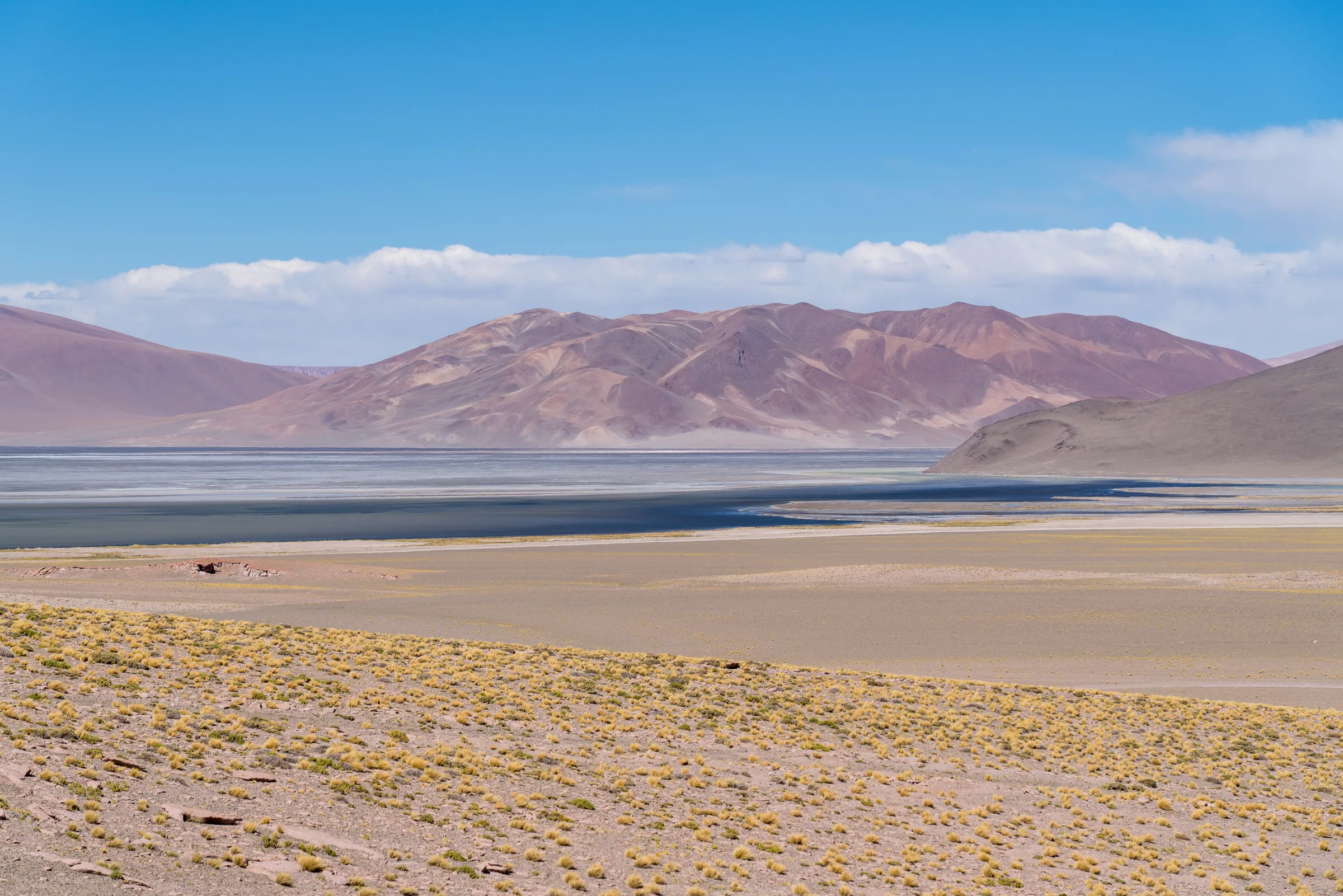
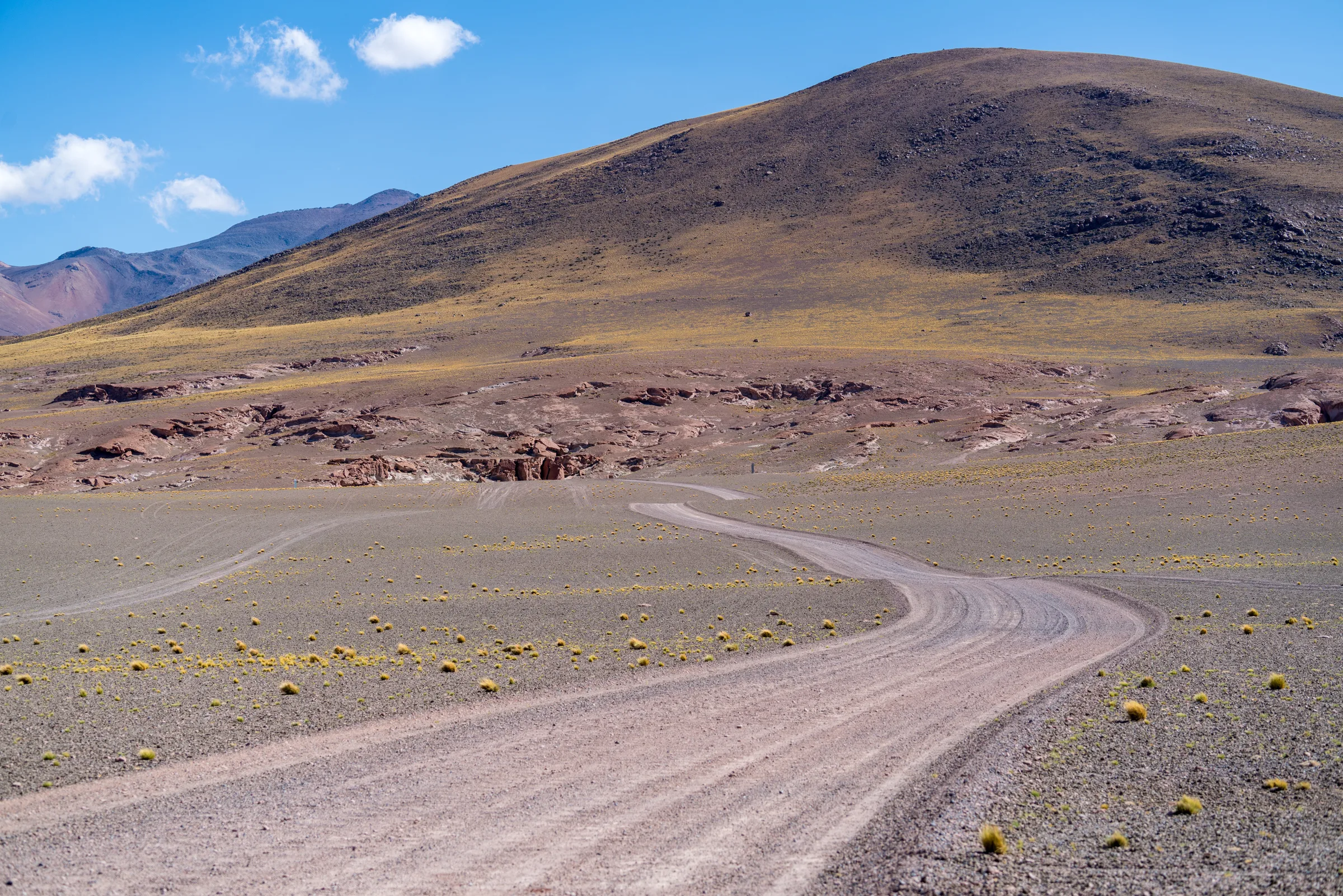
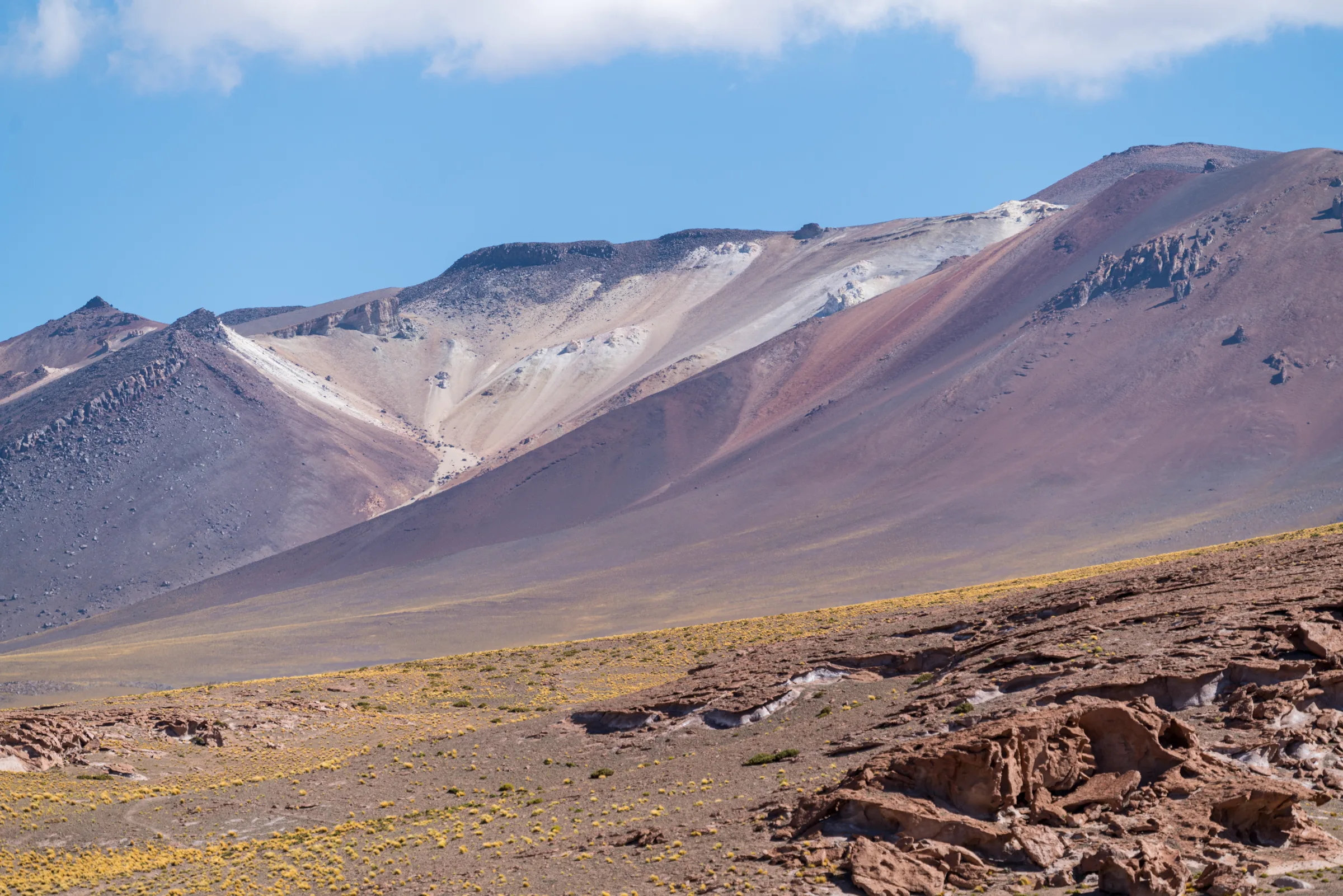
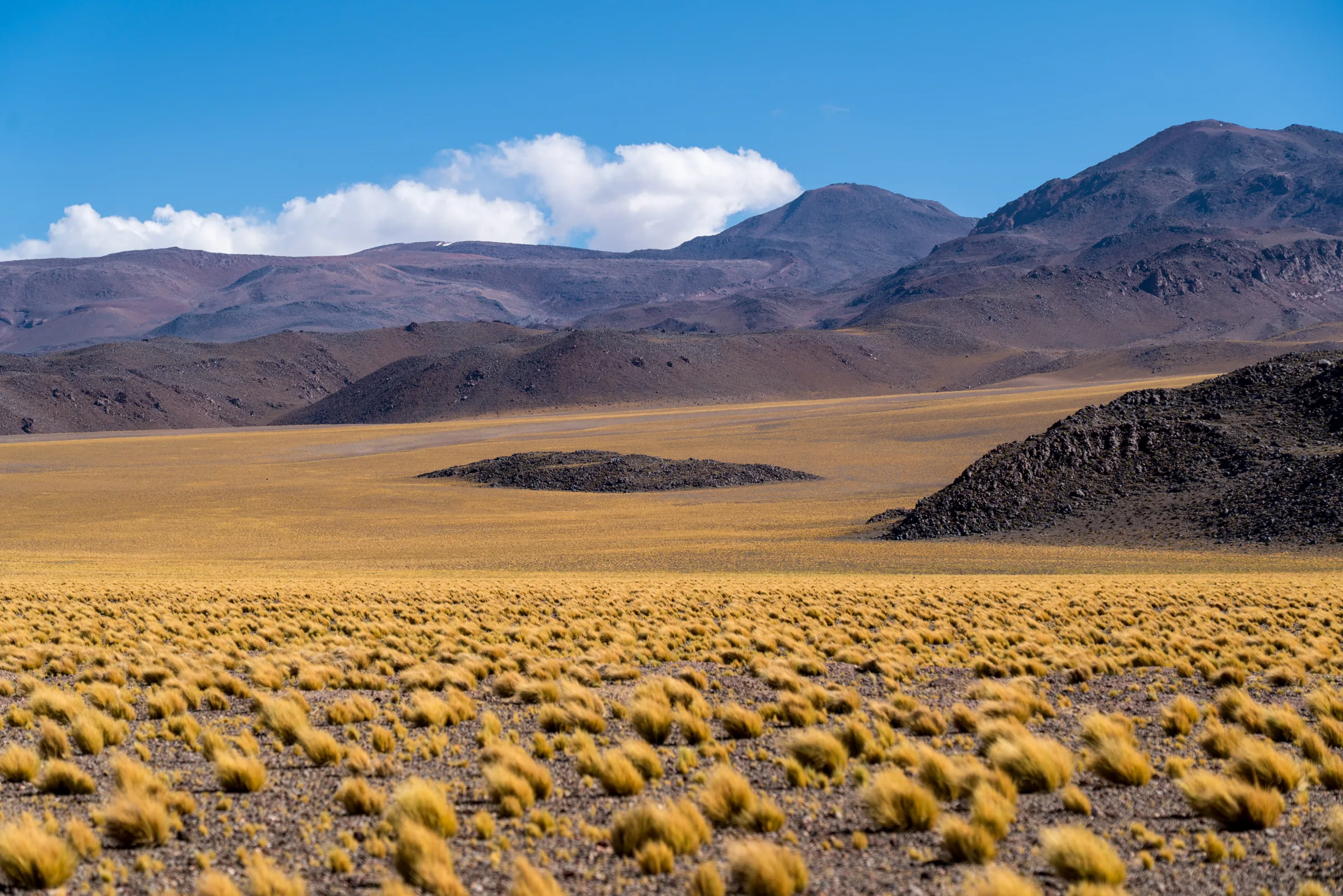
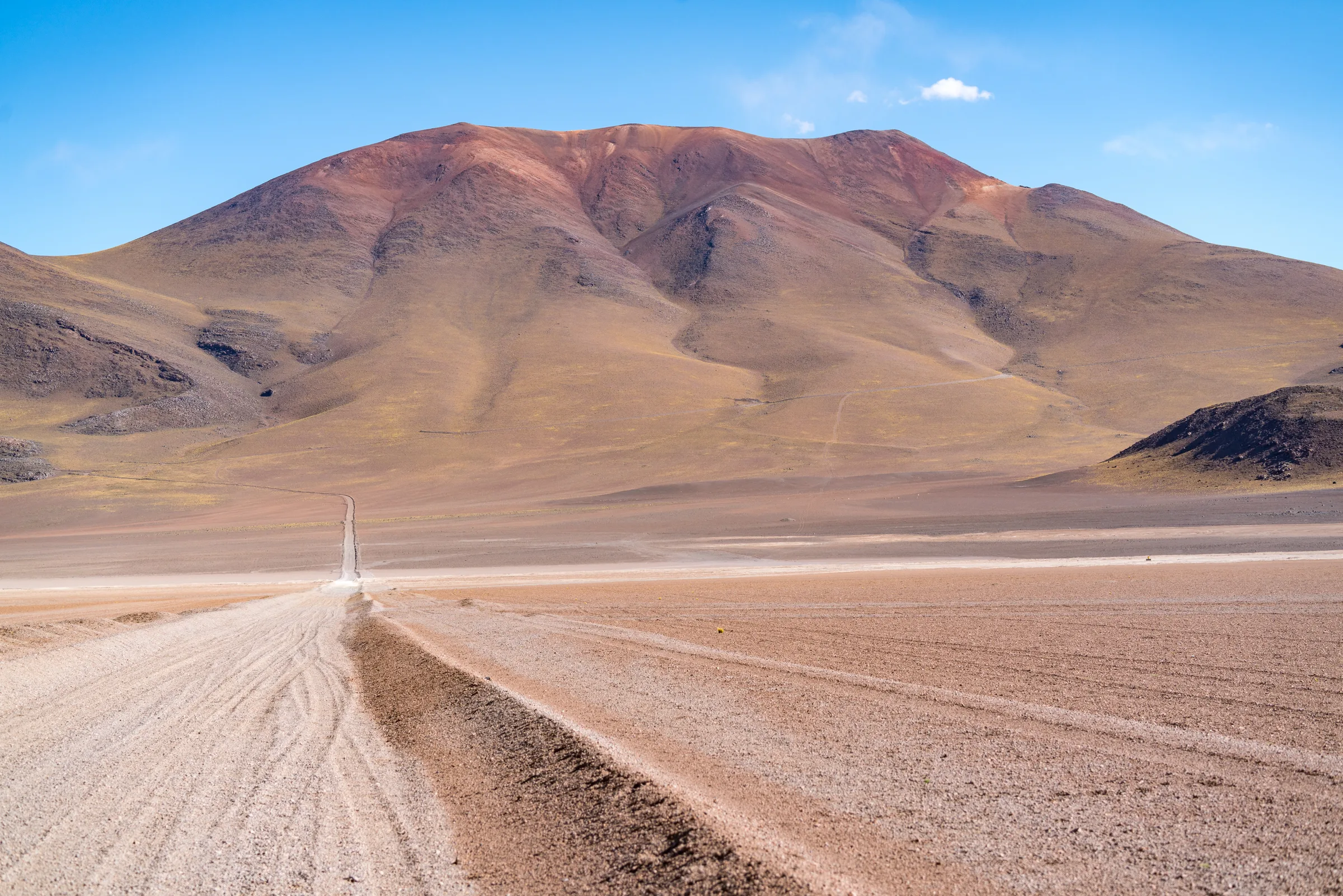
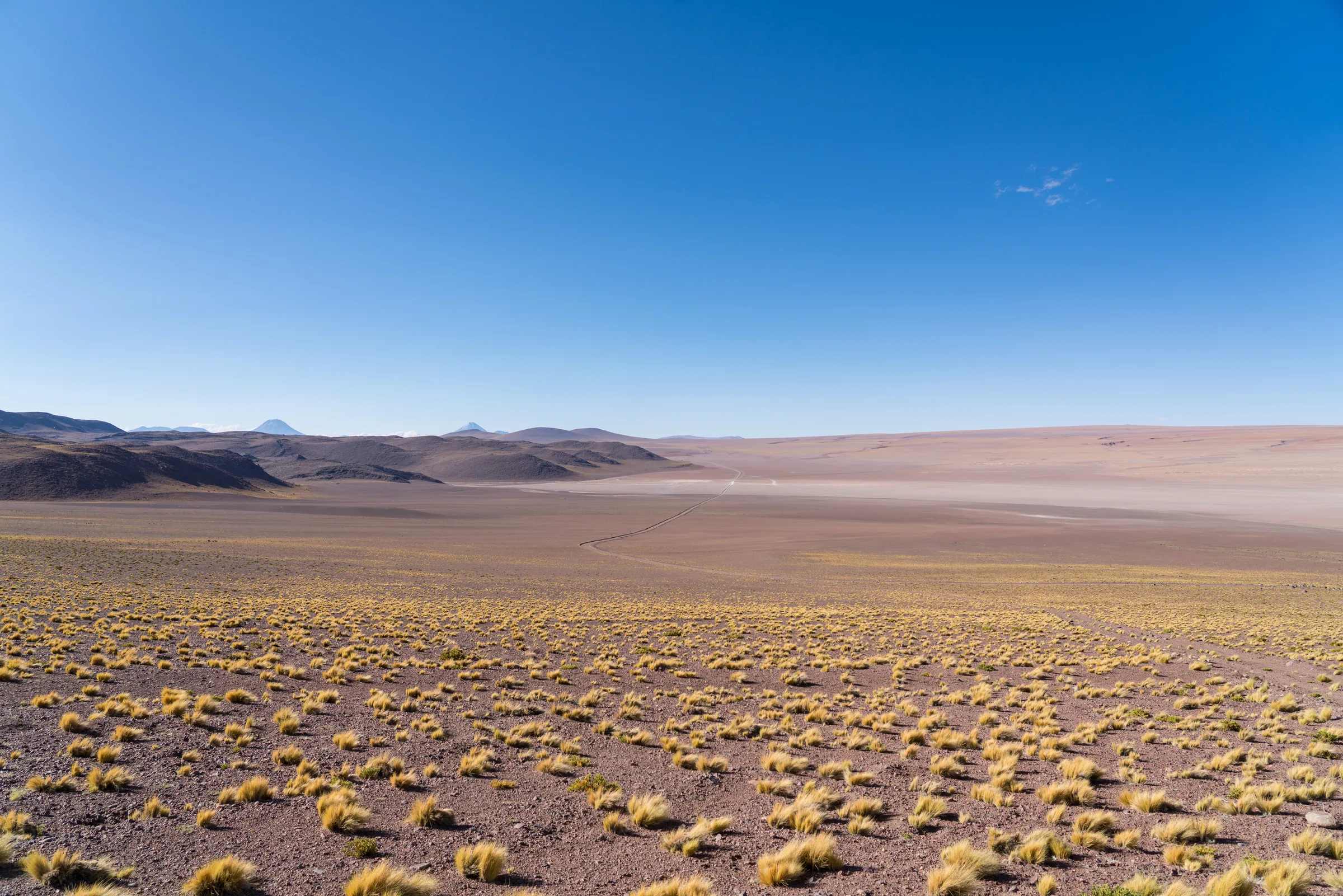
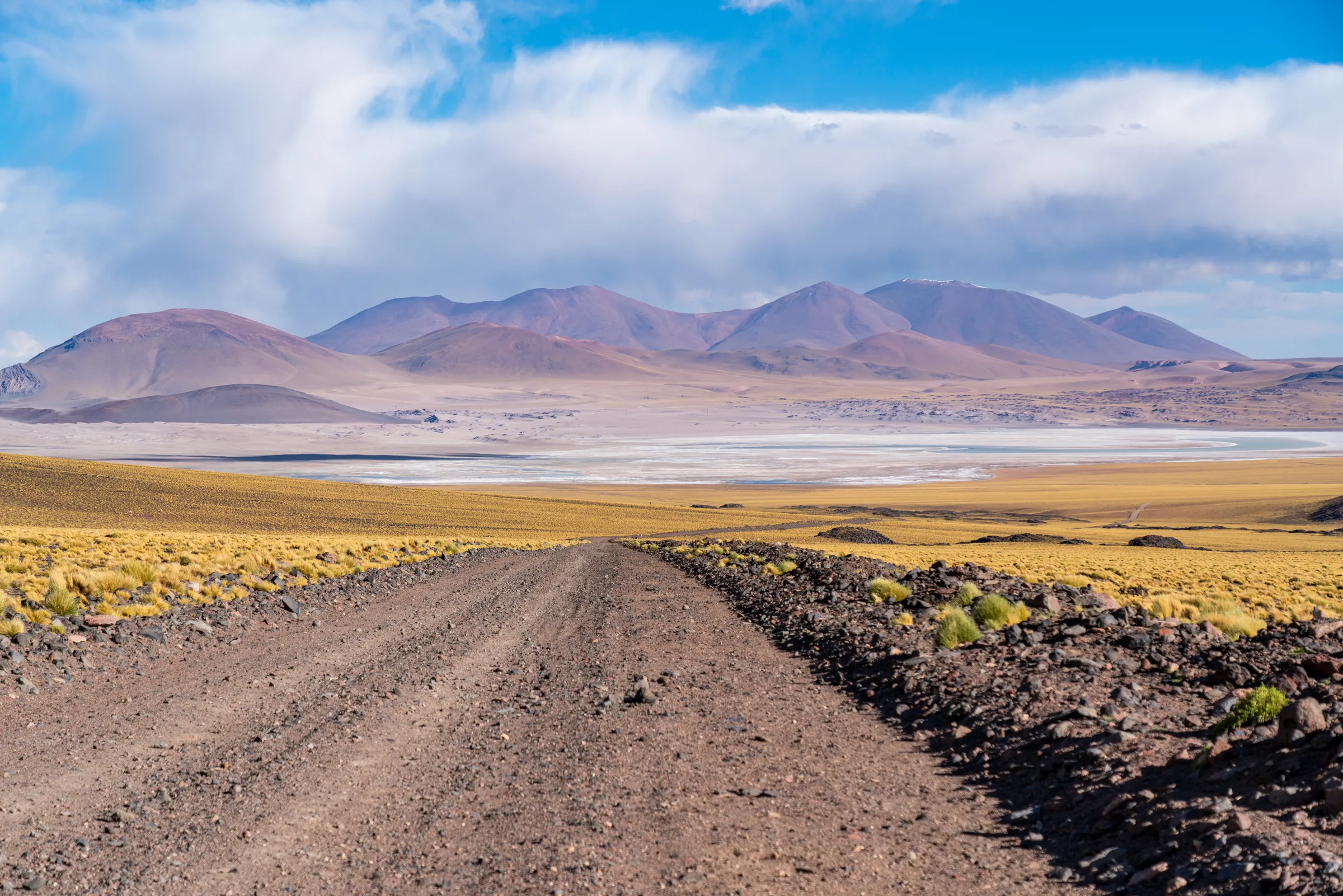
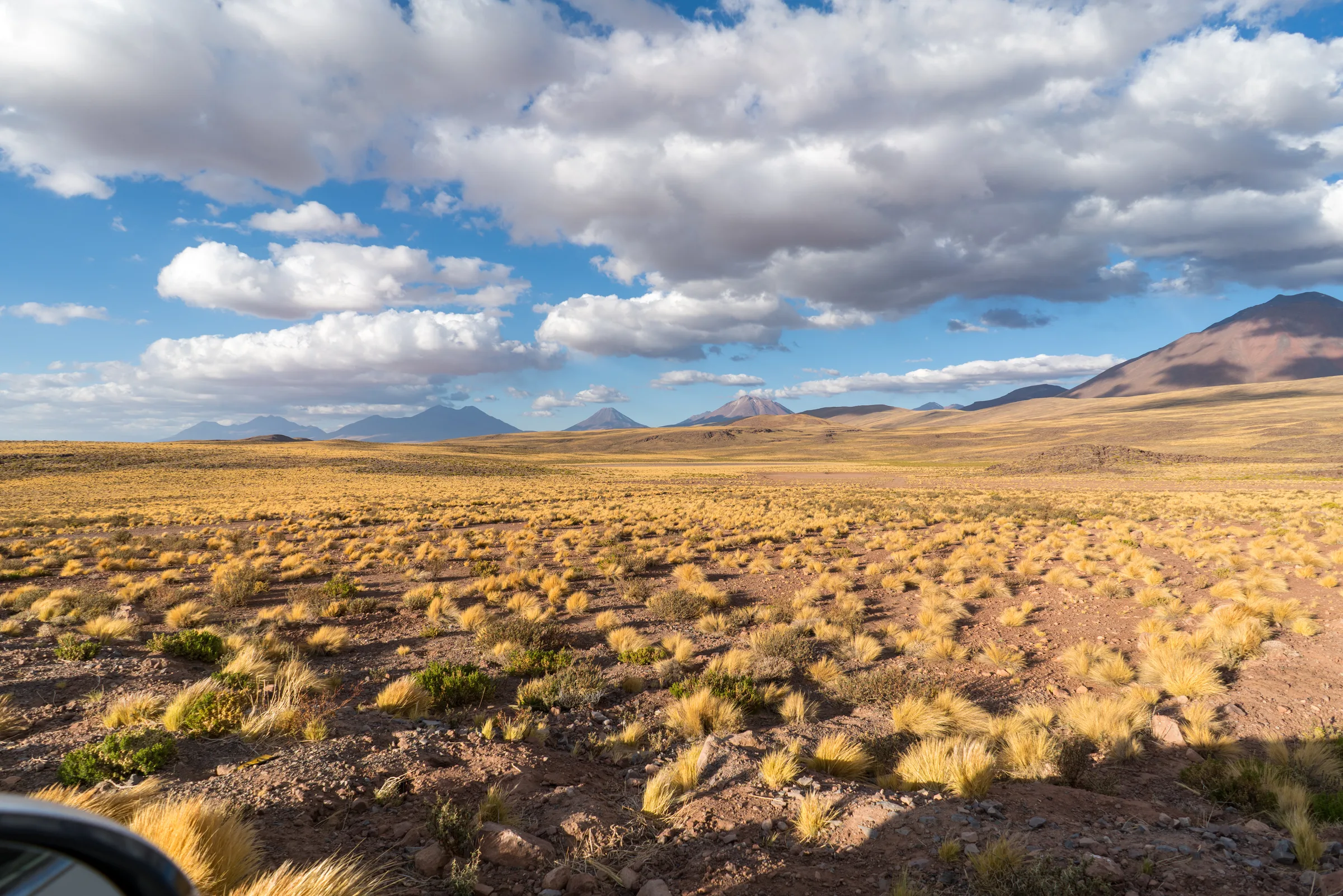
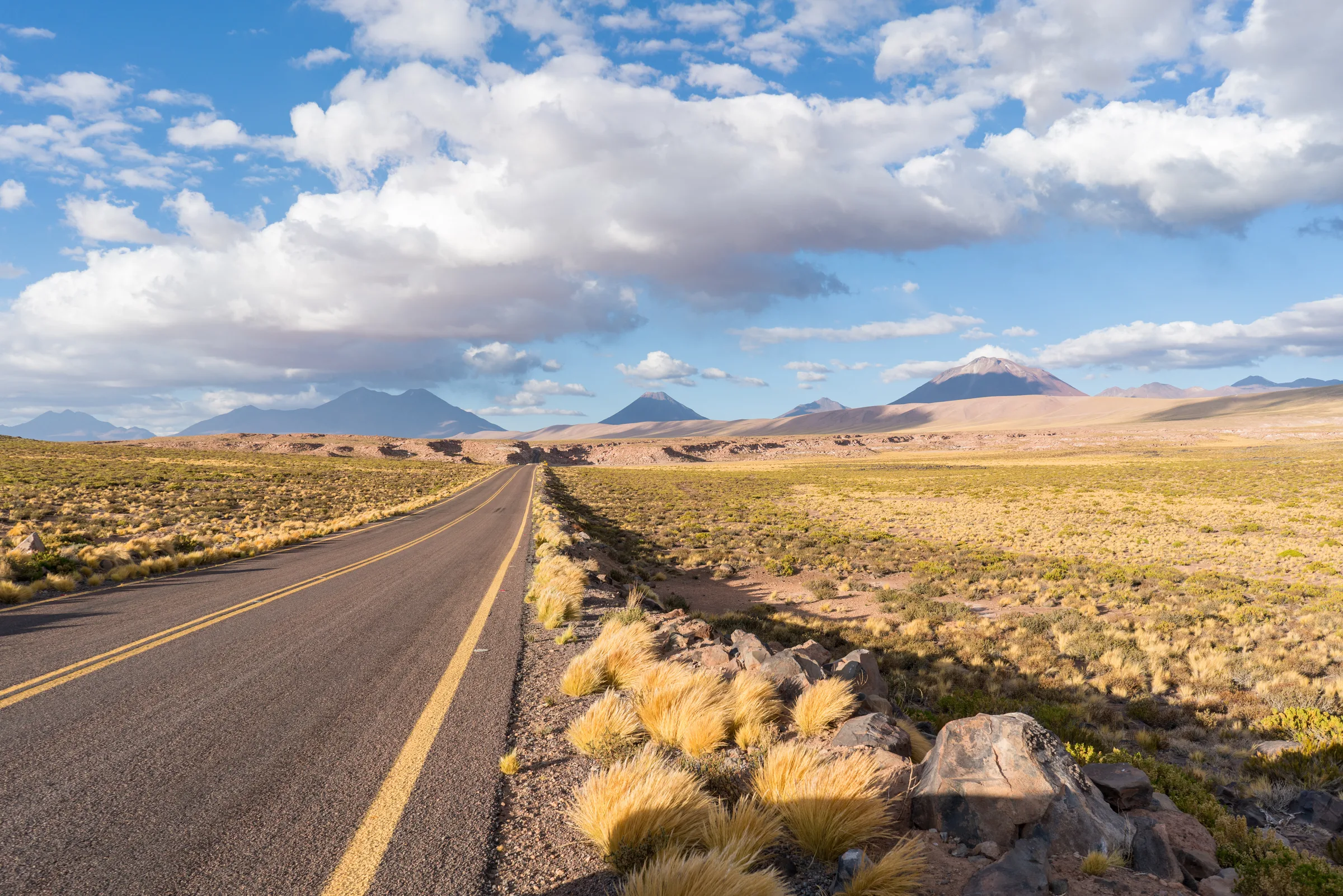
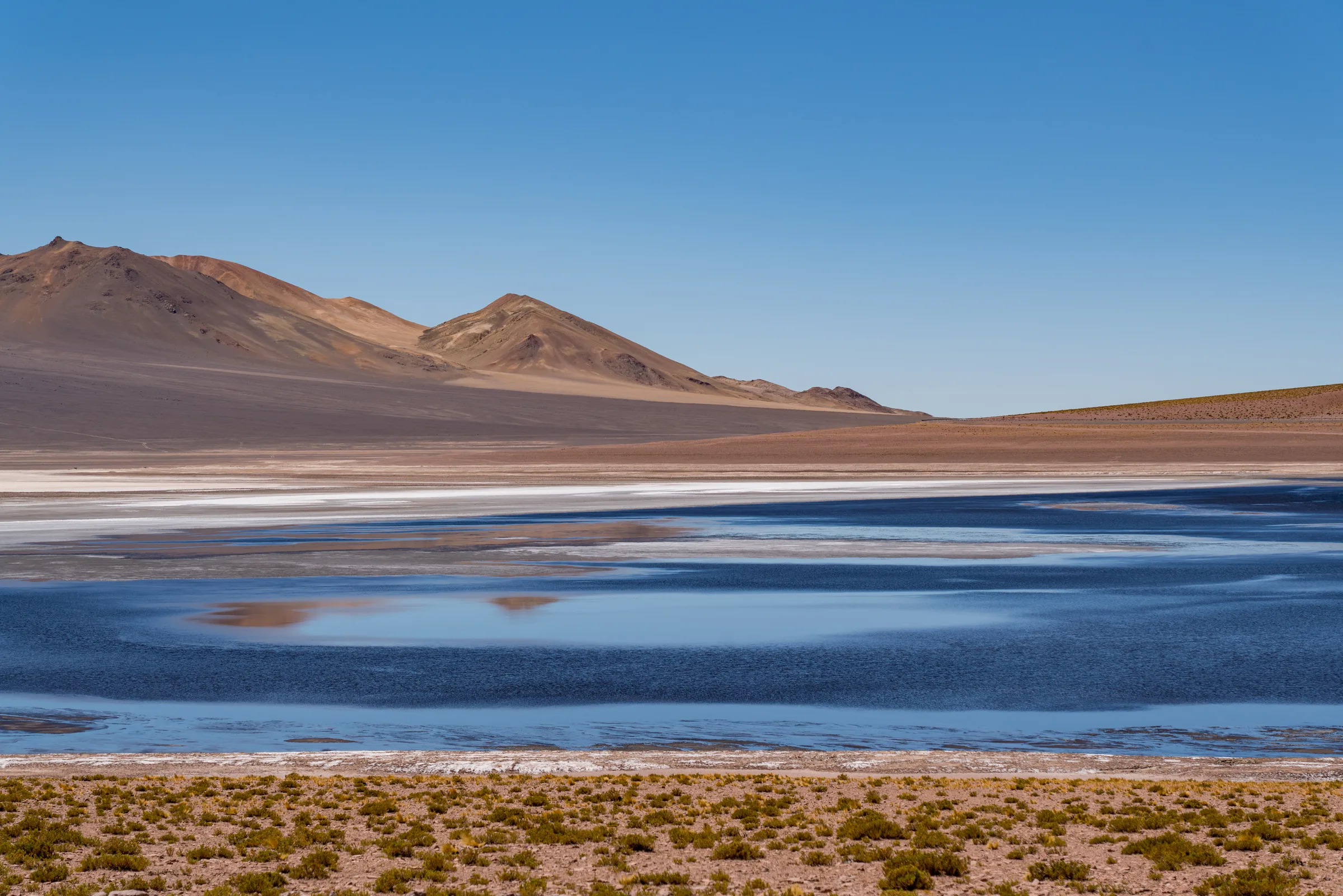
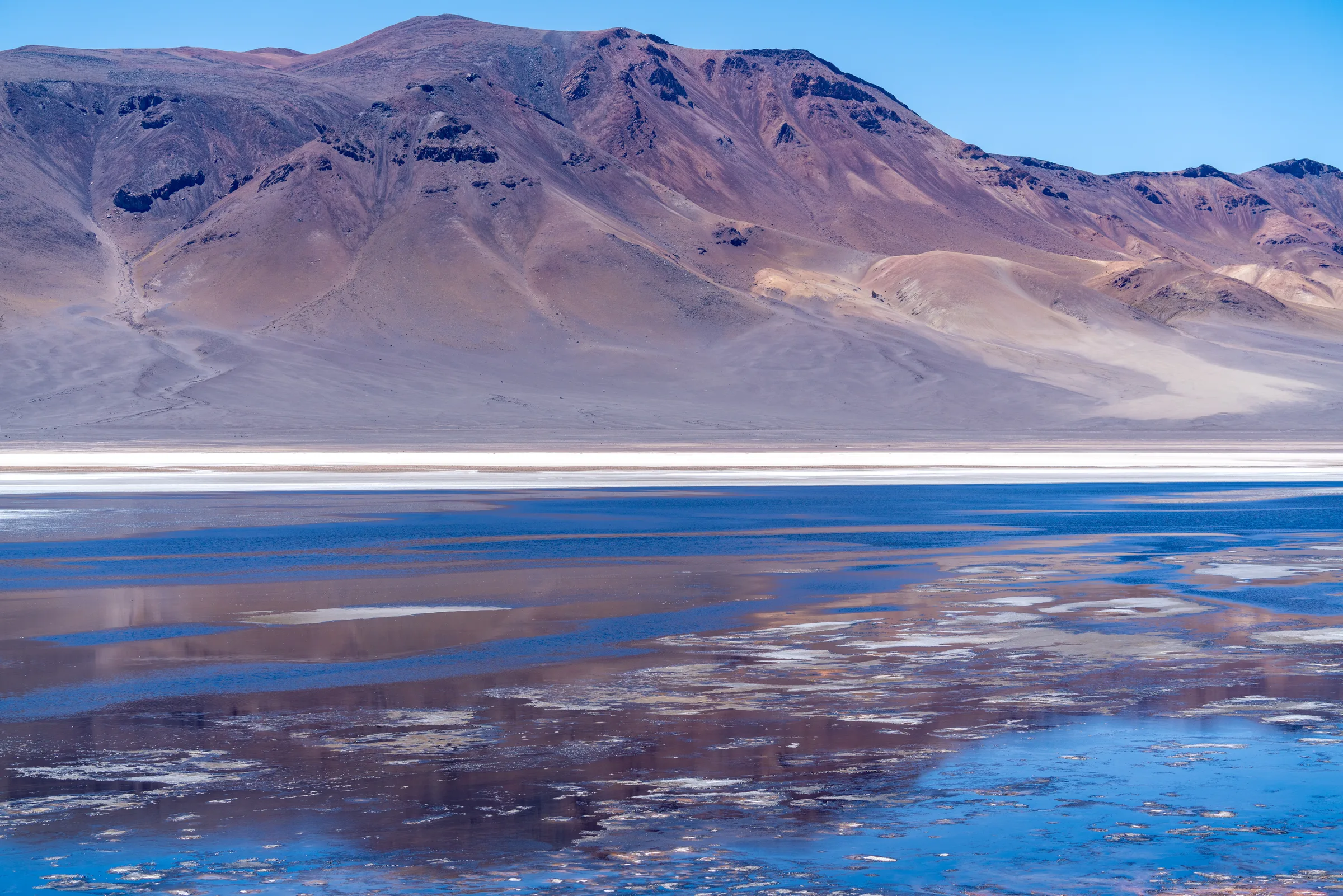
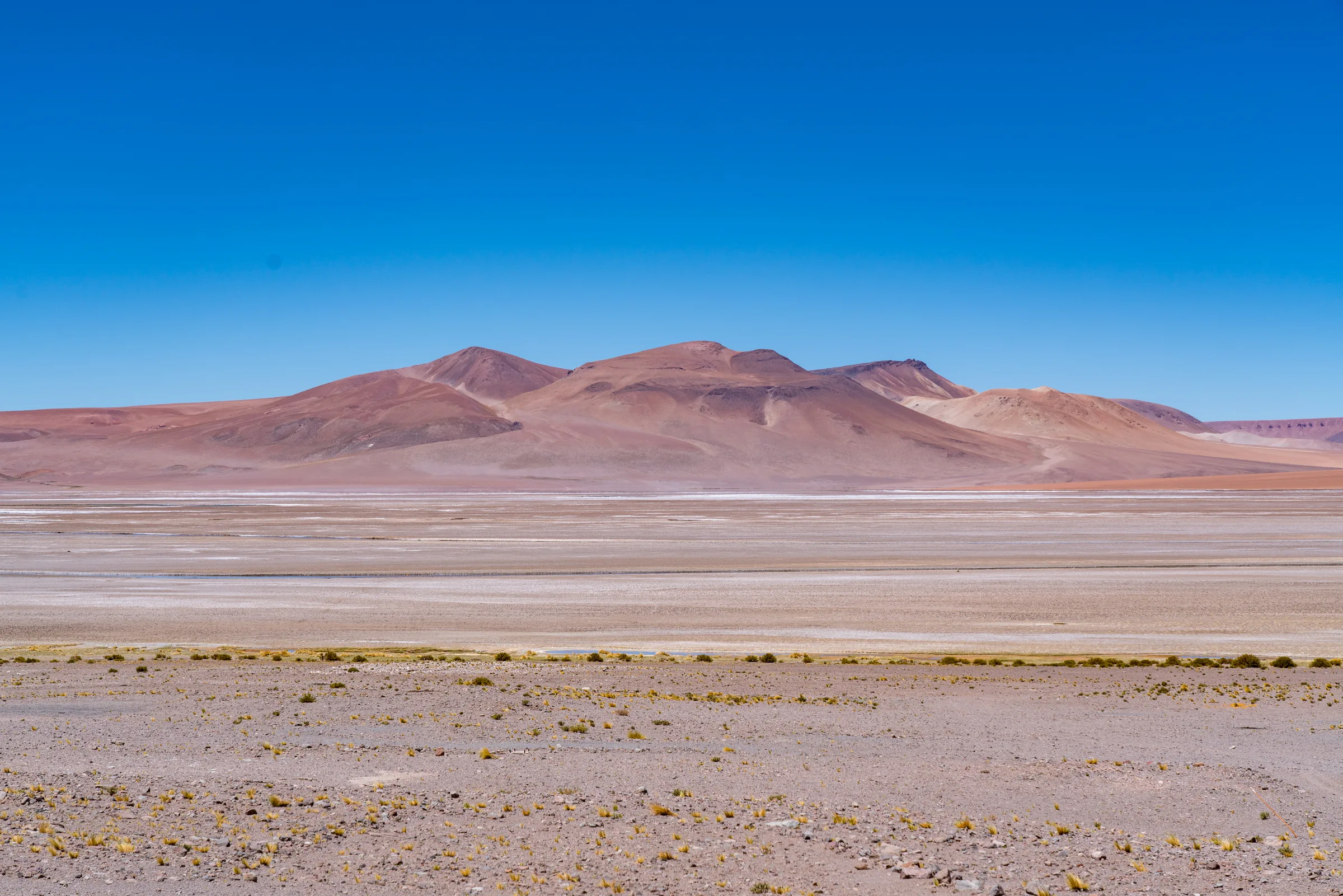
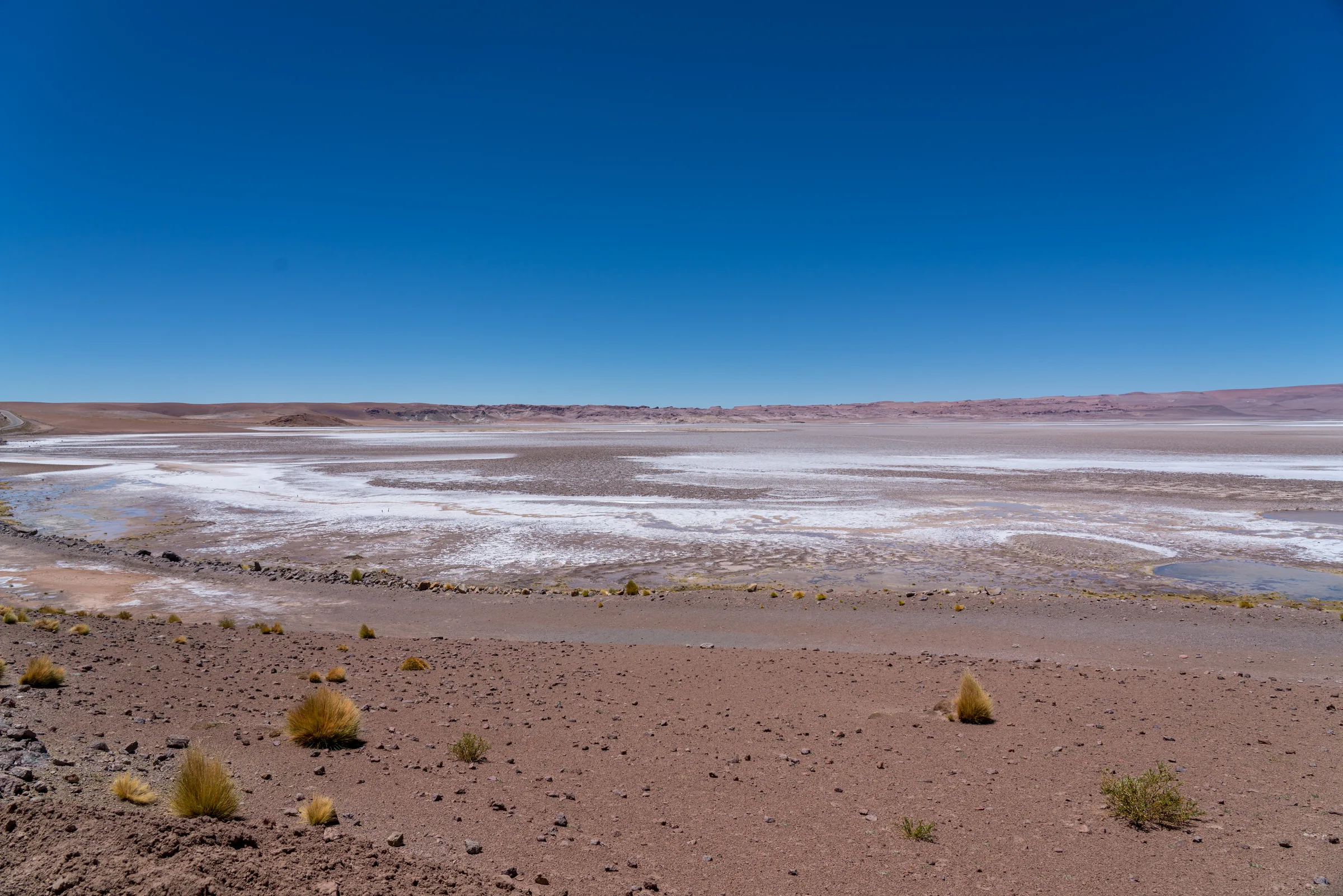
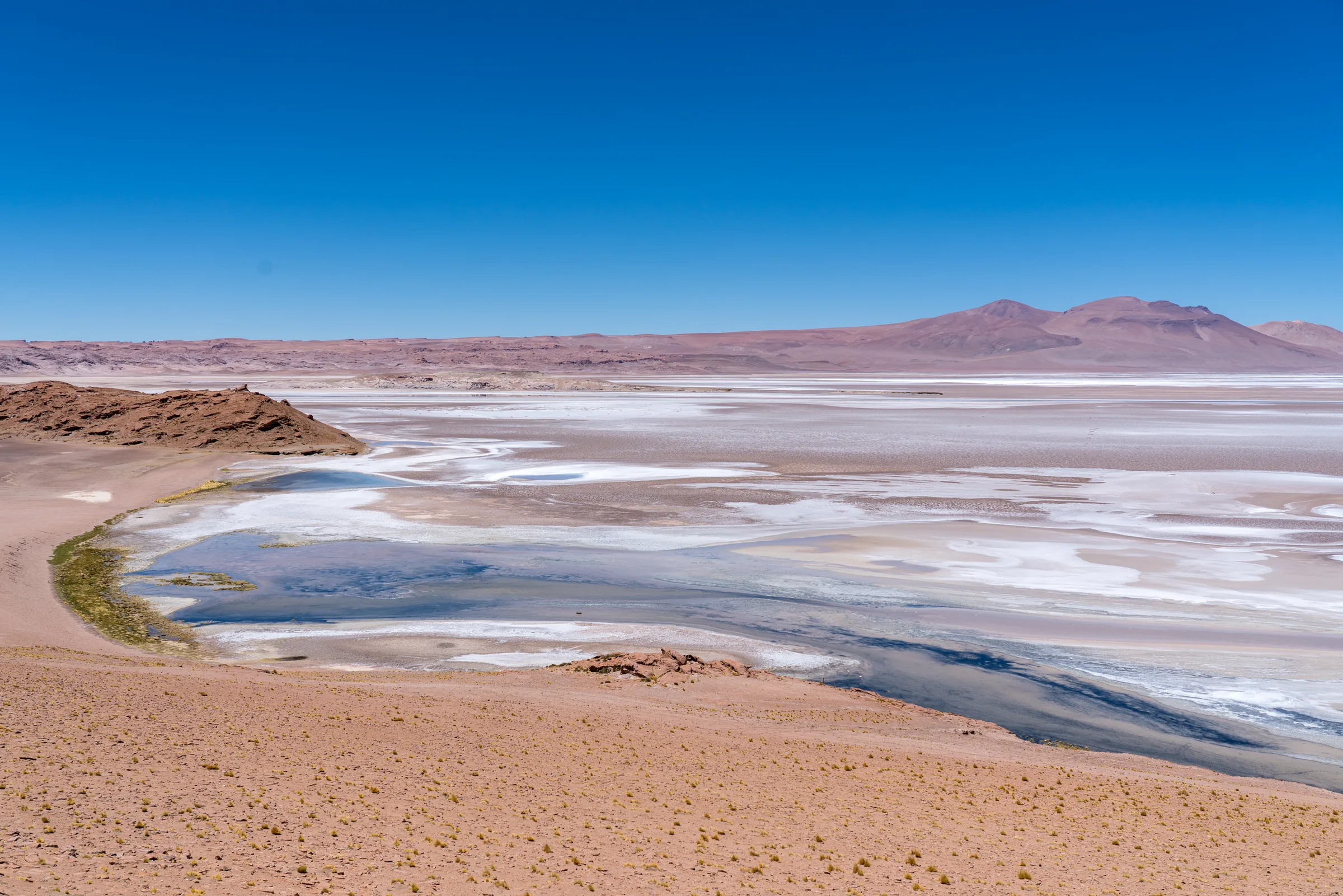
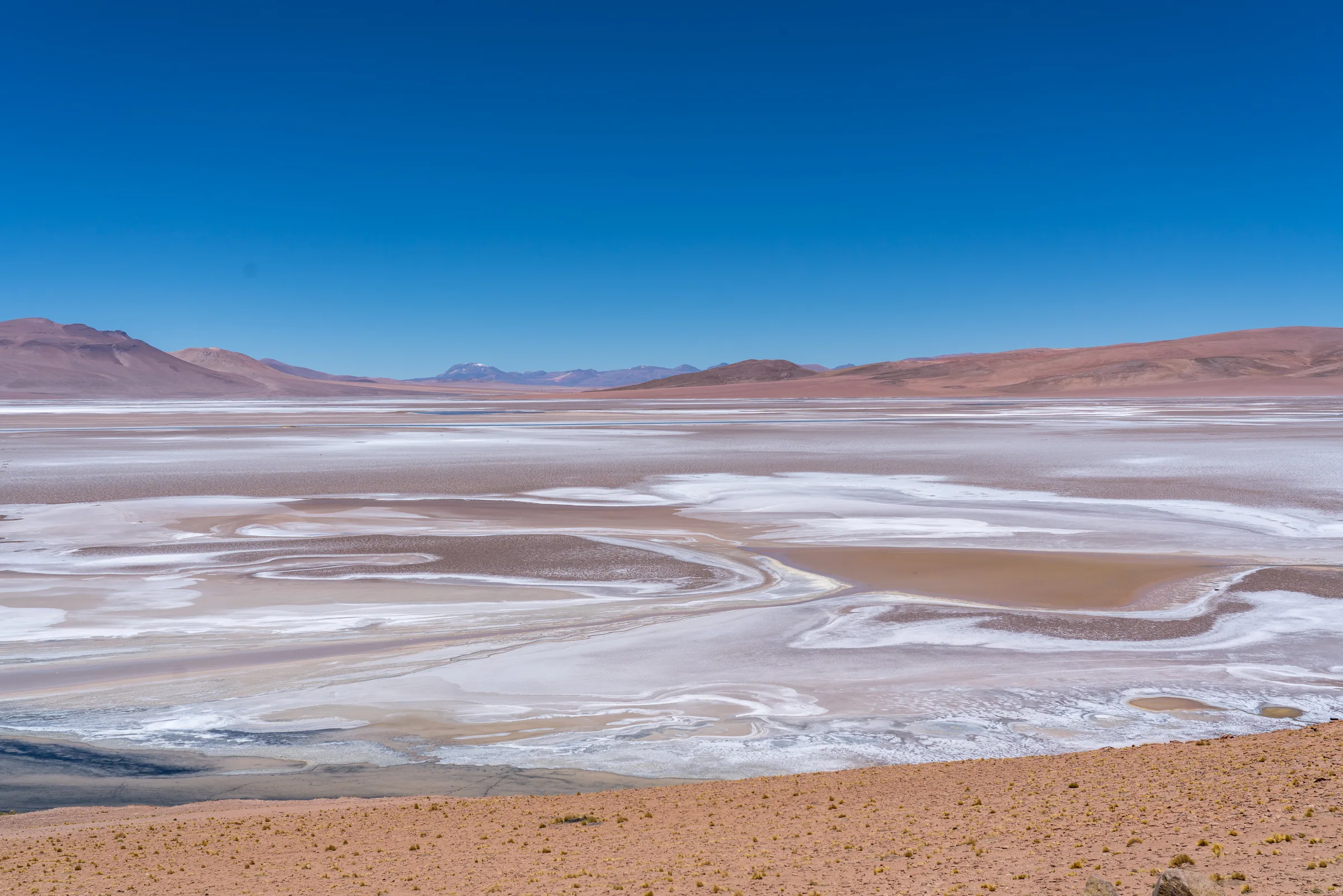
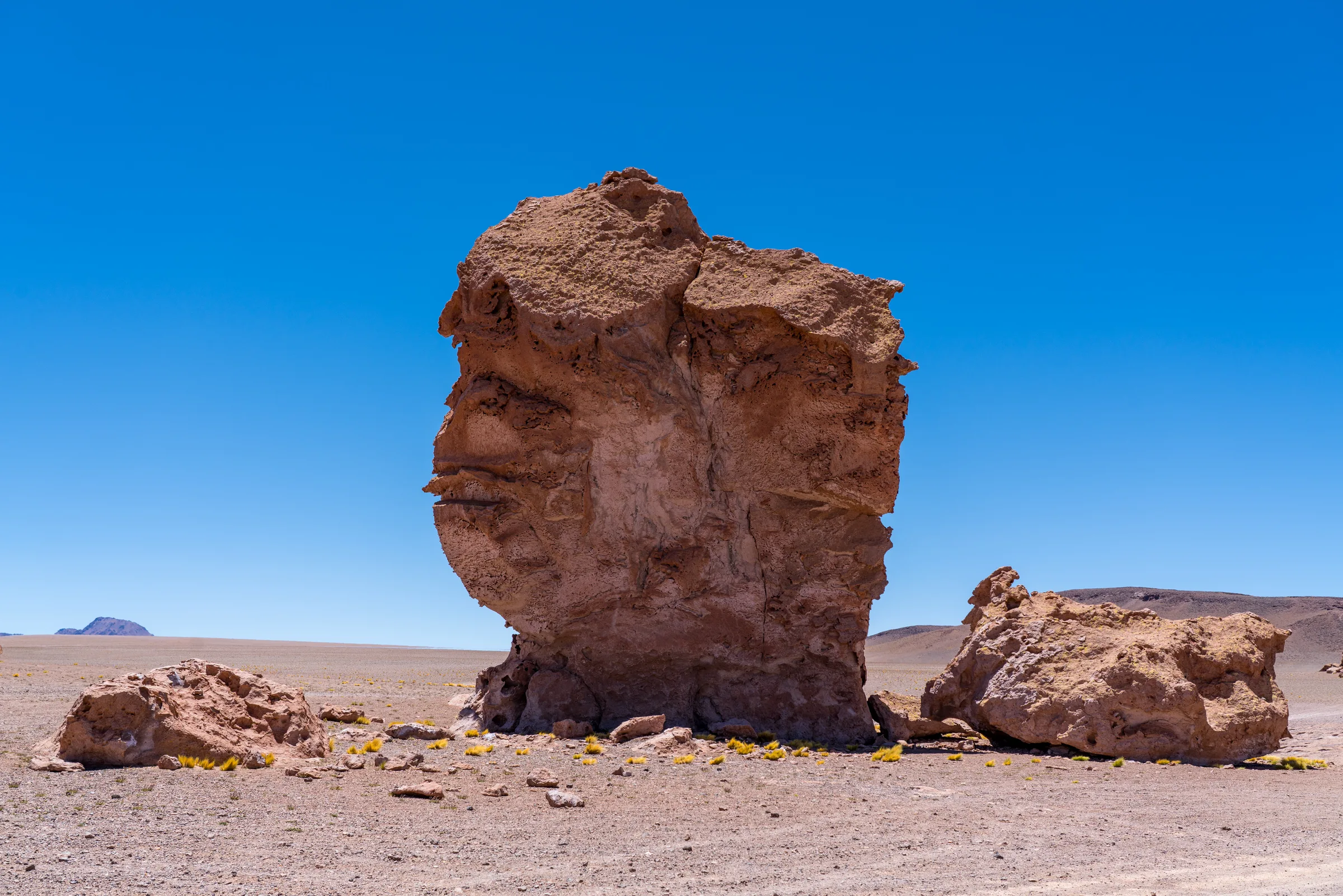
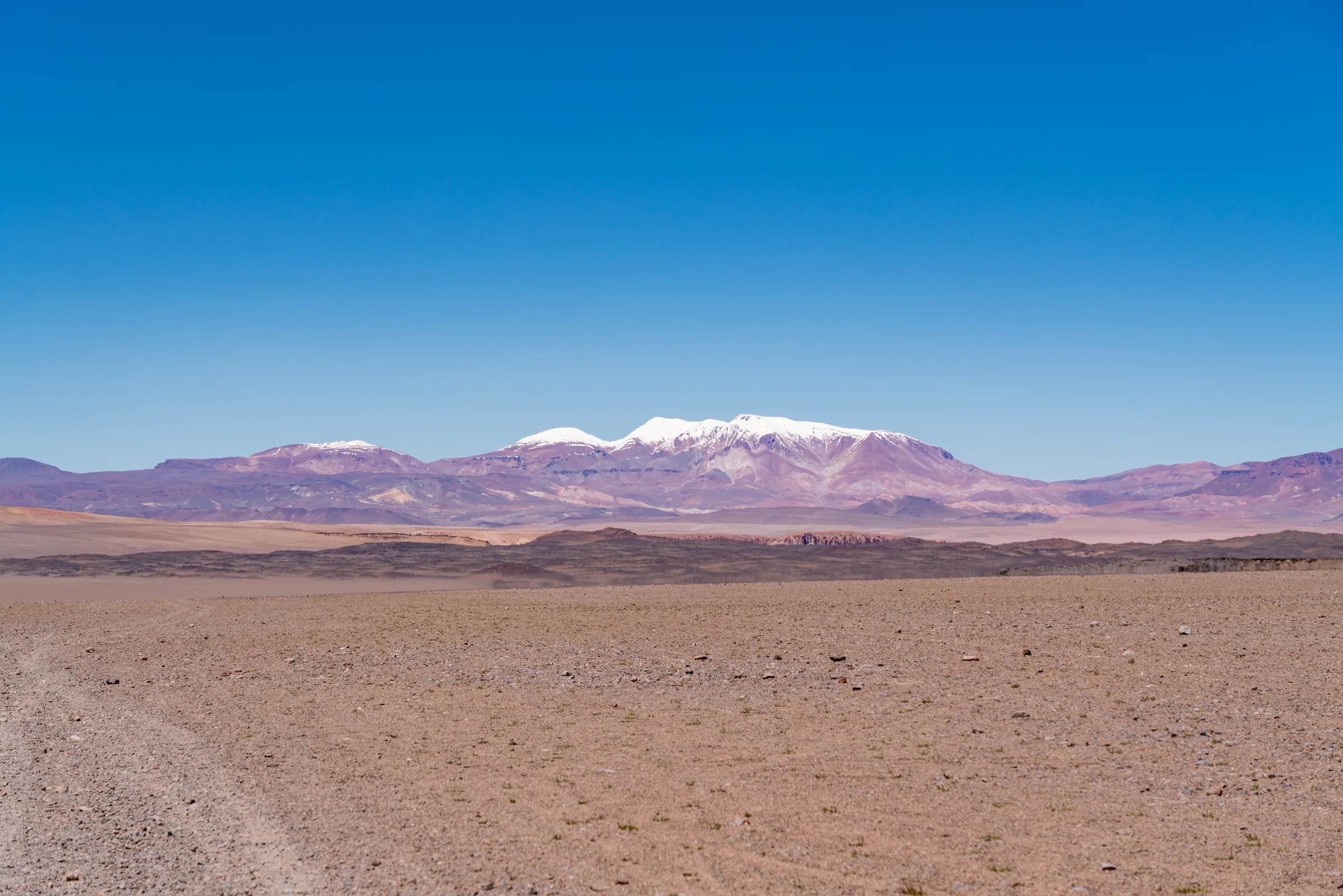
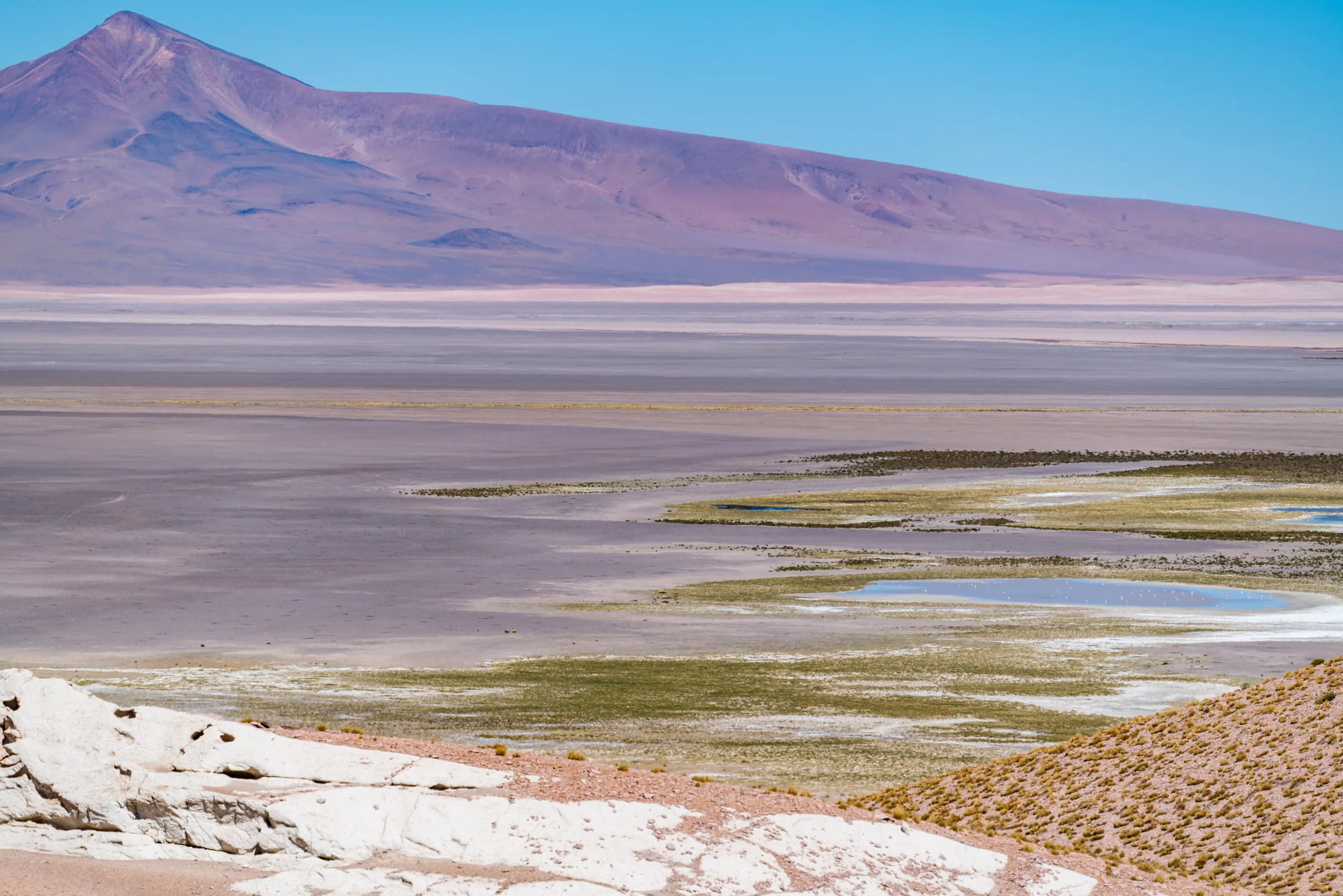
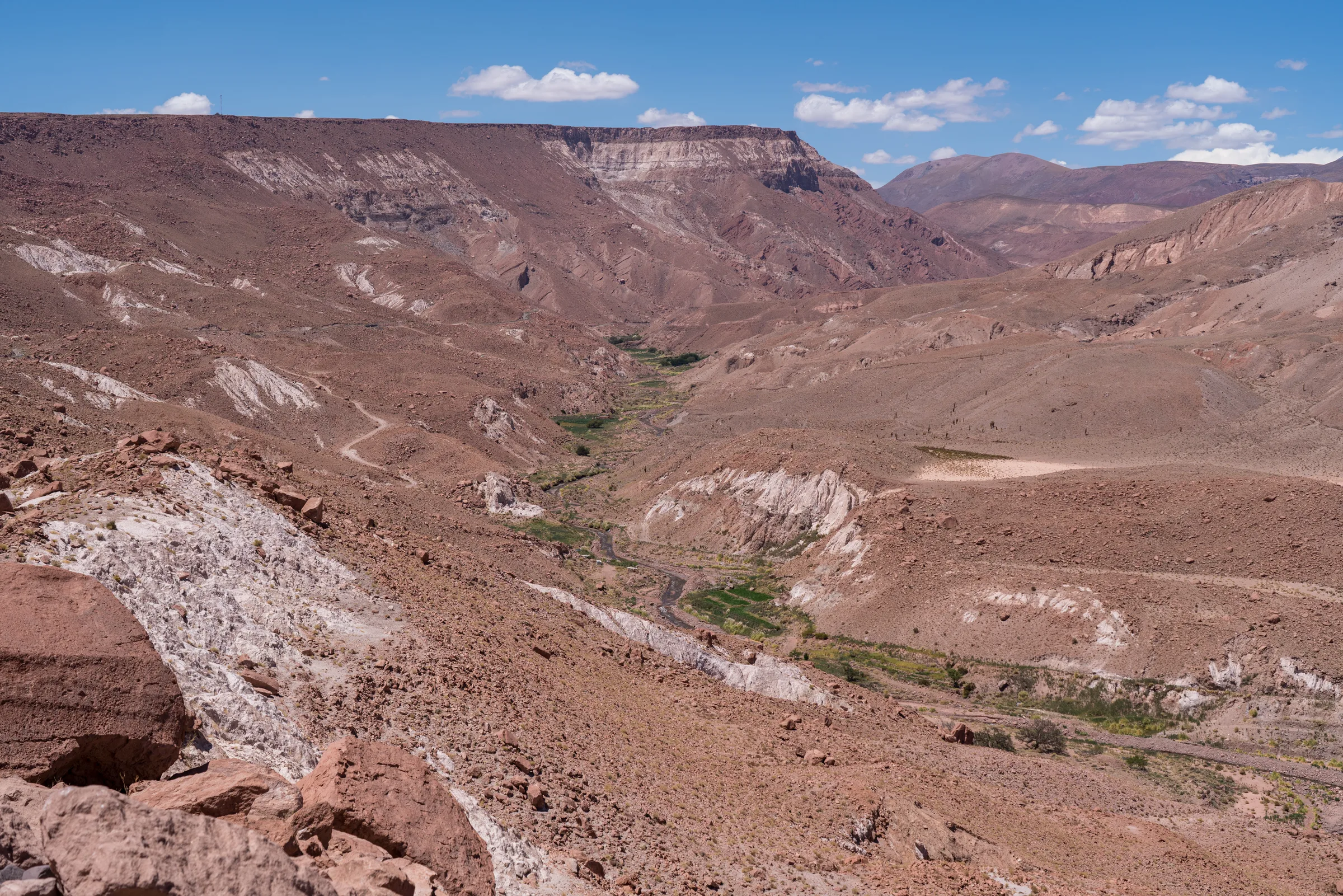
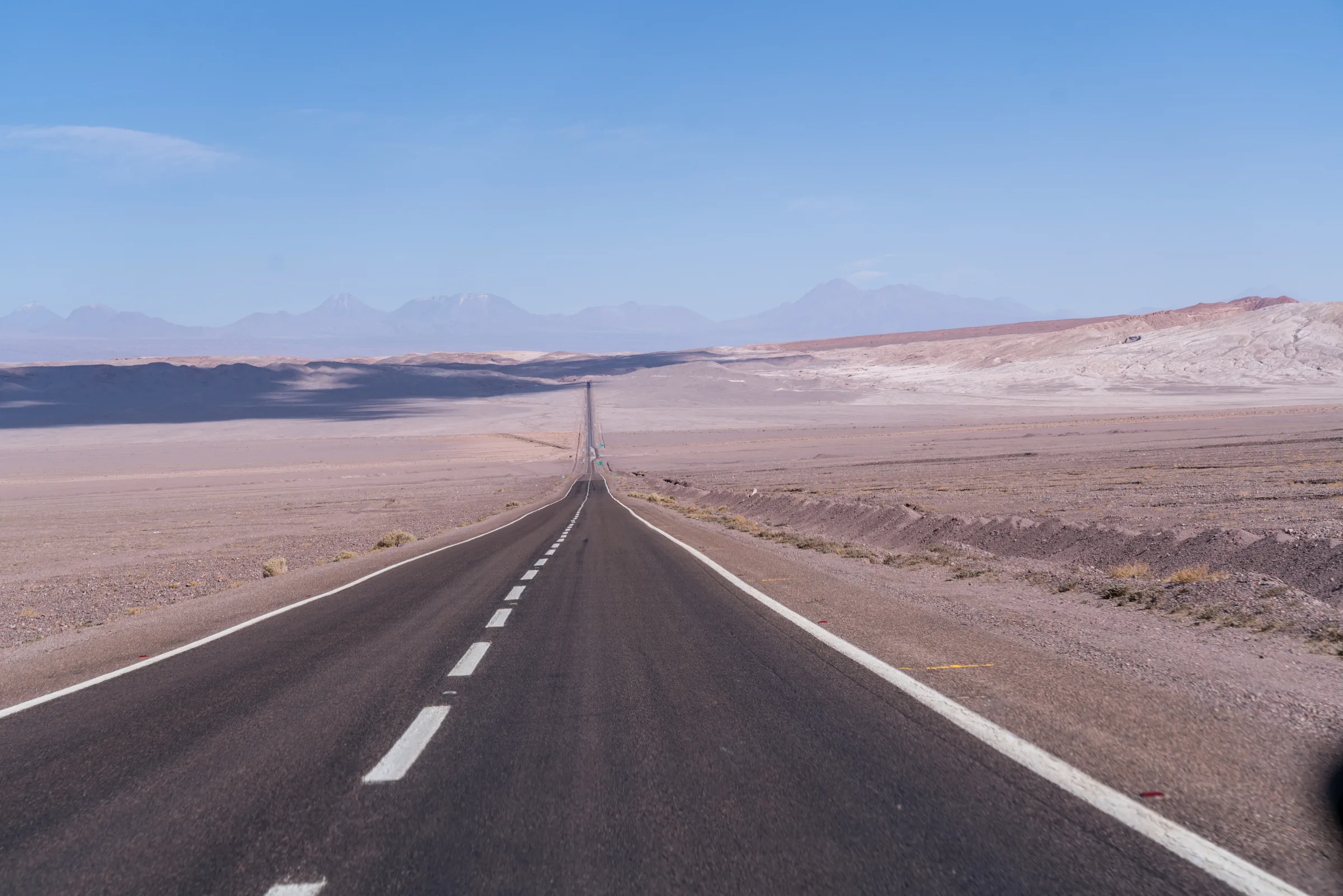
Acclimatization takes two days. First: south from San Pedro along the Salar de Atacama, asphalt across the plateau up to four thousand eight hundred metres. No breath sensations, the landscape moves from mineral void into altiplánicas colour — Laguna Miscanti, Salar de Aguas Calientes, Laguna Tuyajto, water under volcano cones. Second day: gravel to the south-east, the engine gives in at four thousand eight hundred fifty — knocking at low revs, no power, we drop back down the loop. Fifty metres from the car to a rock for a photo turns into a small fight for breath. UV is at its maximum from morning; this section of the reserve admits four hundred visitors a day, that day there were ten of us.
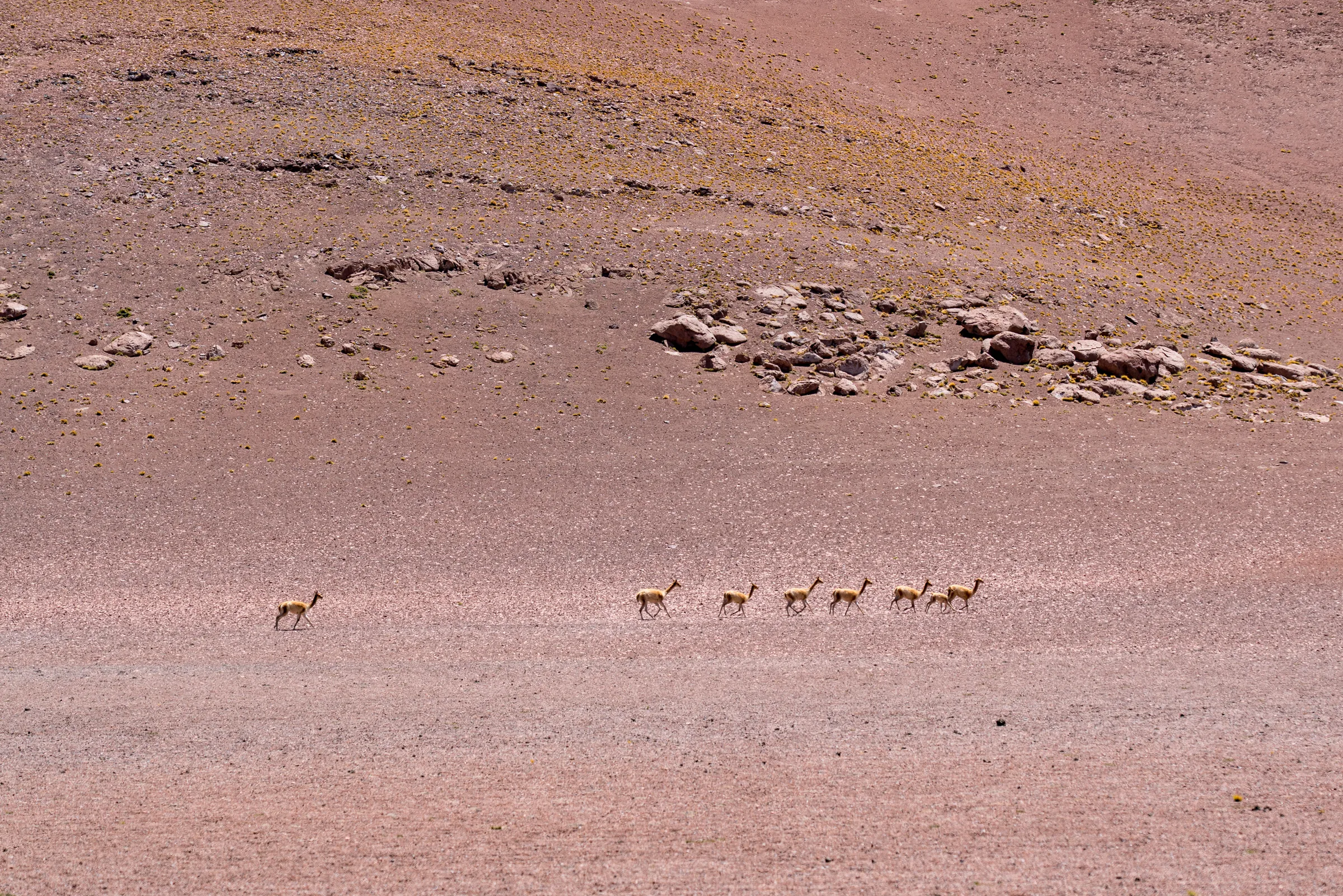
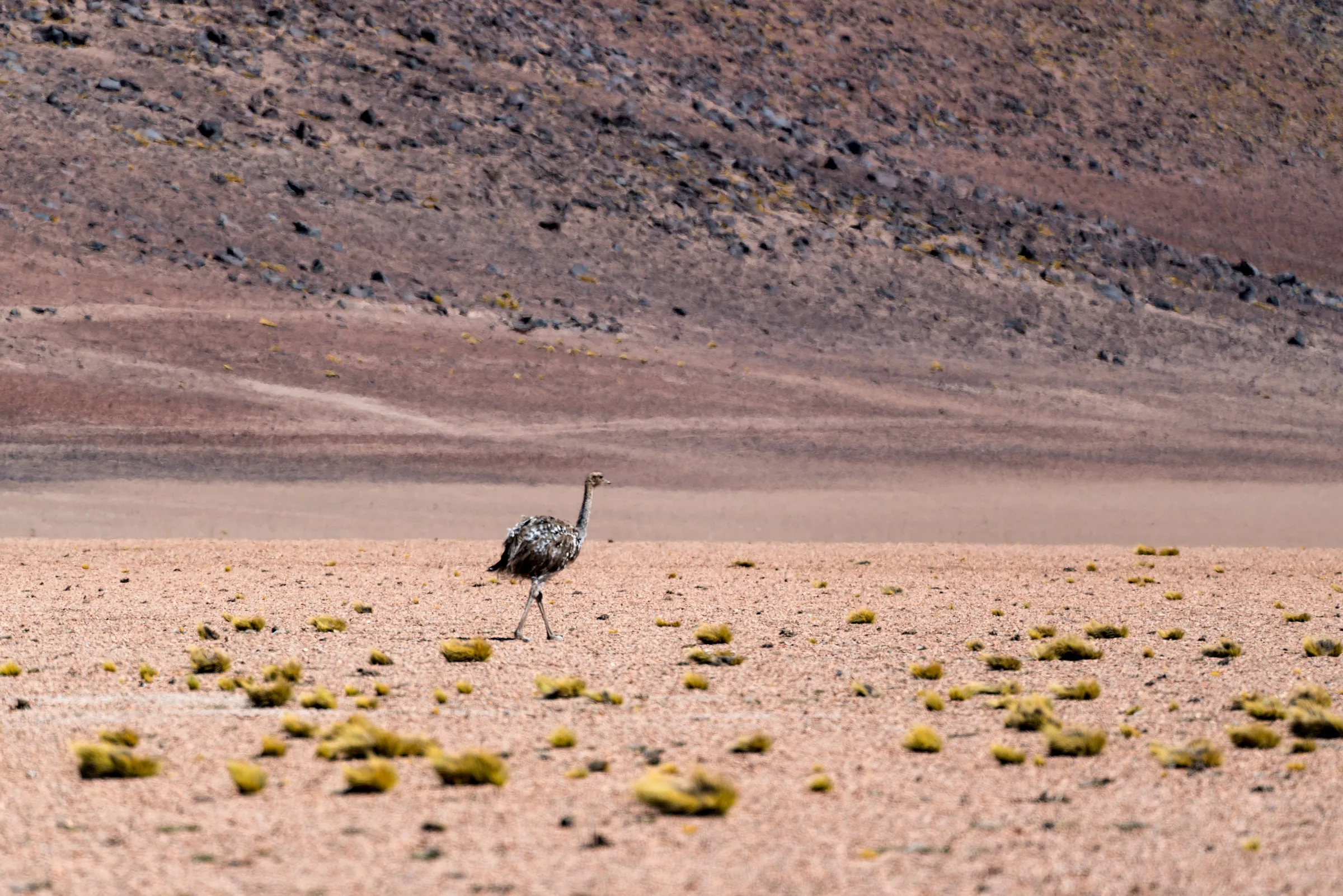
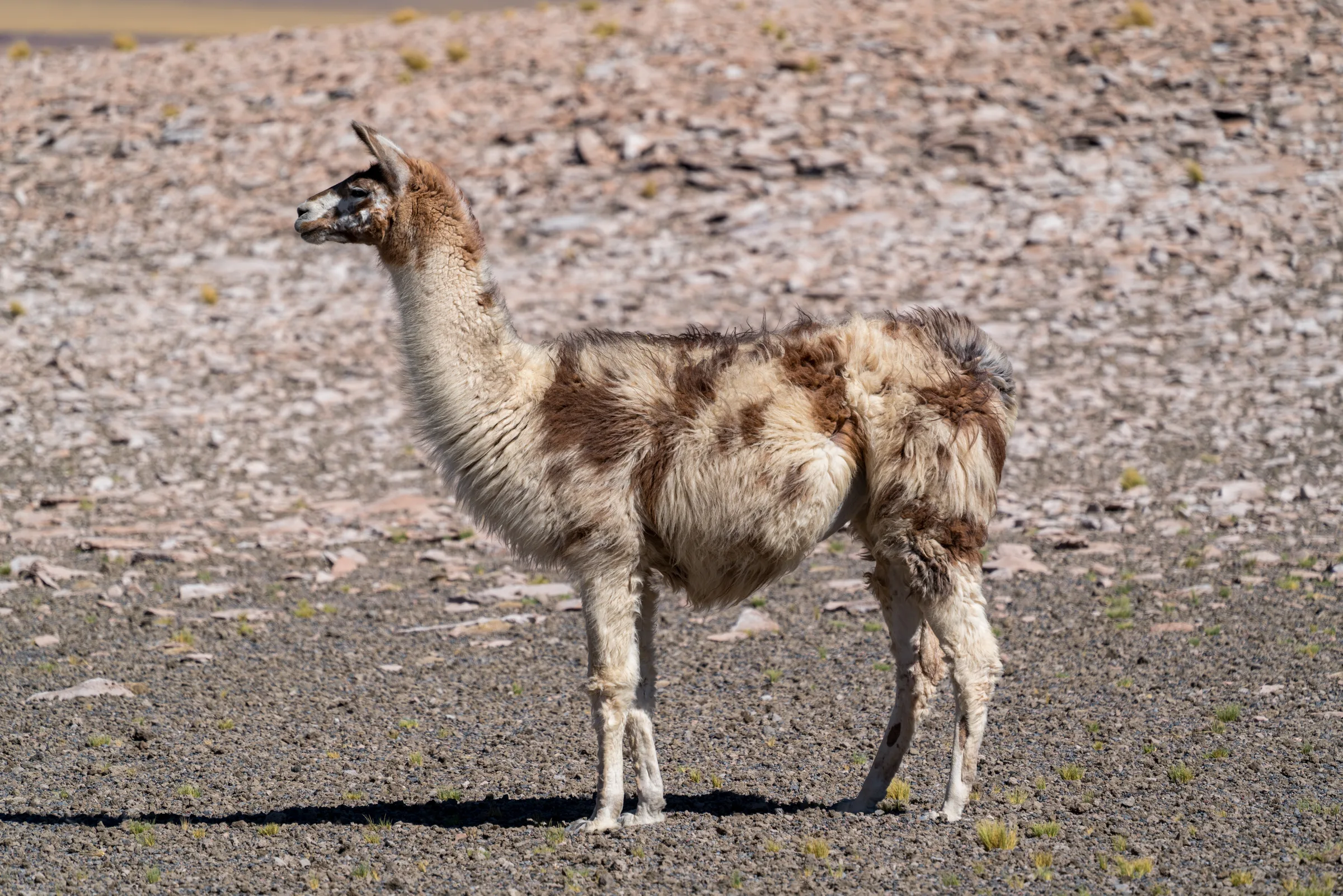
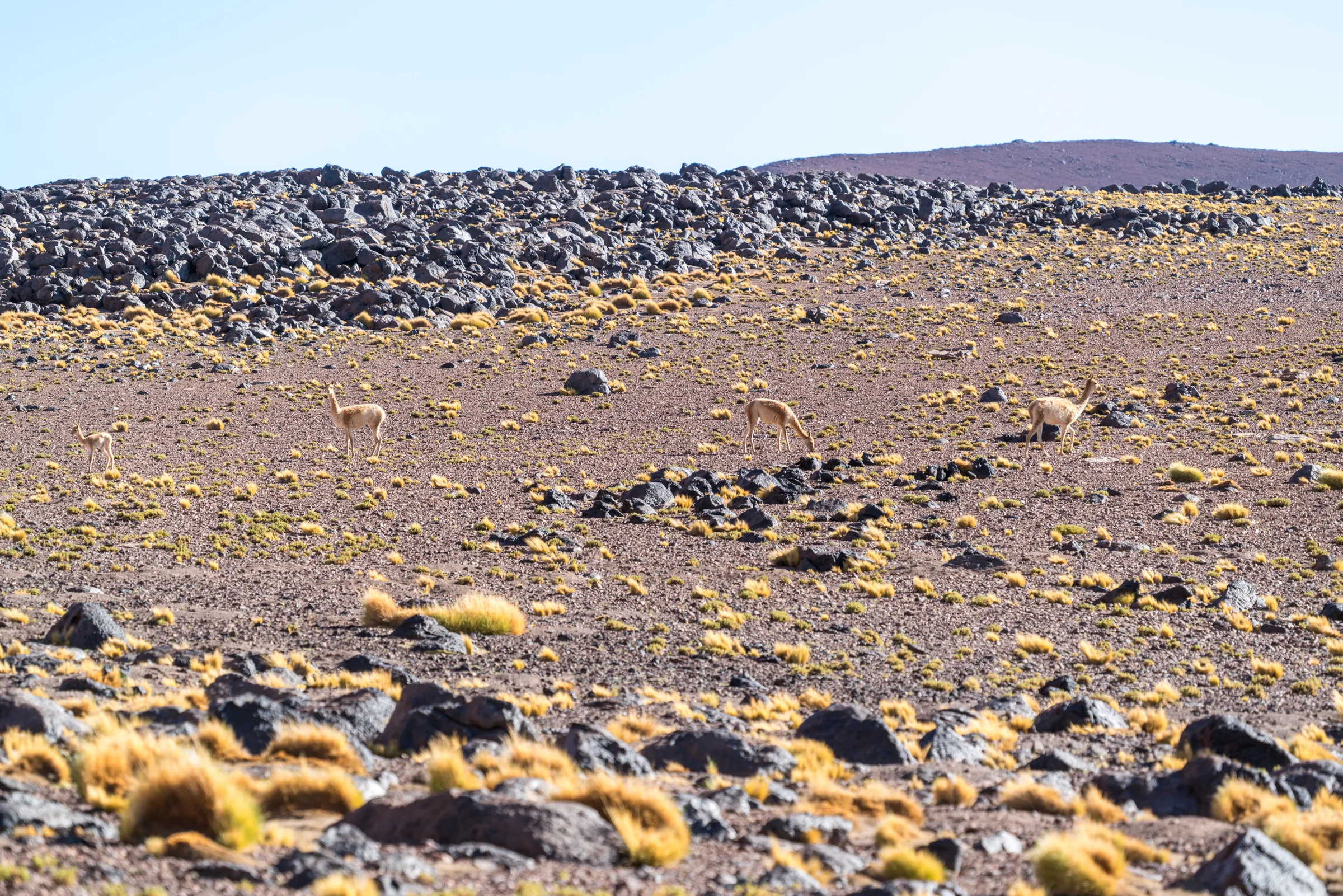
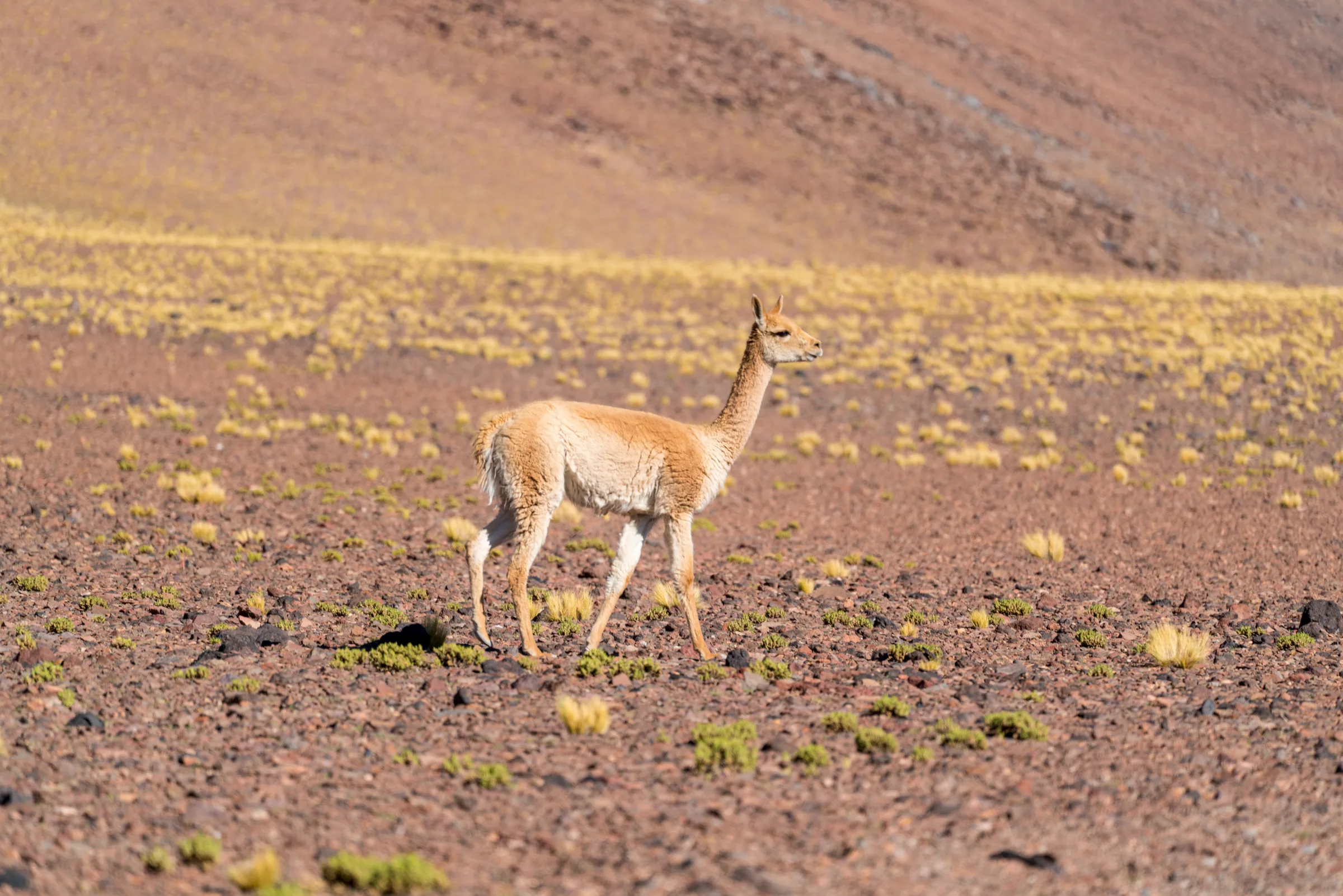
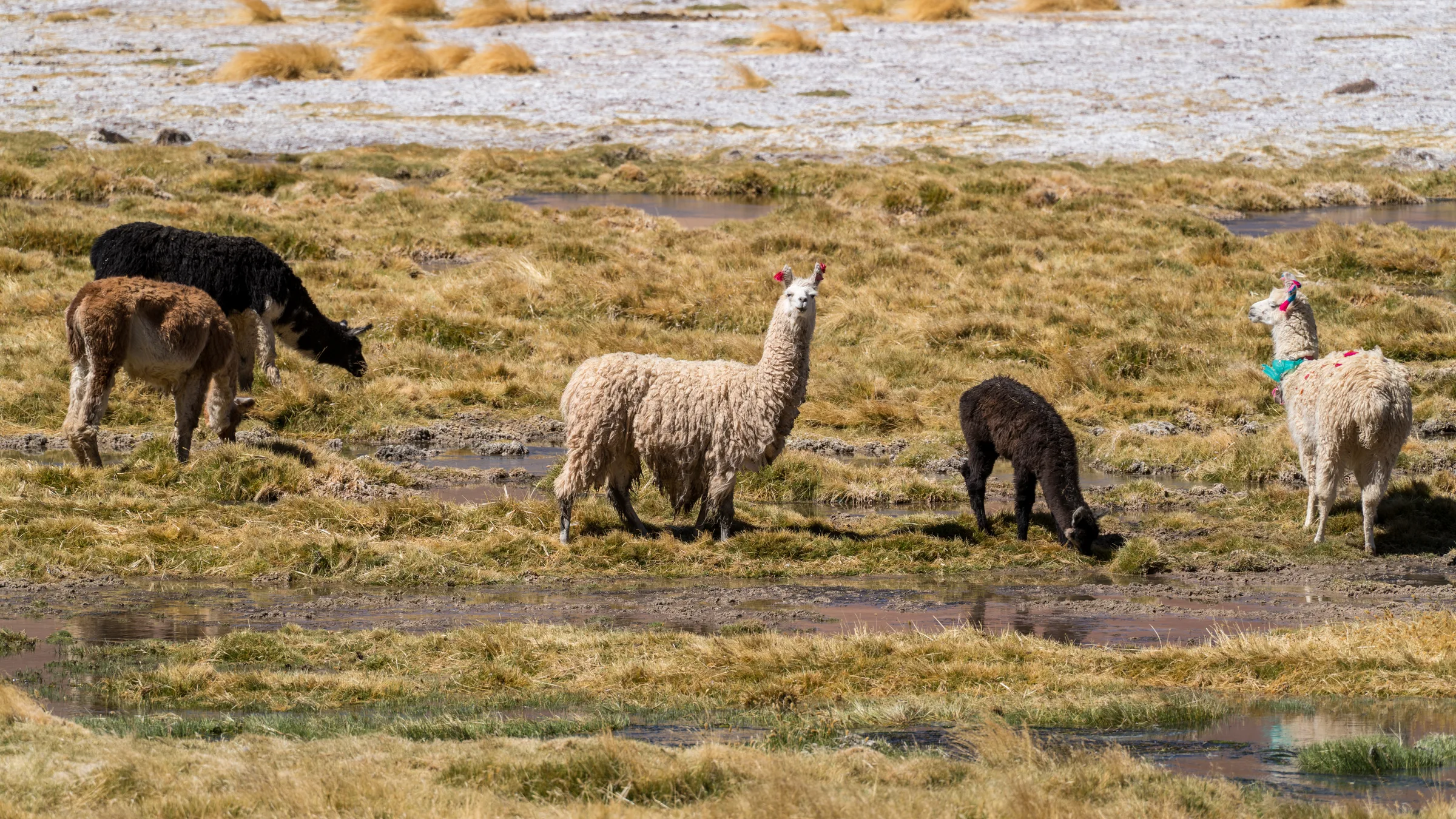
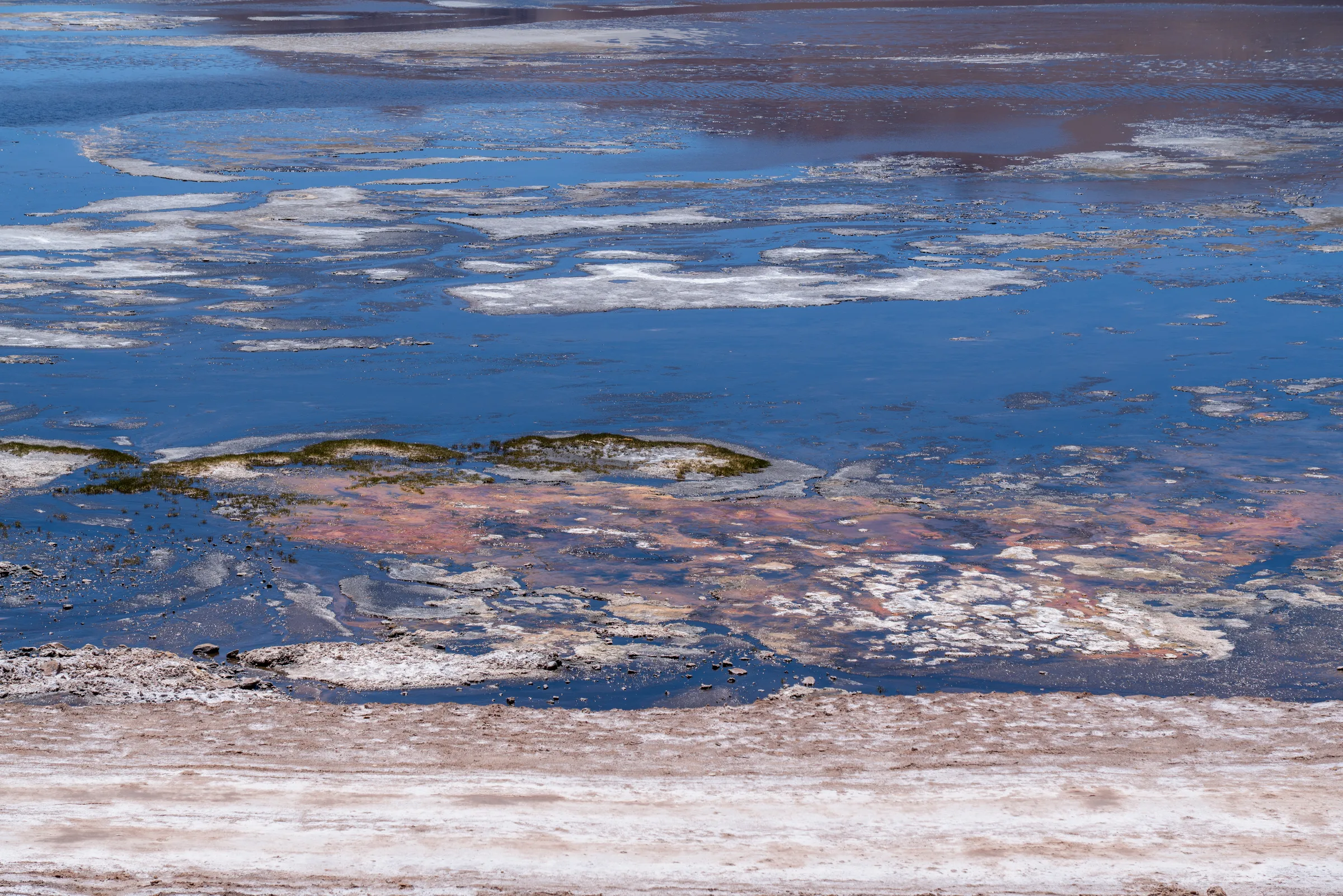
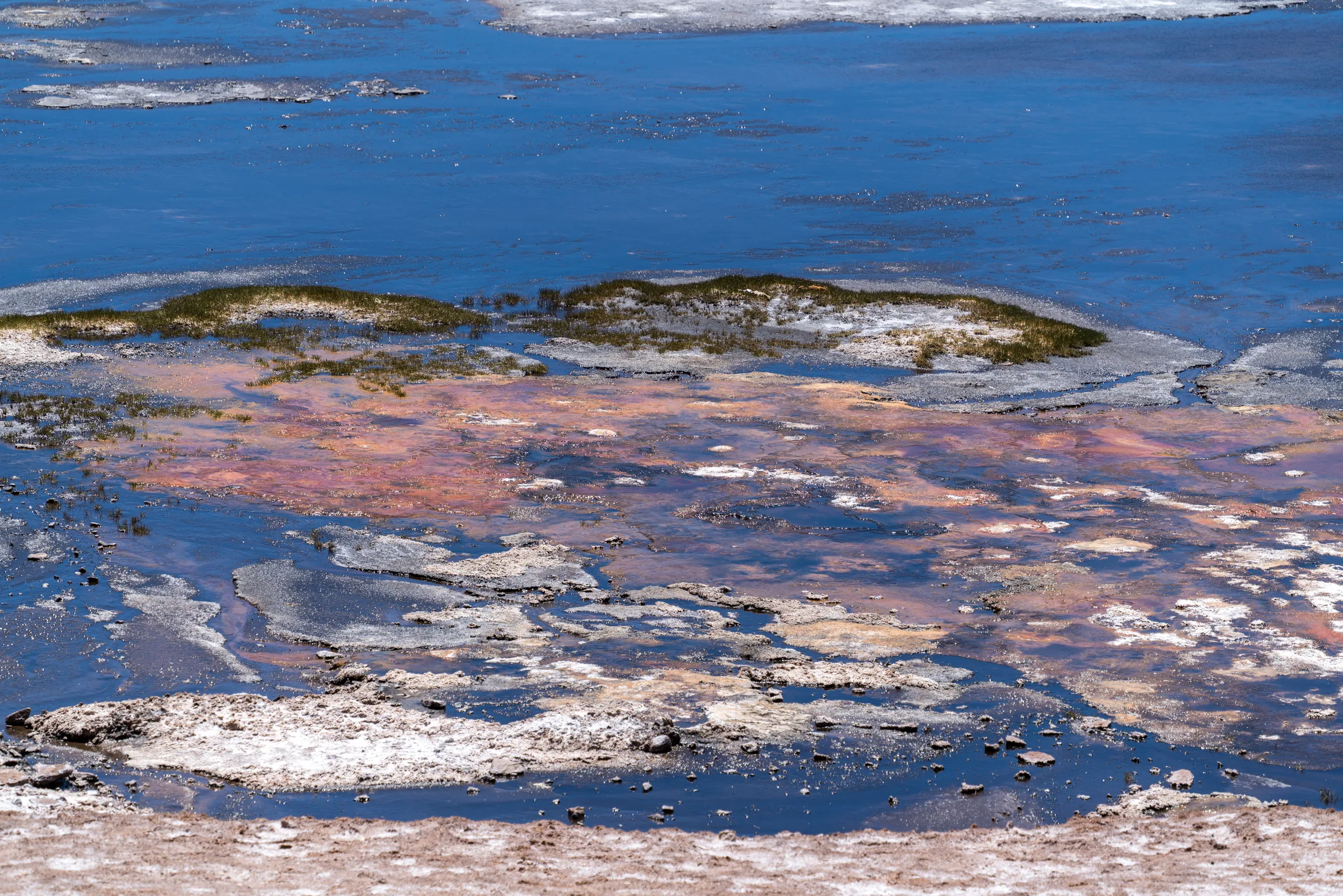
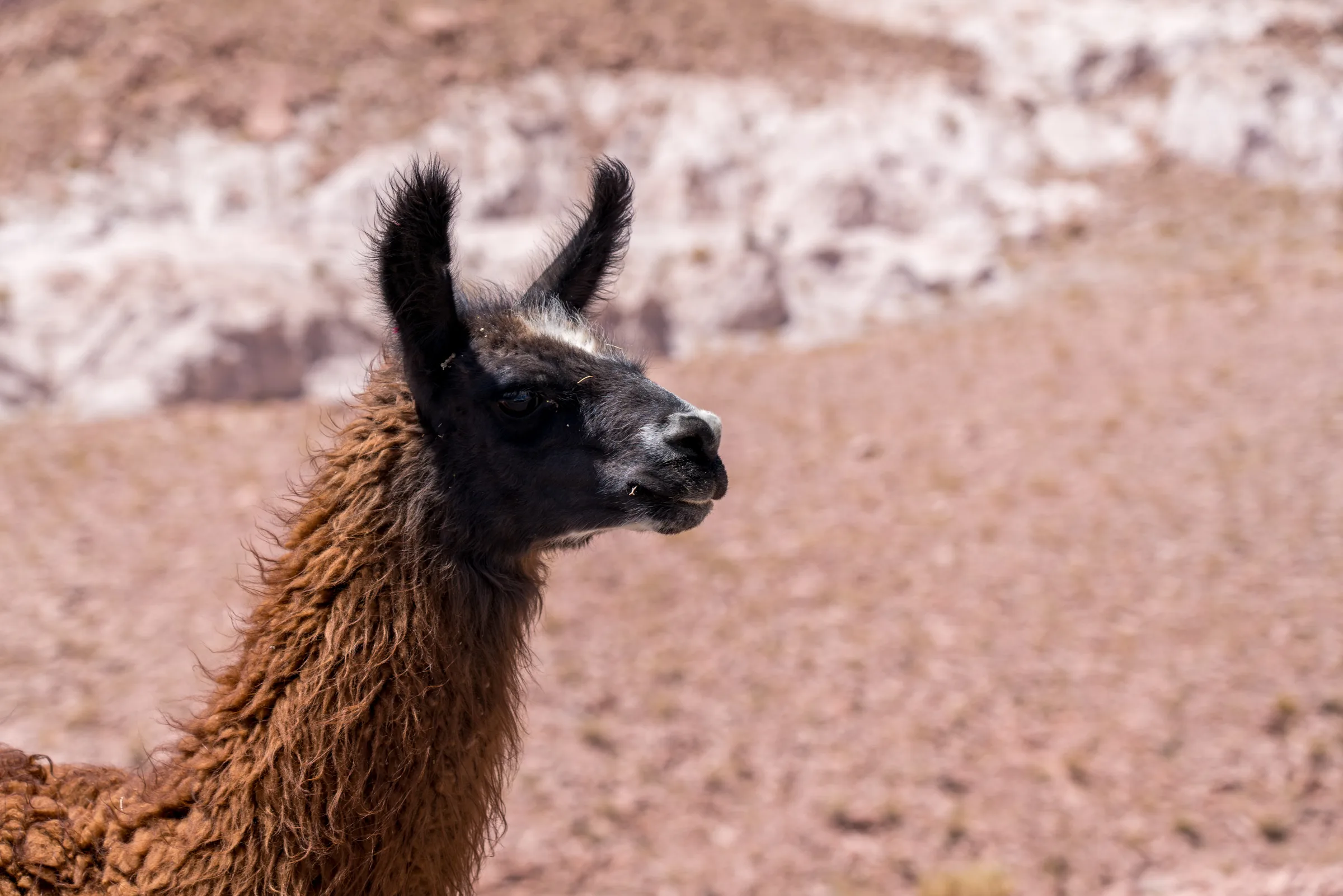
Three species of flamingo feed in the shallows — Andean, Chilean, and James’s. The algae and microorganisms in their diet are the source of their pink pigment; without them they would be white. Vicuñas graze nearby, large lizards lie on the rocks, and in the shadow of the volcanoes the wind drags salt across the mirror of the water.
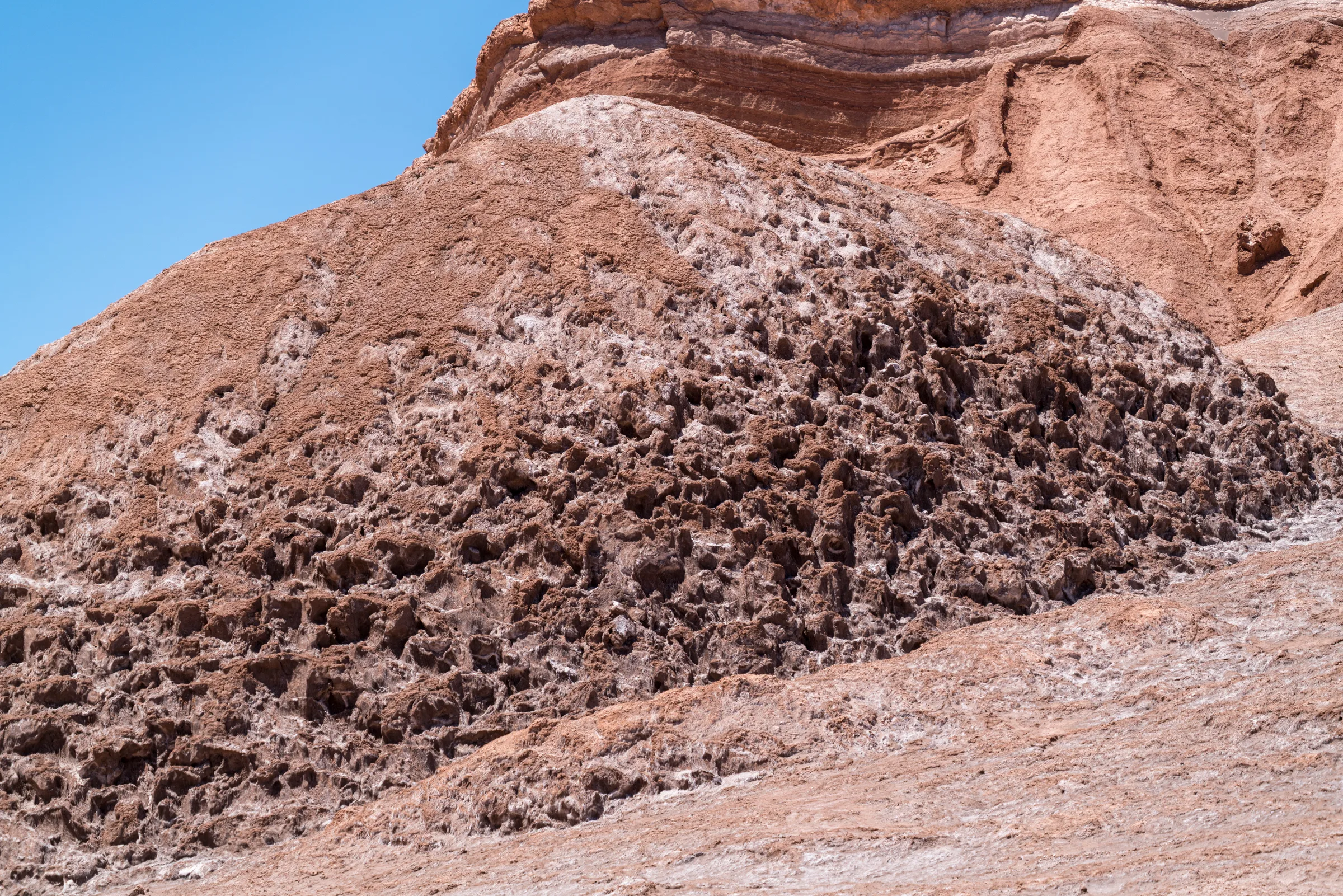
Under the thin crust of the Salar de Atacama lies one of the world’s largest and richest brine lithium deposits — estimated at roughly a quarter of global reserves. This is where the supply chain feeding electric-car batteries begins. Local communities are in continuous conflict with the extraction companies over water rights: pumping lithium brine requires water, and water is exactly what this place does not have.
El Tatio geysers at five in the morning. A geothermal field at 4320 m, one of the largest in the southern hemisphere — over eighty fumaroles and geysers in a single basin. Activity peaks at dawn, when the ambient temperature drops to minus ten and the steam condenses into columns visible from a kilometre away. By afternoon the water retreats underground and the geysers go quiet.
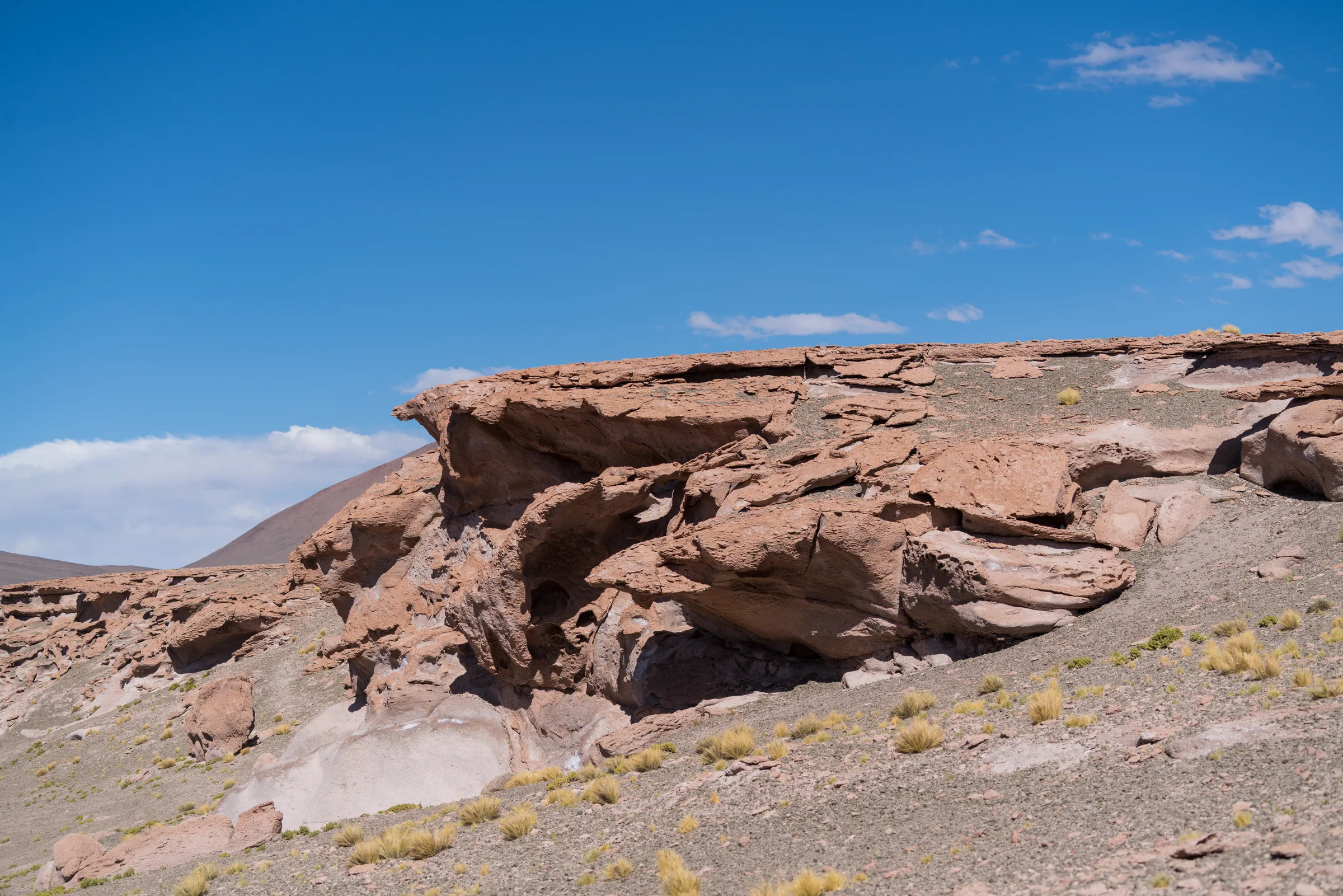
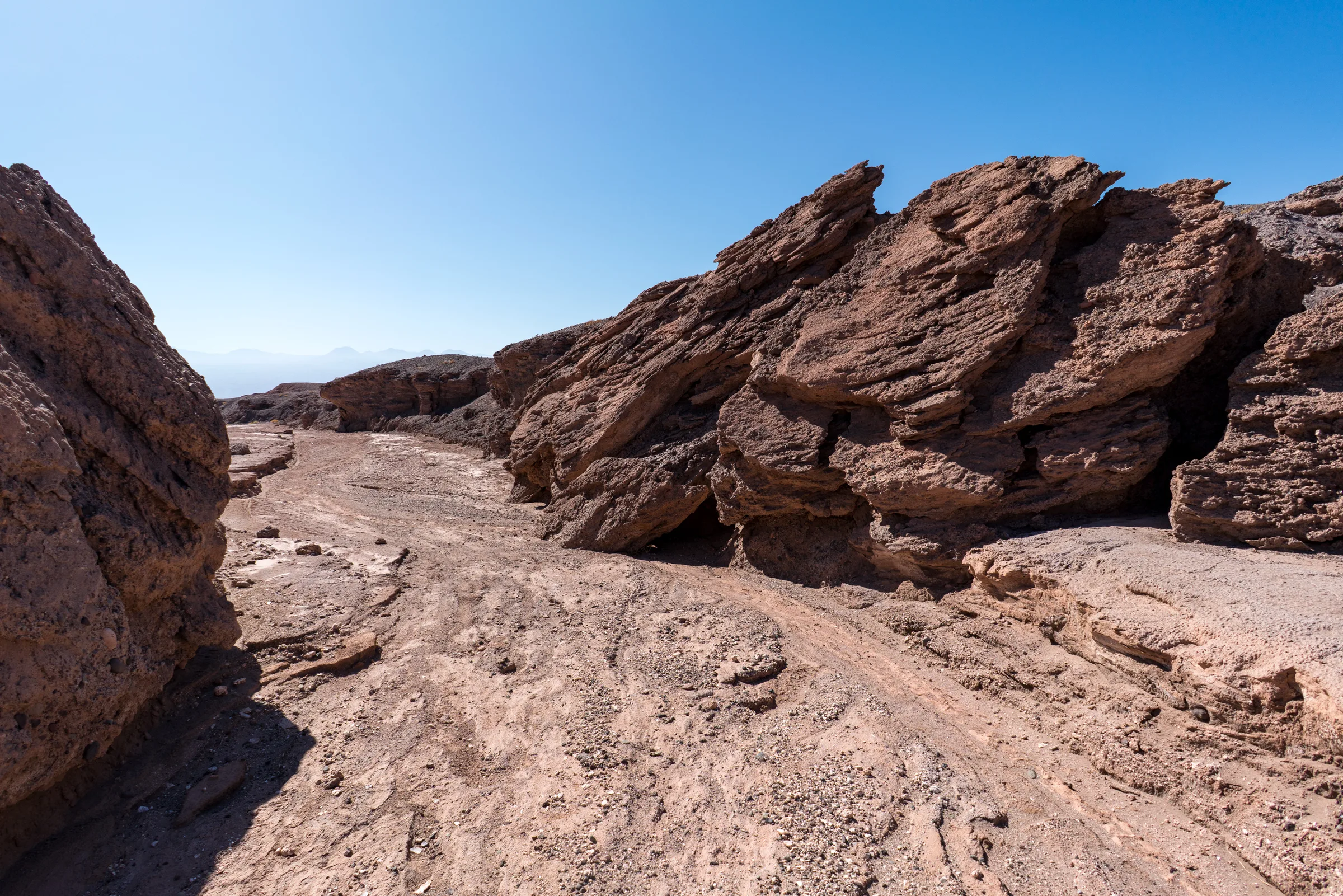
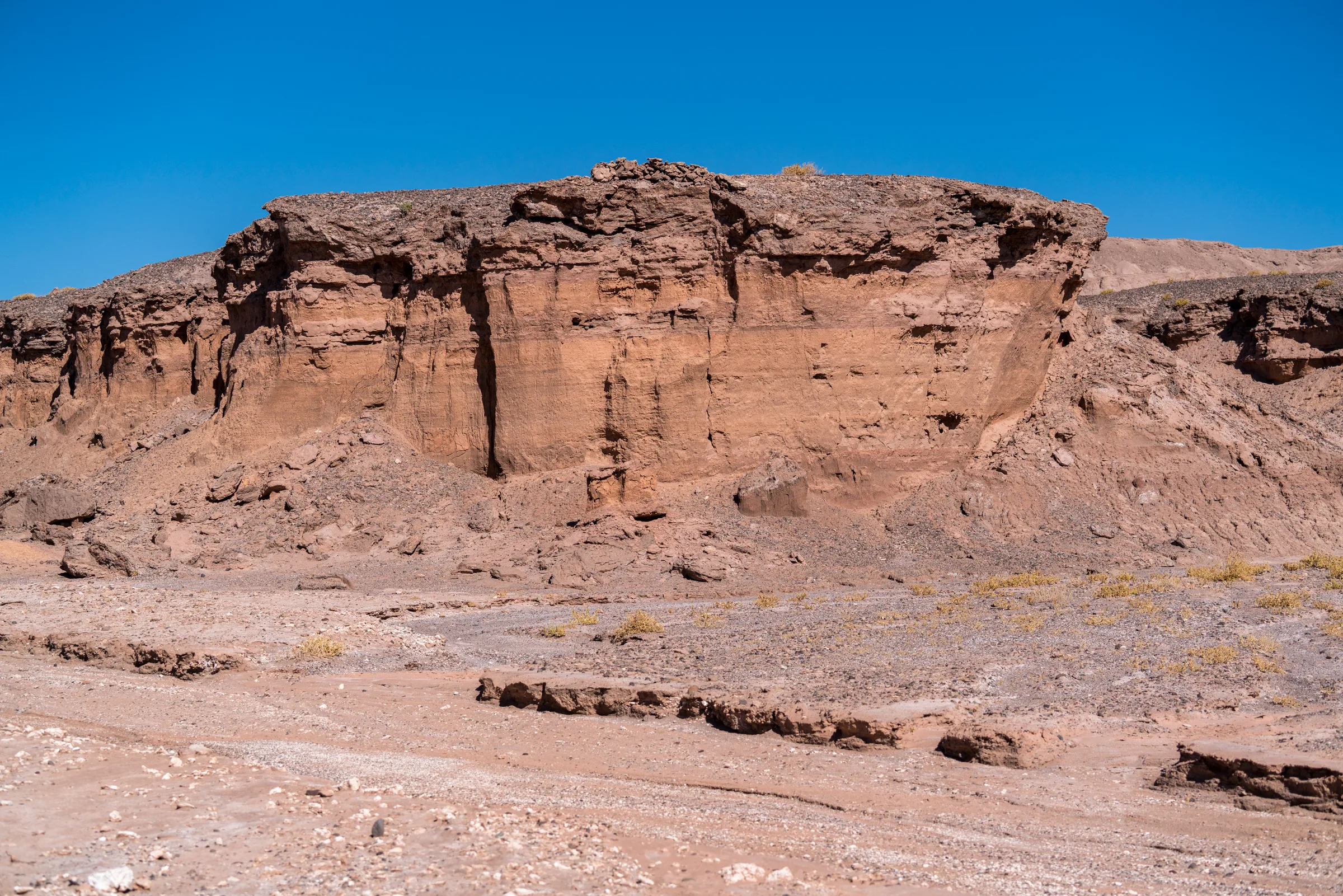
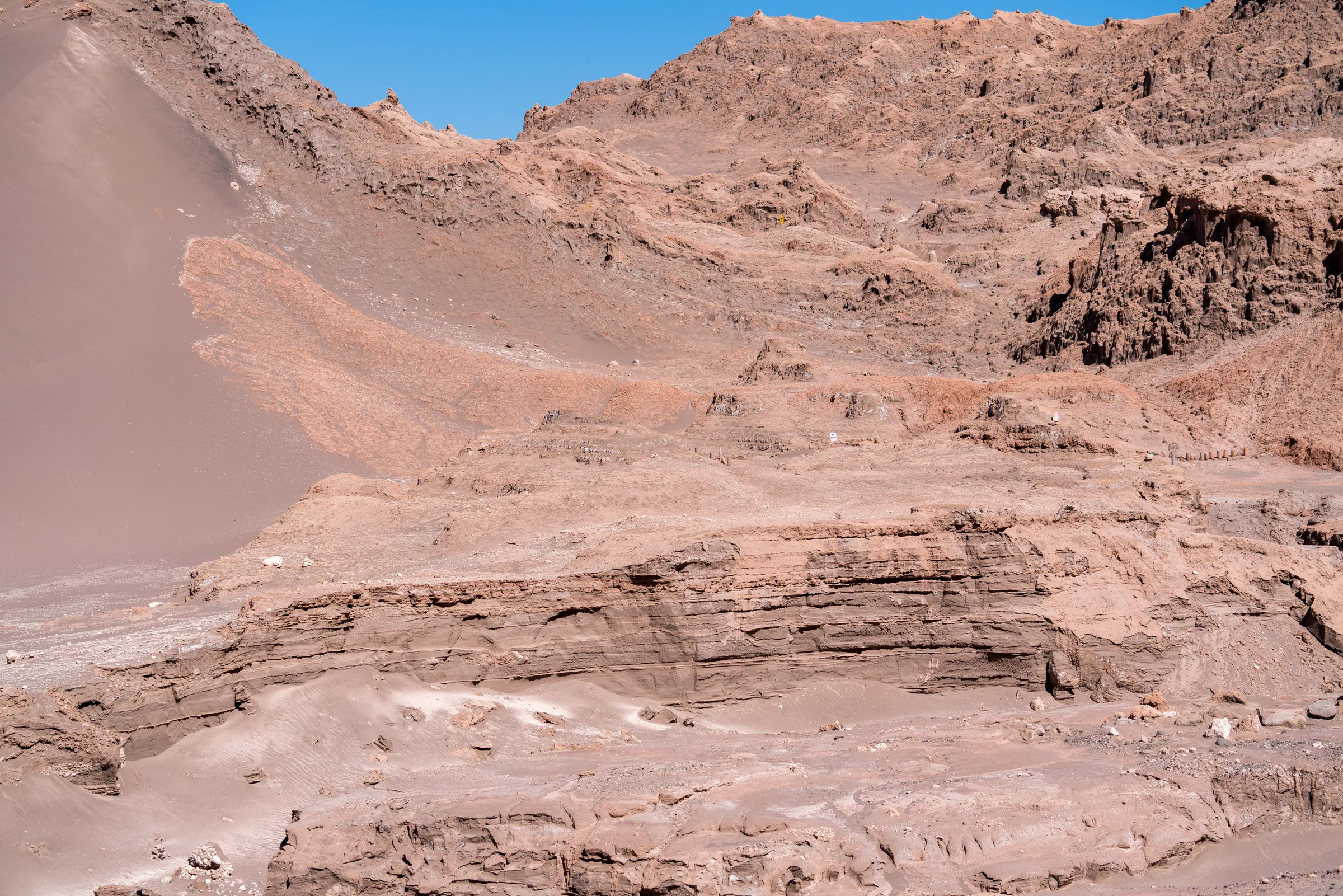
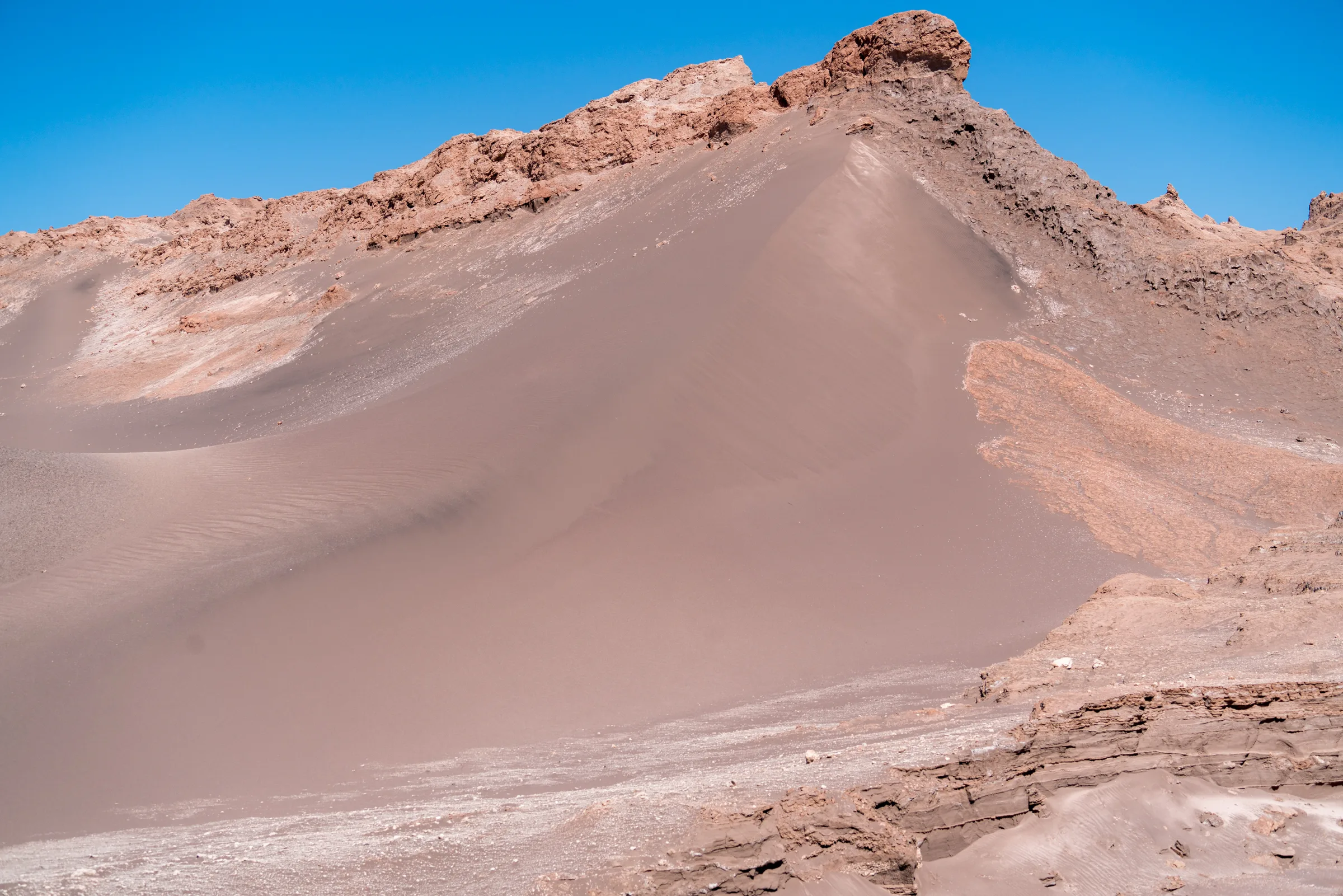
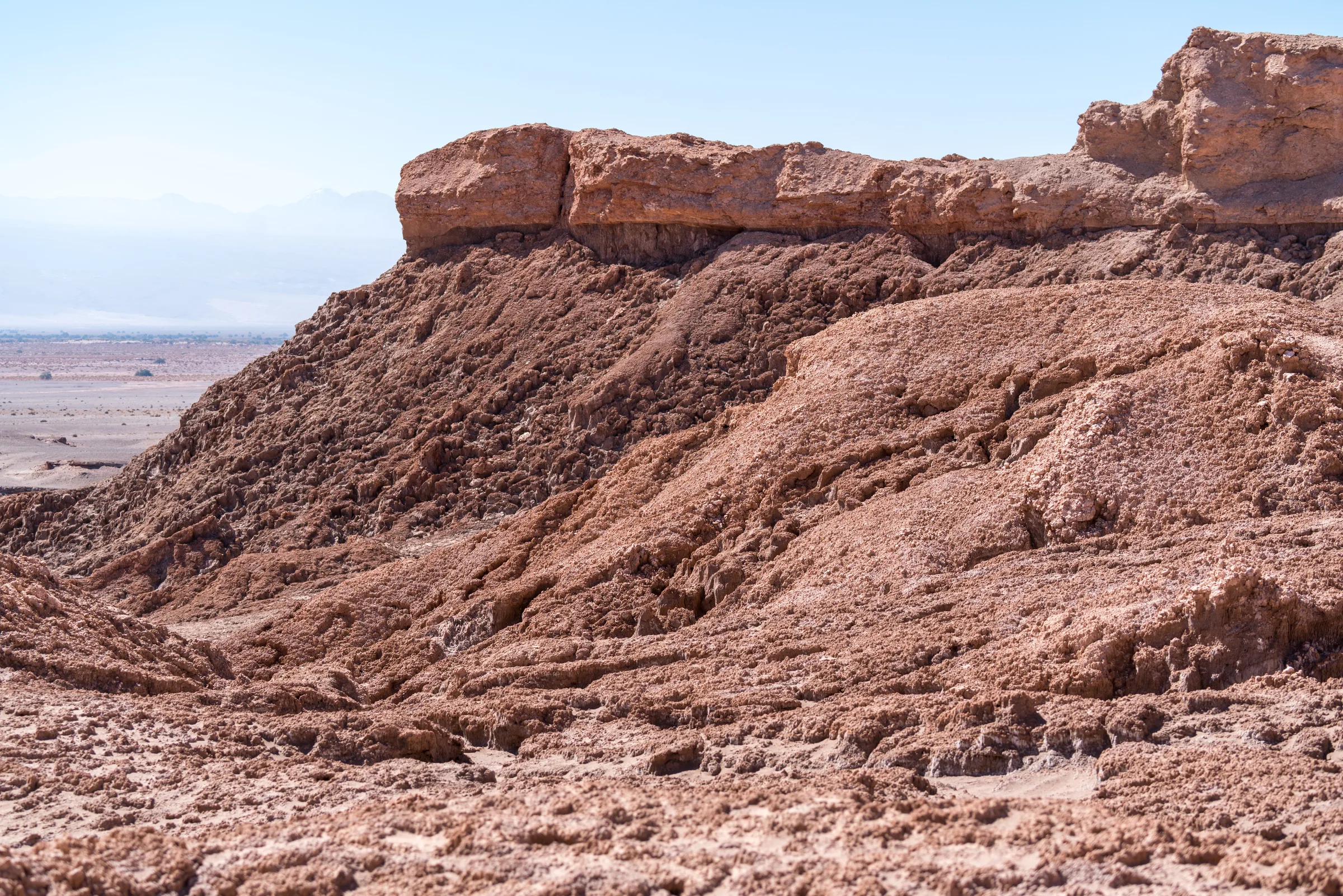
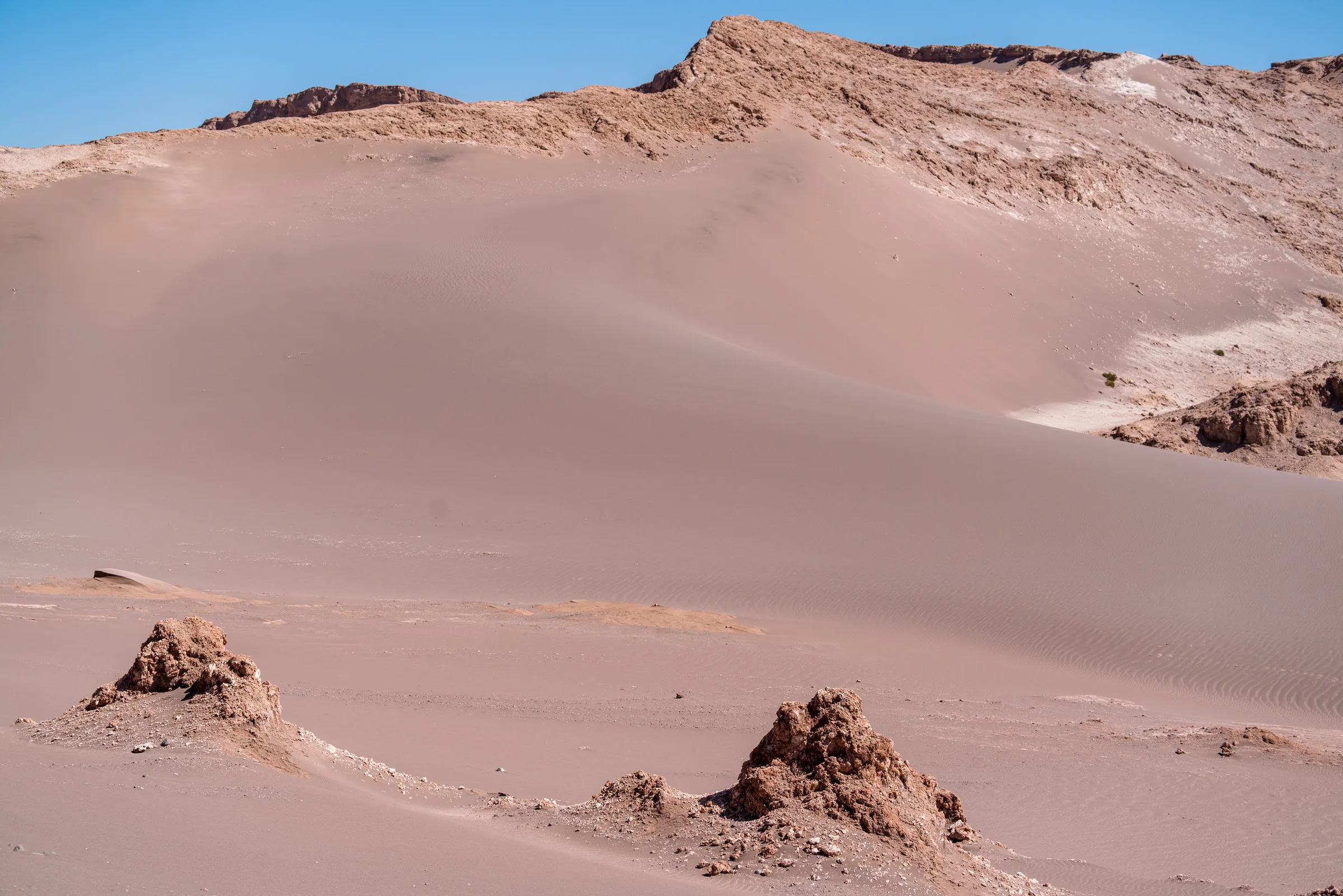
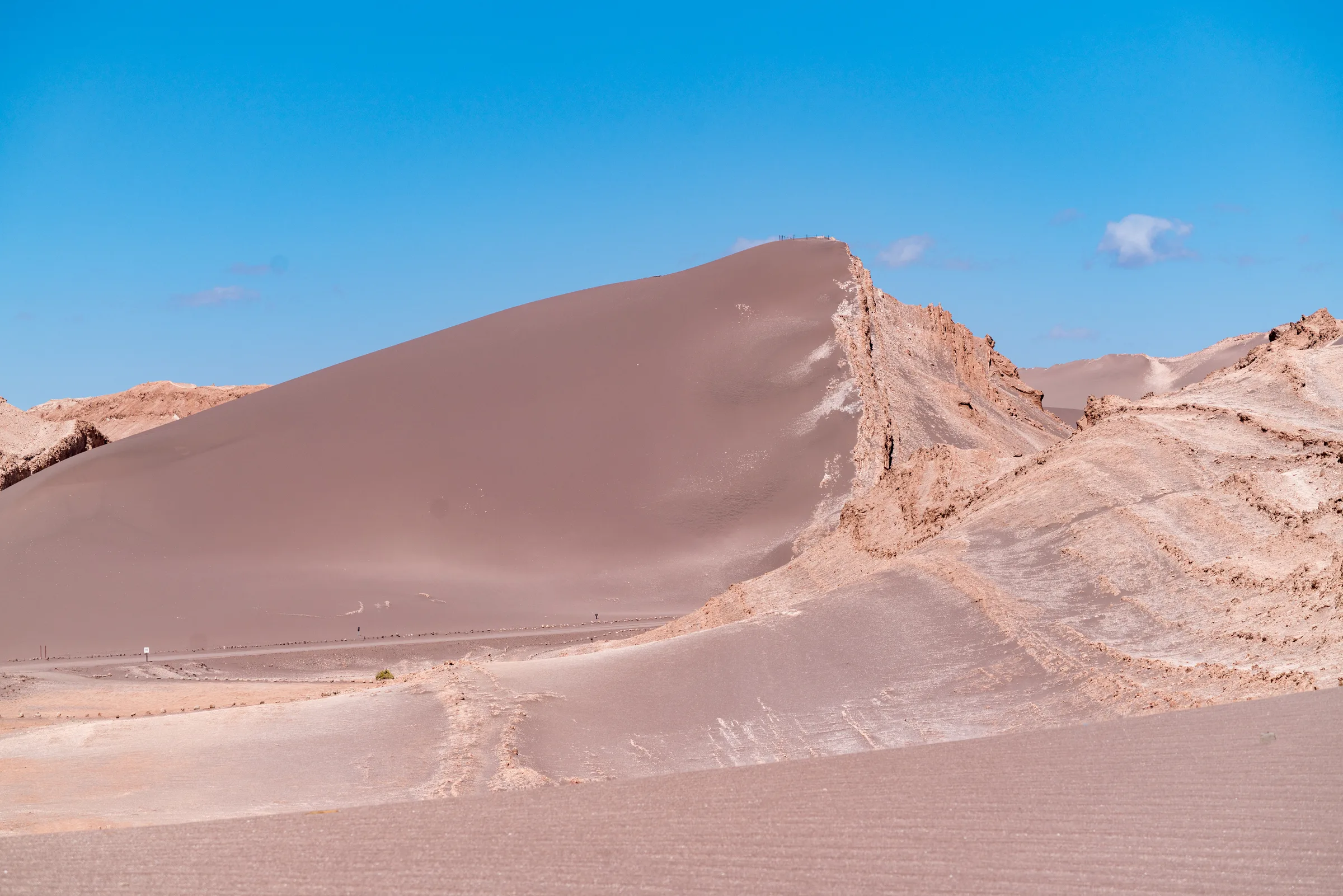
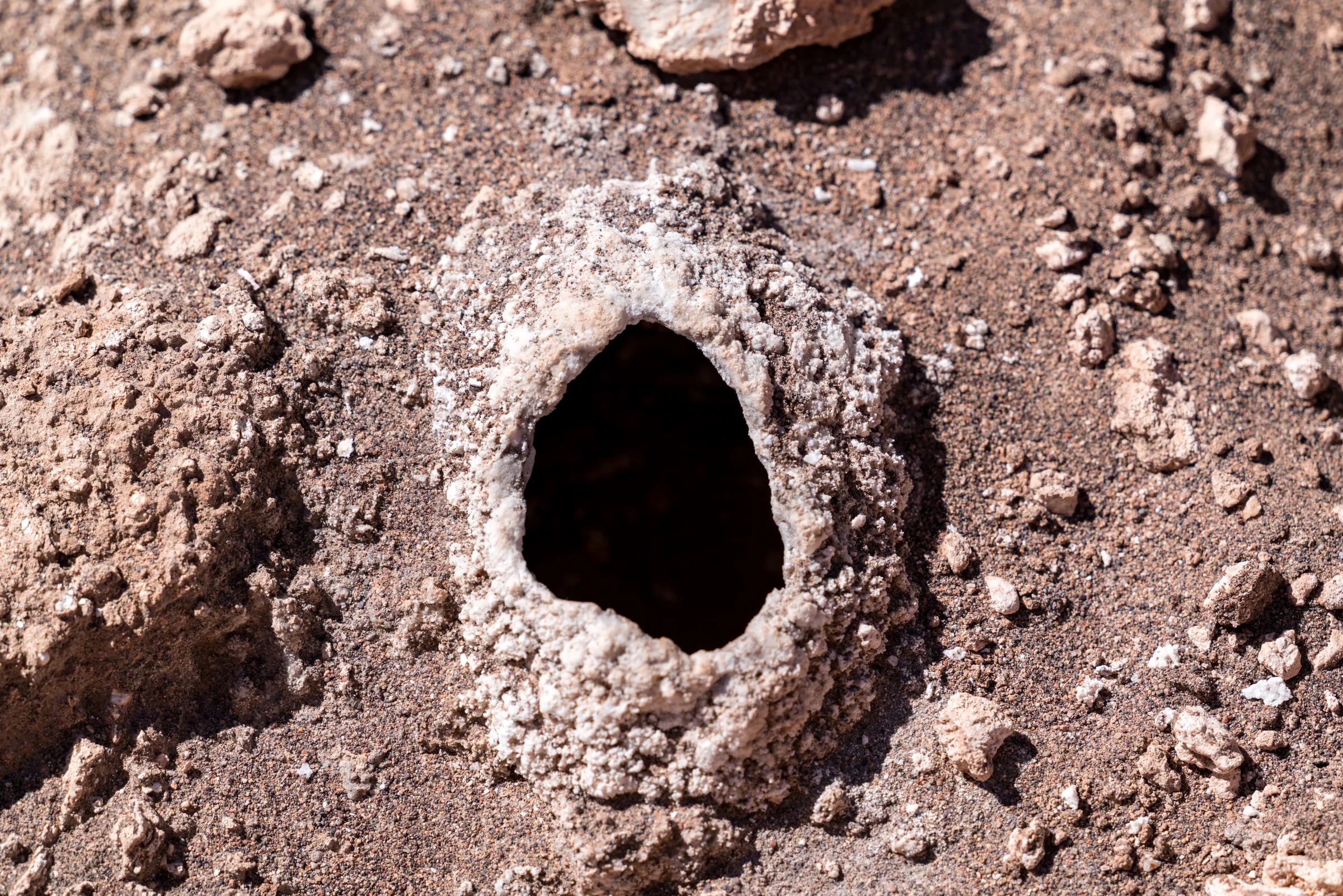
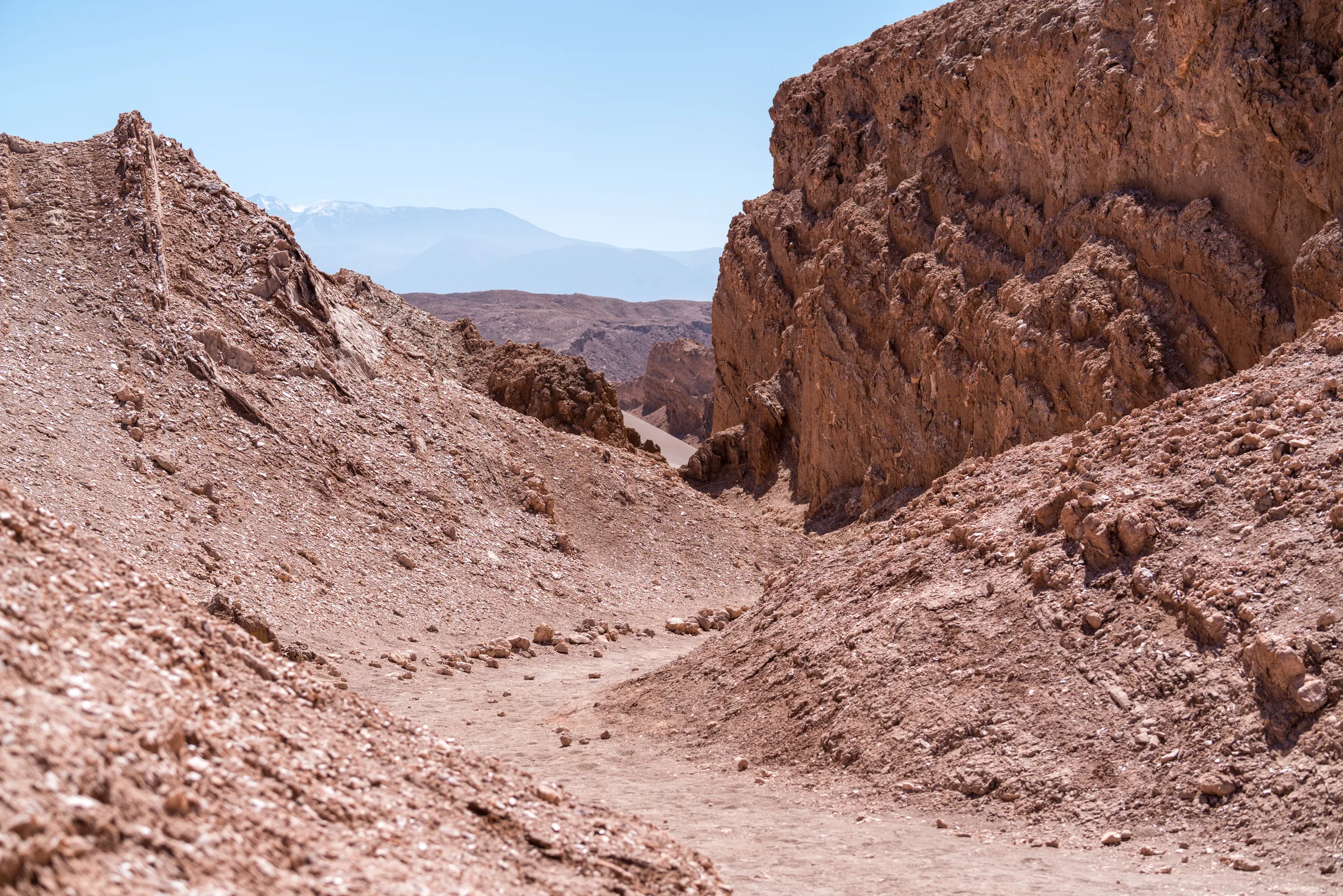
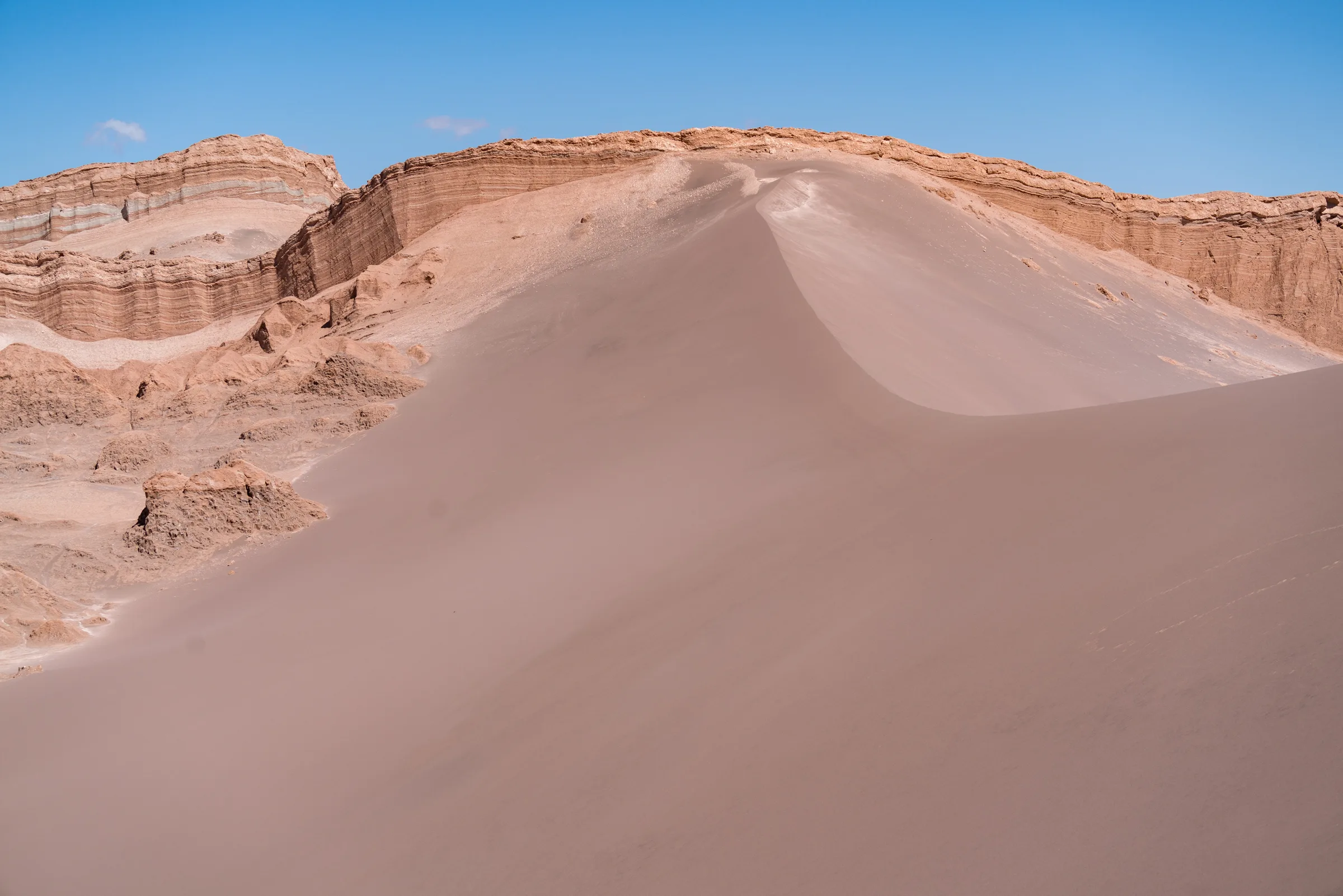
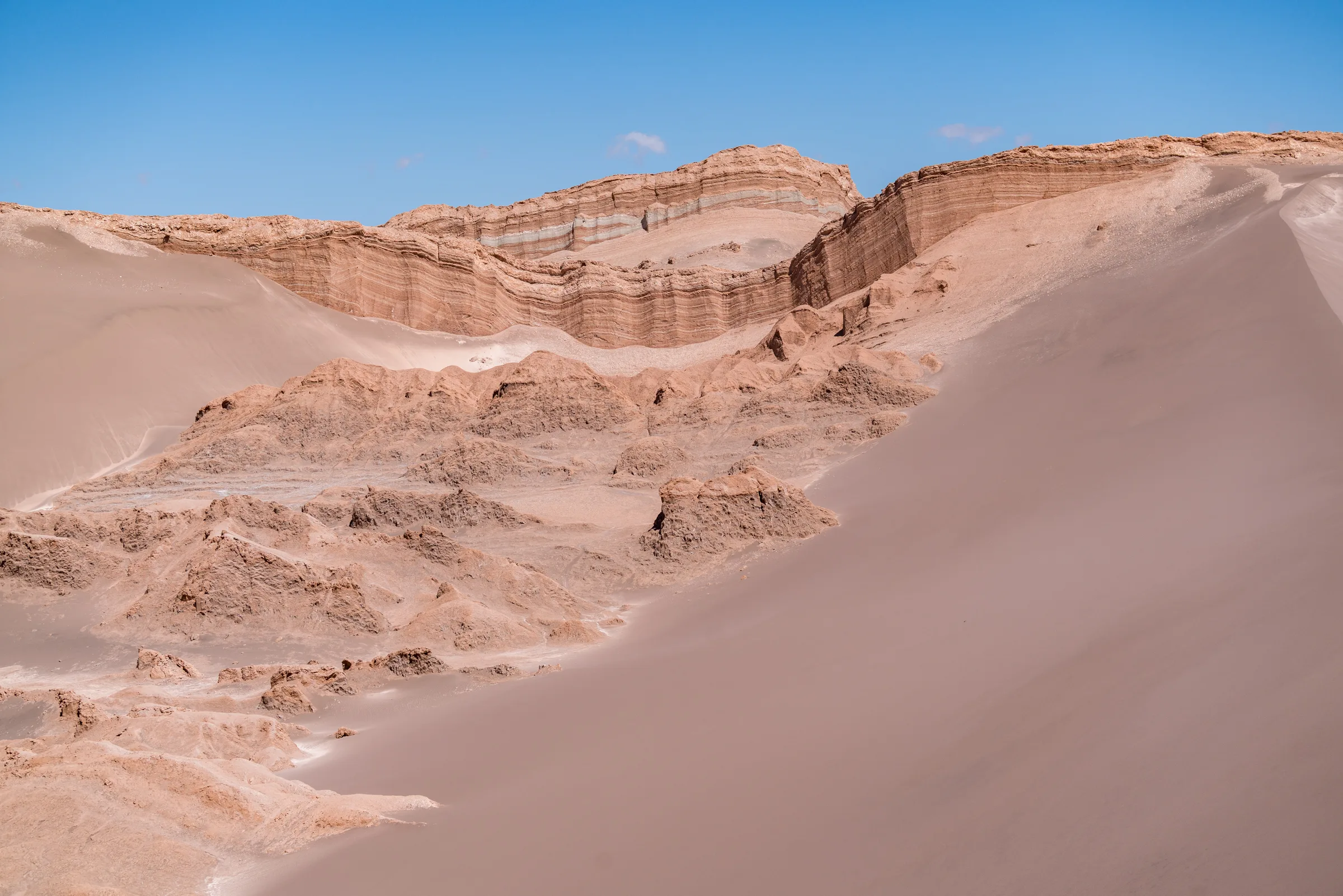
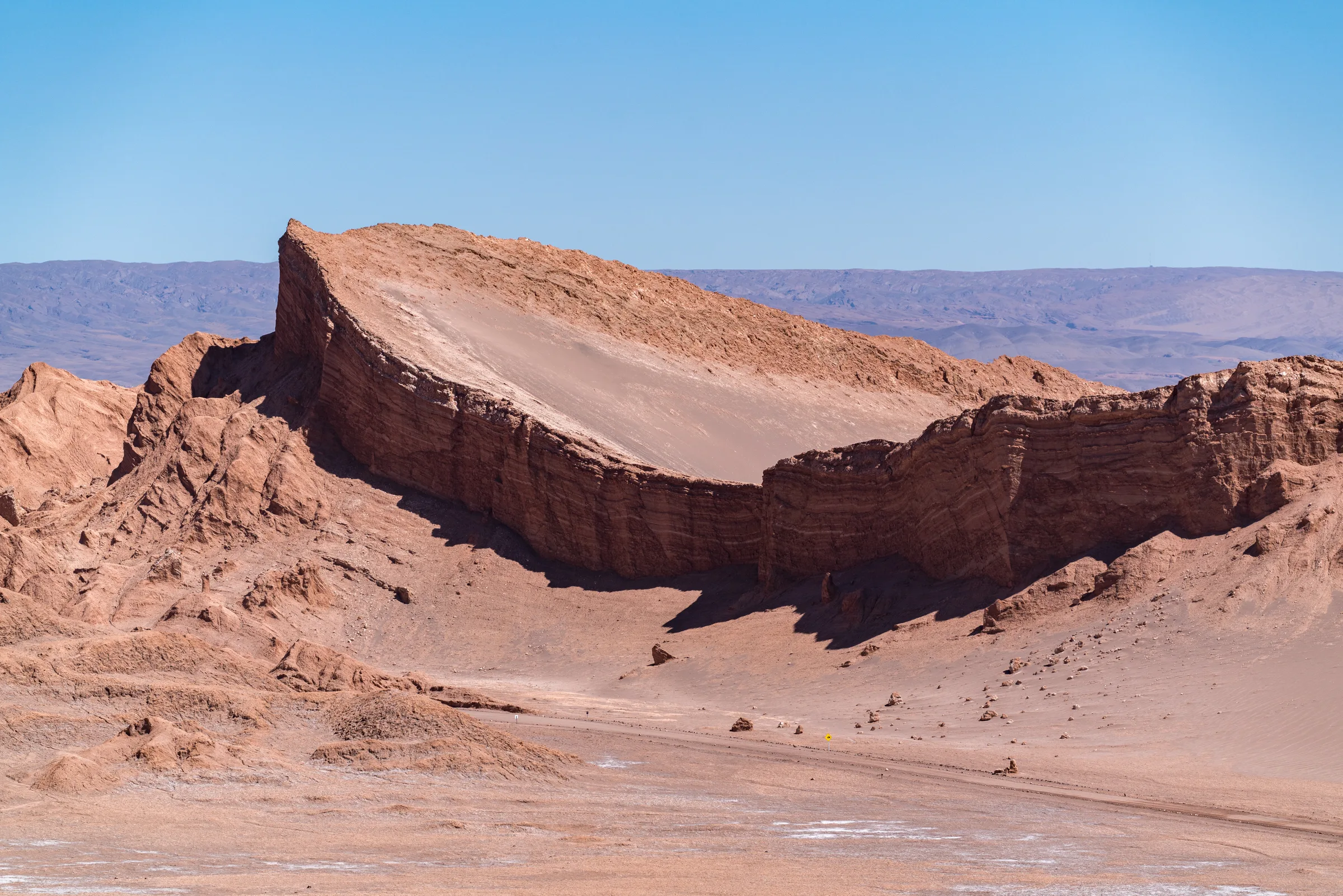
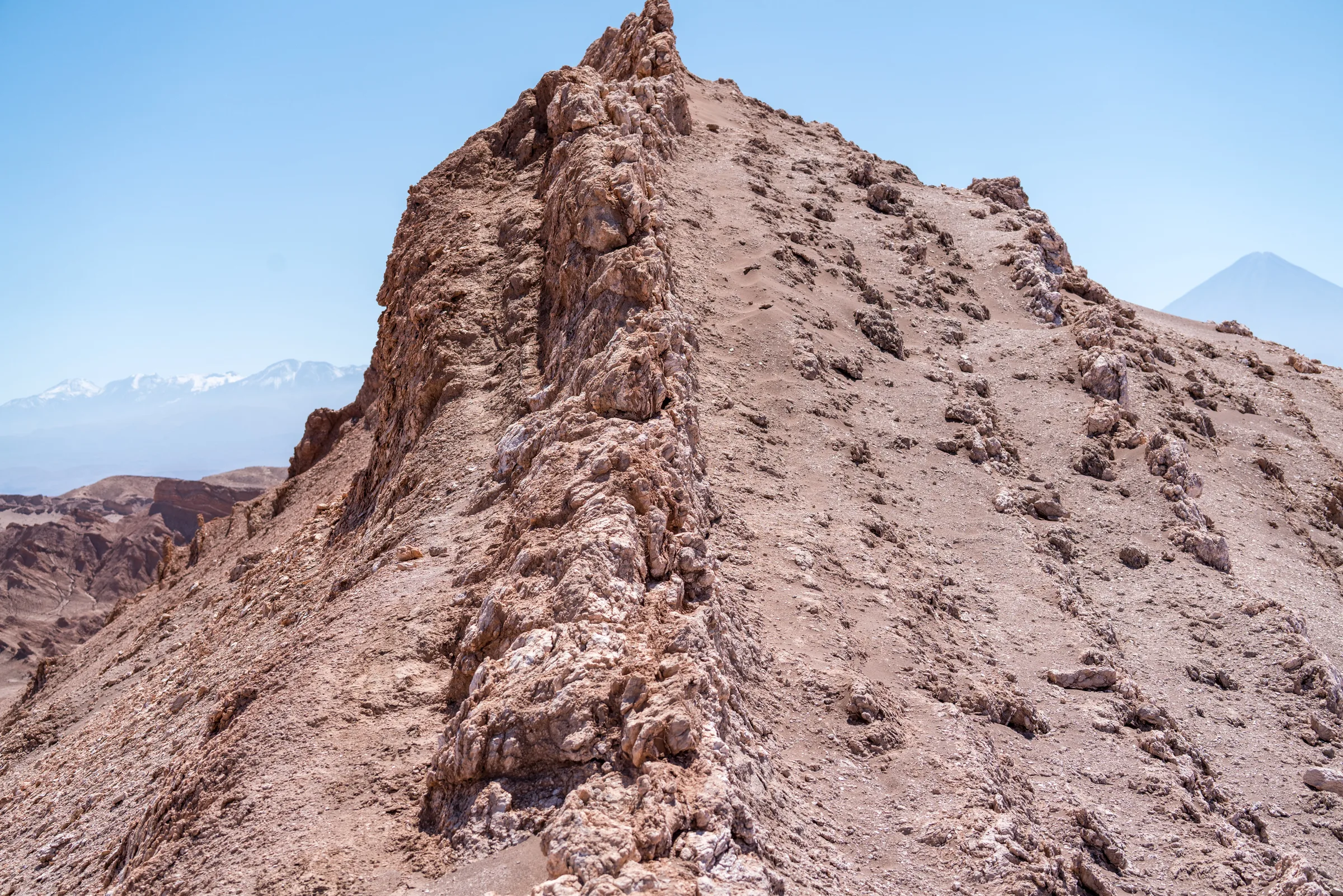
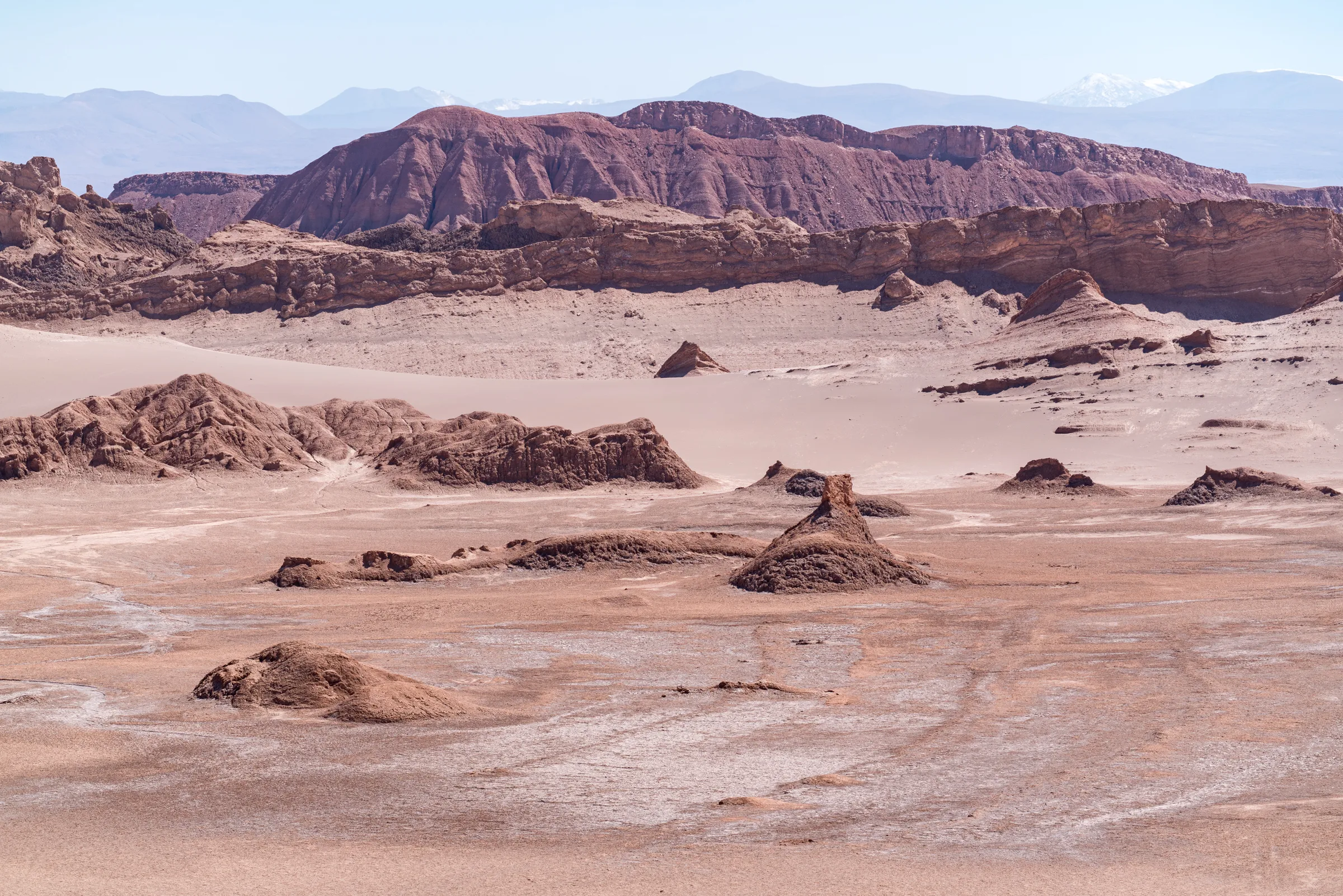
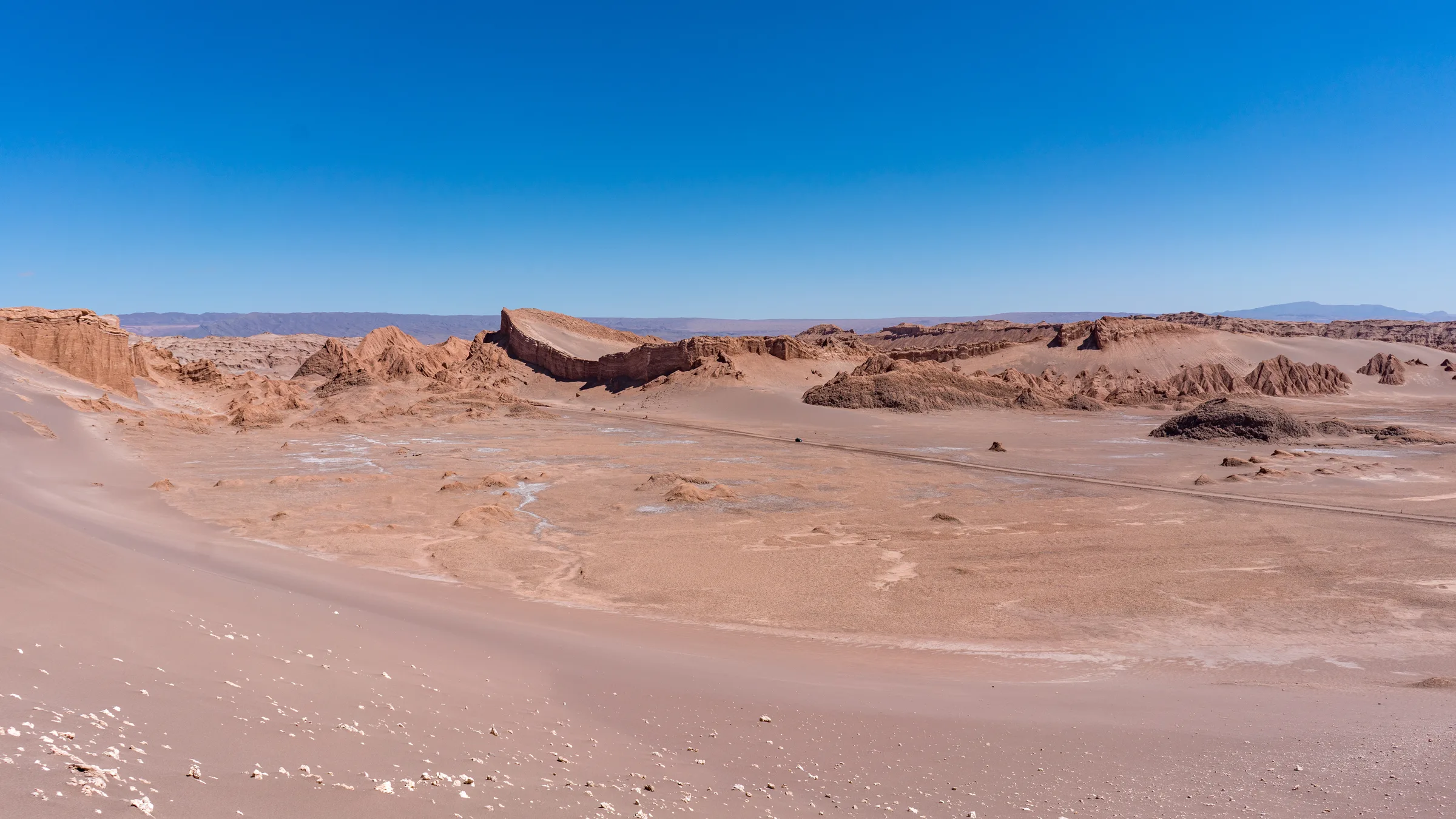
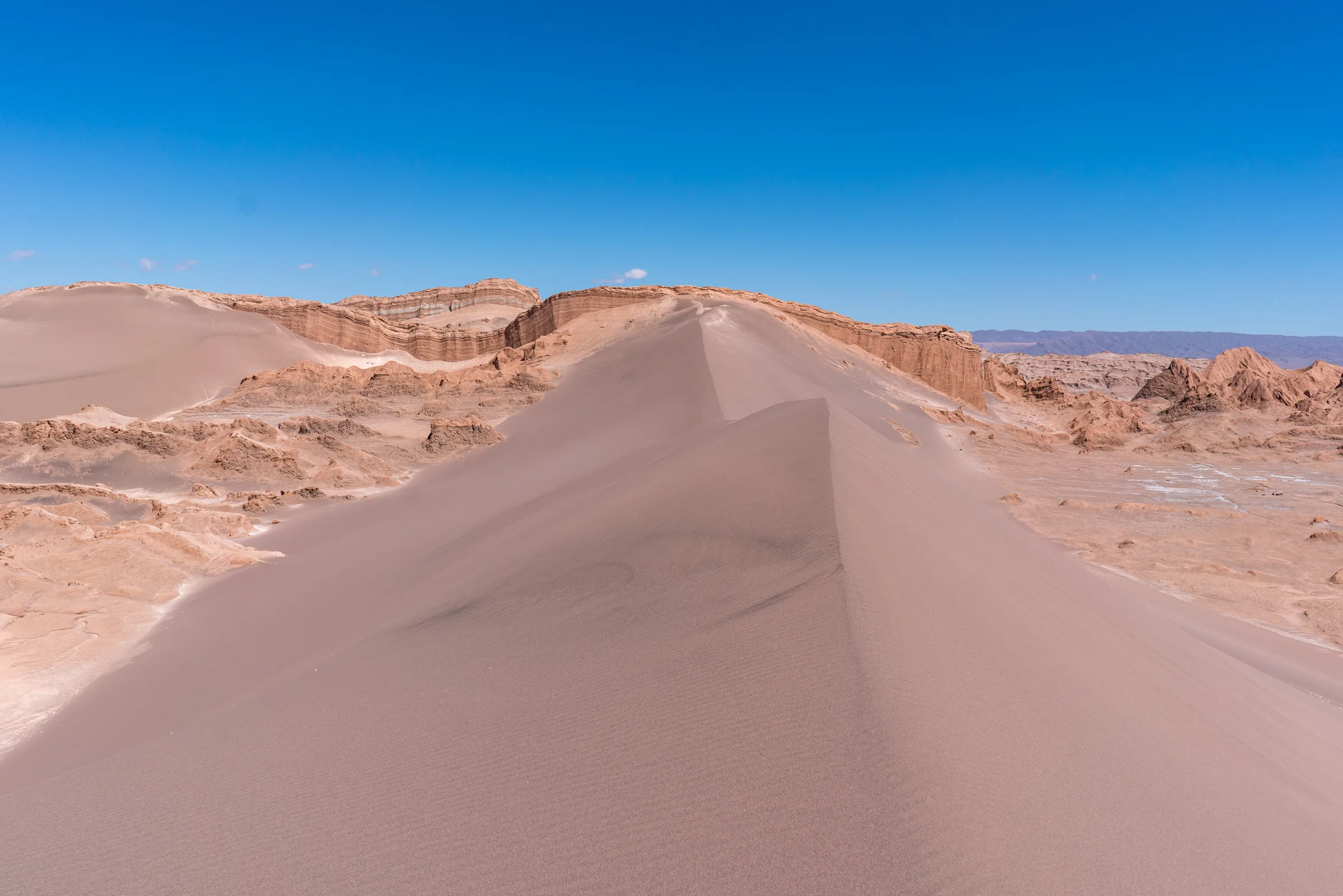
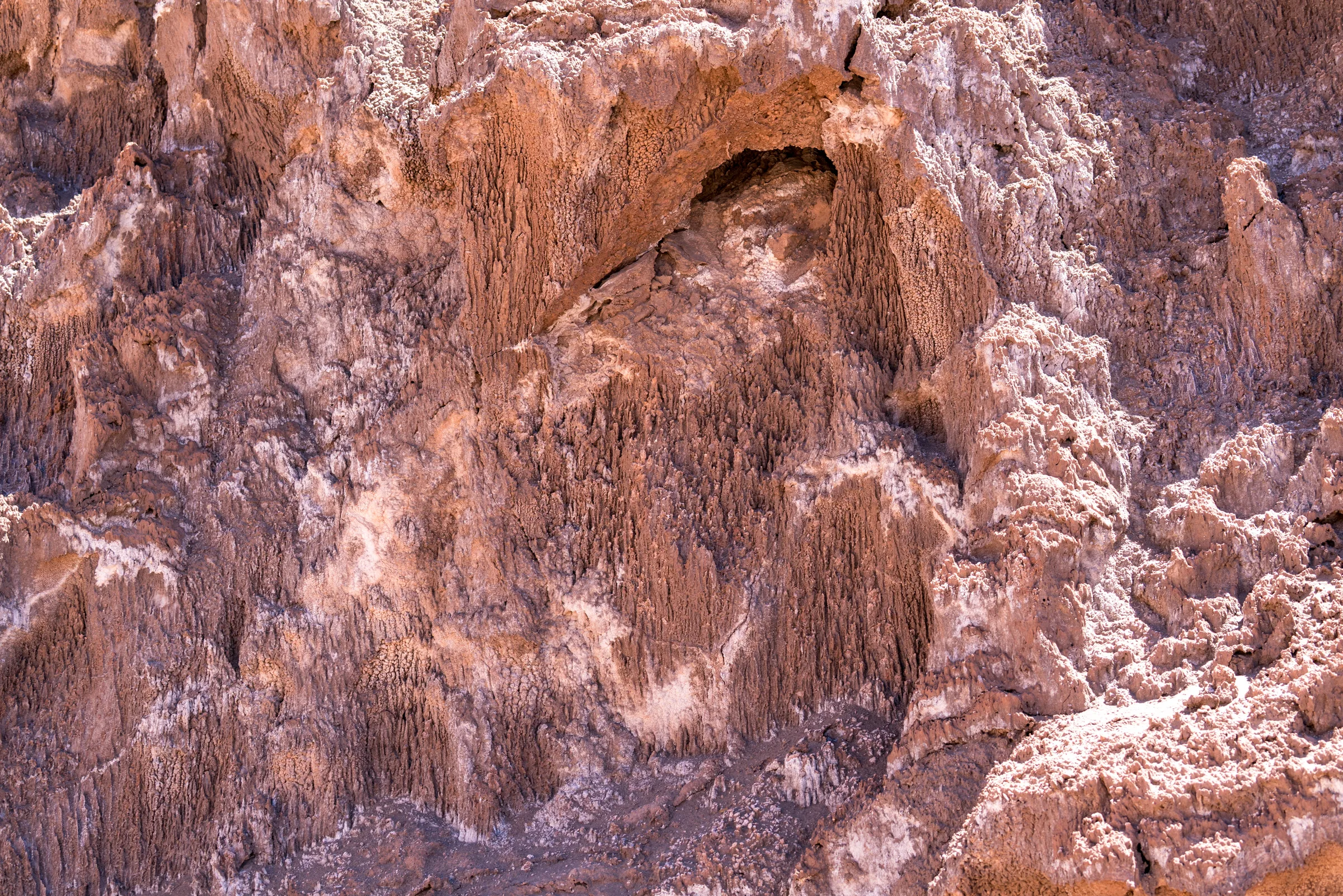
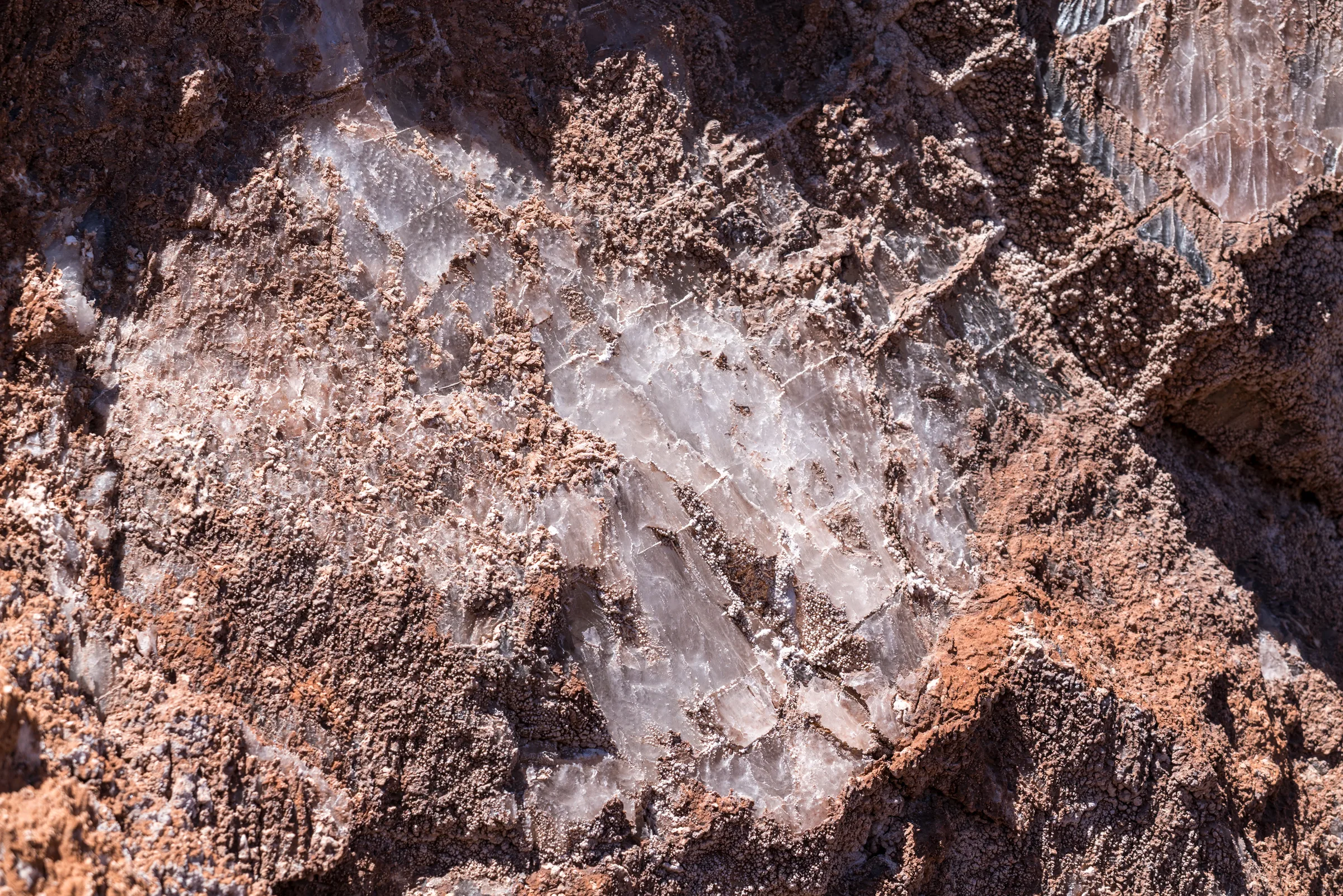
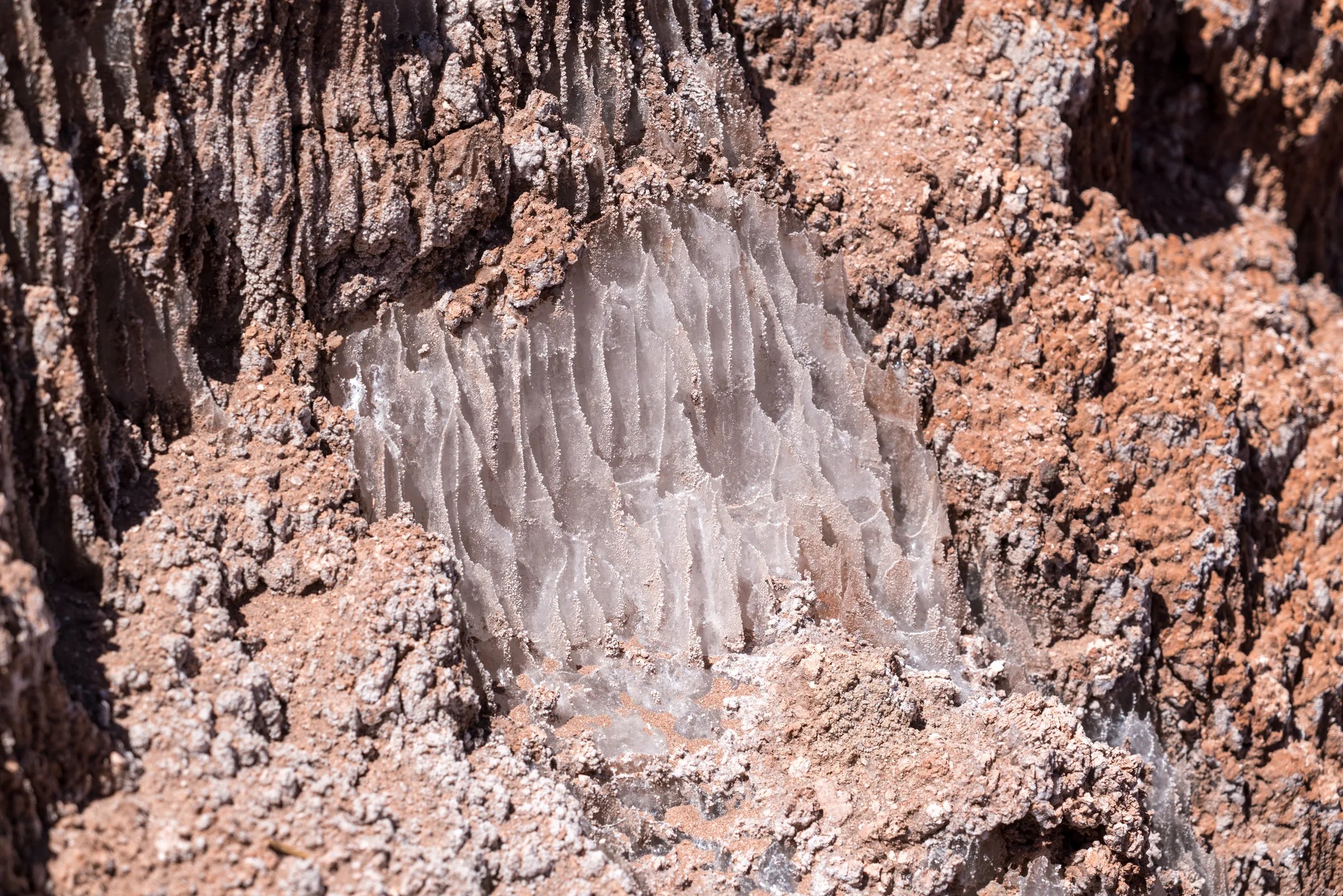
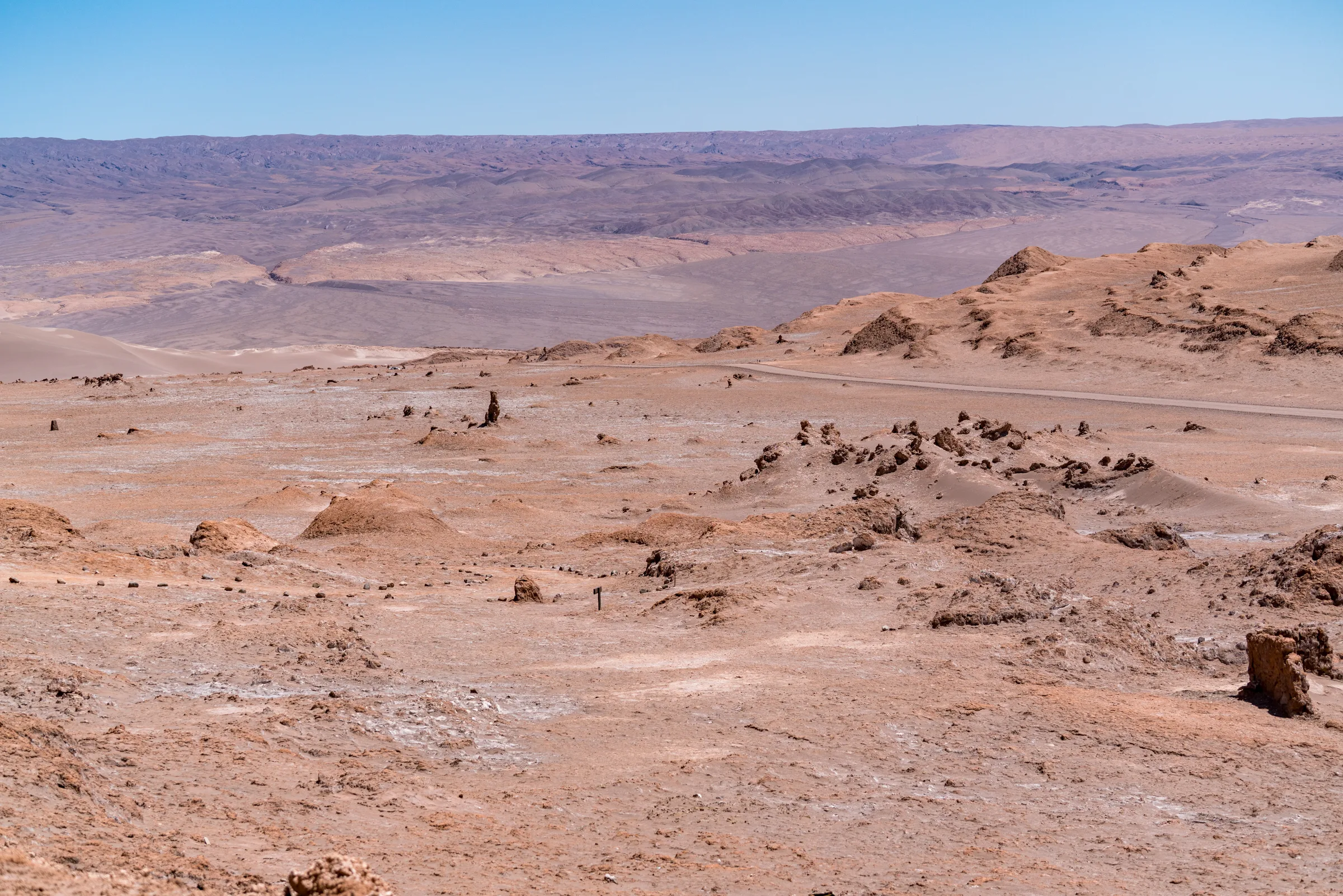
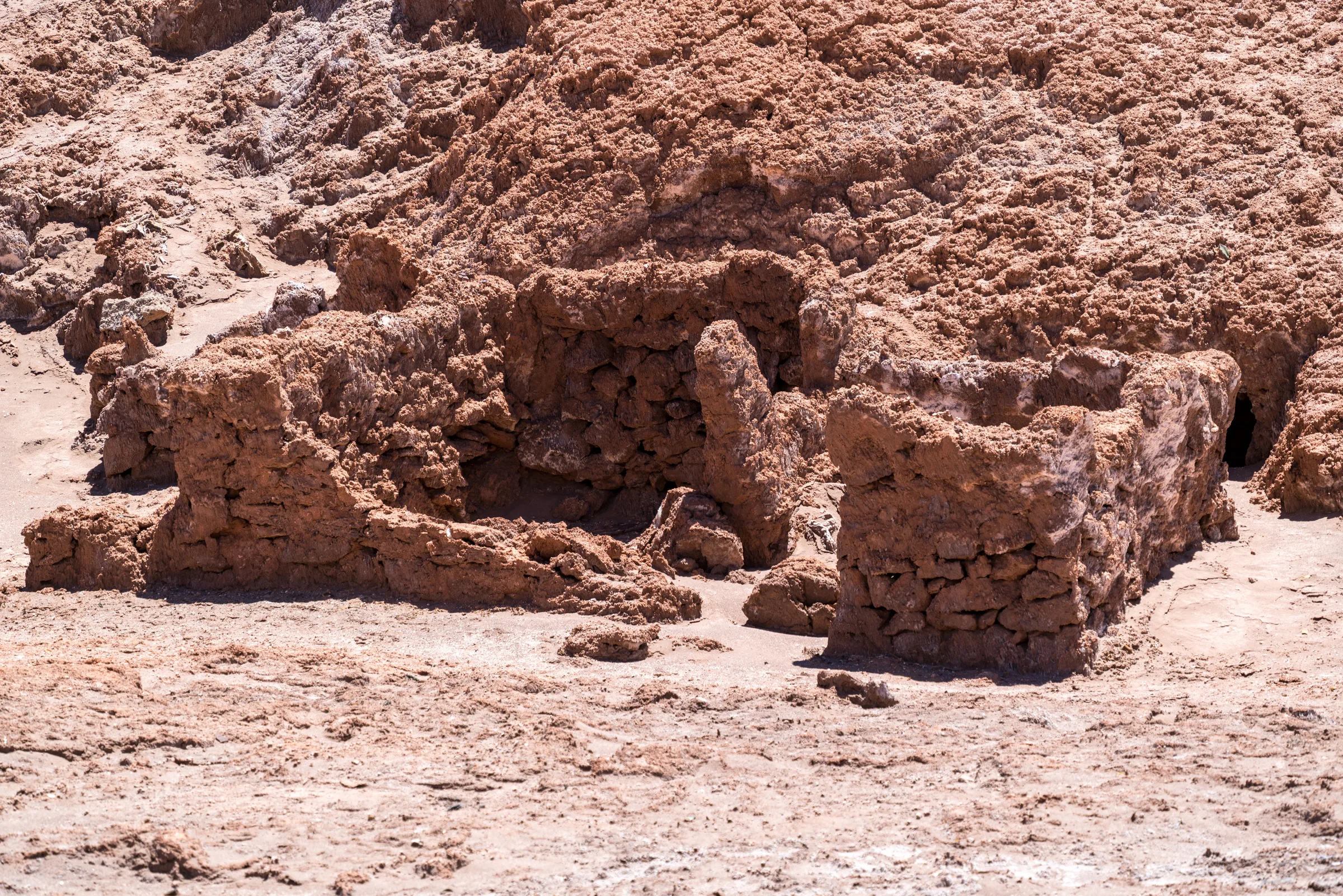
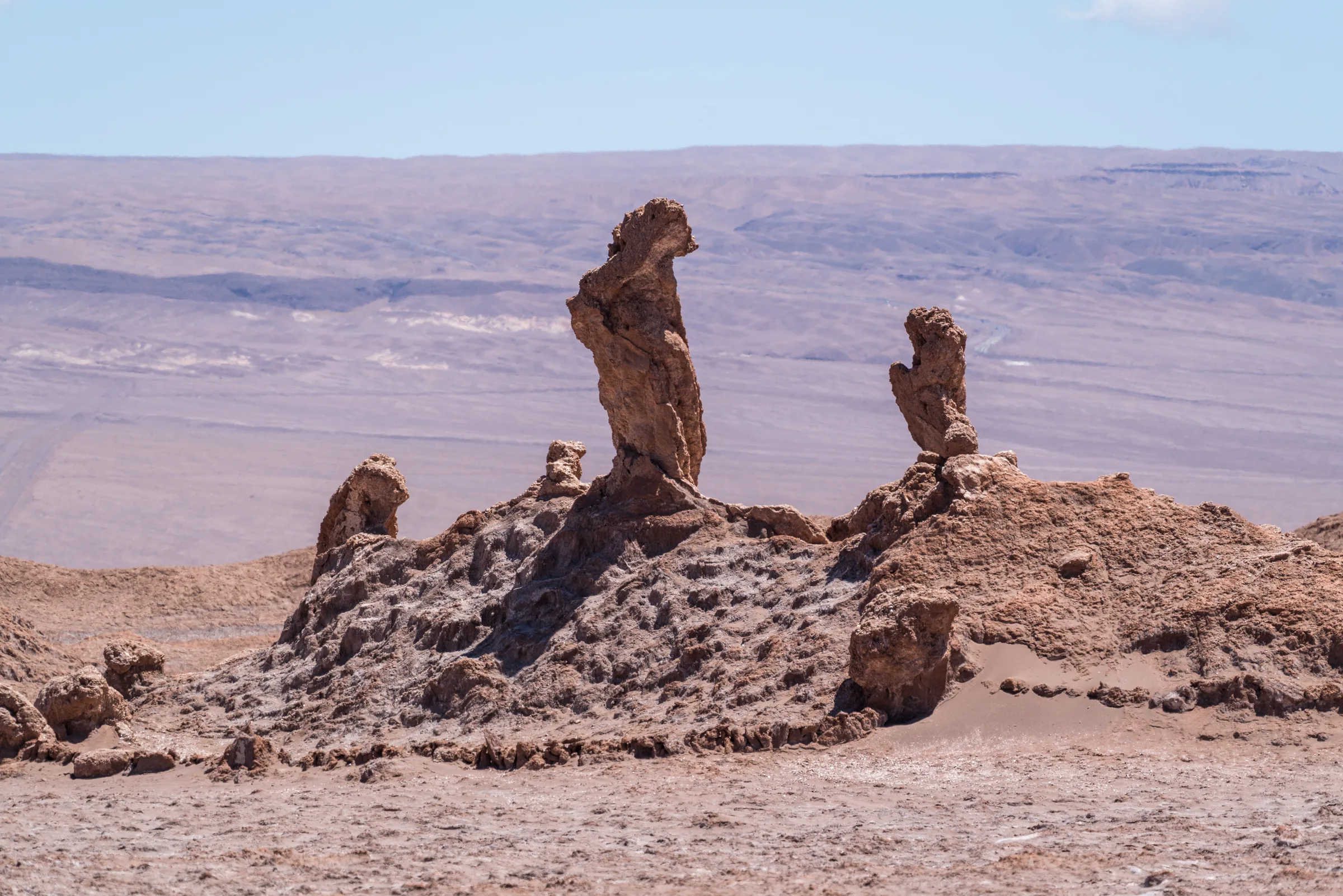
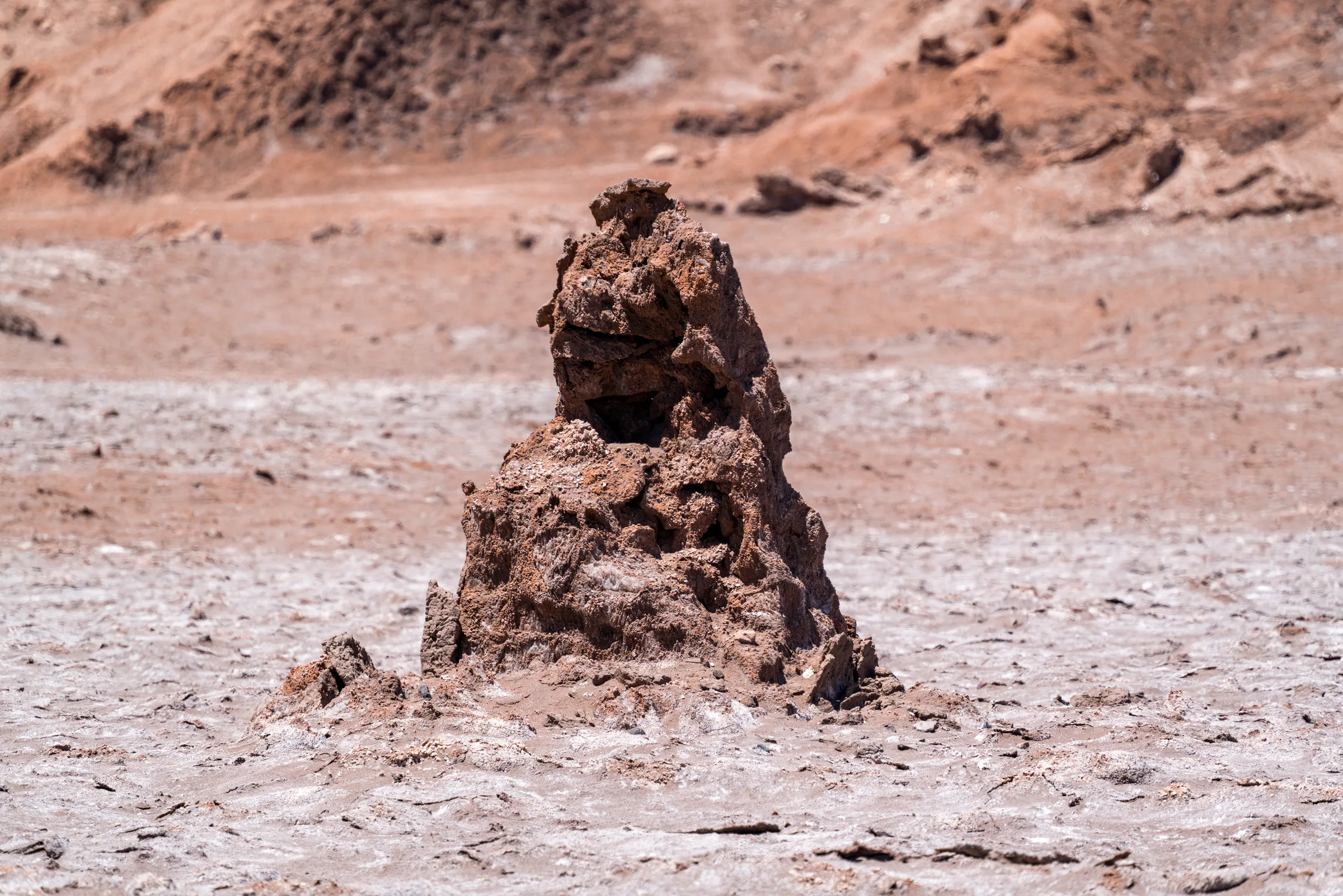
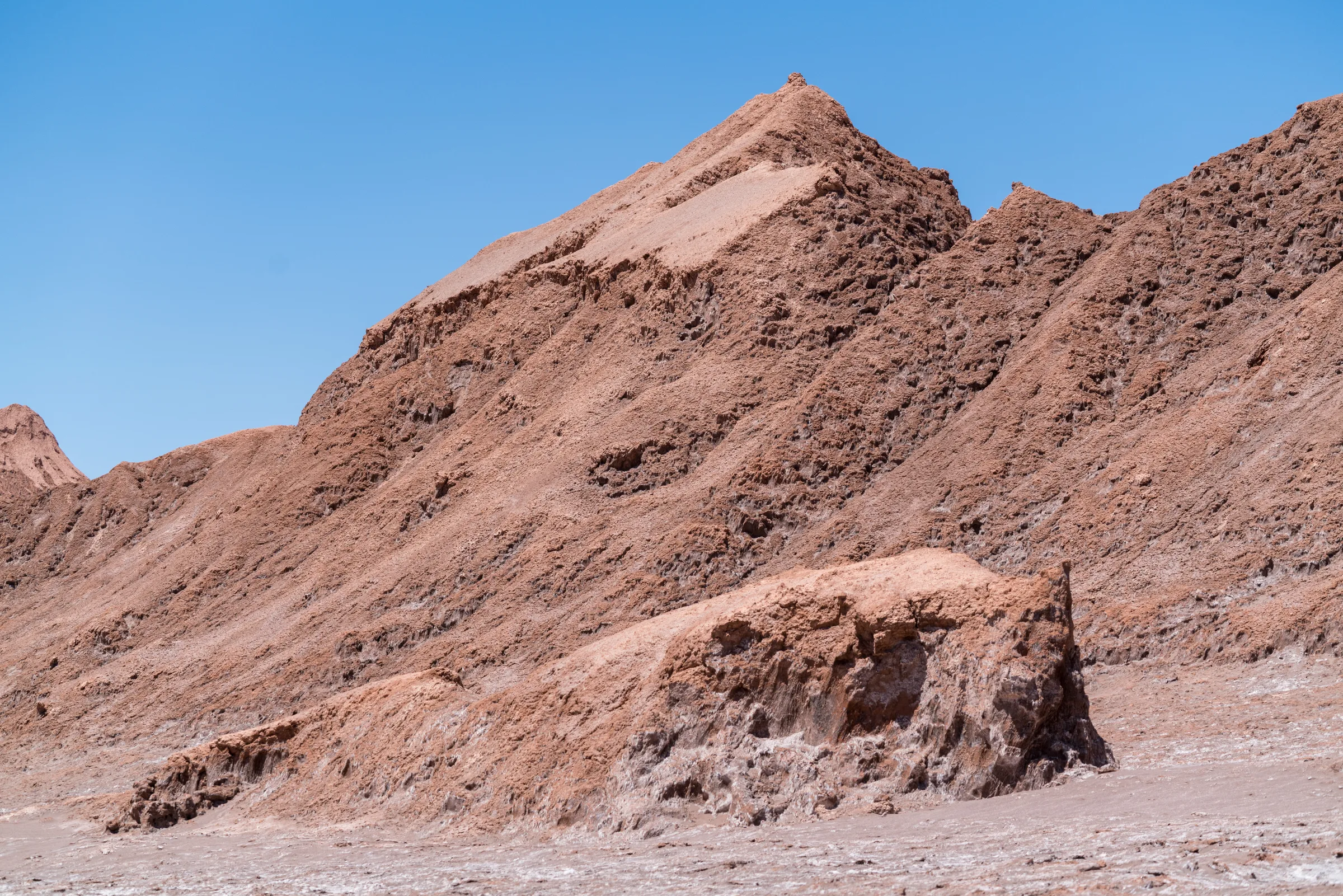
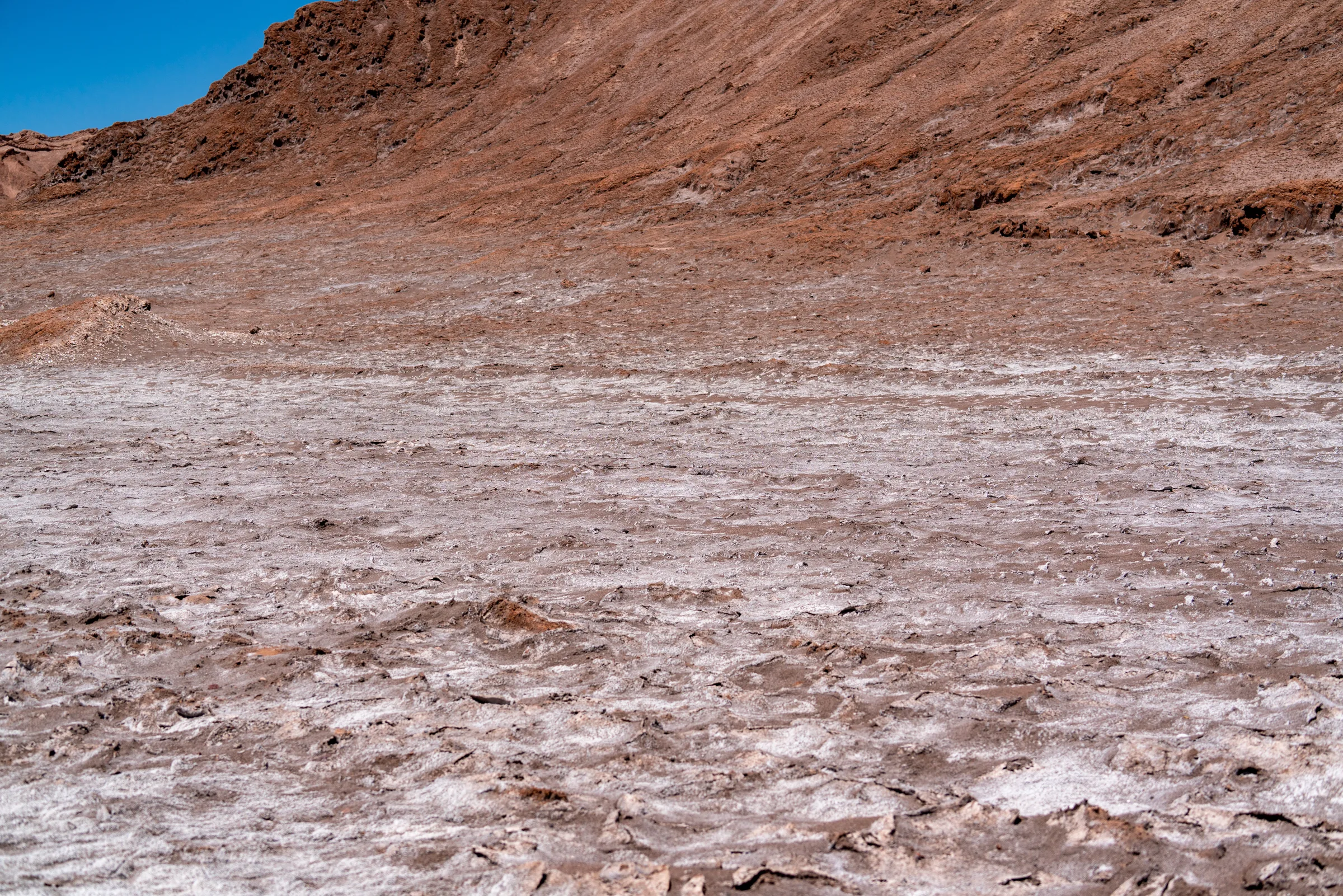
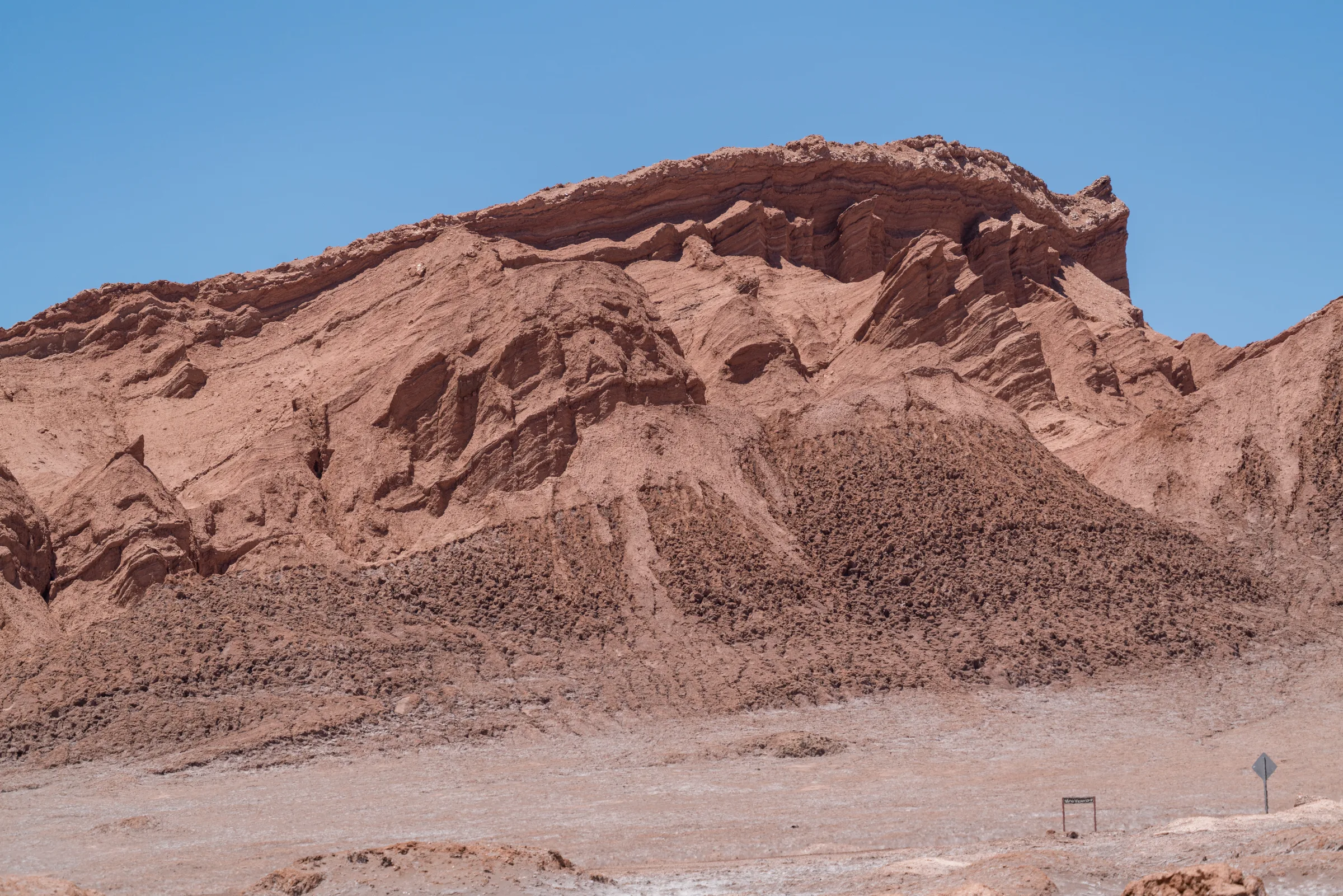
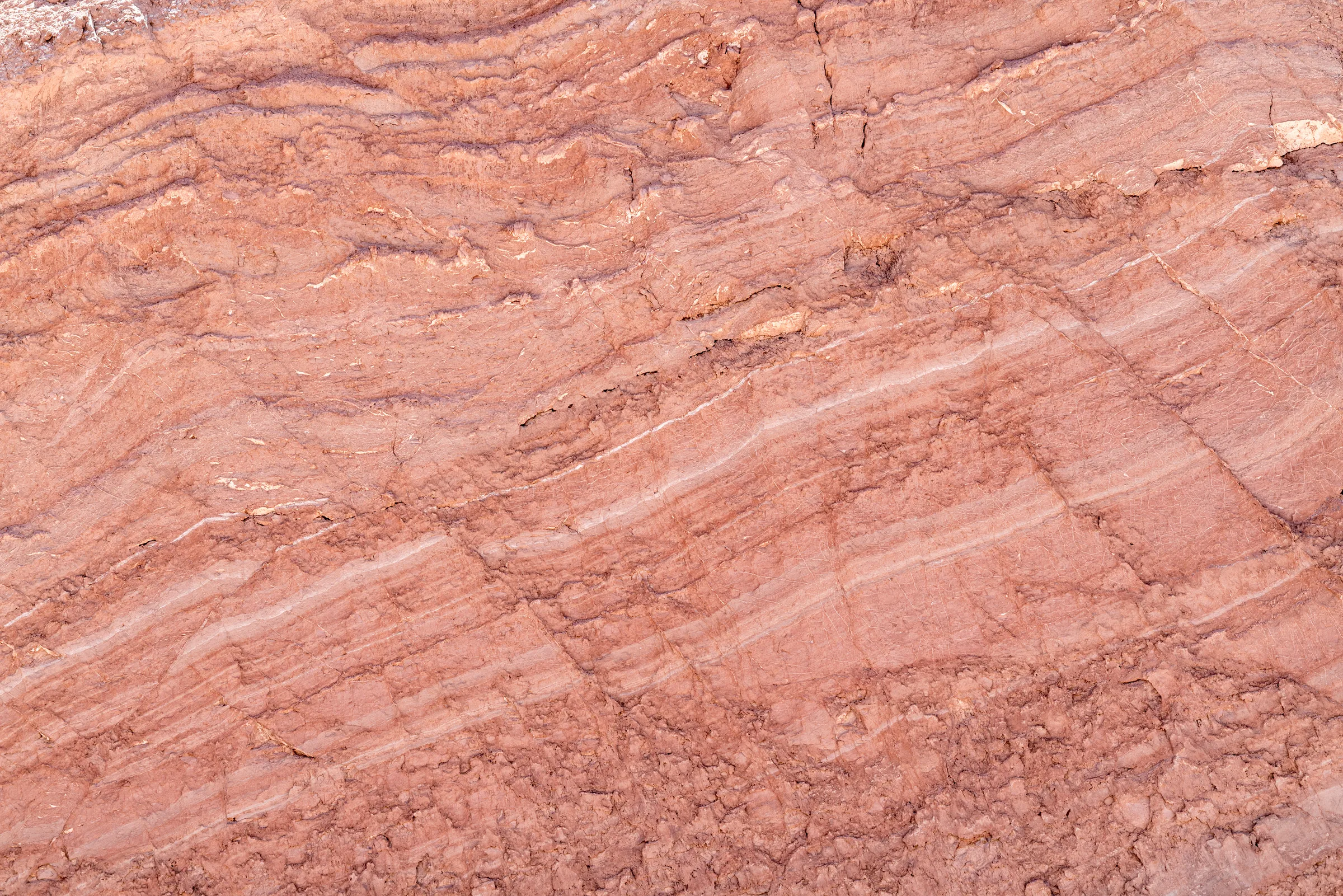
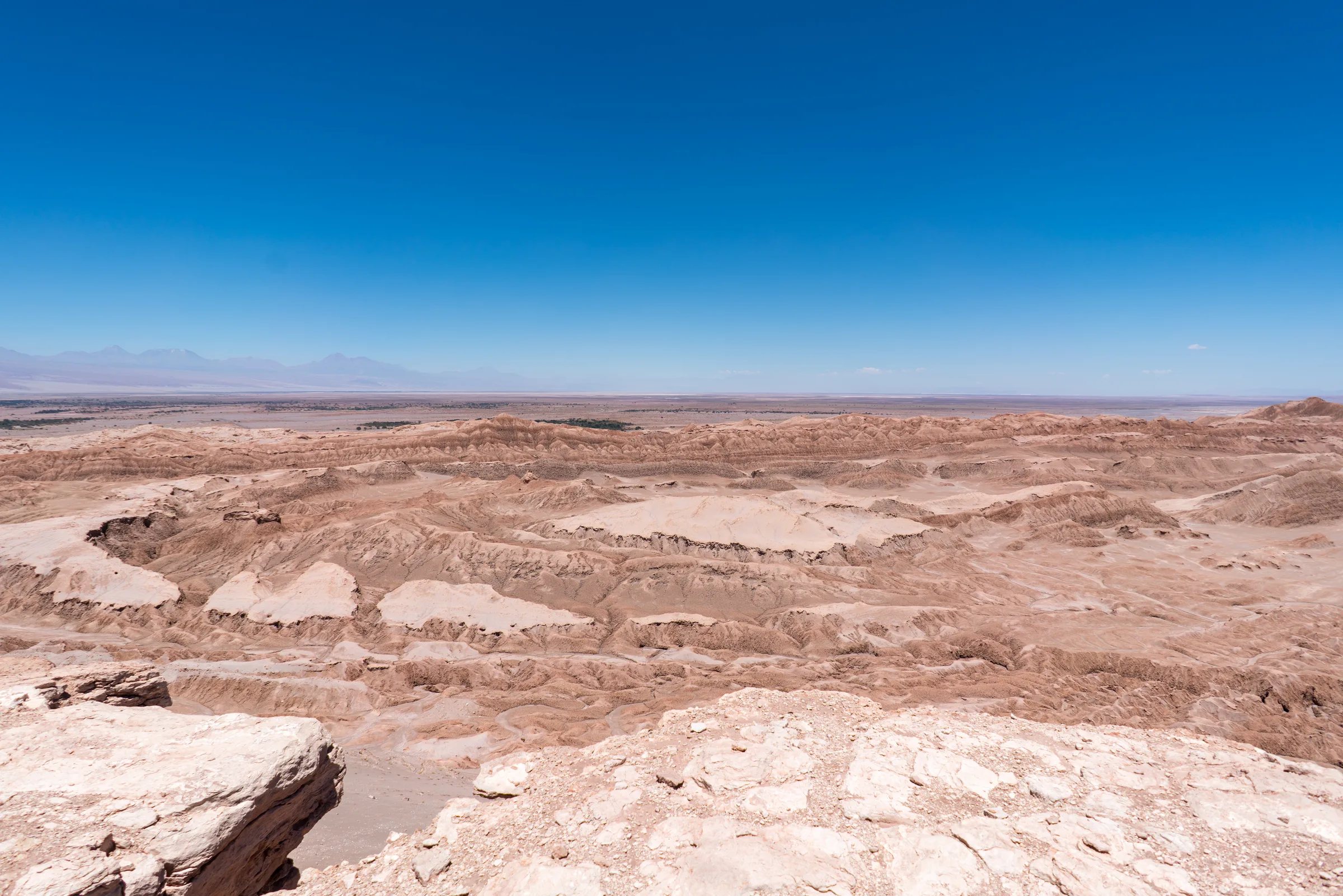
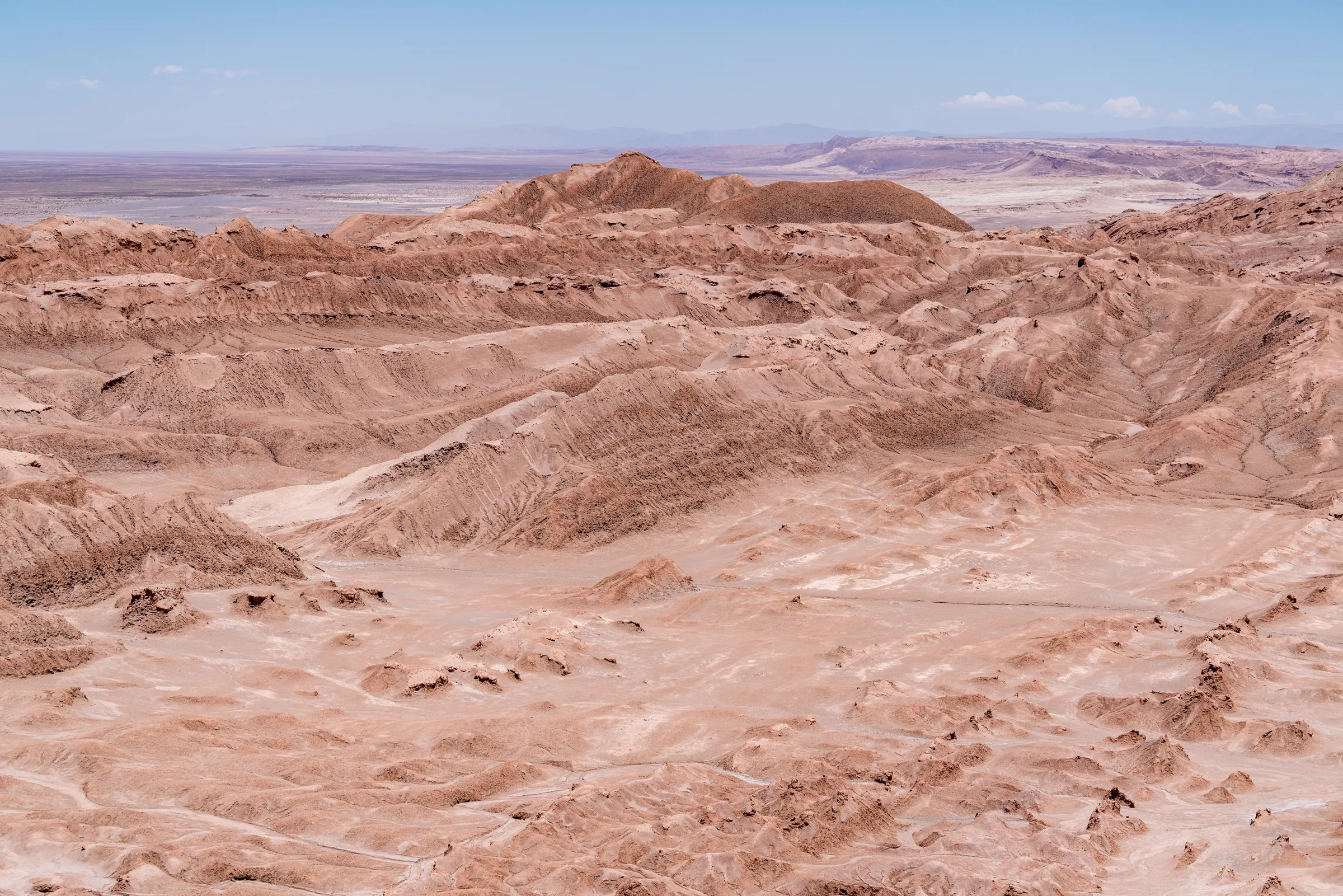
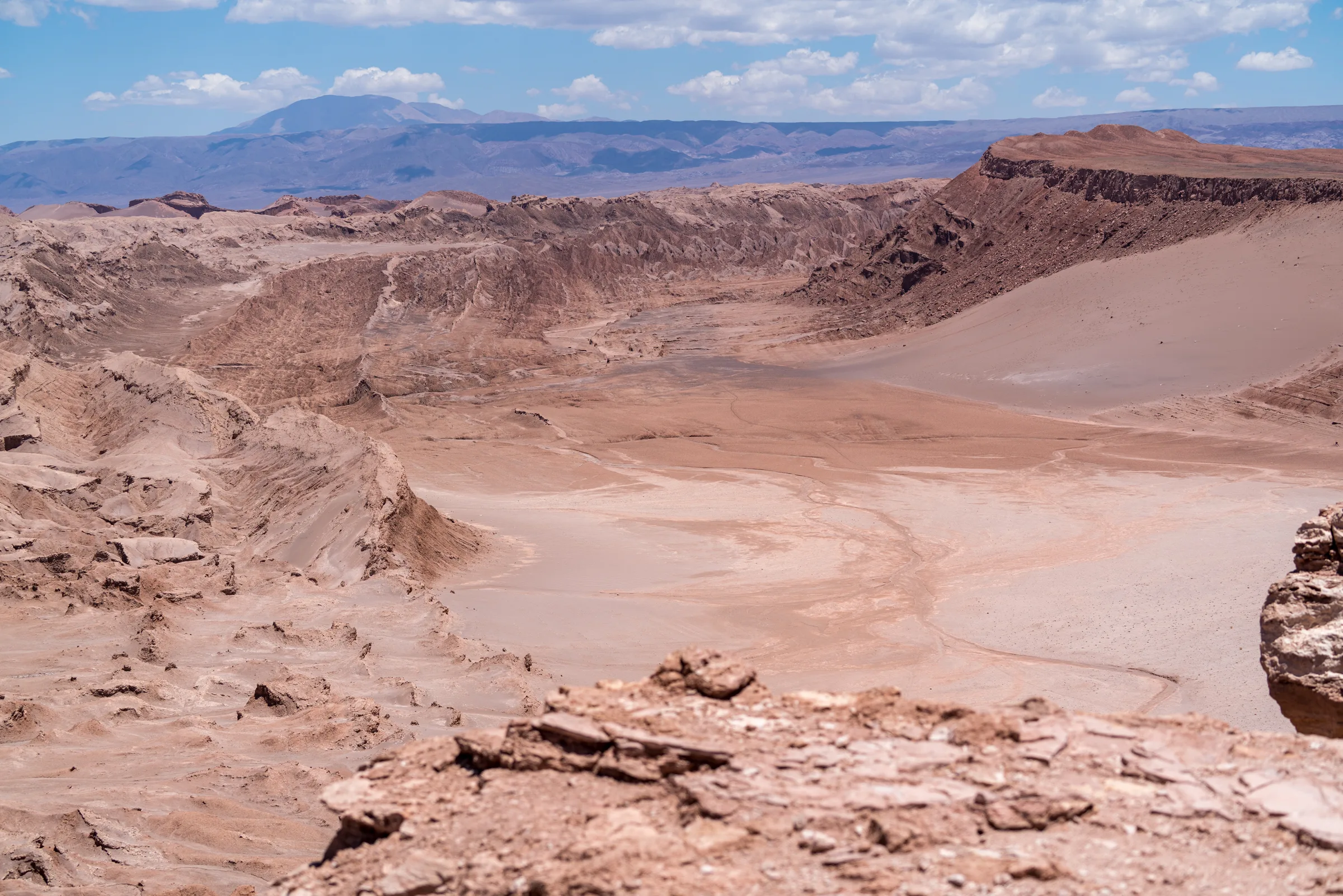
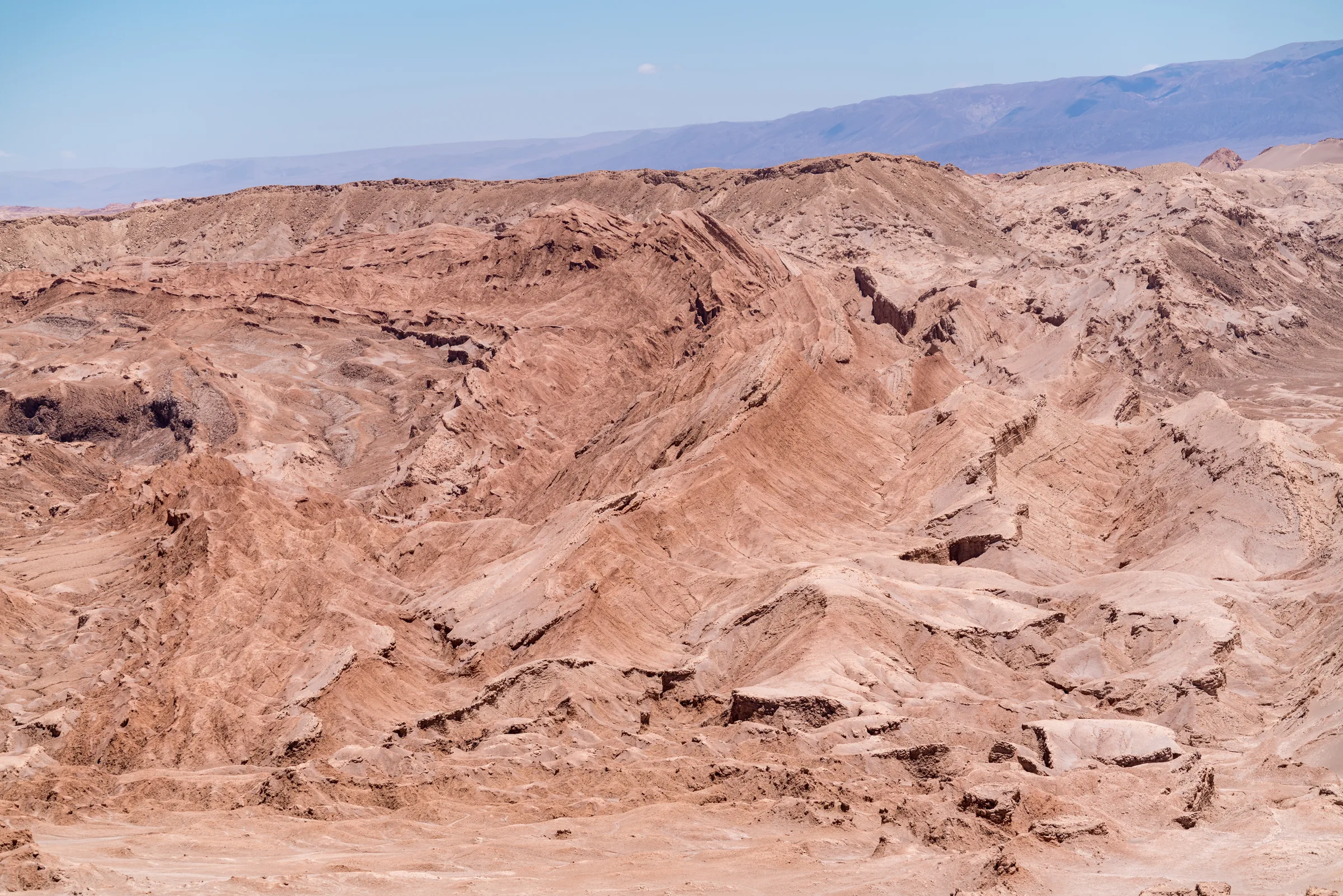
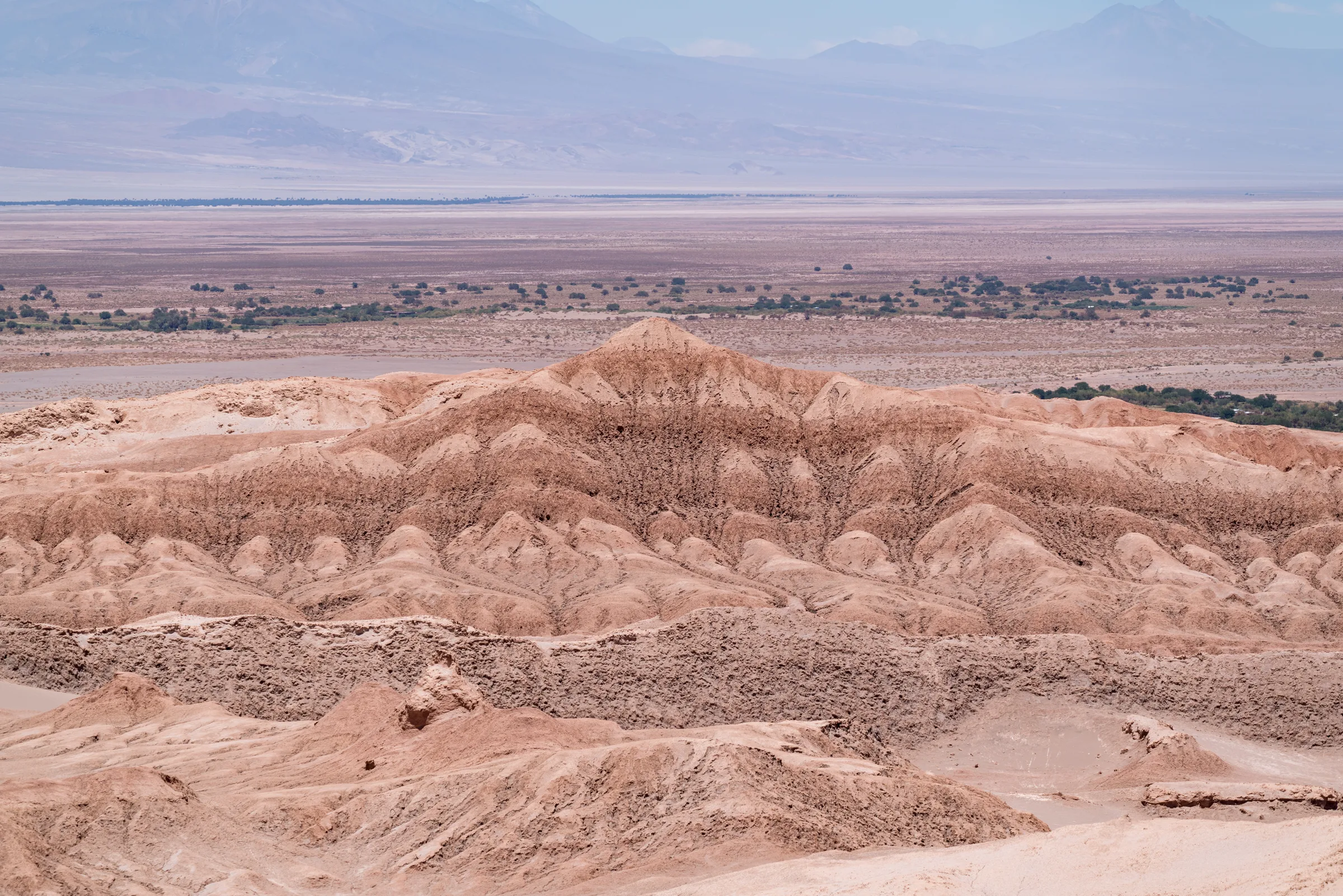
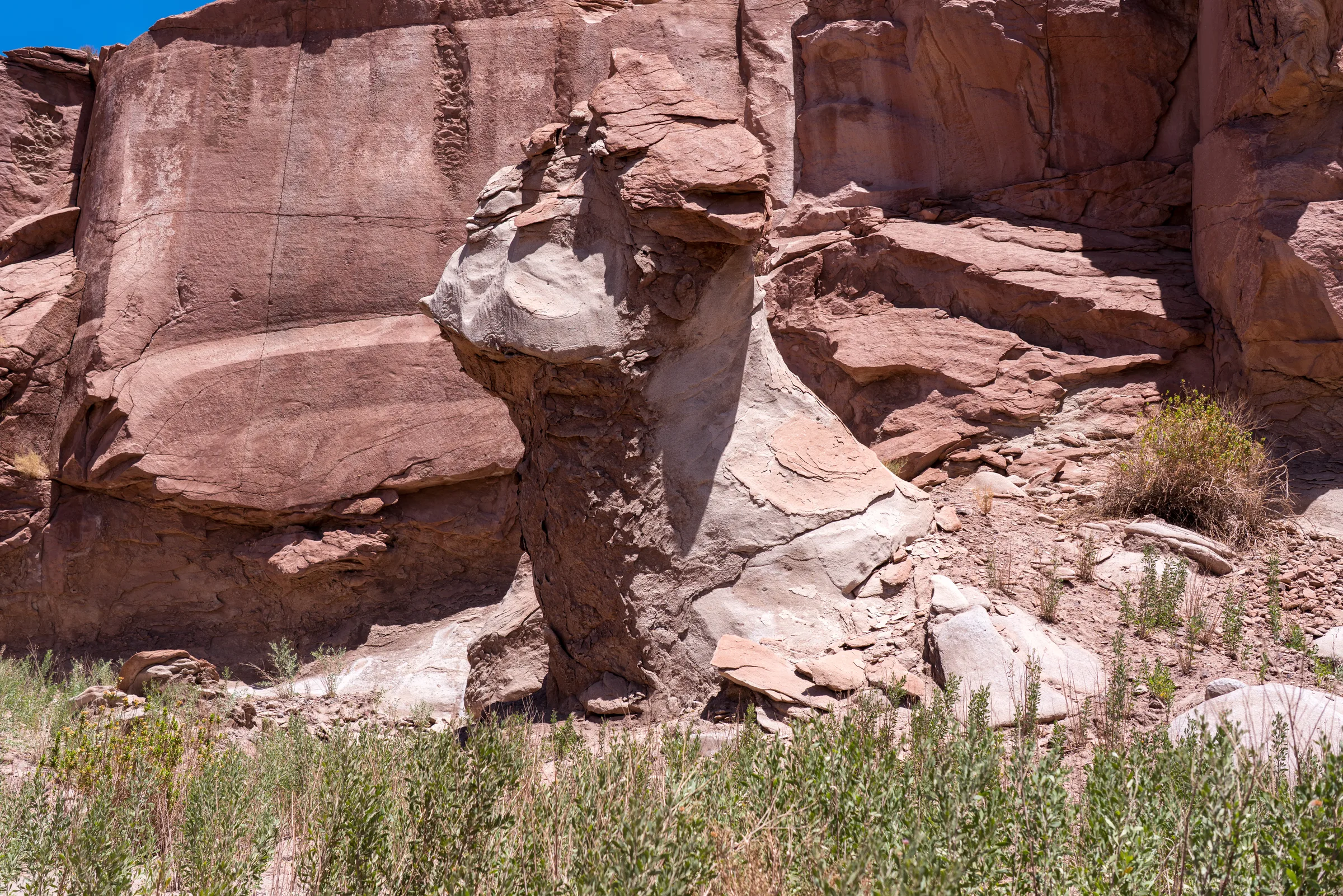
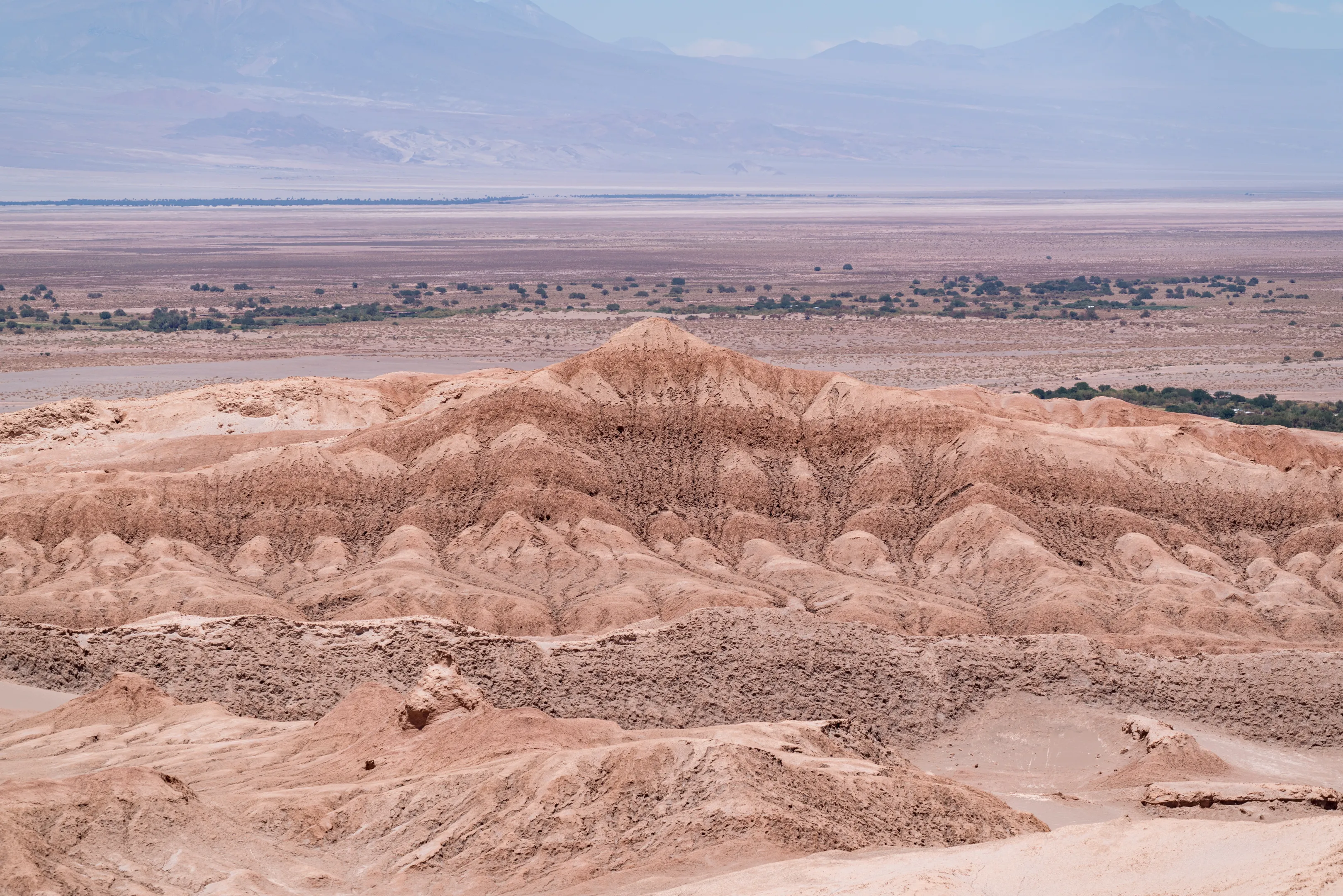
Valle de la Luna in the evening, when sunset paints salt and sandstone orange and silence sets in. The three pinnacles known as Tres Marías — salt, clay and quartz weathered out by wind — stand on the line of an old lakebed. On the neighbouring flats NASA tested Curiosity and Mars-suit prototypes — the soil structure and mineralogy here are the closest analogue to the Martian surface we have on Earth. On the way we drive past ALMA — sixty-six radio telescopes on the Chajnantor plateau (5058 m), observing protoplanetary dust and the earliest light of the universe.
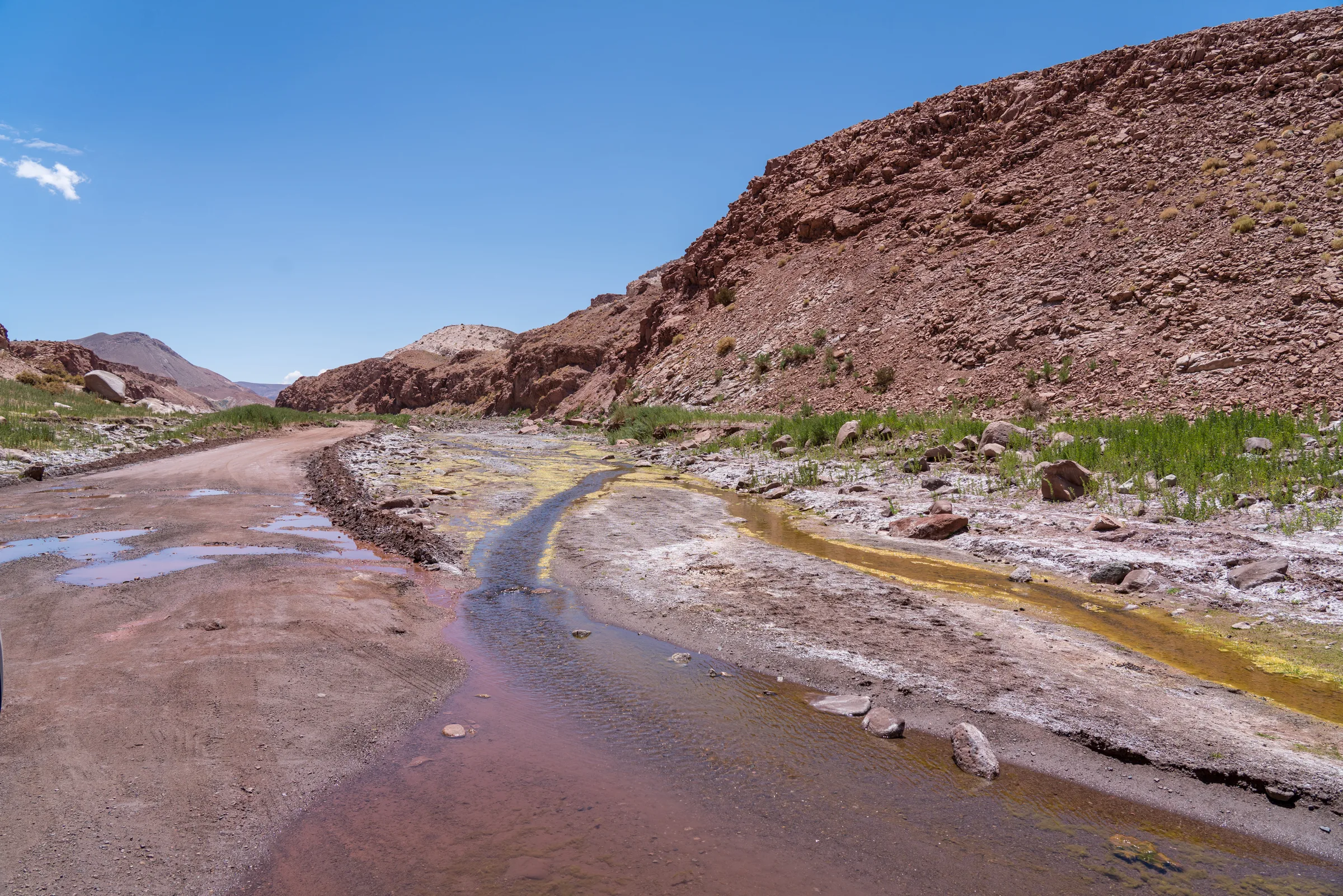
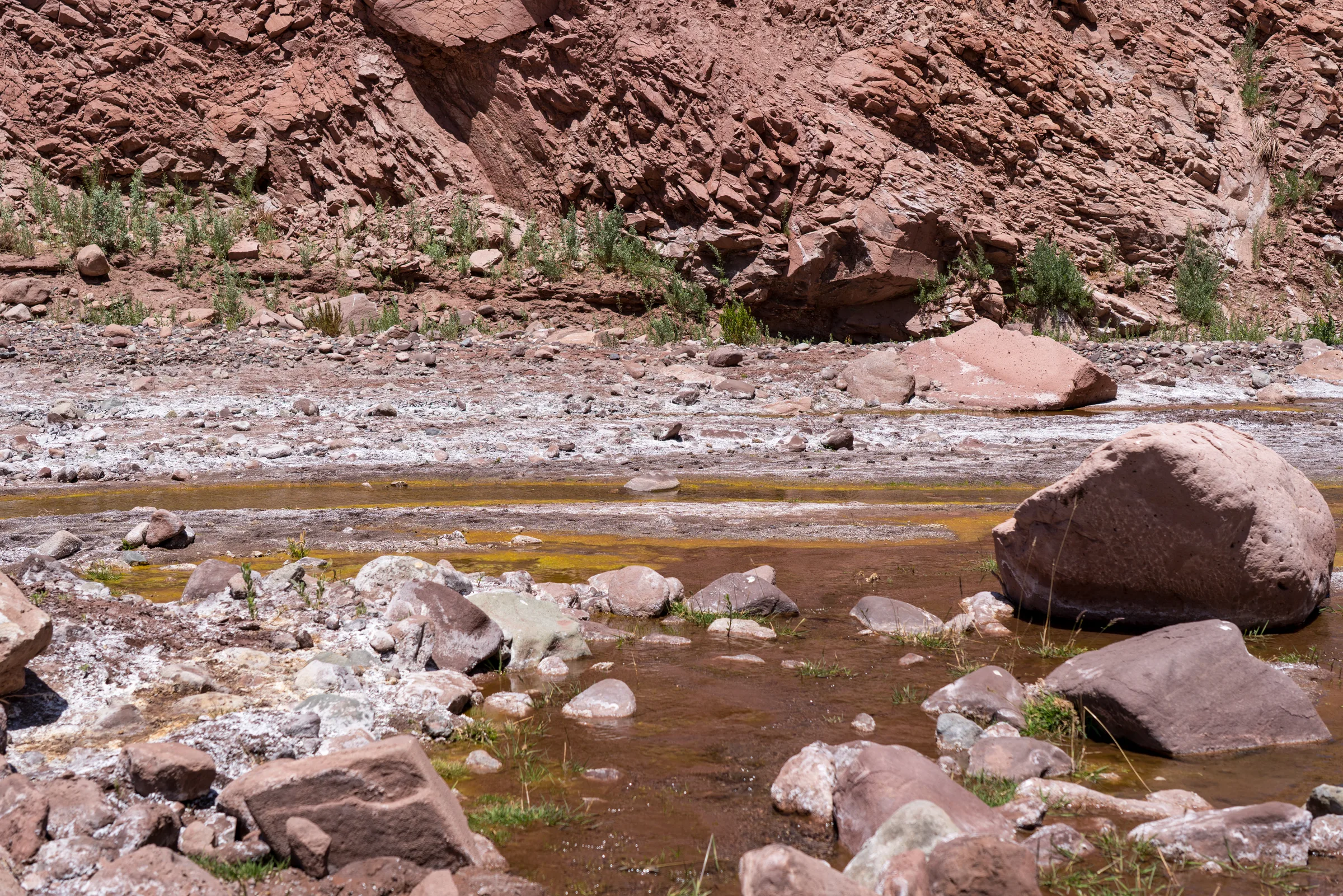
Saltos del Loa is a waterfall on the Loa, the longest river in Chile (440 km) and one of the very few in the country that actually reaches the ocean. A single stream cutting through impossible drought — geographical context that doesn’t really land until you stand at the canyon’s edge.
From Atacama I came back with dry skin, cracked lips and a very specific tiredness from days at altitude. And the sky: no clouds, no humidity, no city lights within hundreds of kilometres. The Milky Way is dense enough to cast a shadow.
Gallery