№ 04 · June 2025
Georgia.
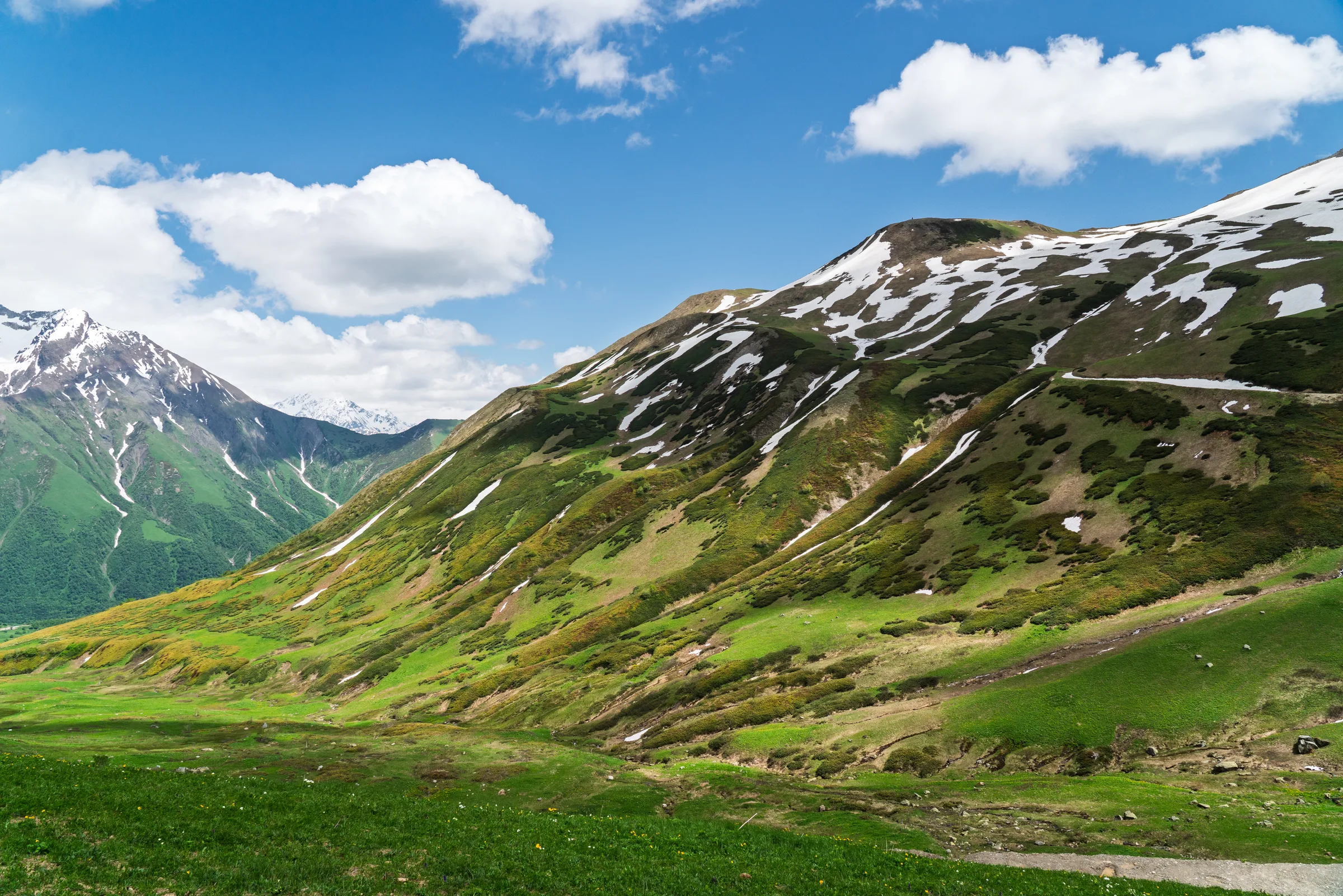
A big loop through the Caucasus — Tbilisi as base, the Georgian Military Highway up to Kazbegi, the defense towers of Svaneti, the Vardzia cave city, the vineyards of Kakheti, and Tusheti beyond the Abano Pass (2826 m).
Tbilisi and six regions
Georgia is smaller than Ireland, has about 3.7 million people, and the Georgian language is not related to anything you learned in school. Three historical alphabet forms — Asomtavruli (5th c.), Nuskhuri (9th c.), Mkhedruli (11th c.) — are all still in use, inscribed by UNESCO in 2016 as a single living tradition. Sitting where the Arabian and Eurasian plates meet, Georgia has everything you need to produce mountains and wine: tectonics and a warm valley climate.
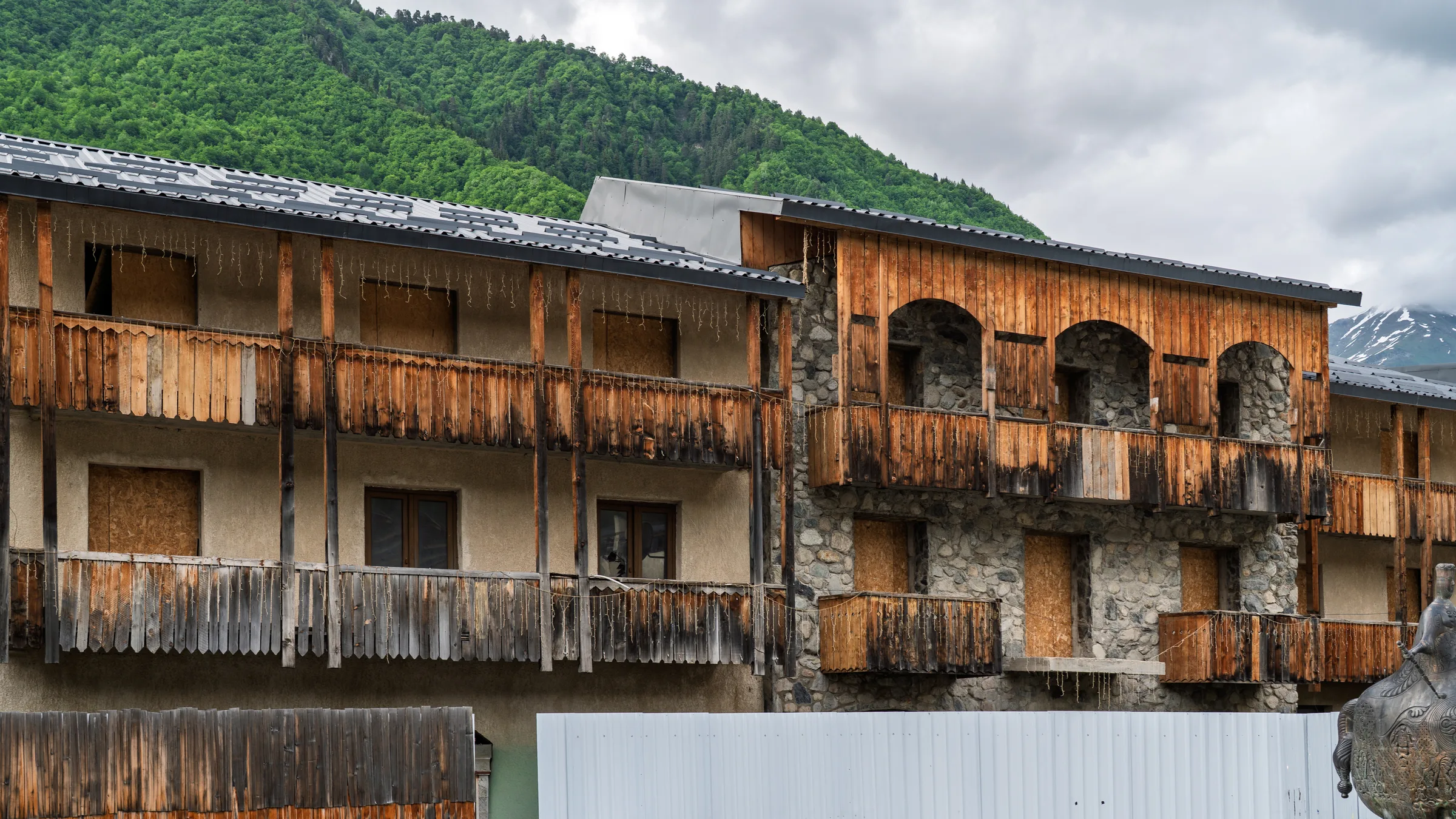
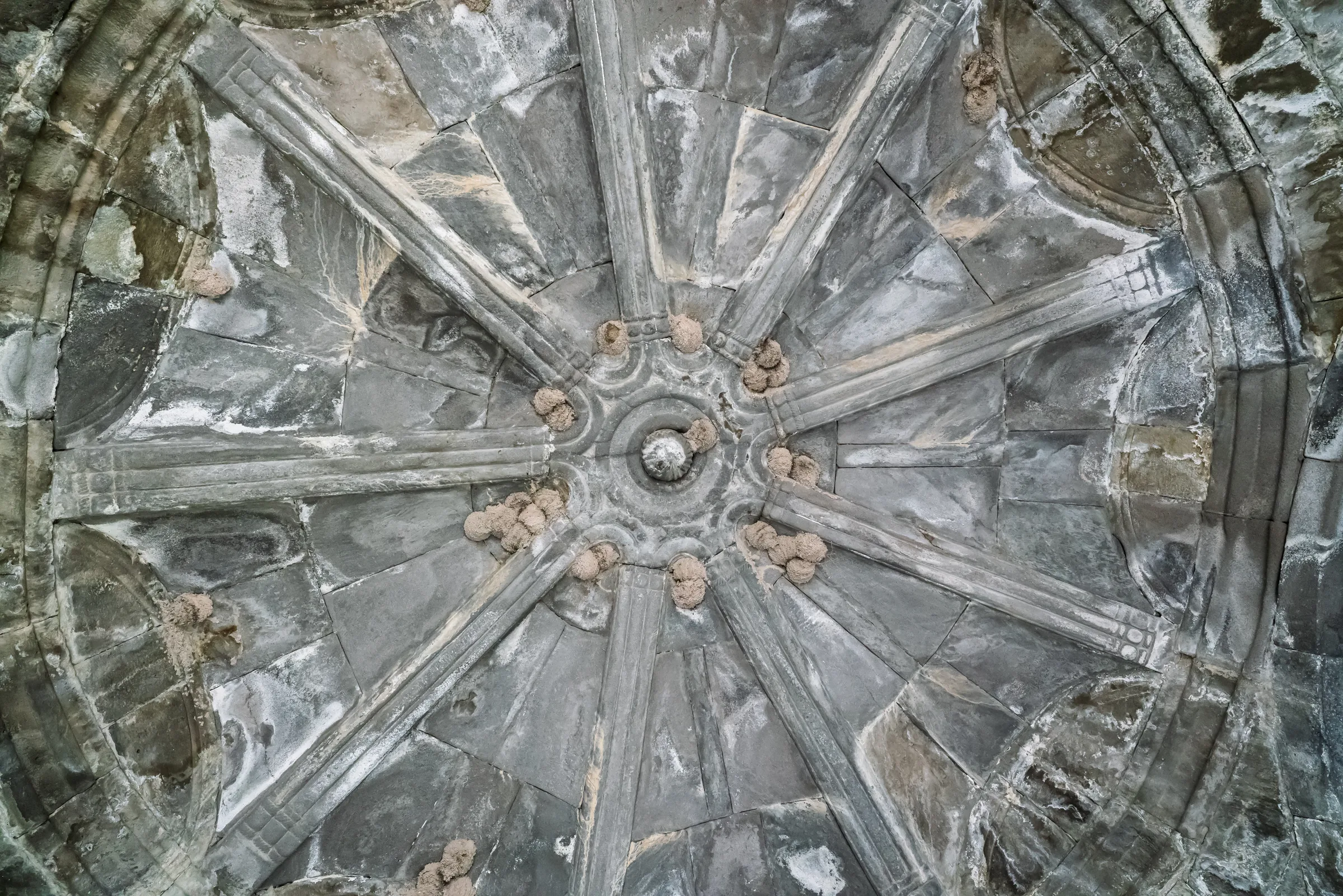
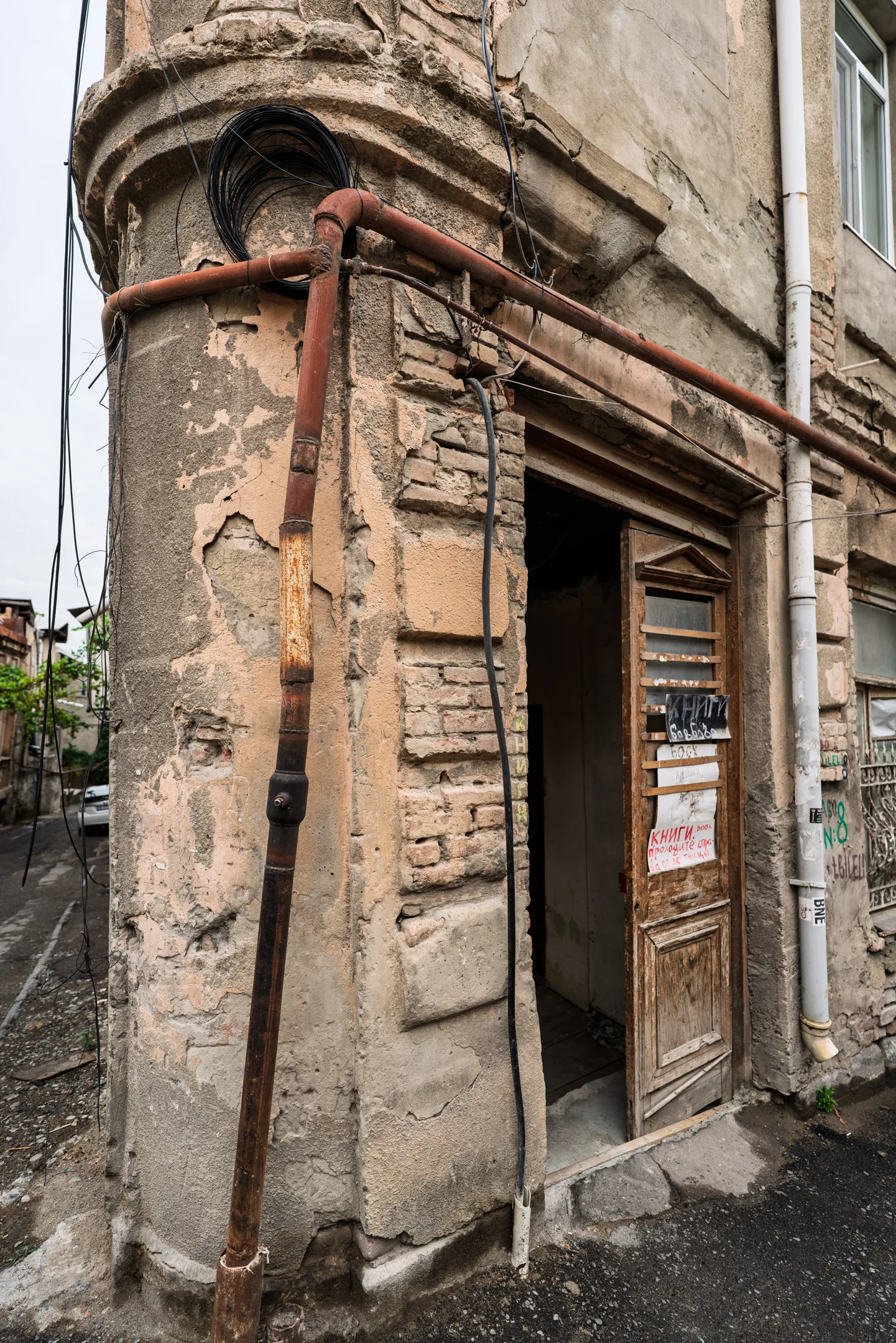
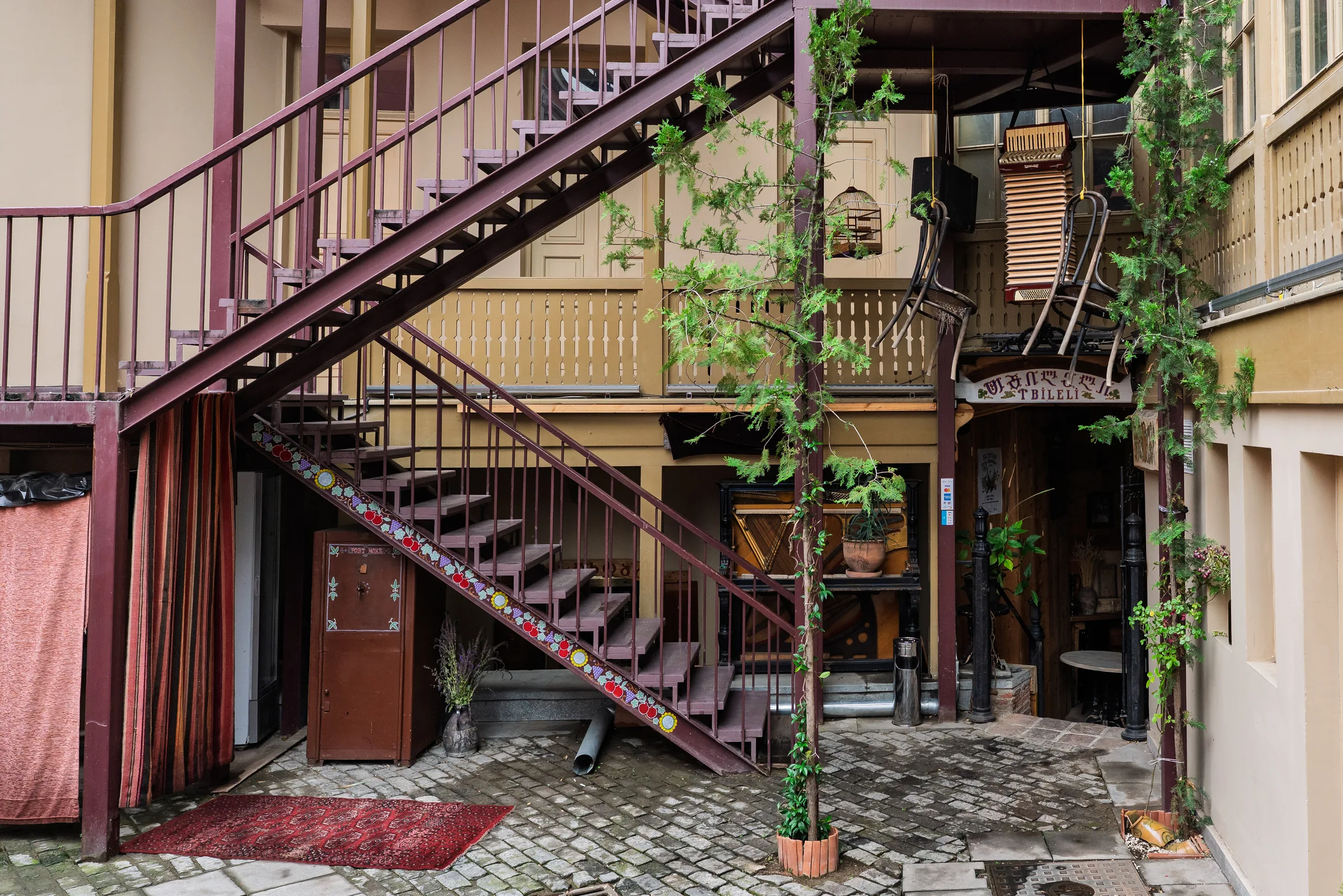
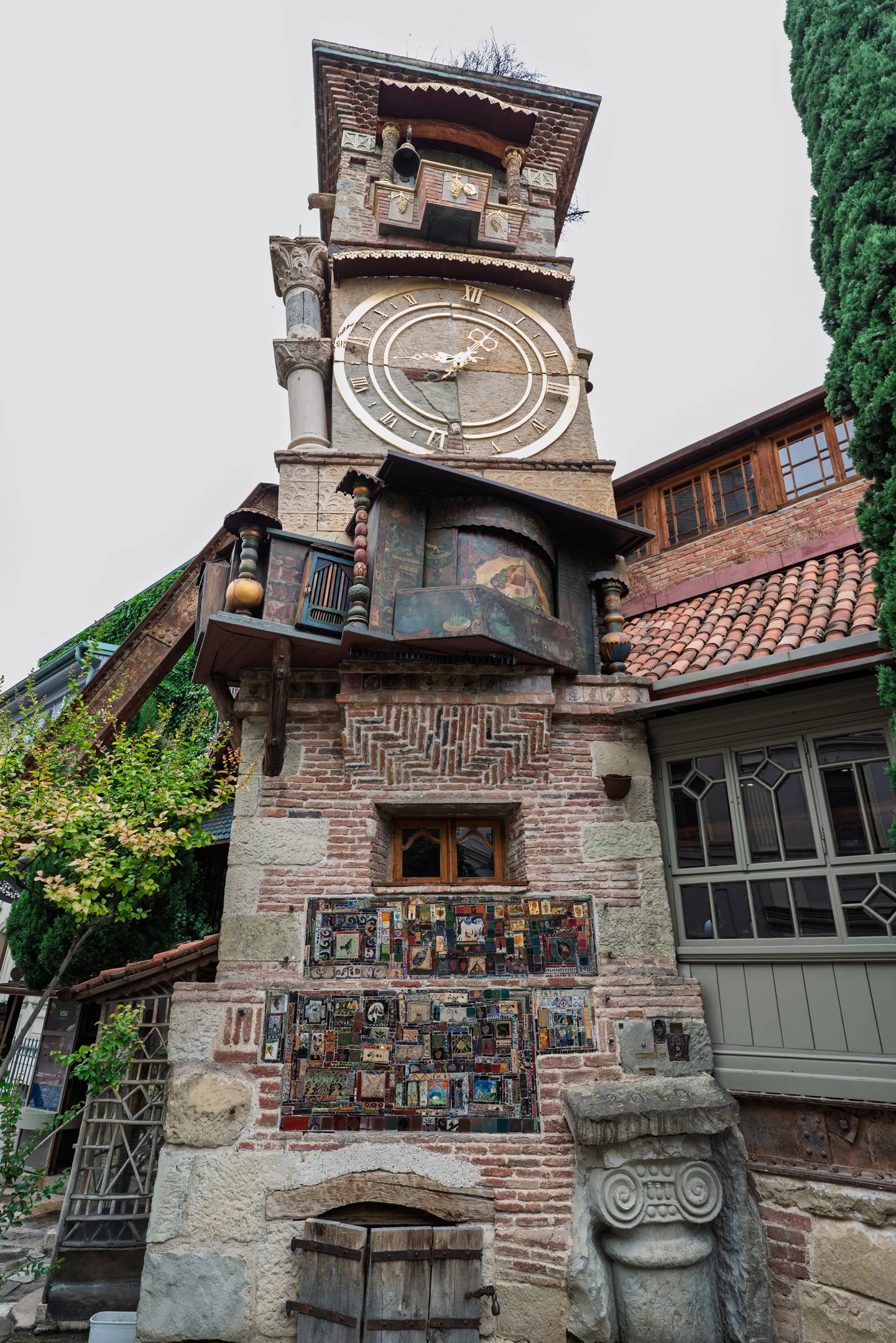
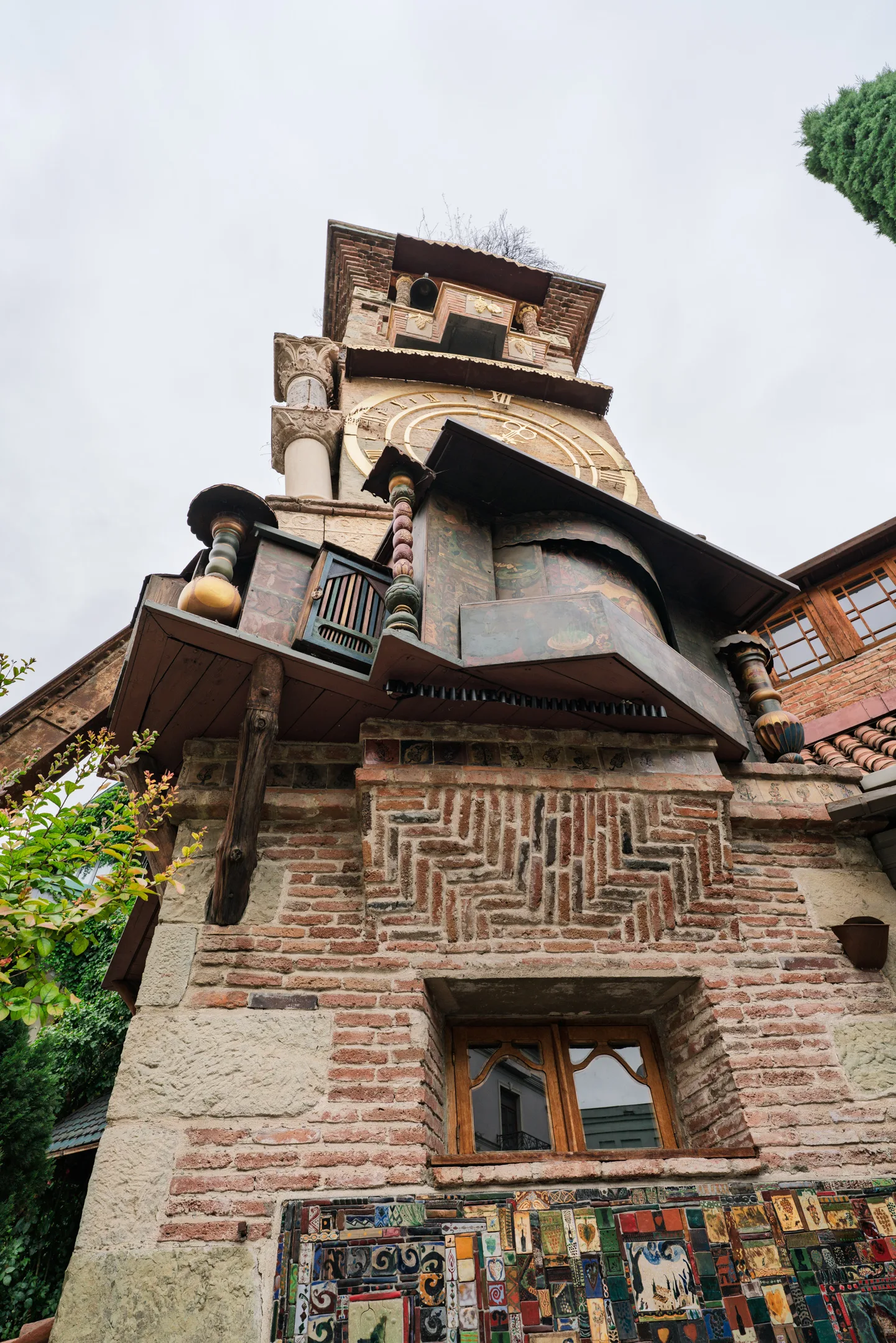
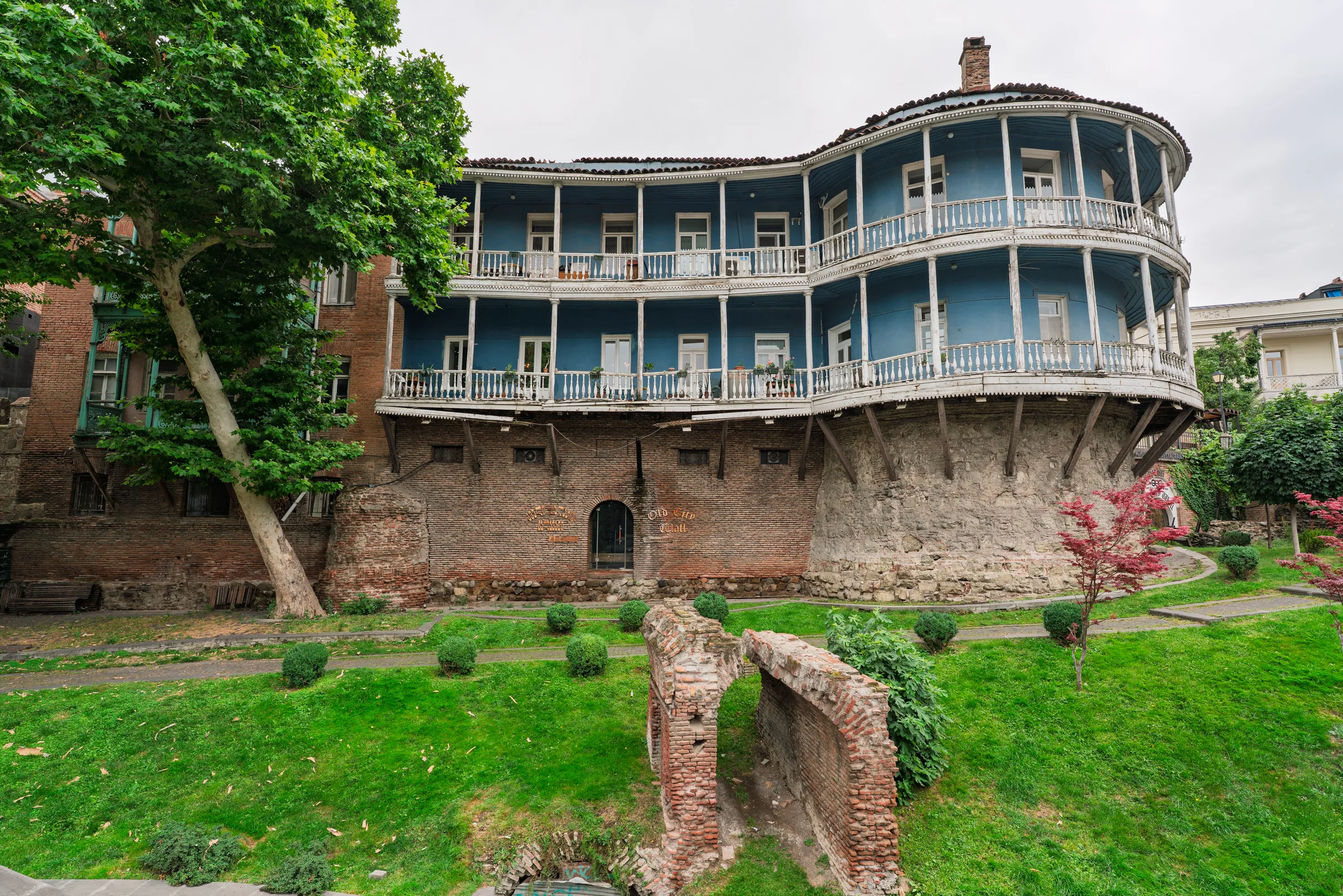
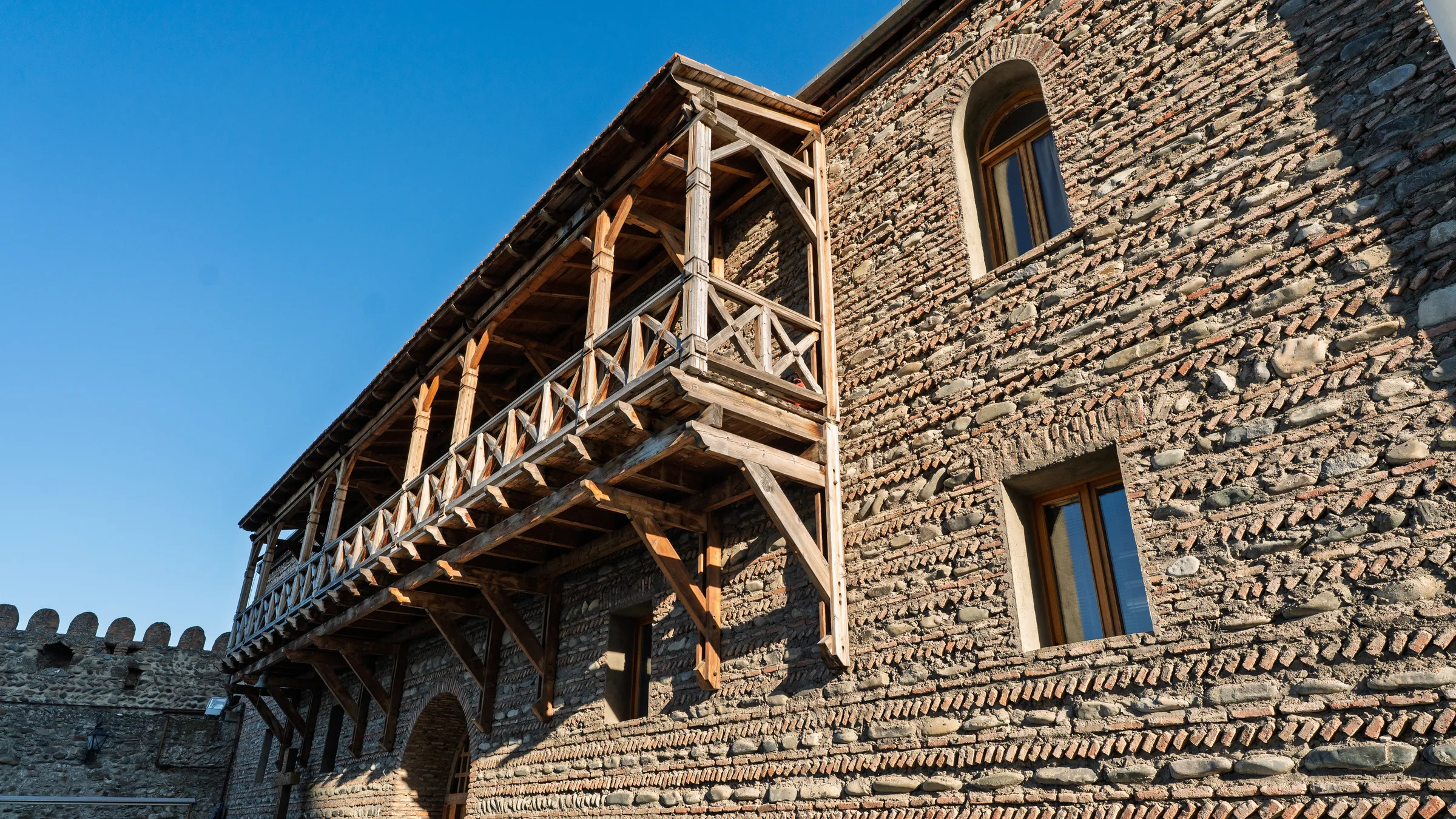
Tbilisi is our base. Founded in the 5th century by King Vakhtang Gorgasali (legend: hot springs discovered while hunting), today home to about 1.2 million. The old town leans; wooden balconies sag over the streets like tired eaves. In the Abanotubani baths the sulphurous water sits at 38°C — afternoons pass under 17th–18th-century brick domes. Evenings: clay-jar wine in the cellars of Marjanishvili.
North on the Georgian Military Highway. The road was built by Russia between 1799 and 1817; it crosses the Greater Caucasus at Krestovy Pass (2384 m) and descends toward the South Ossetian border. Before Stepantsminda we stop: the Tsminda Sameba monastery (14th c.) sits on a plateau at 2170 m, under the face of Mount Kazbek (5054 m). A cloud slides off the summit and covers the cross on the church in thirty seconds. The wind turns tea into mint soup.
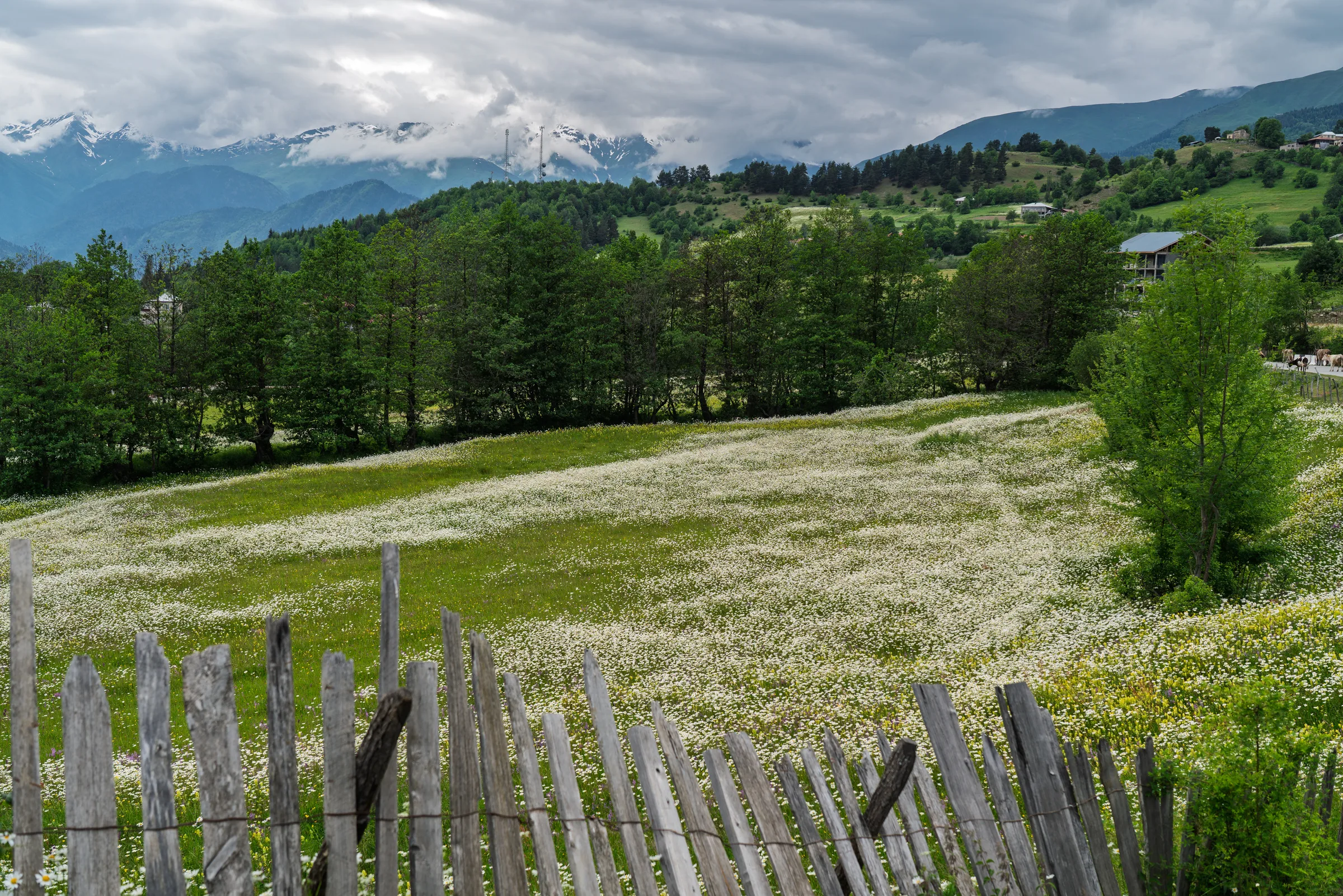
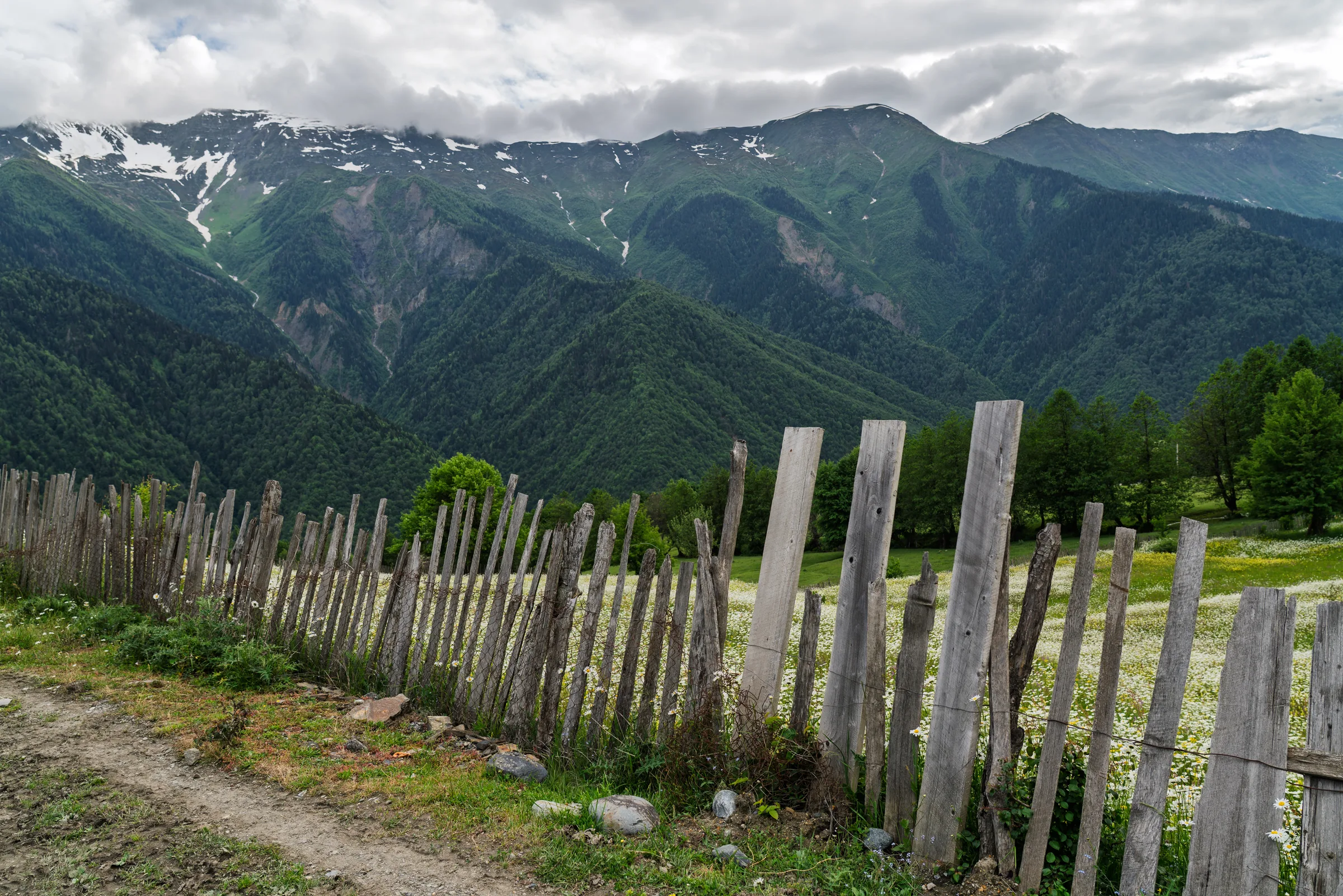
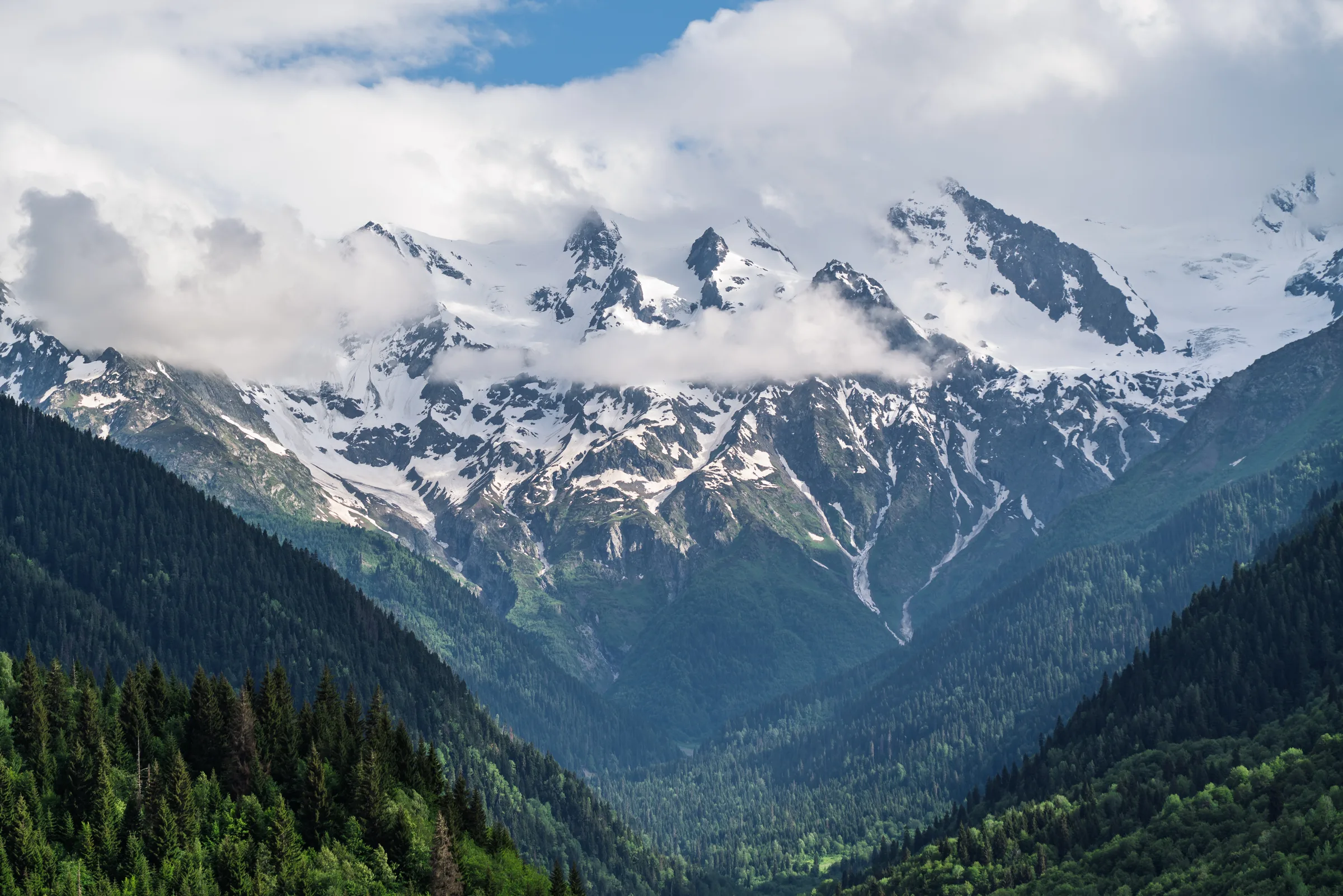
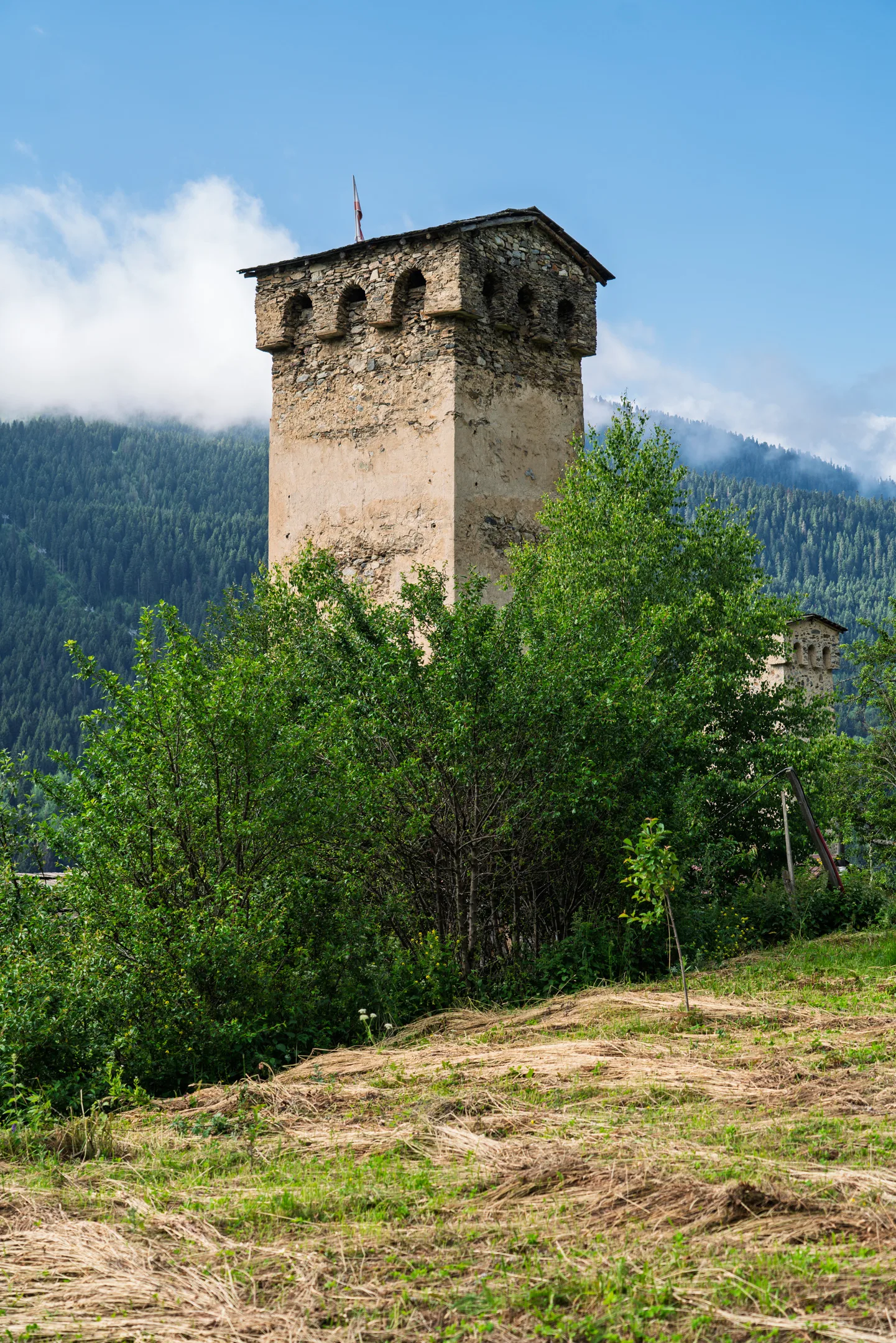
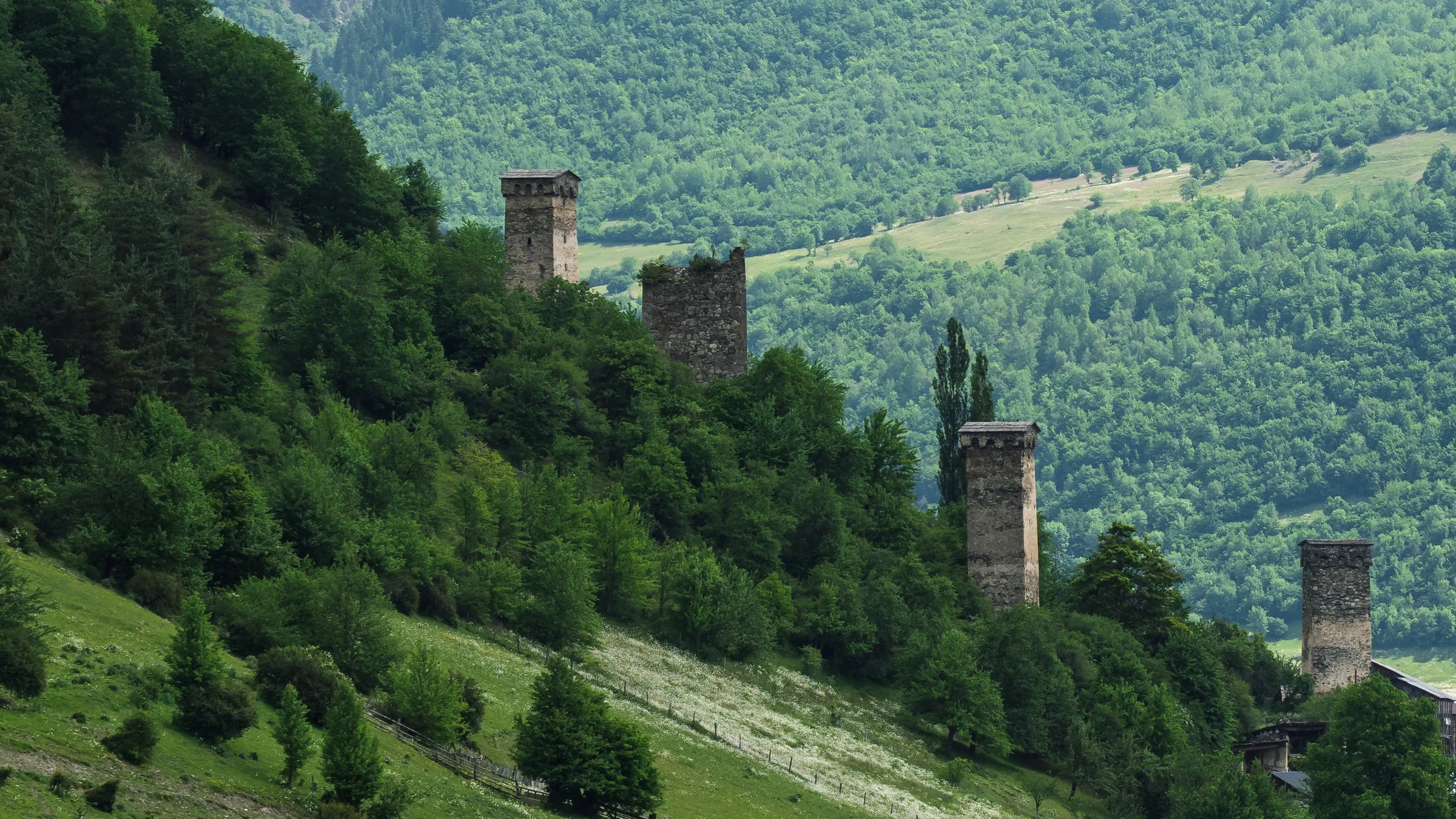
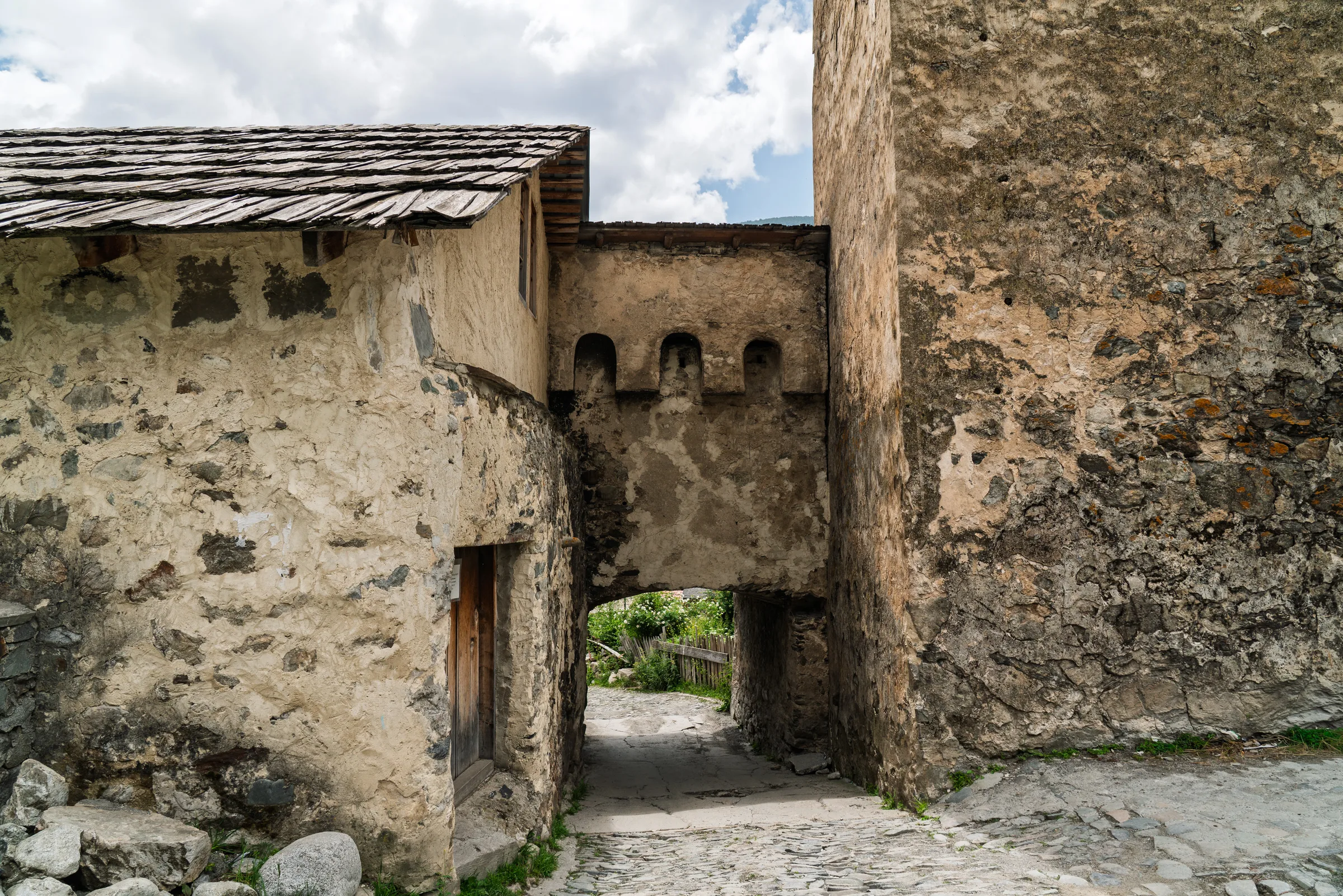
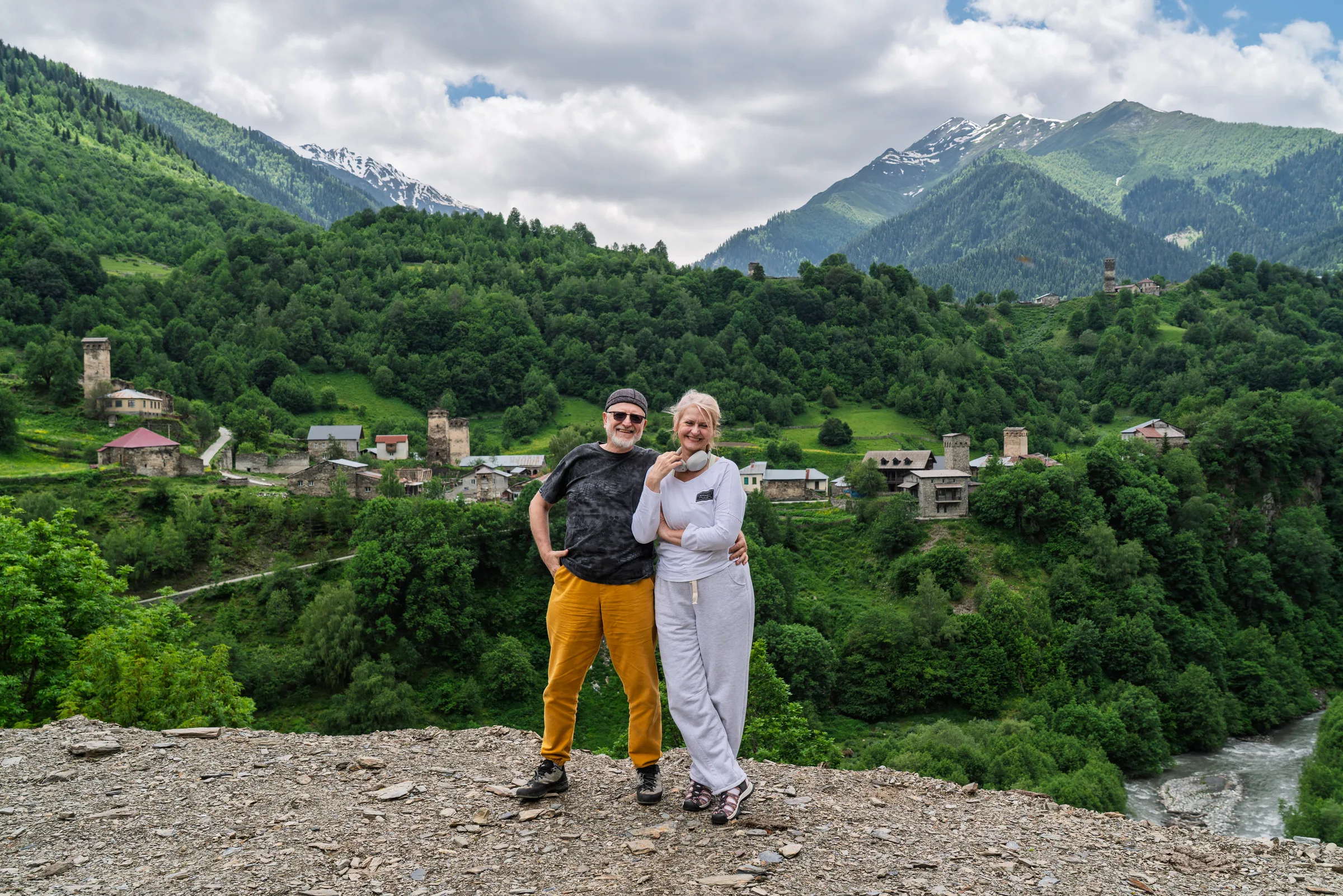
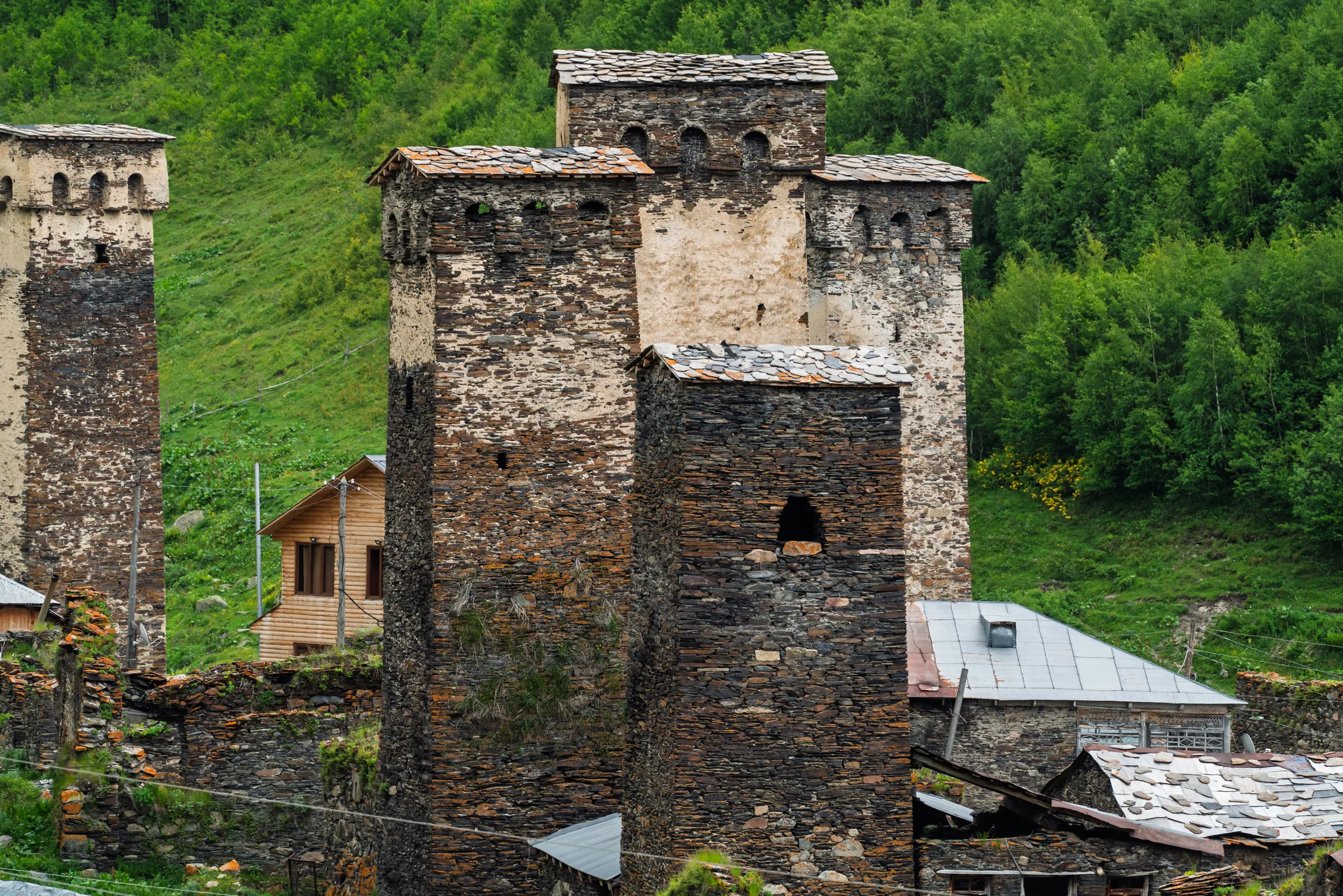
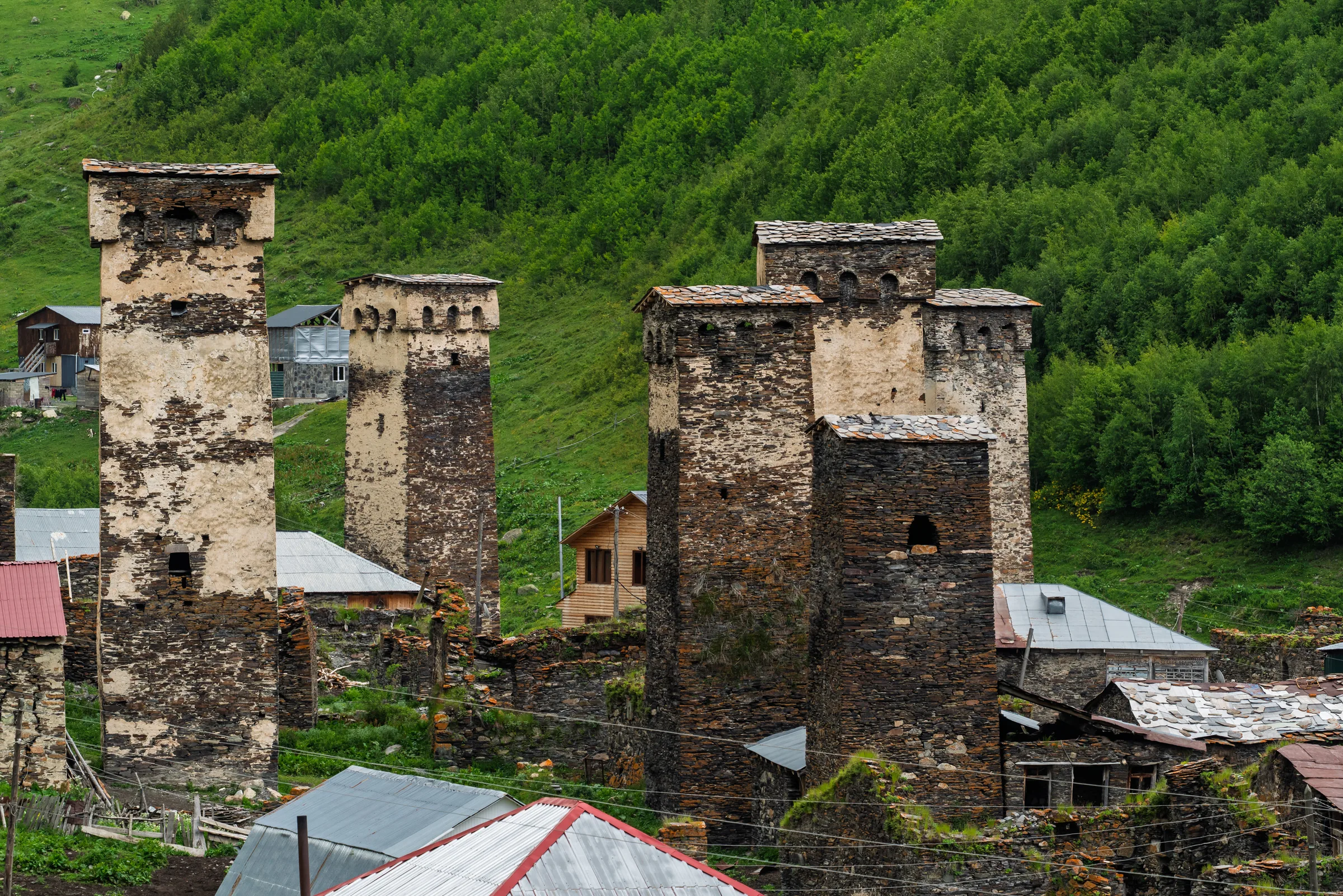
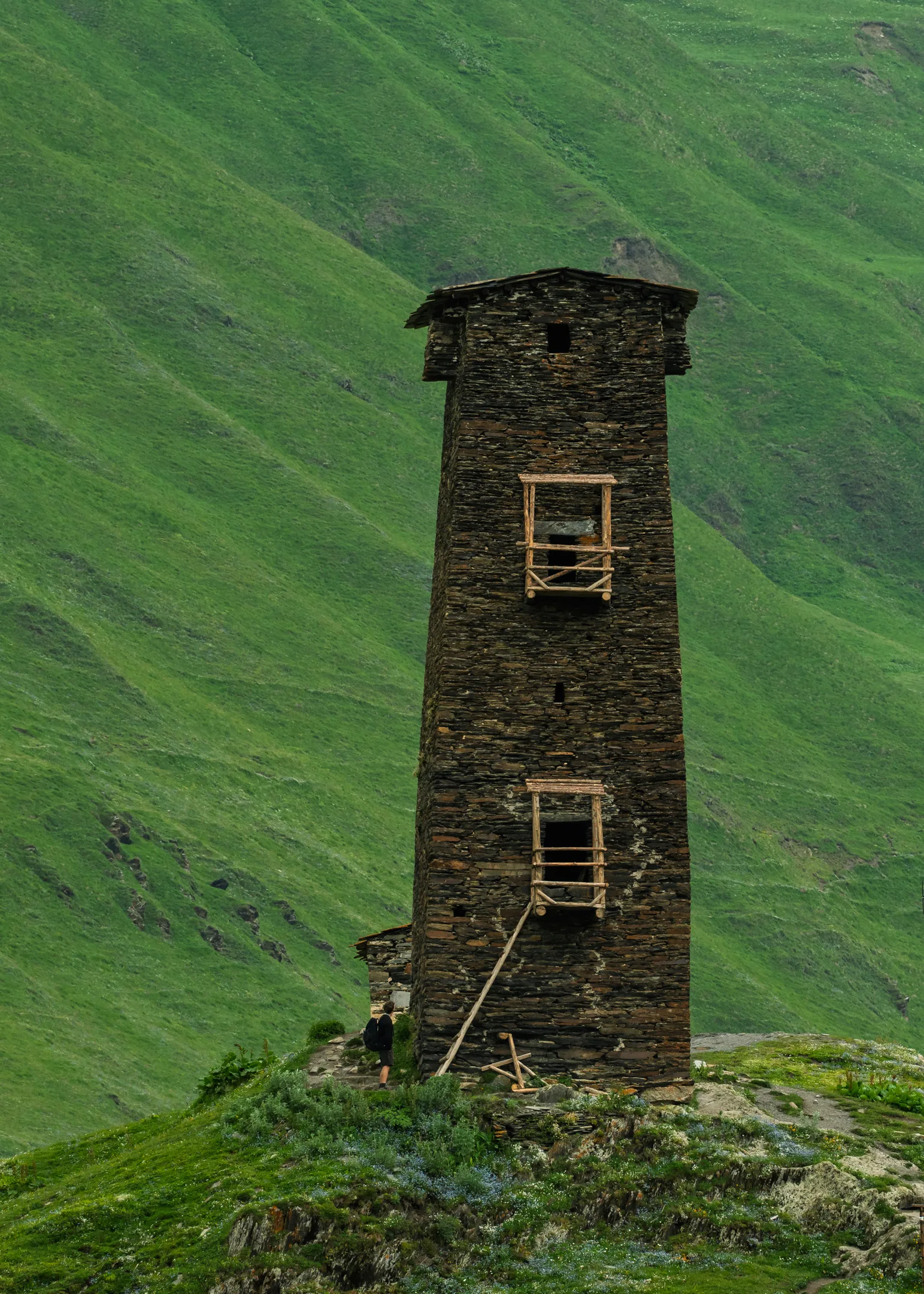
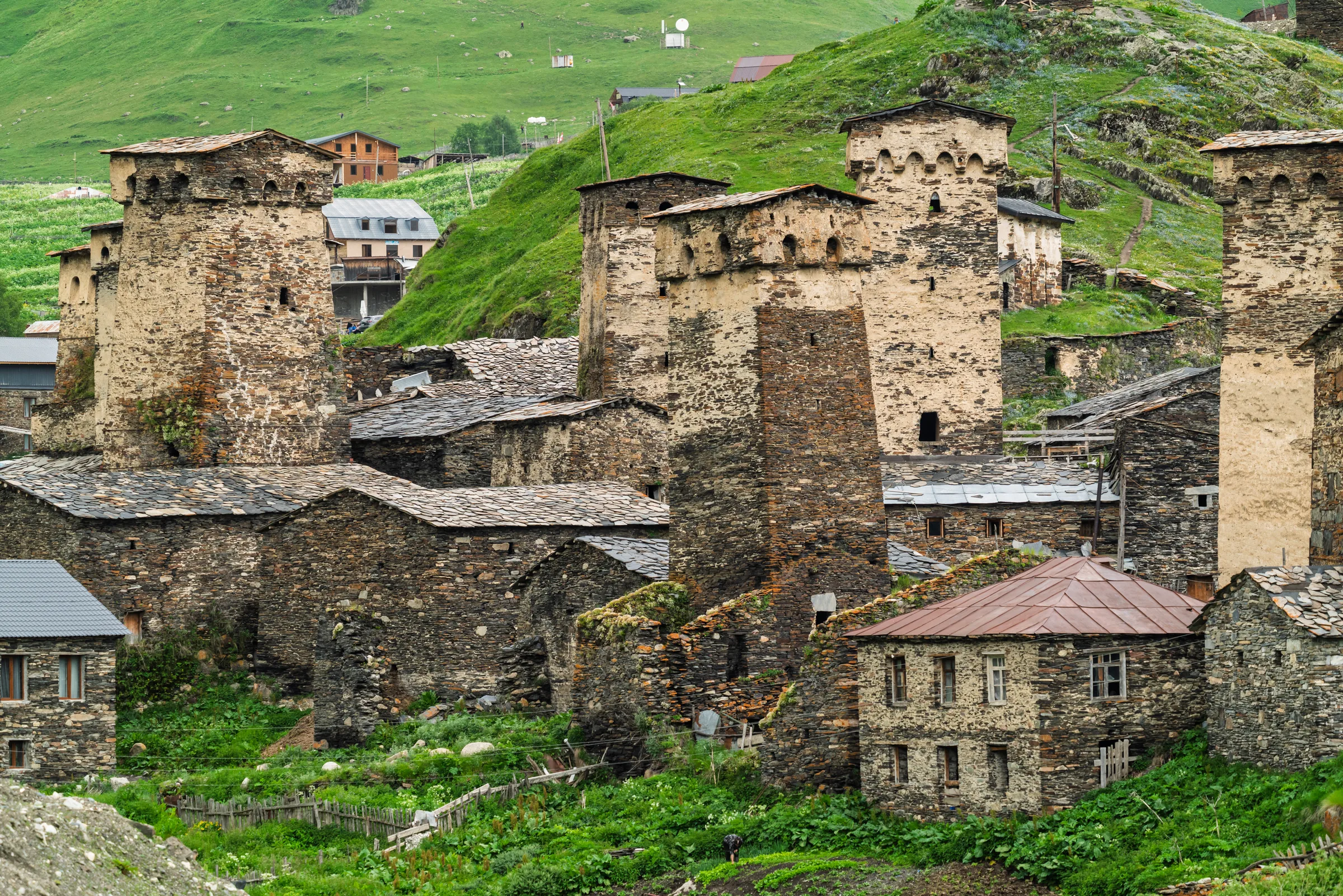
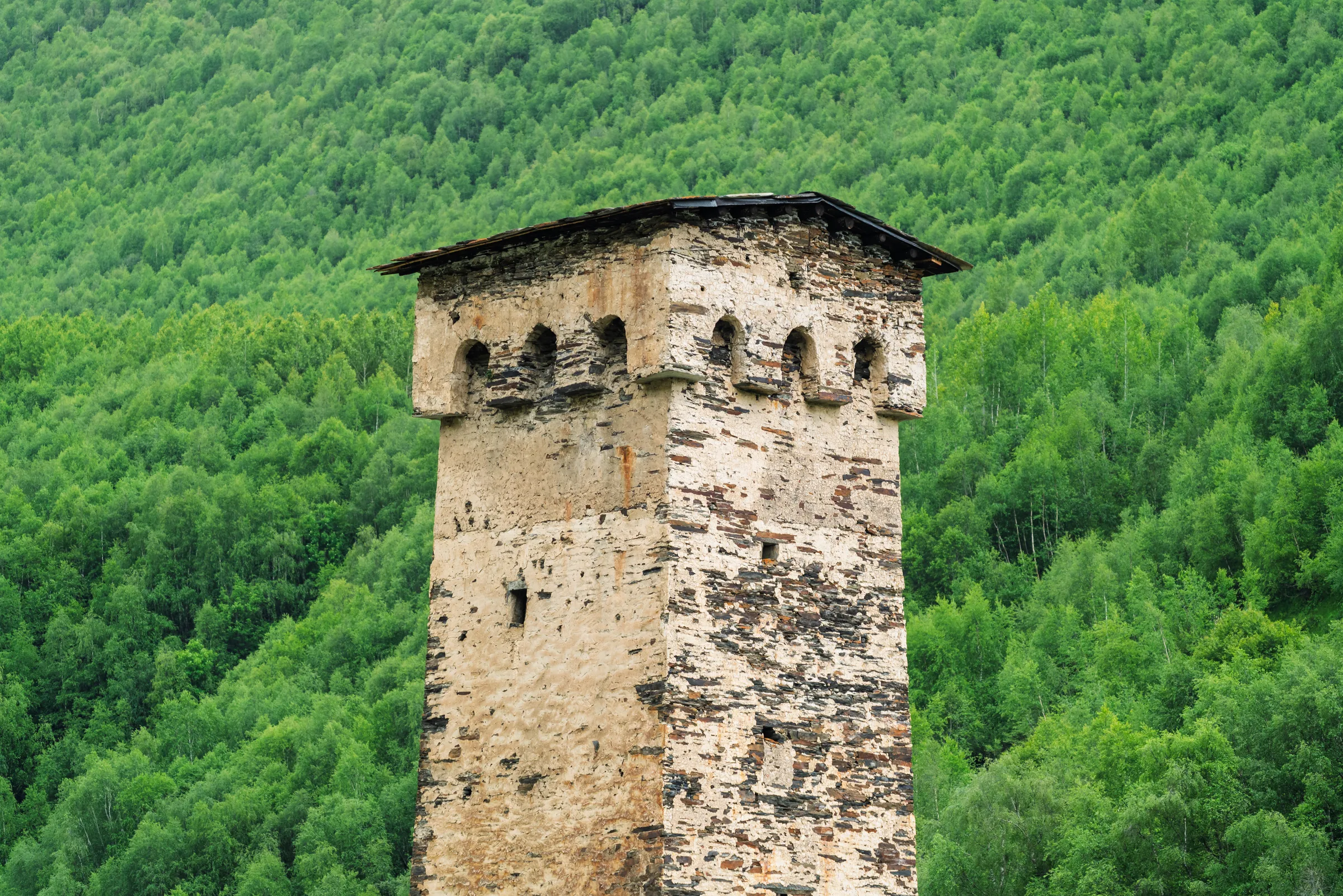
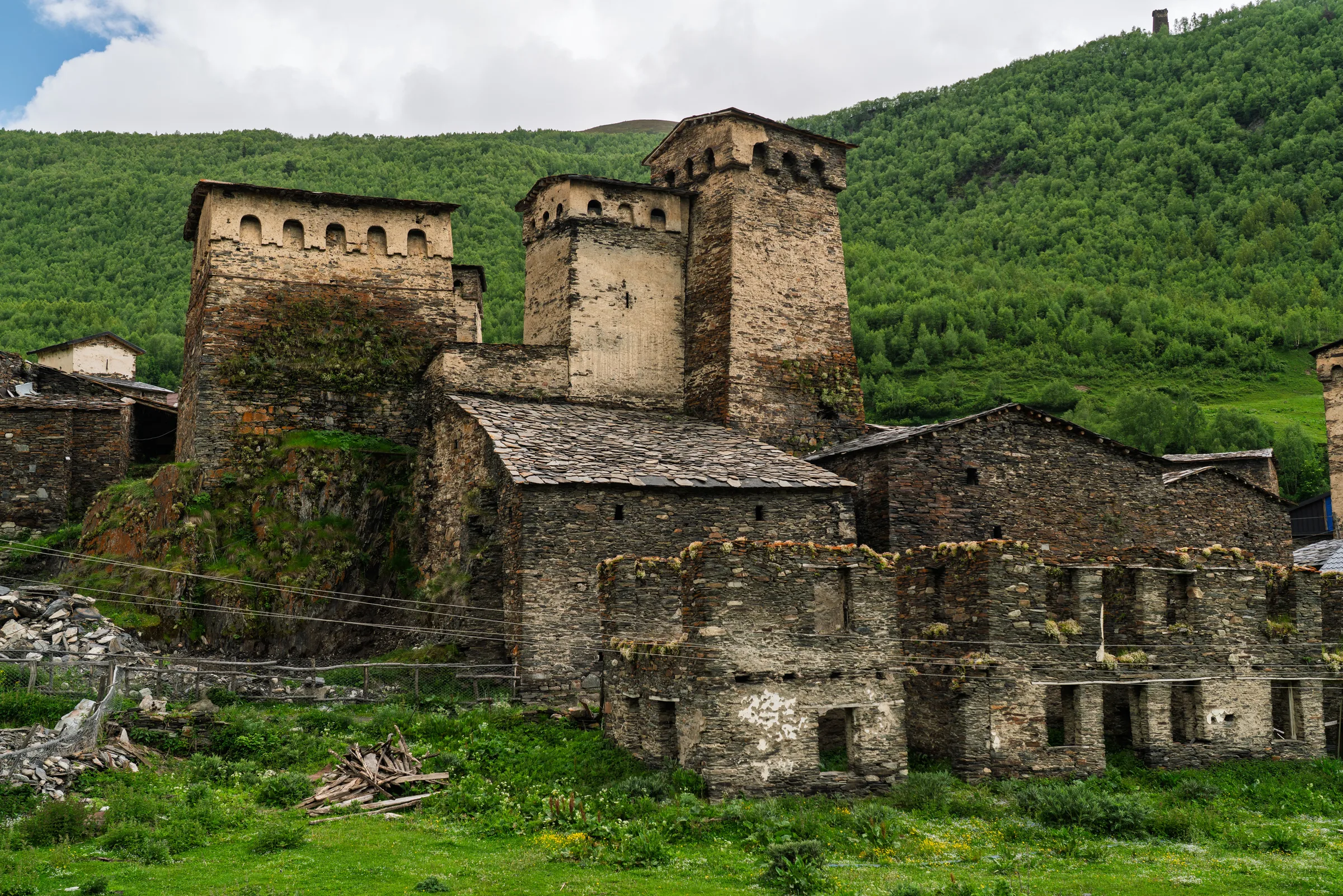
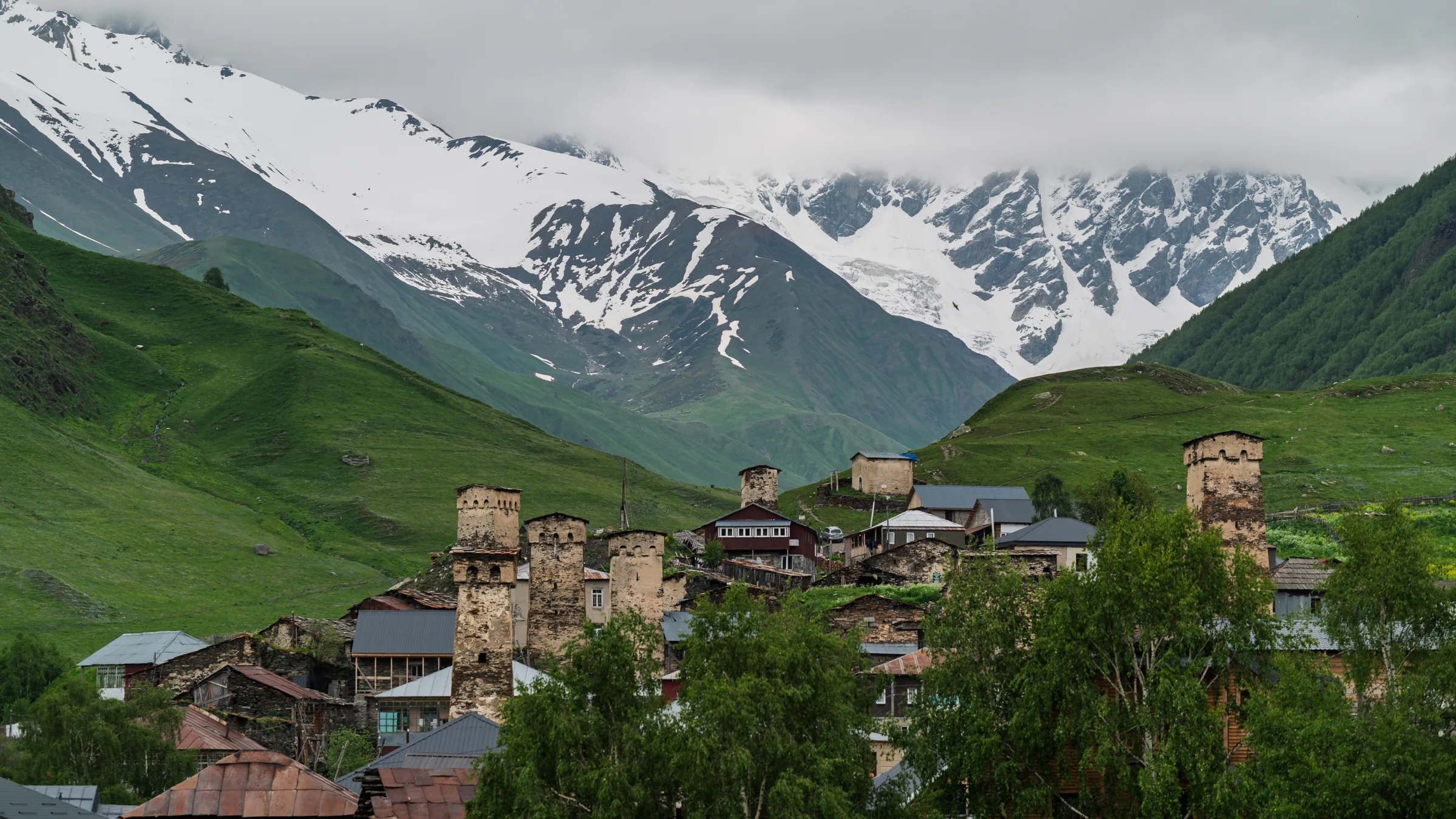
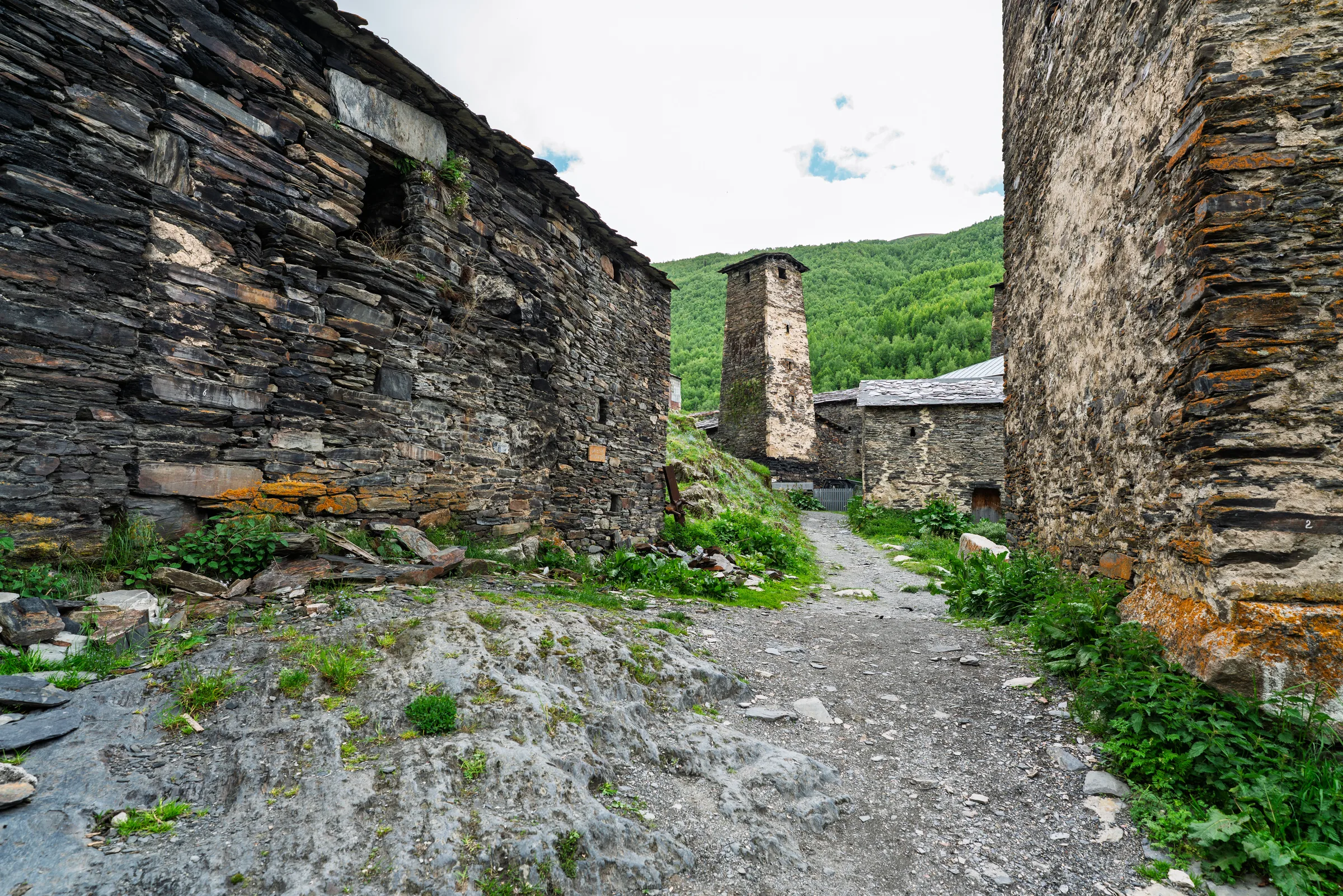
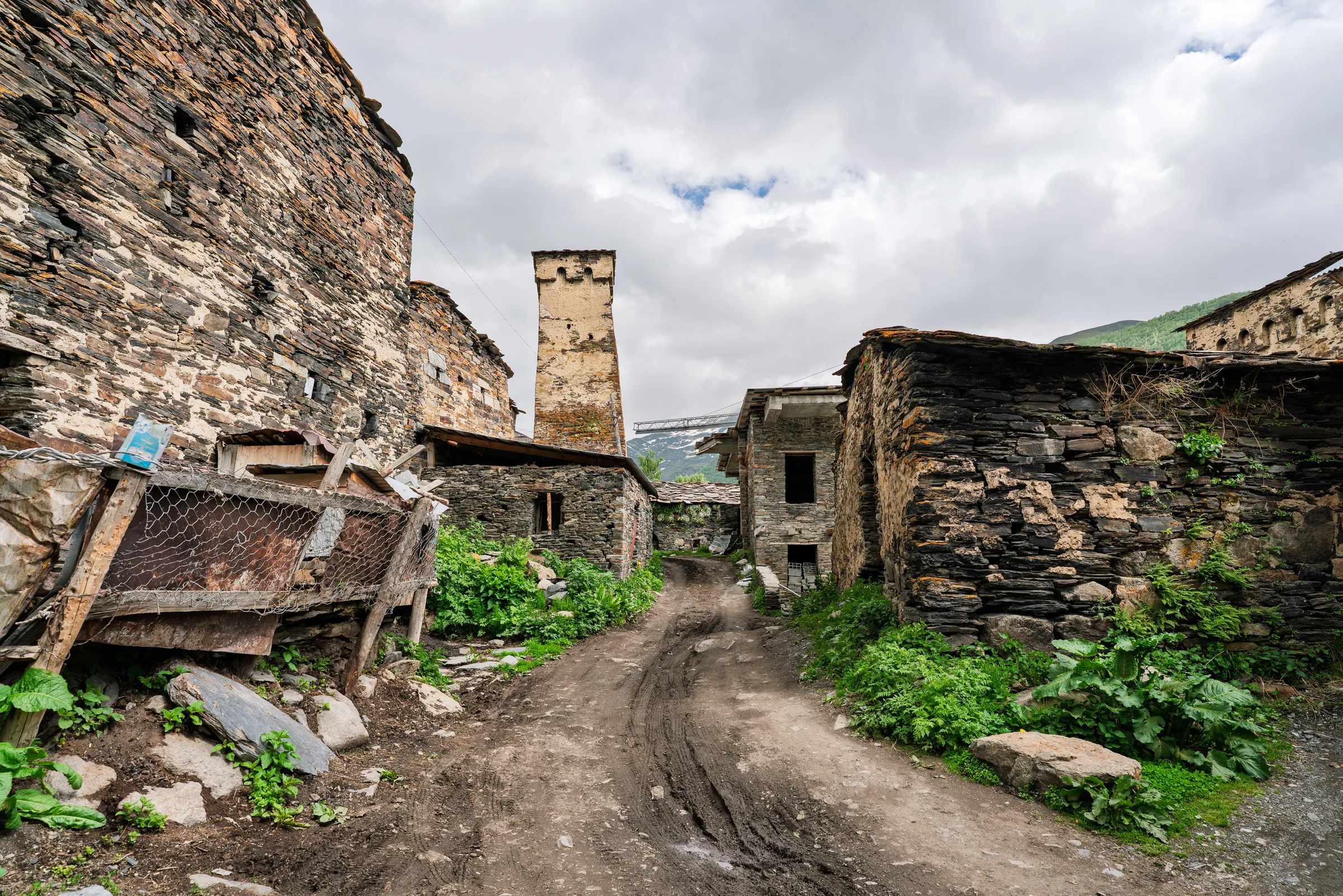
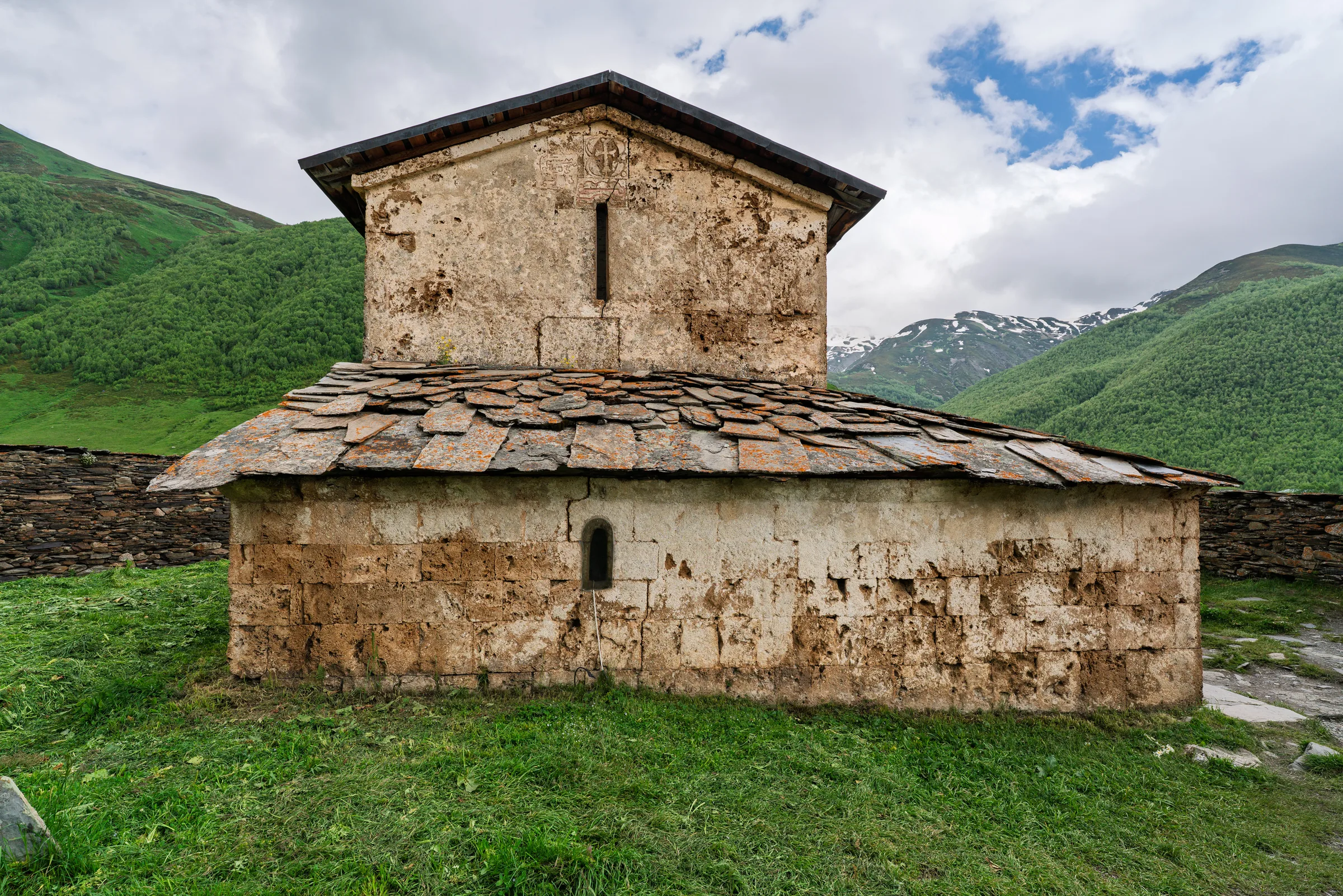
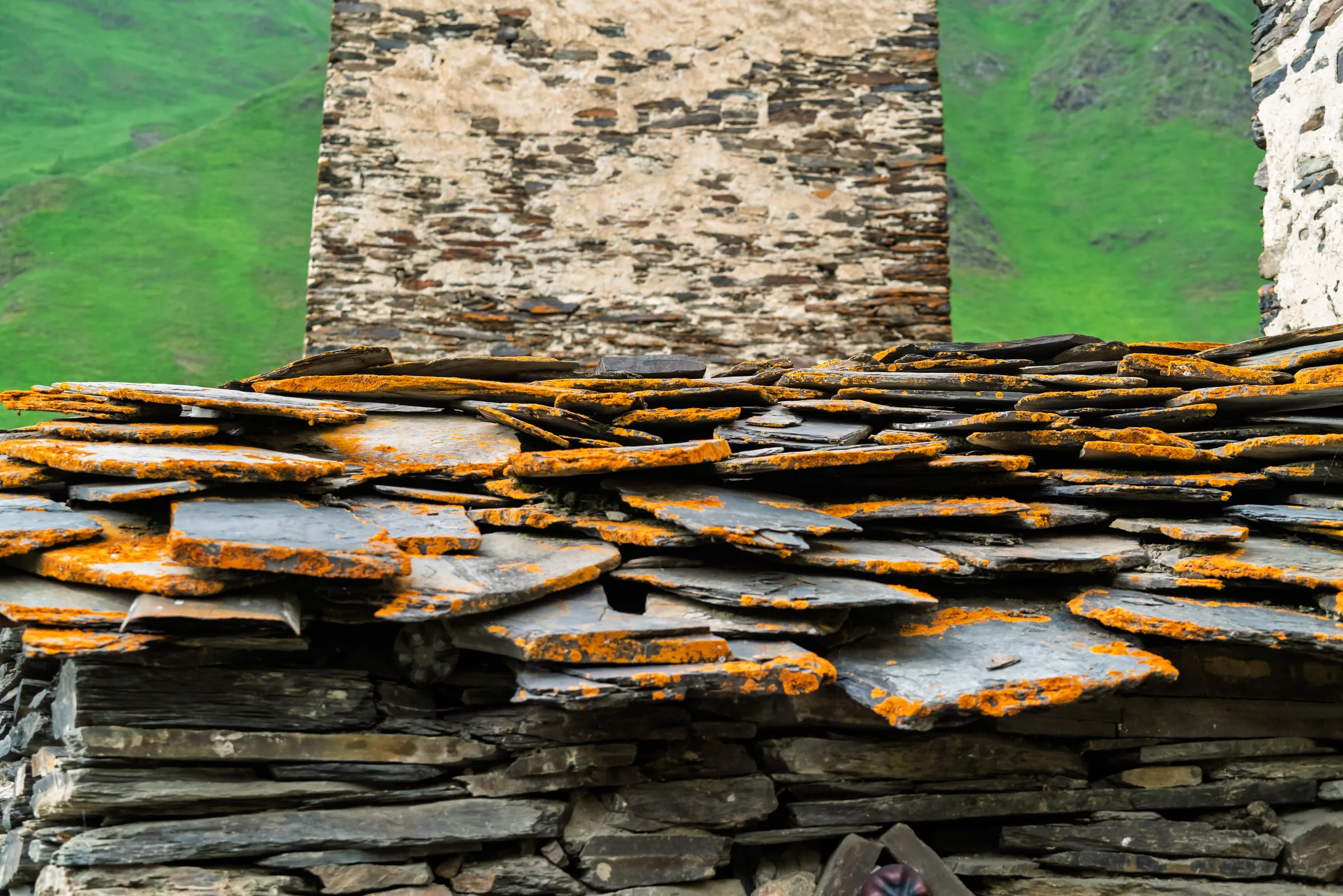
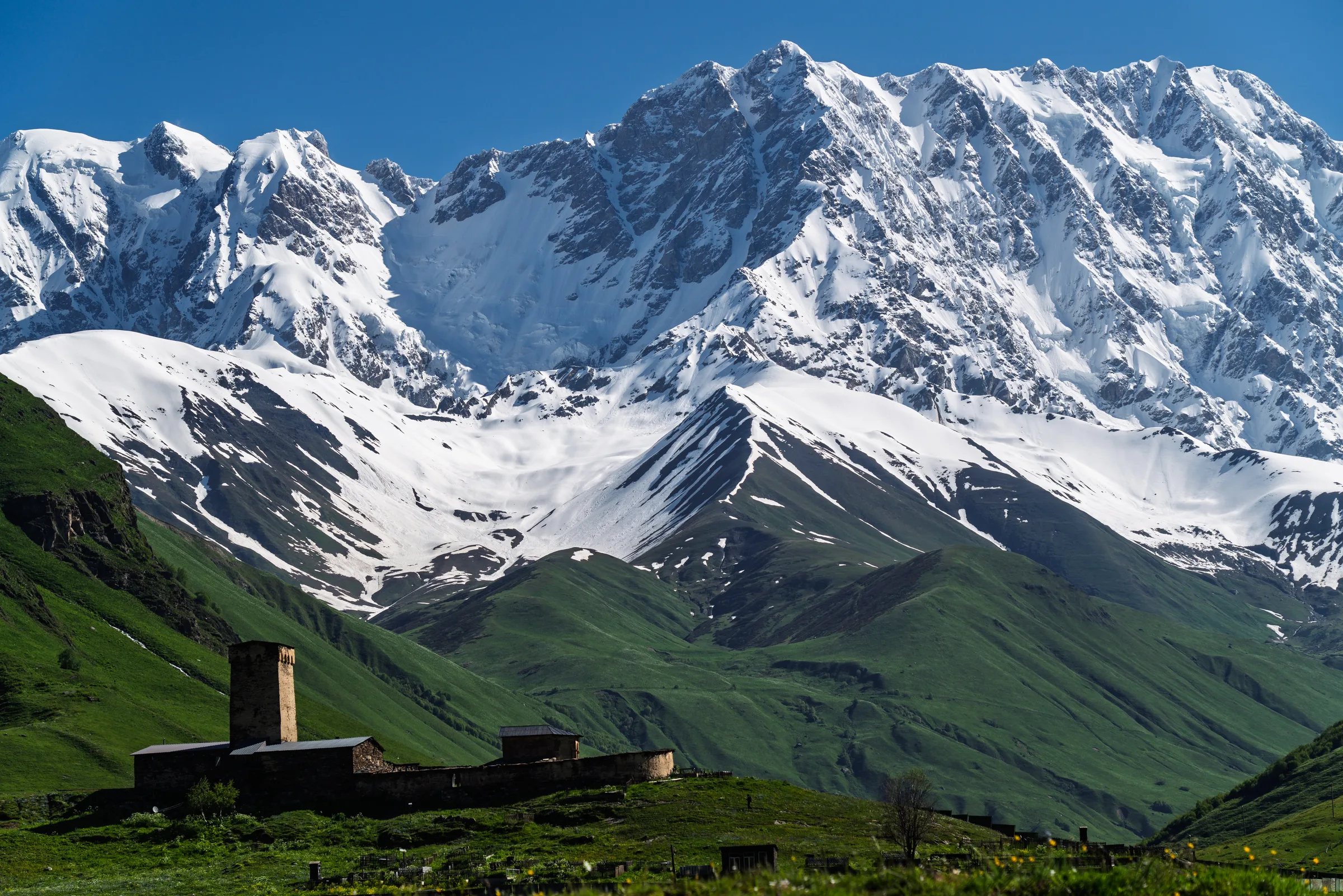
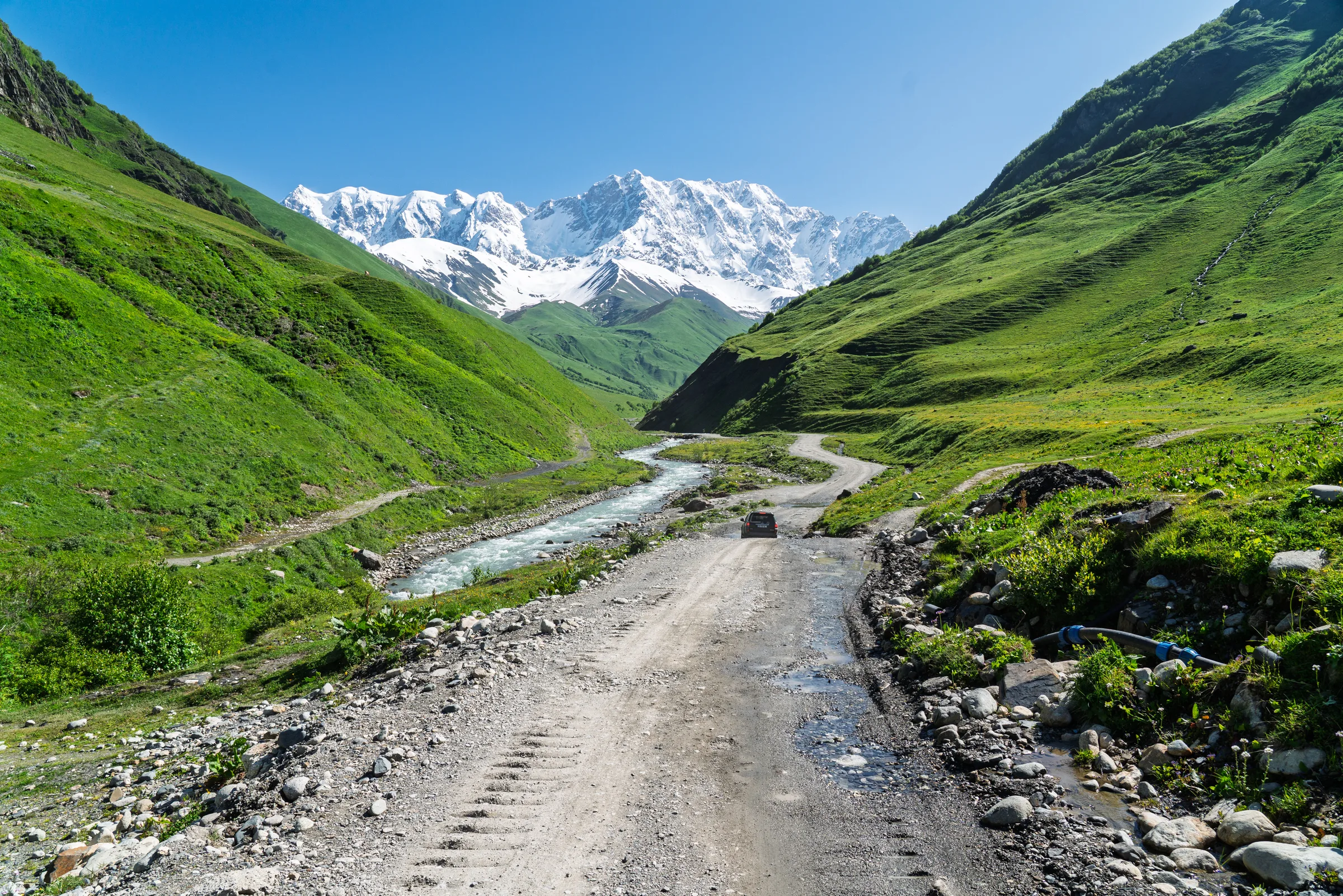
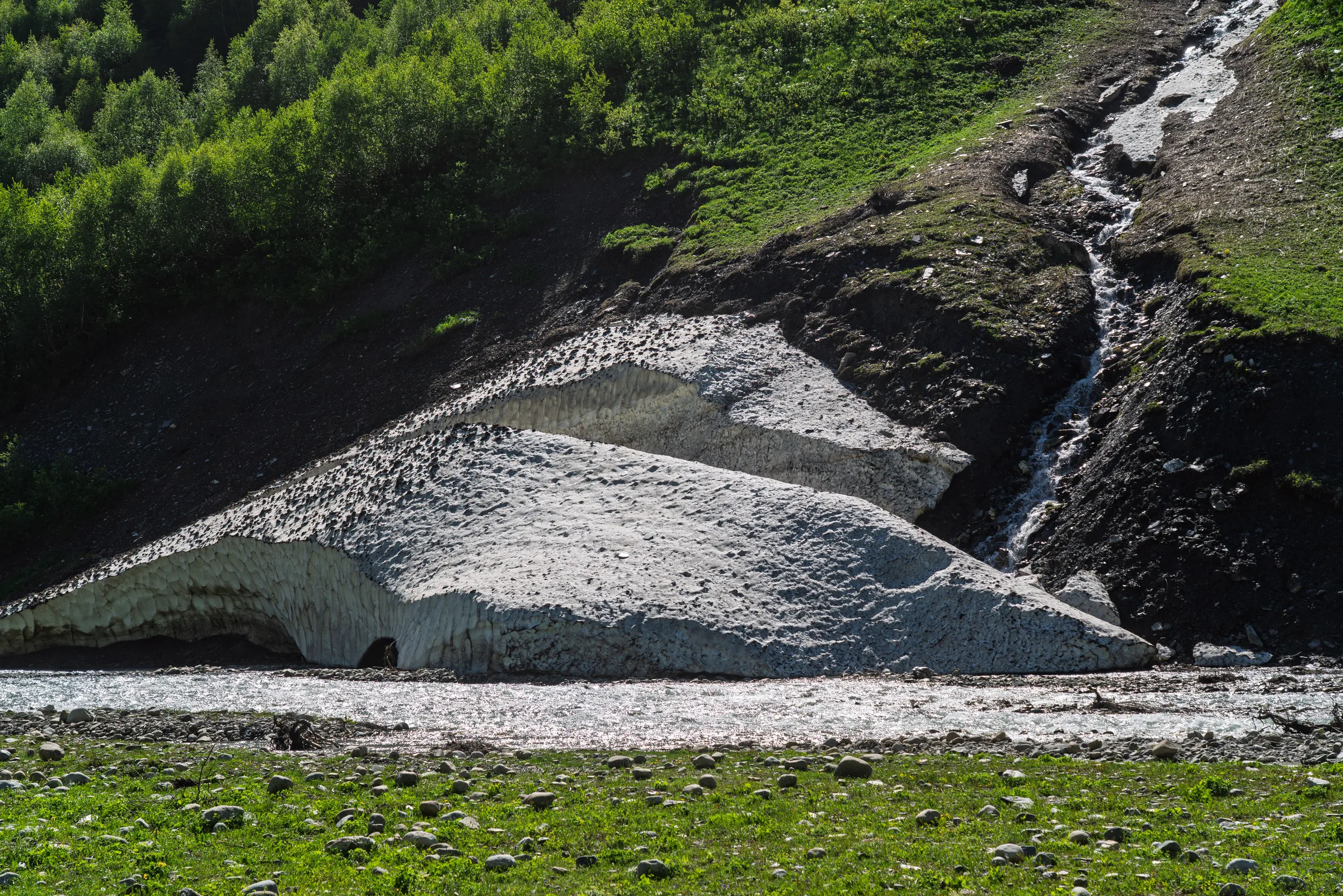
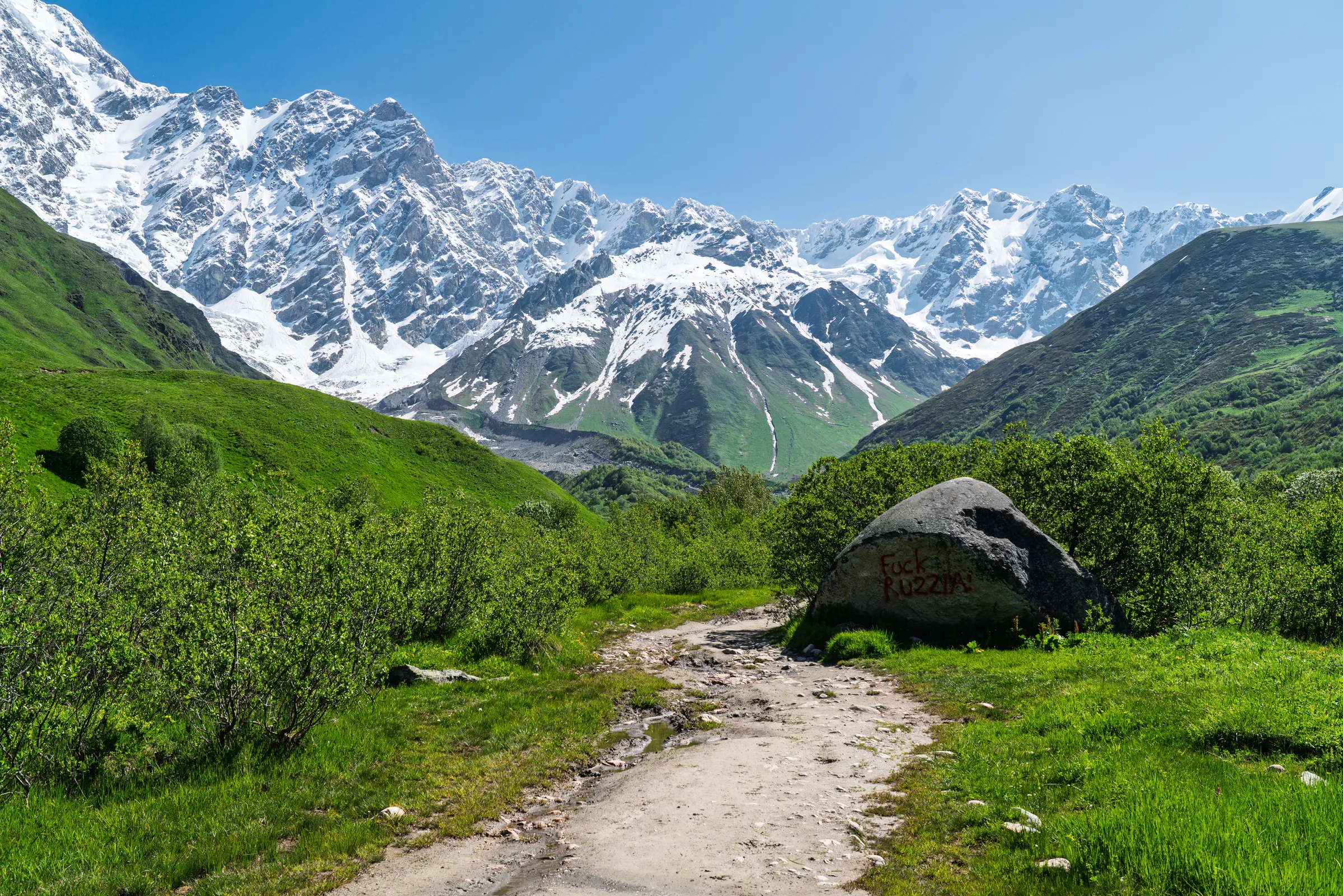
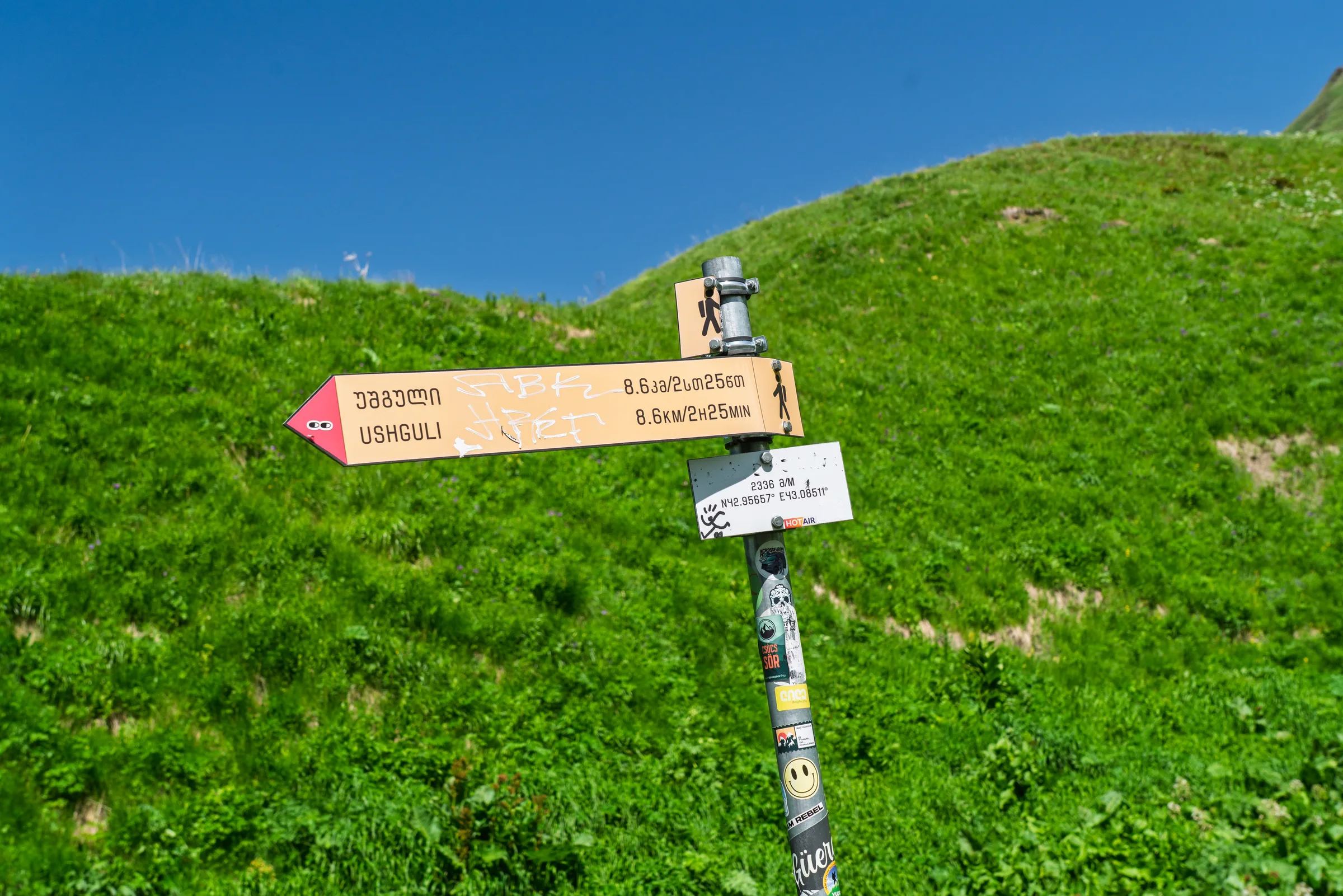
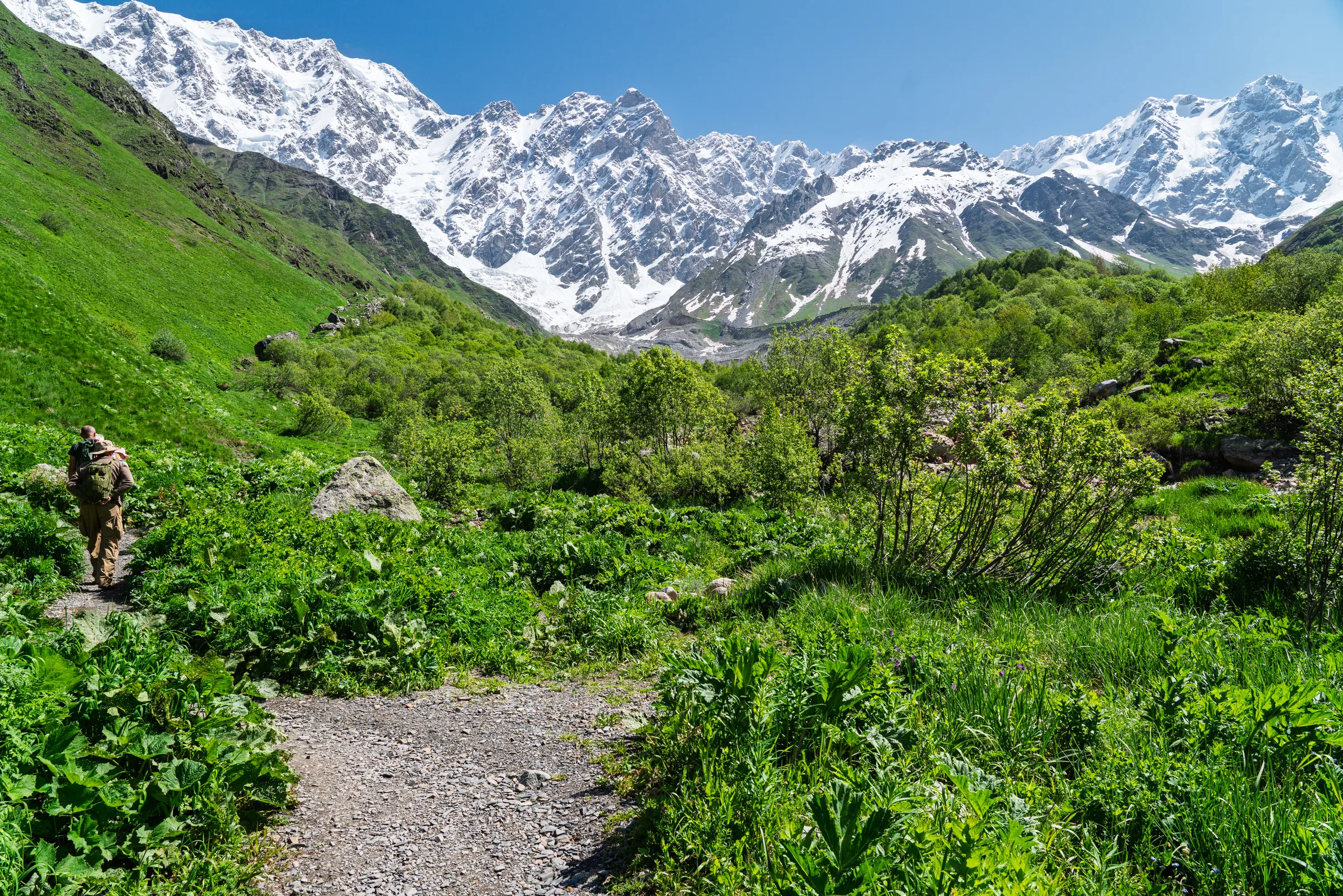
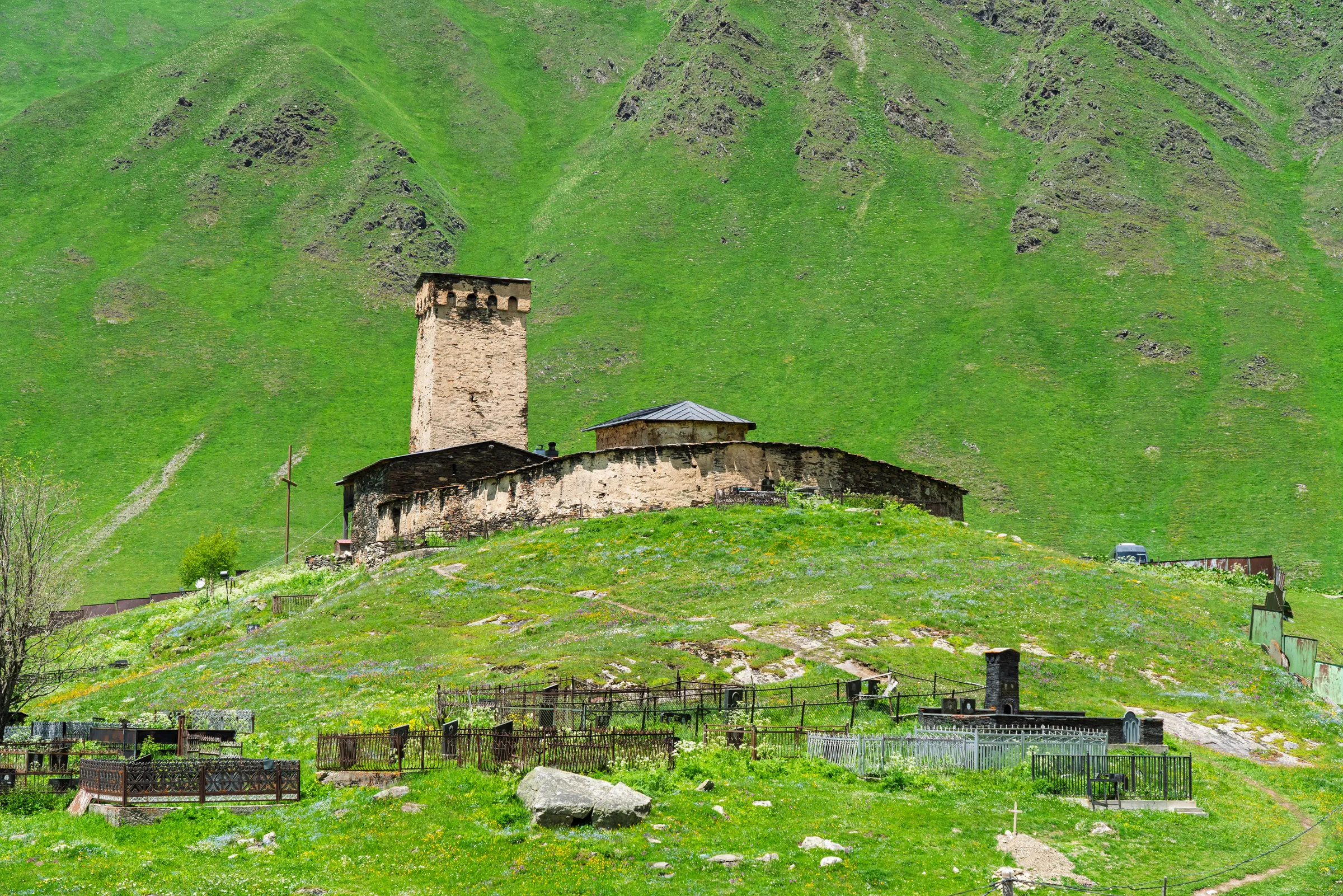
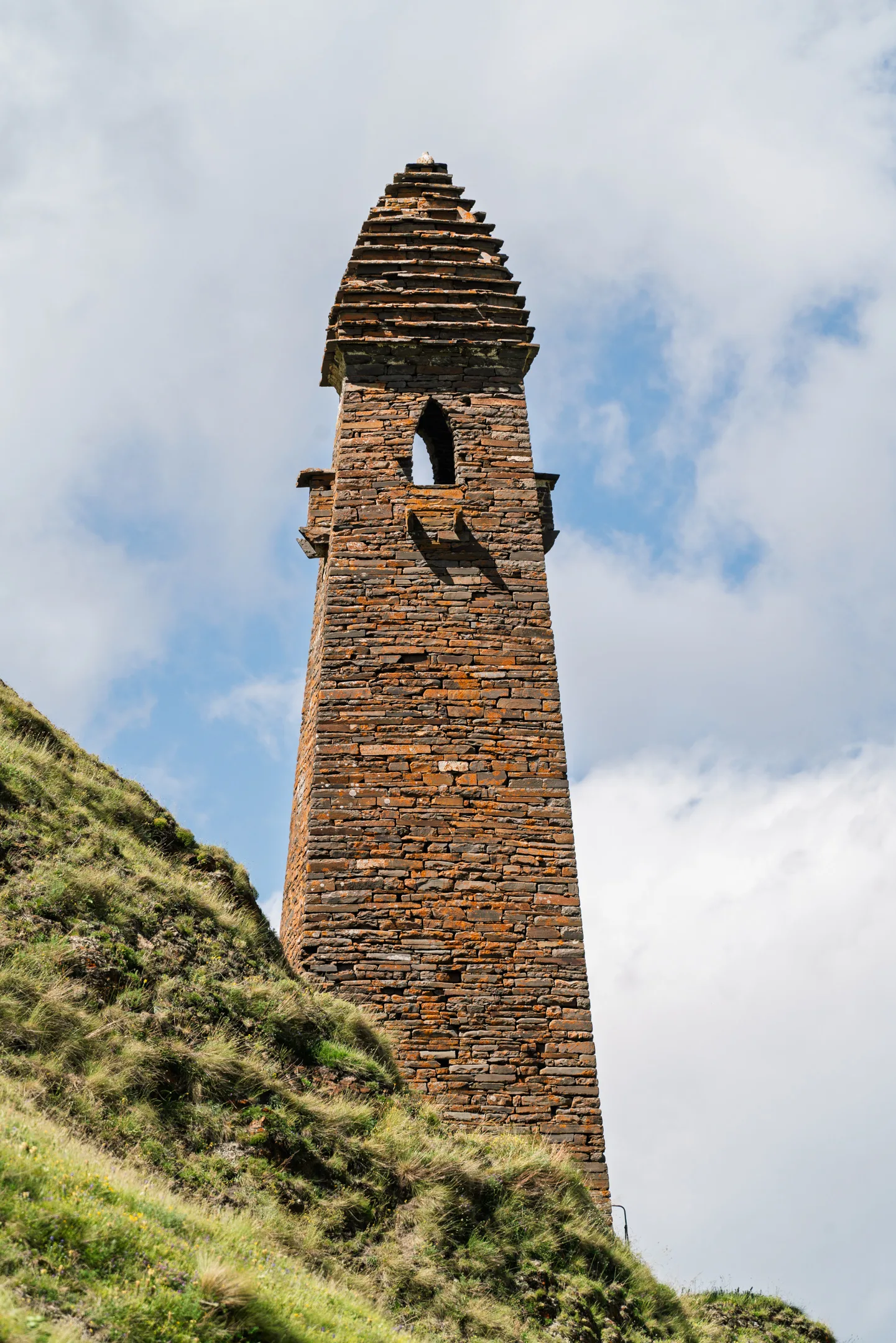
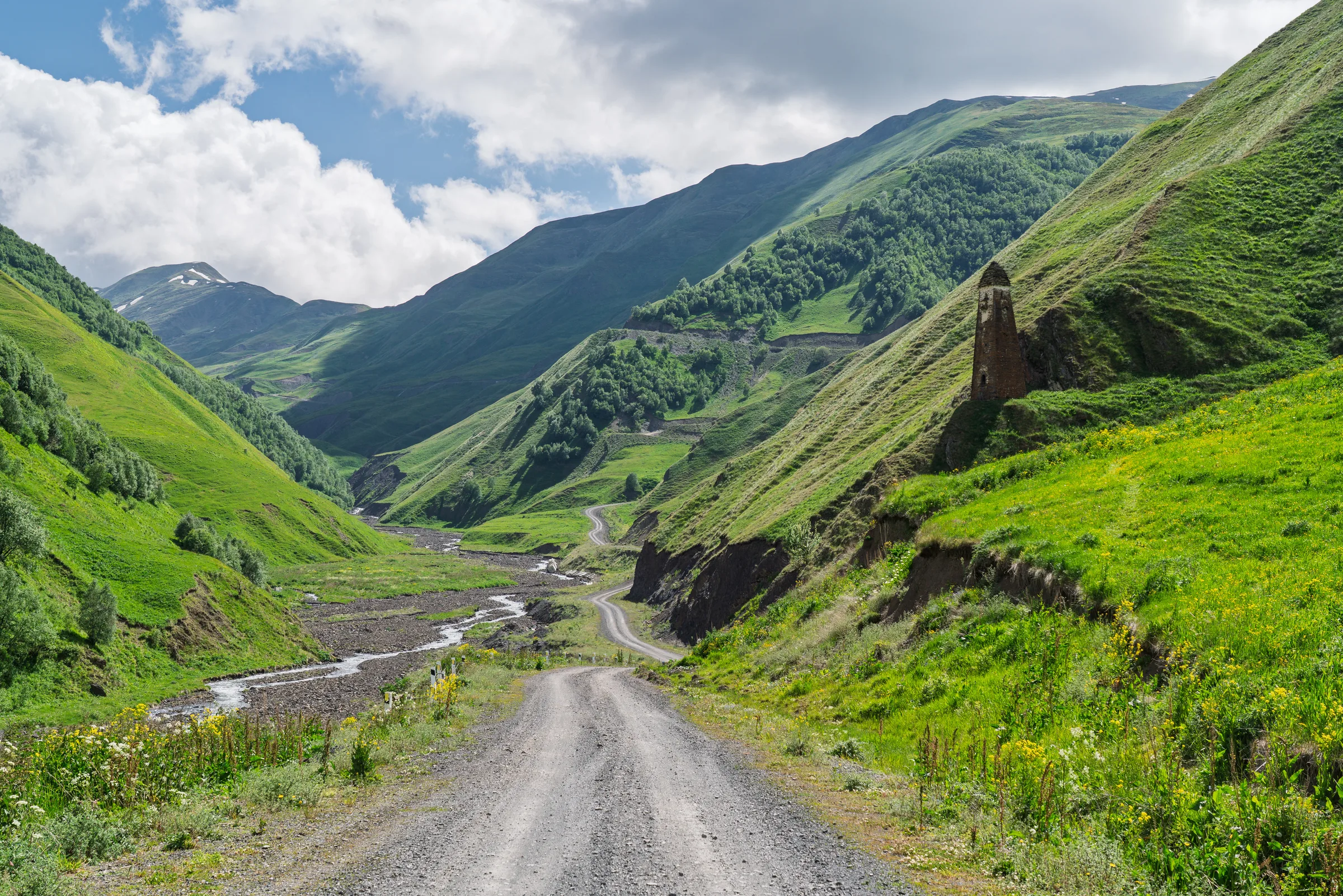
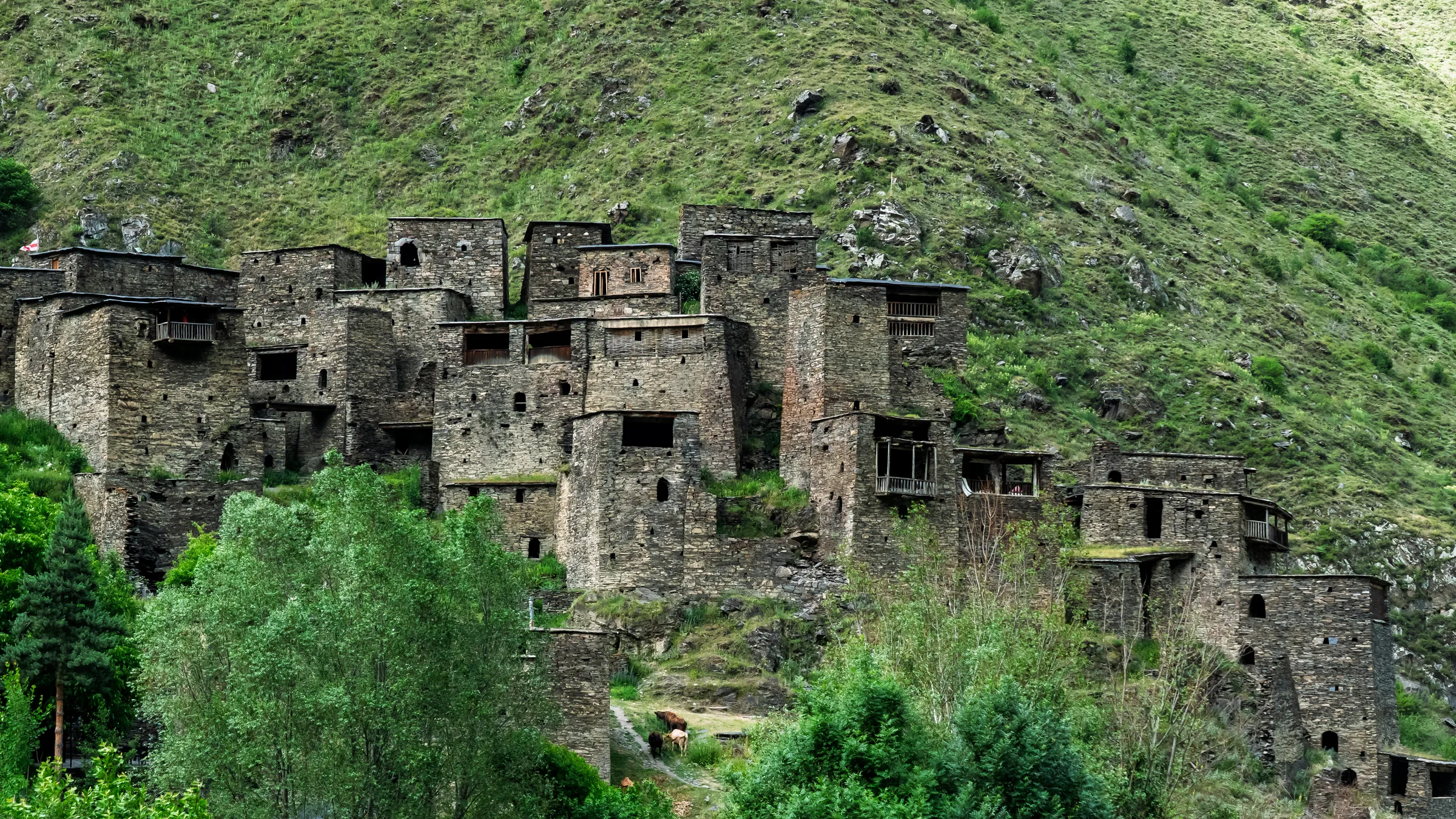
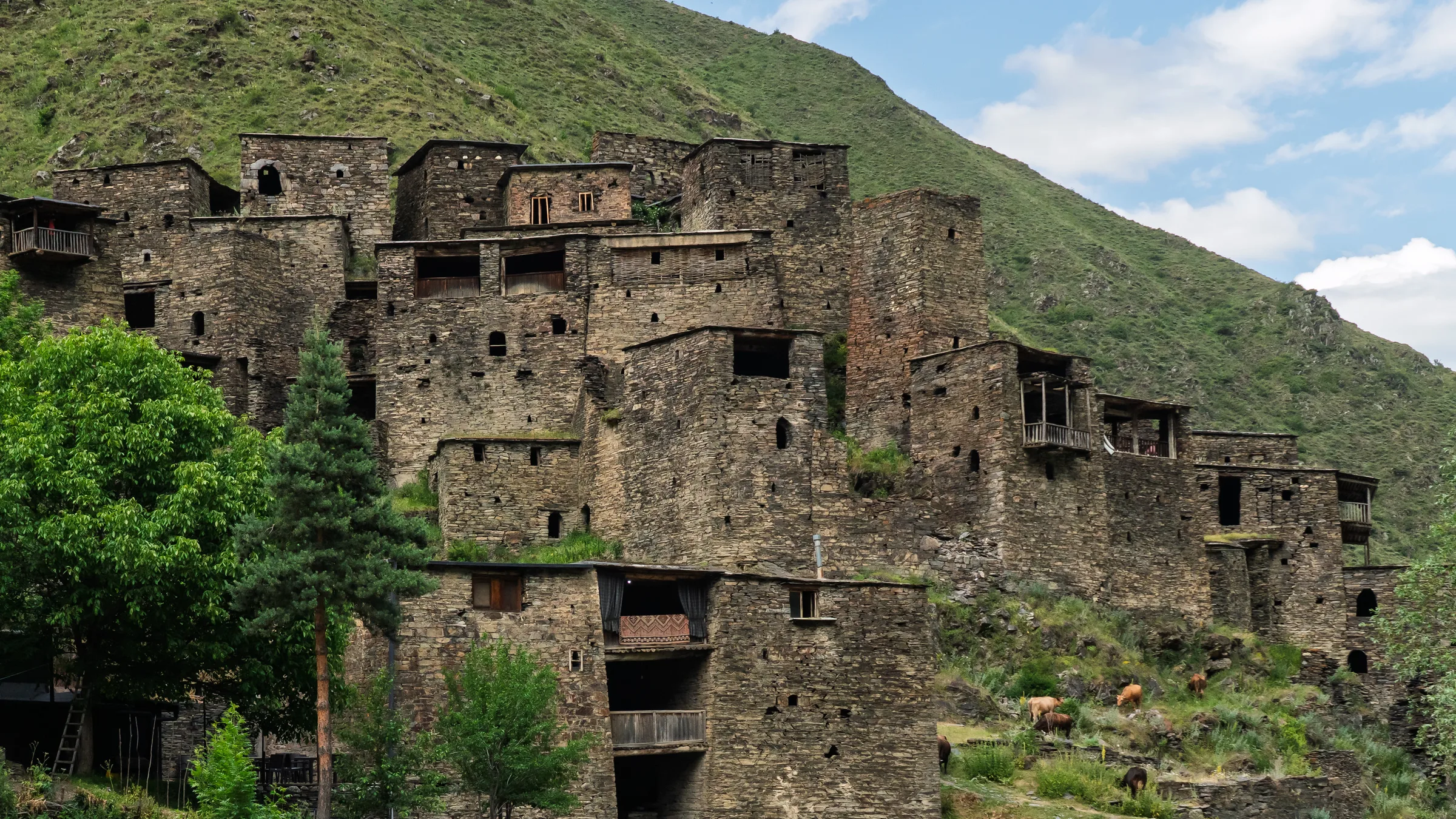
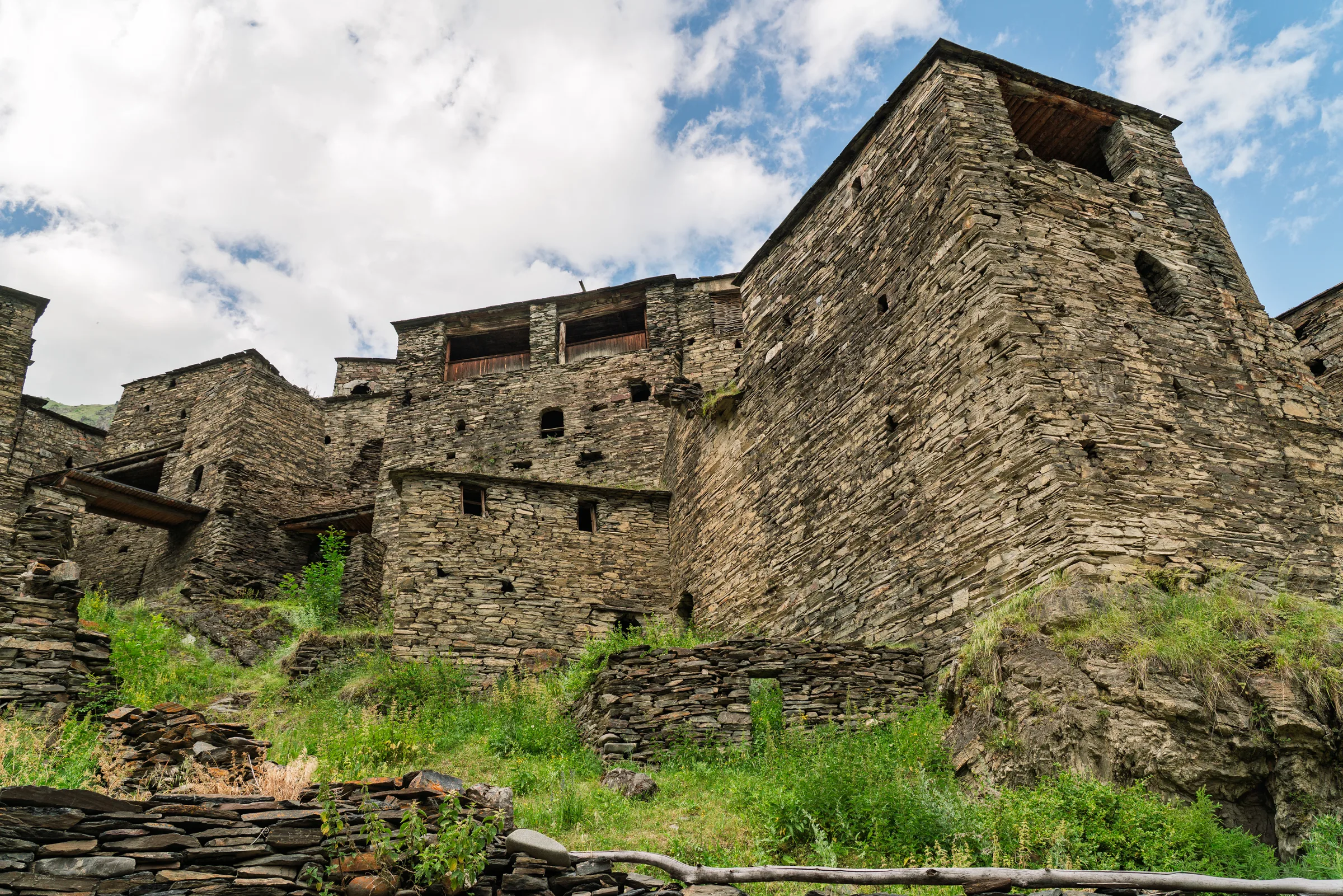
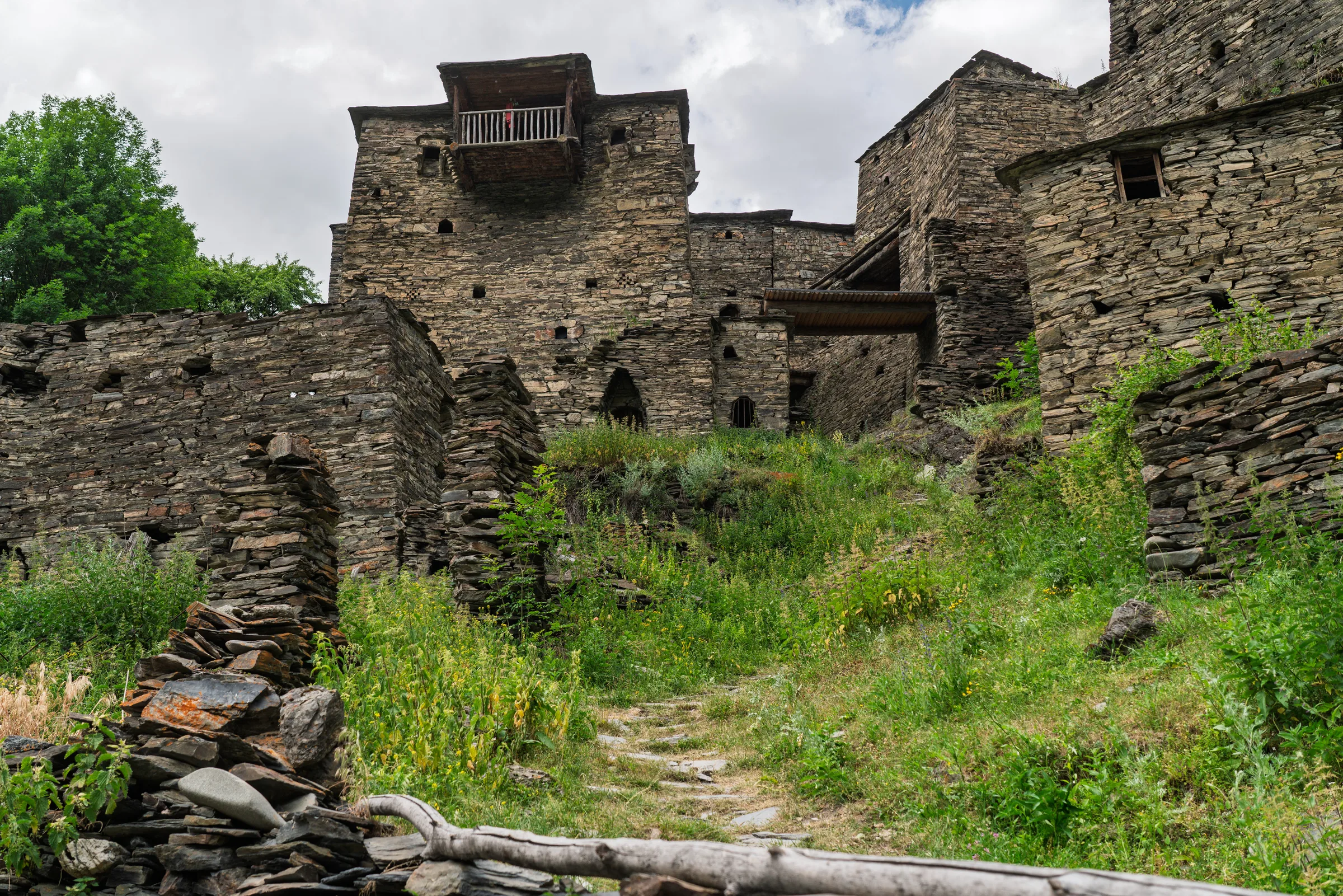
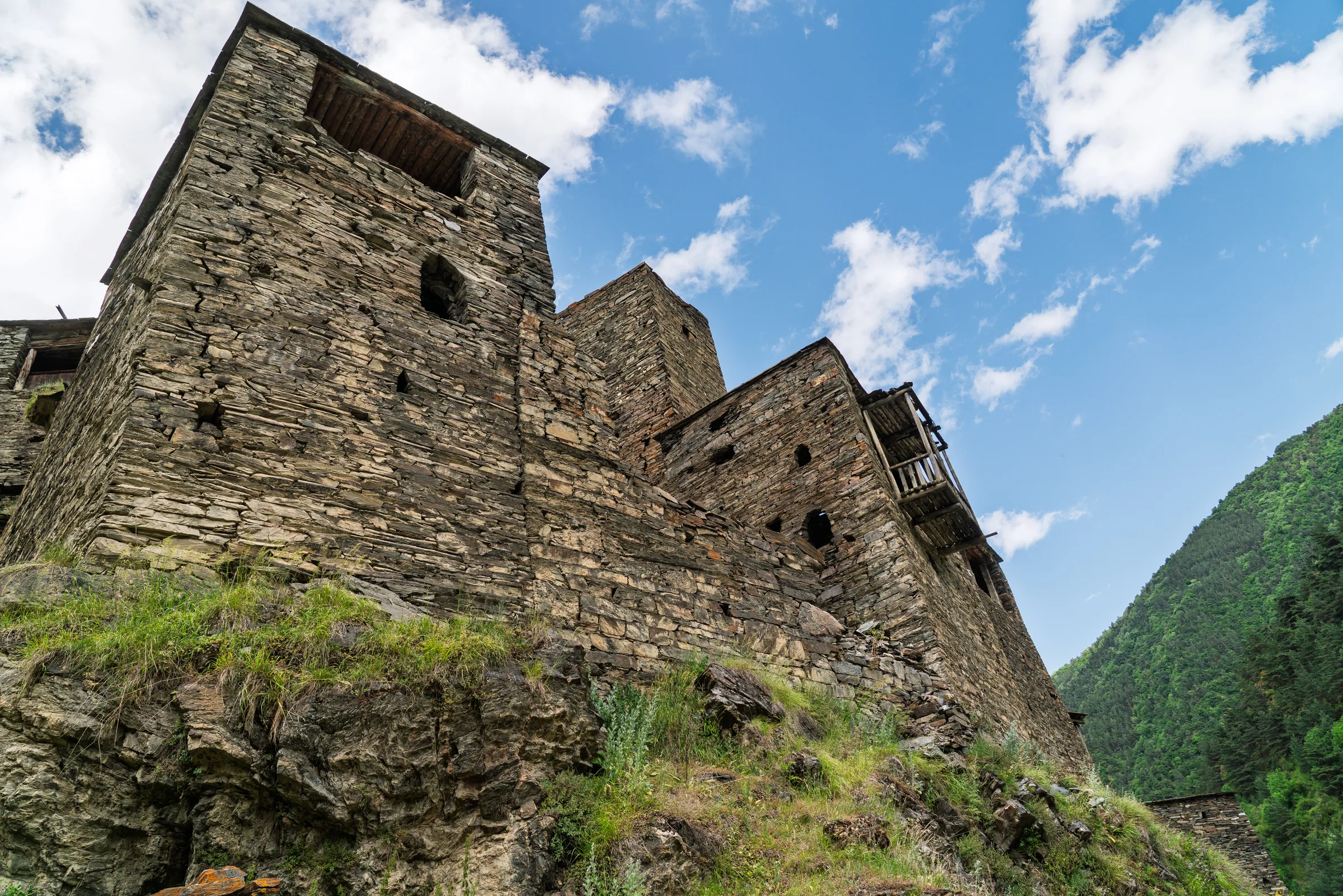
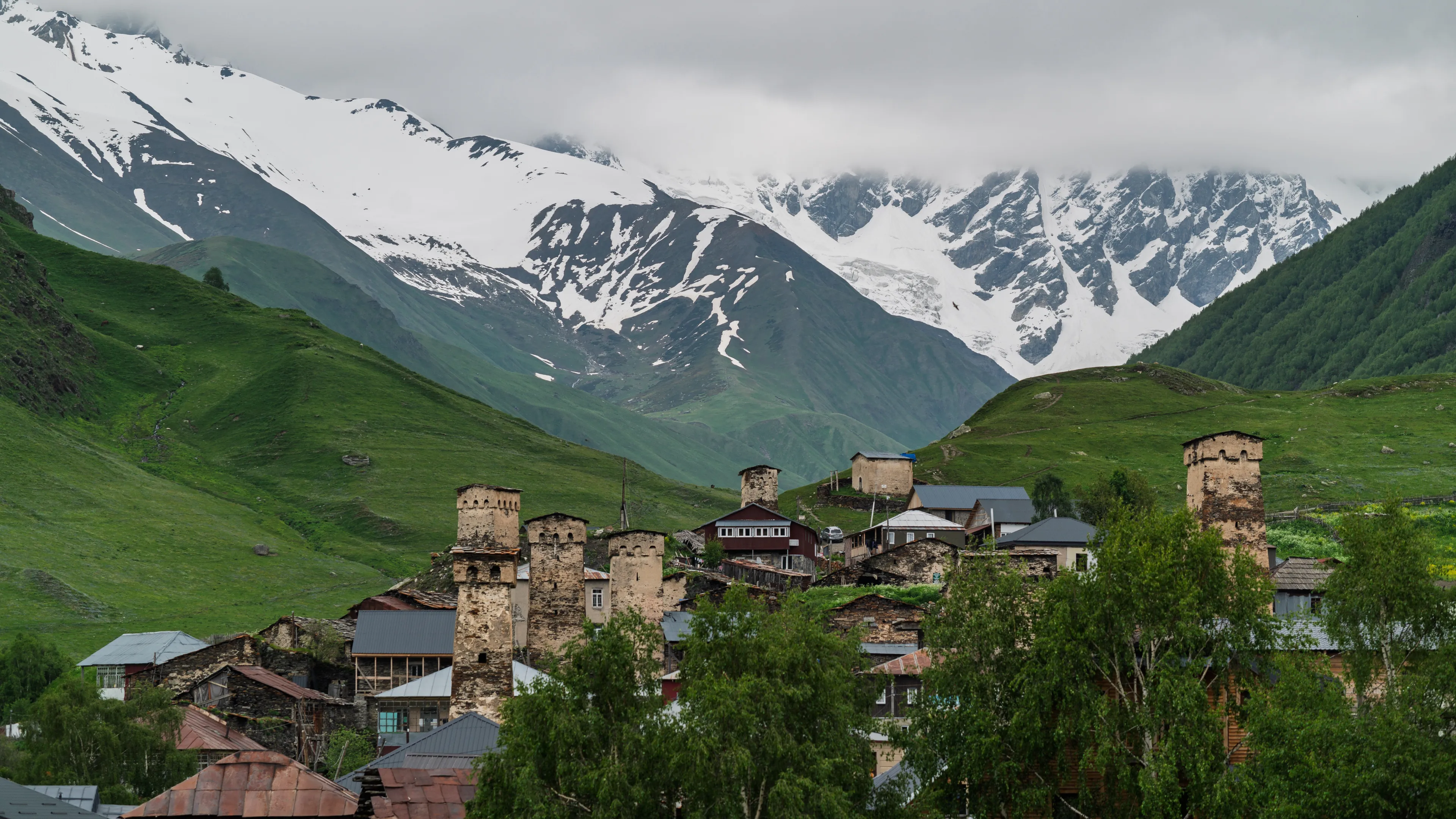
Loop west to Svaneti. The region was inscribed by UNESCO in 1996, known for the koshki — square defense towers from the 9th–13th centuries. A tower was a family fortress; in case of blood feud or raid from the north, three generations were locked inside with a year’s worth of supplies. Most of the roughly one hundred and seventy-five surviving towers stand in Mestia (1500 m) and Ushguli (2200 m, one of the highest year-round-inhabited villages in Europe). The road from Mestia to Ushguli — 50 km on paper, 4 hours by map, in practice six beers and one dry sock.
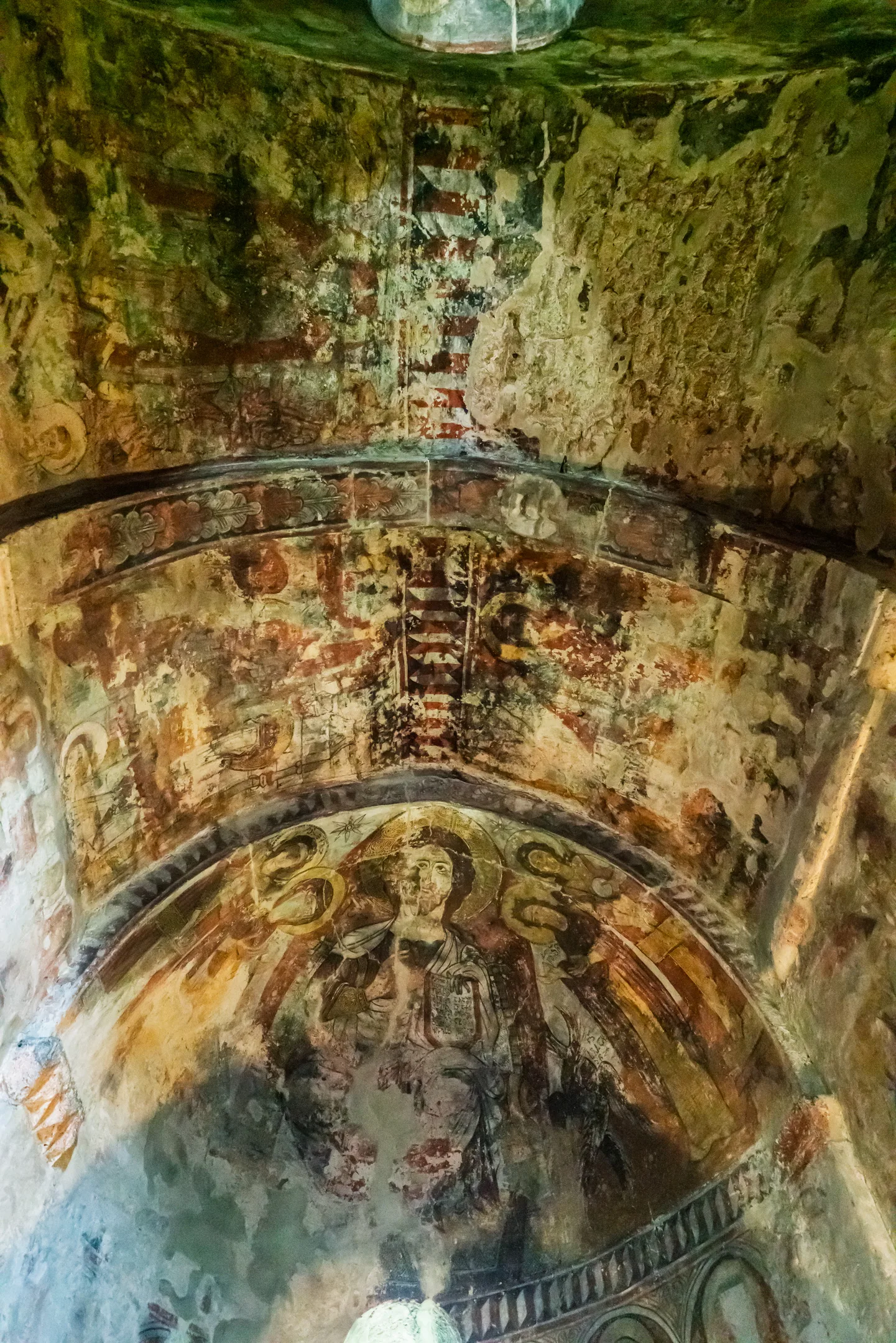
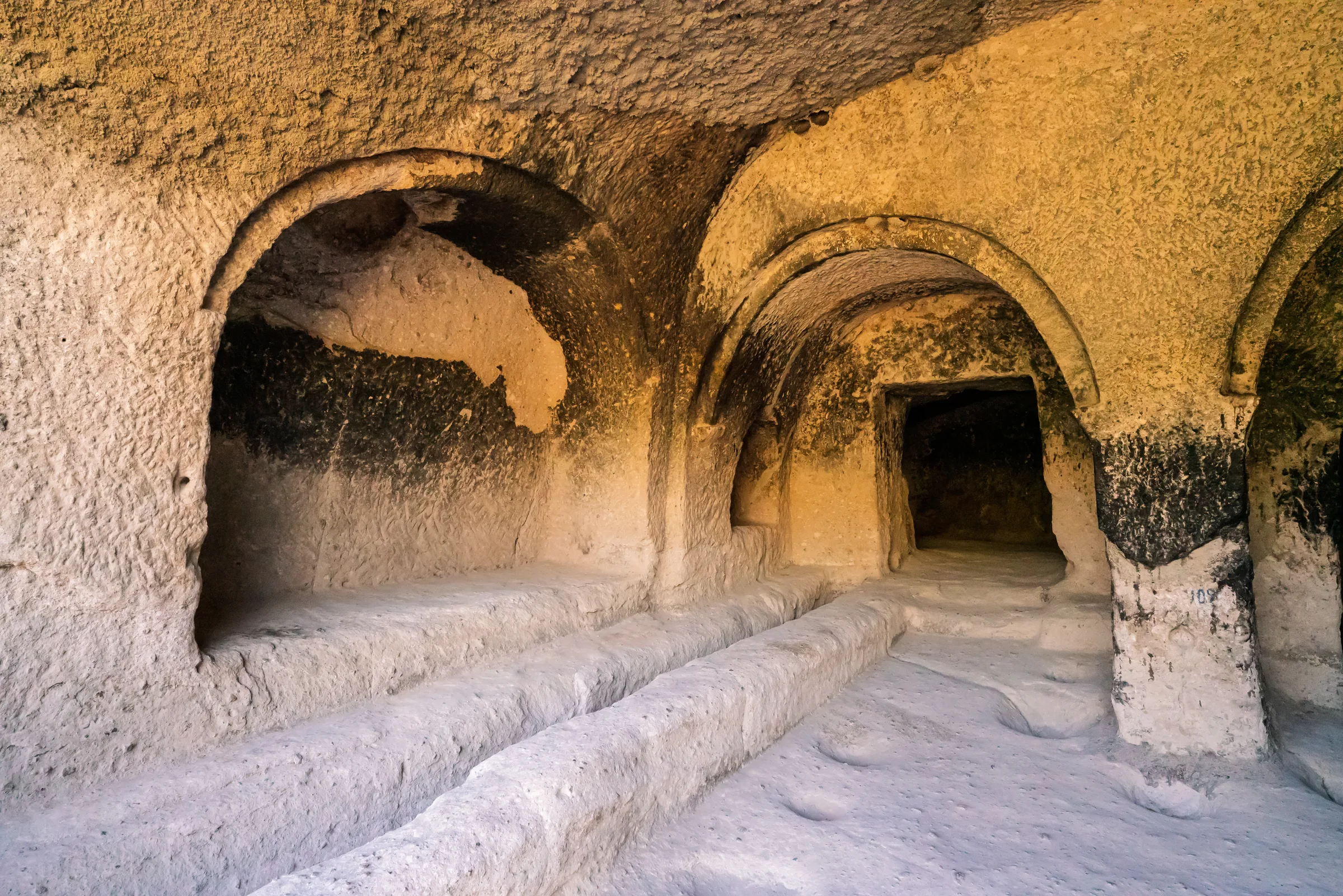
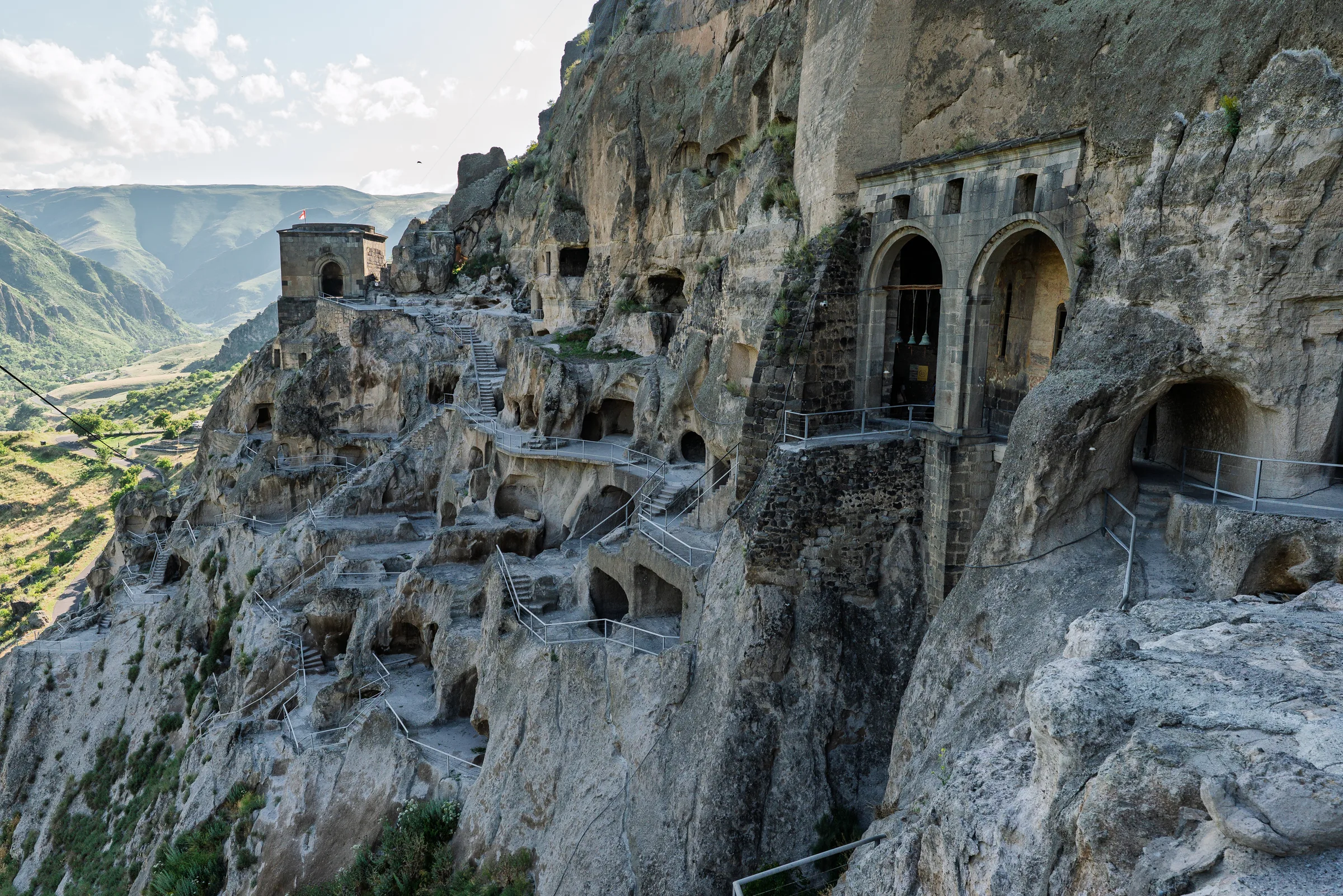
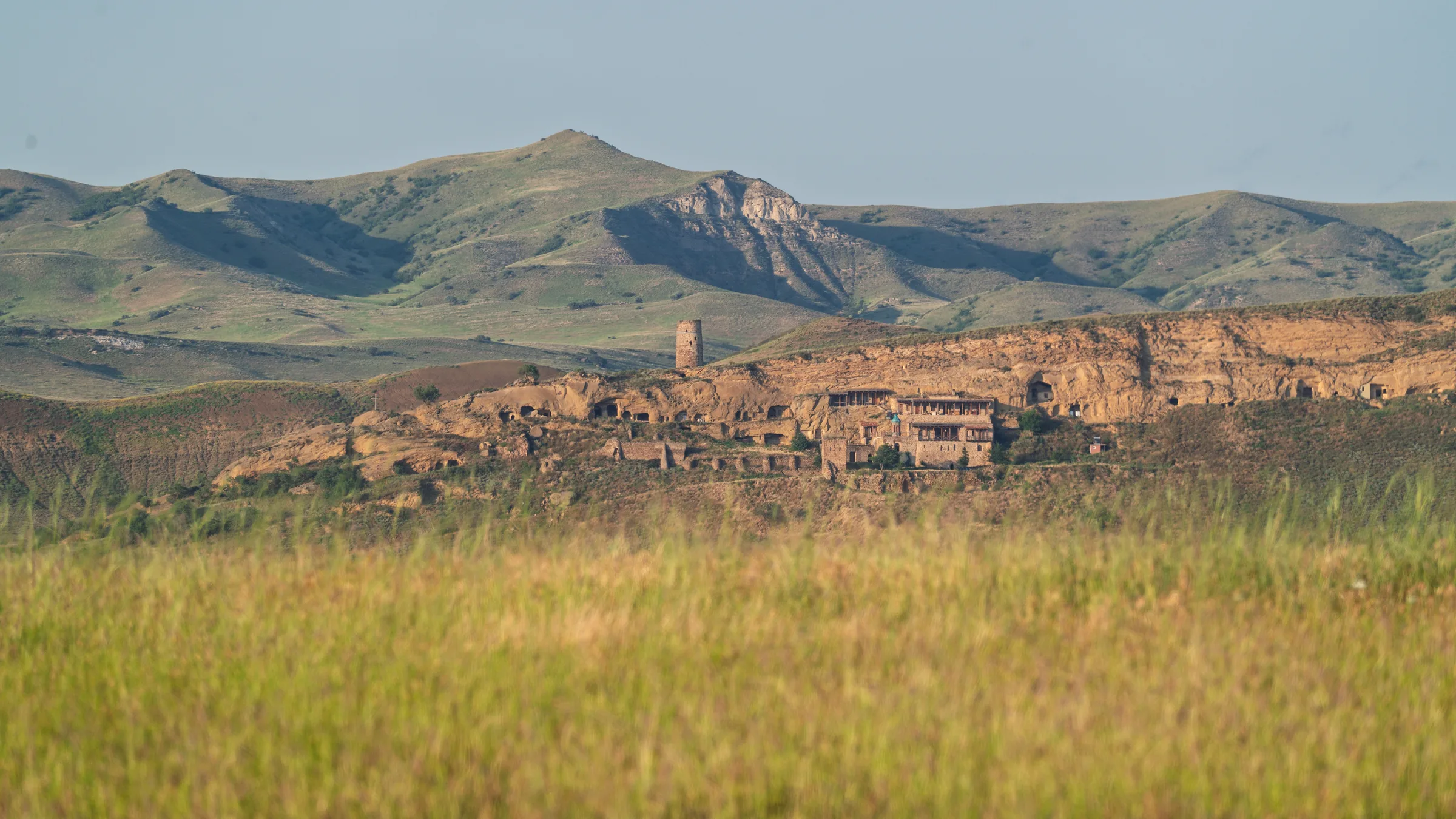
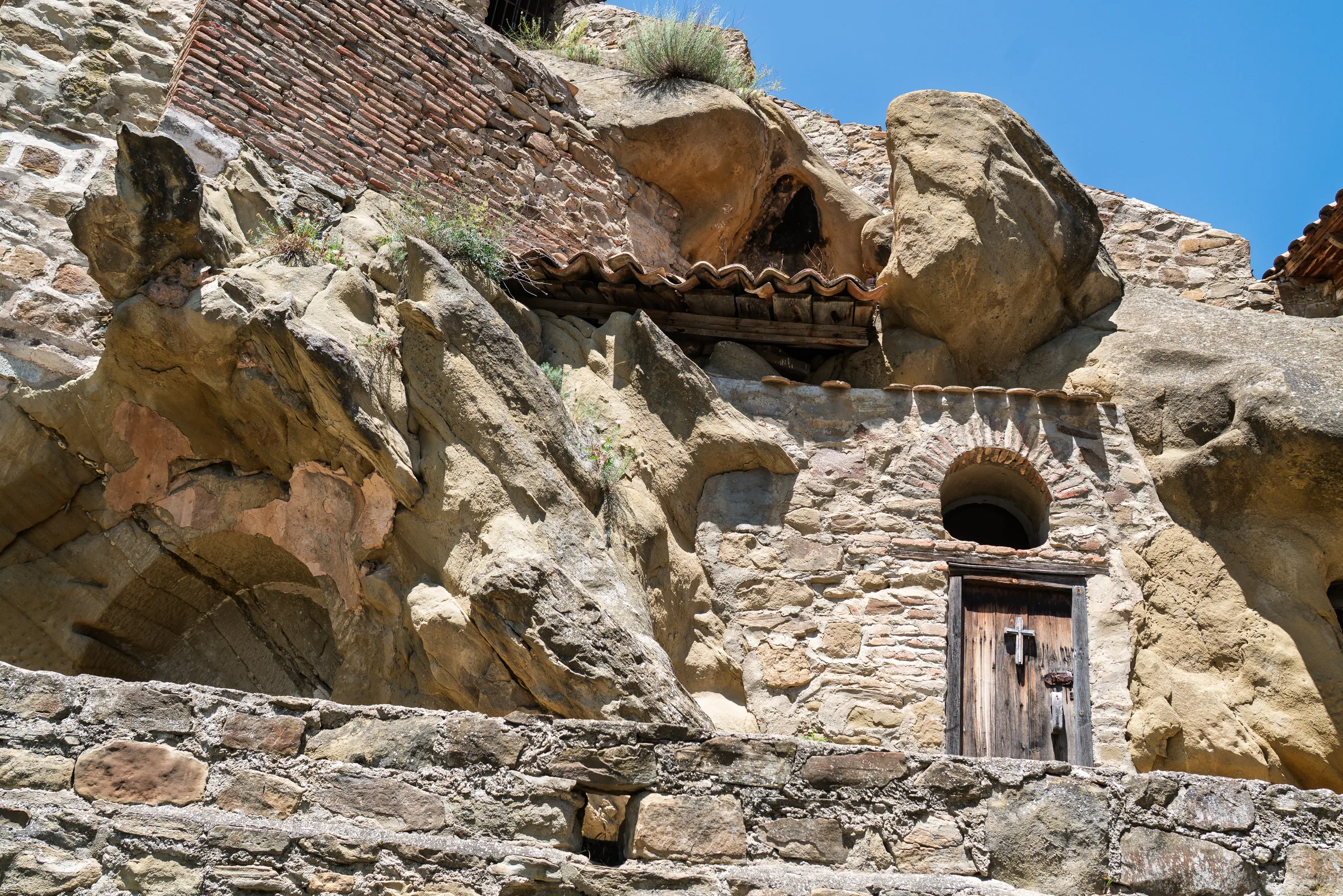
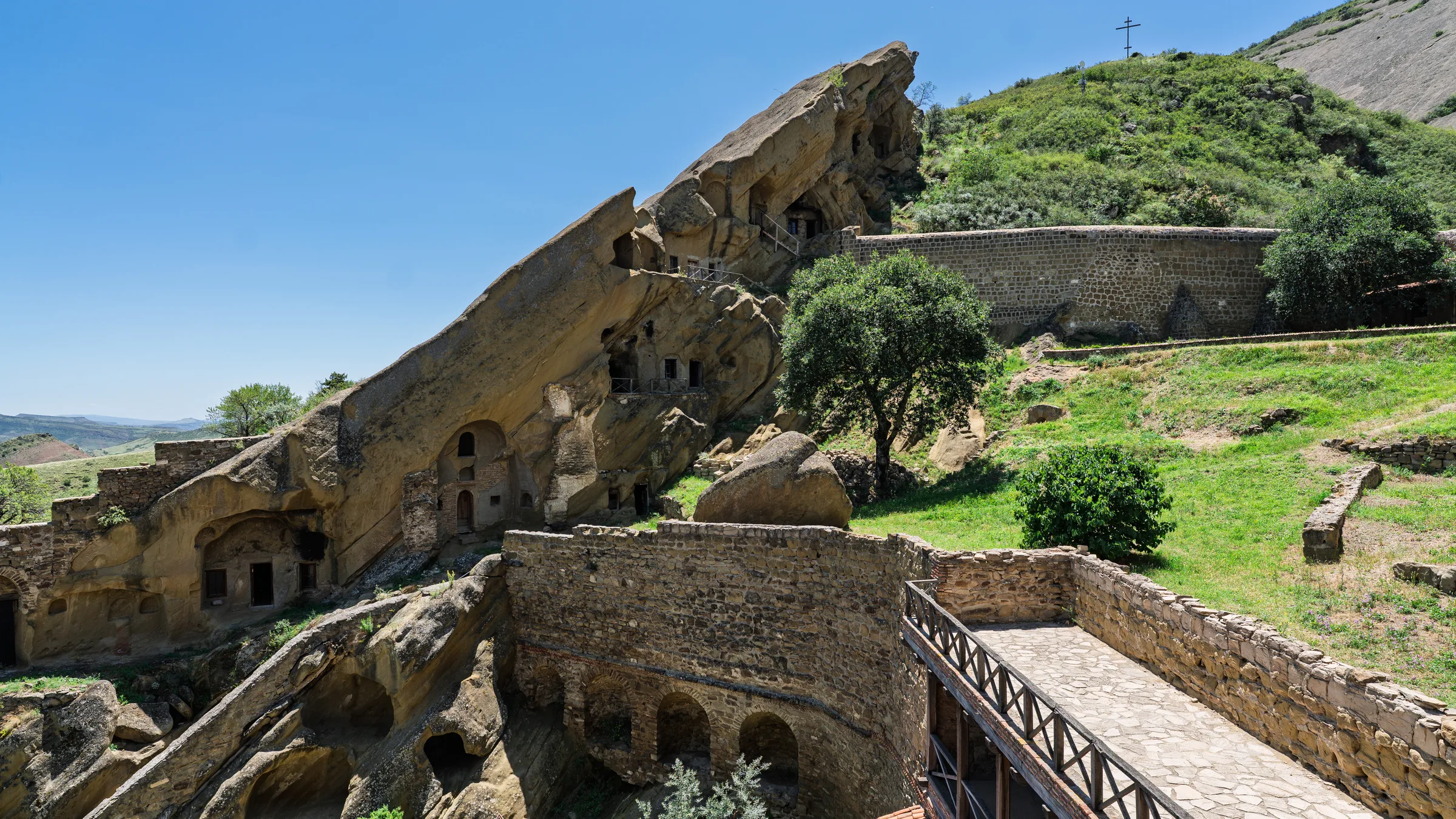
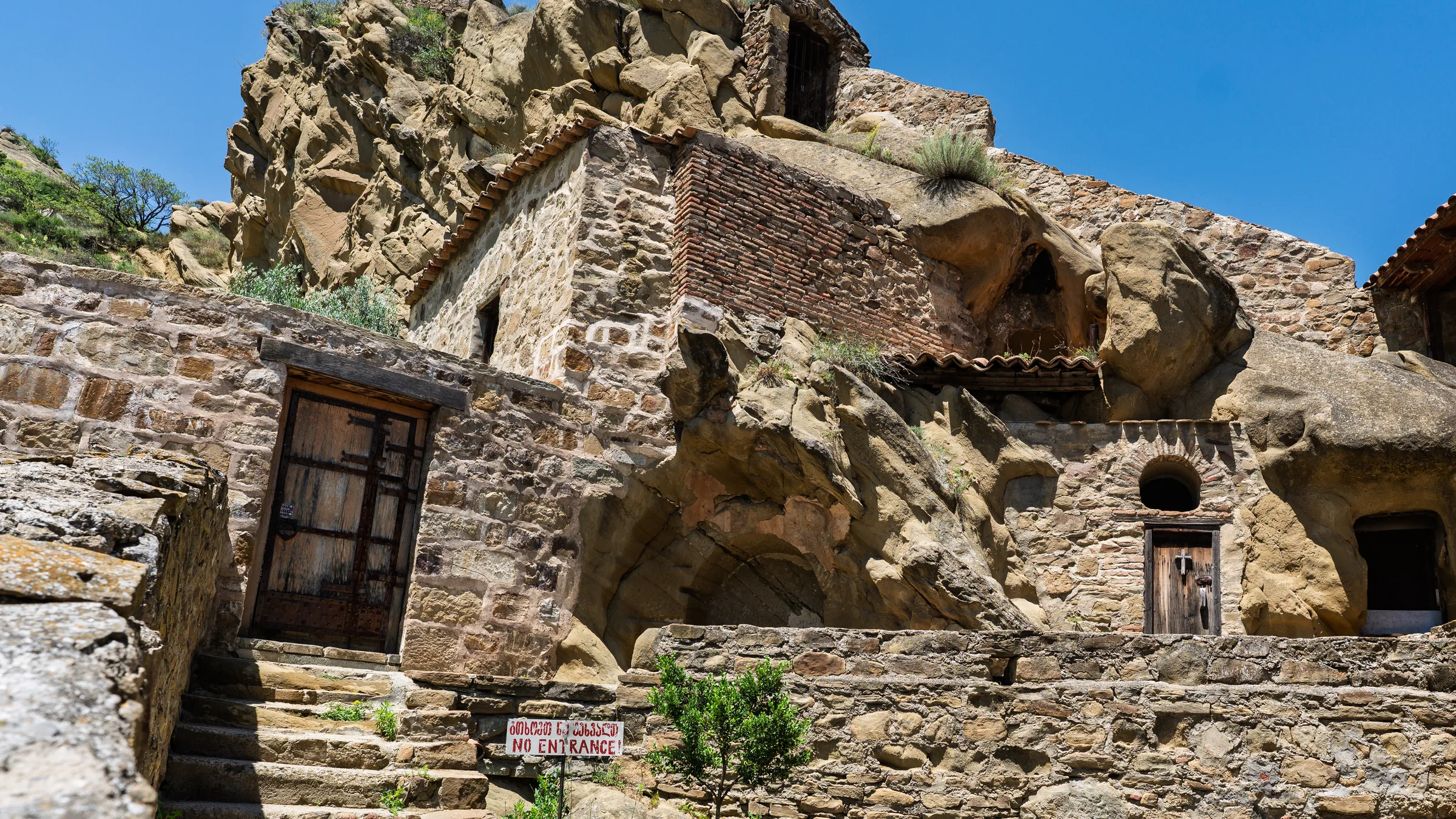
South to the cave city of Vardzia. Cut into the cliff of Mount Erusheti in the 1180s, during the reign of Queen Tamar (1184–1213). Originally thirteen levels, more than six hundred chambers: church, refectory, library, storerooms, stables. The earthquake of 1283 brought down the front wall and exposed the interior like an open honeycomb. The main church preserves a 12th-century fresco of Tamar — one of only four surviving portraits of the queen on Georgian monastery walls.
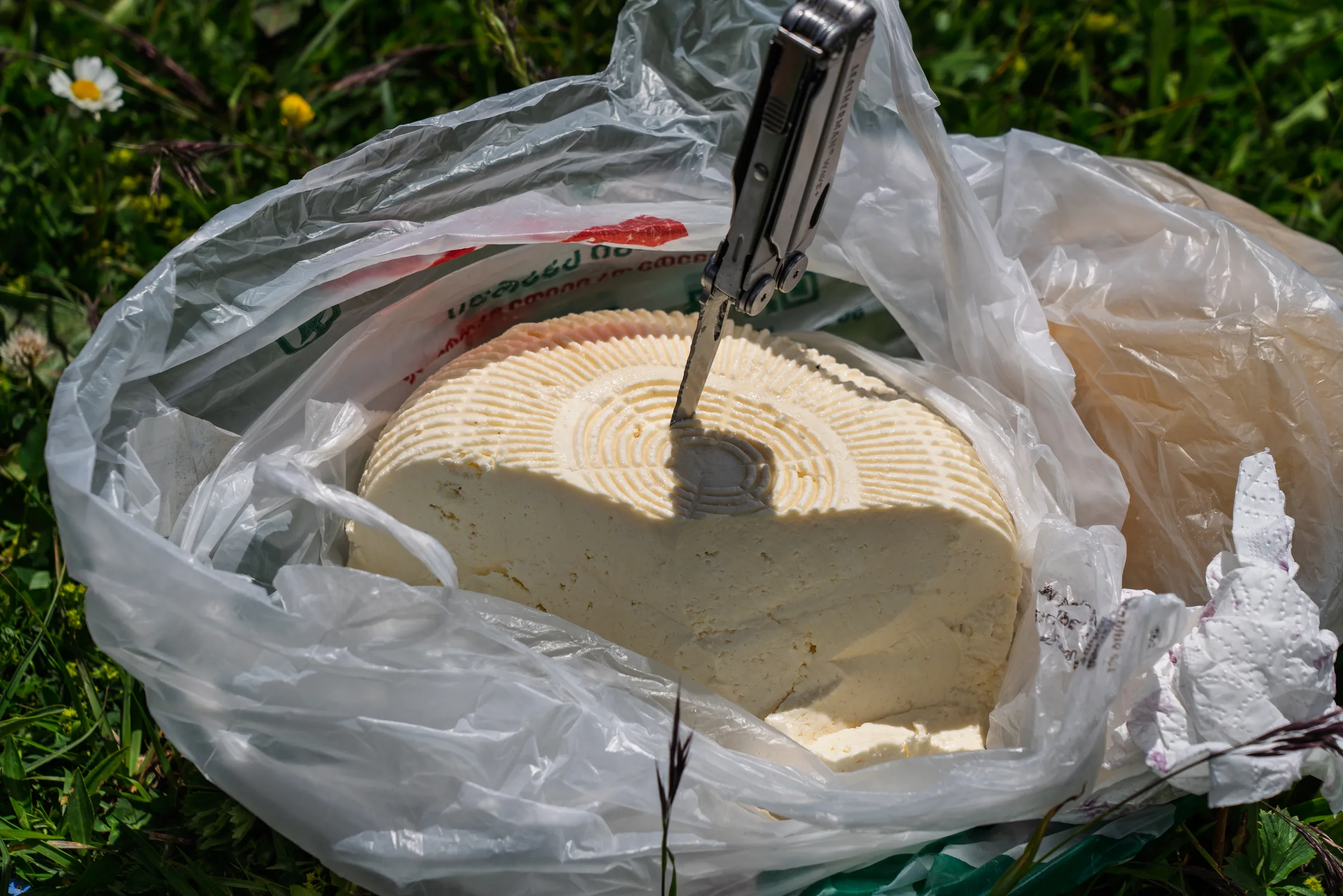
East to Kakheti, wine country. Georgia is the oldest documented wine region in the world — qvevri, clay amphorae buried in the ground, have been used continuously since around 6000 BCE (the earliest grape-fermentation traces come from Shulaveris-Gora, southern Georgia). The tradition was inscribed by UNESCO as Intangible Heritage in 2013. In Sighnaghi you sit on the town walls in the evening and look across the Alazani Valley at the Greater Caucasus. Wine you buy from a farmer — unlabelled bottle, walnut-branch cork.
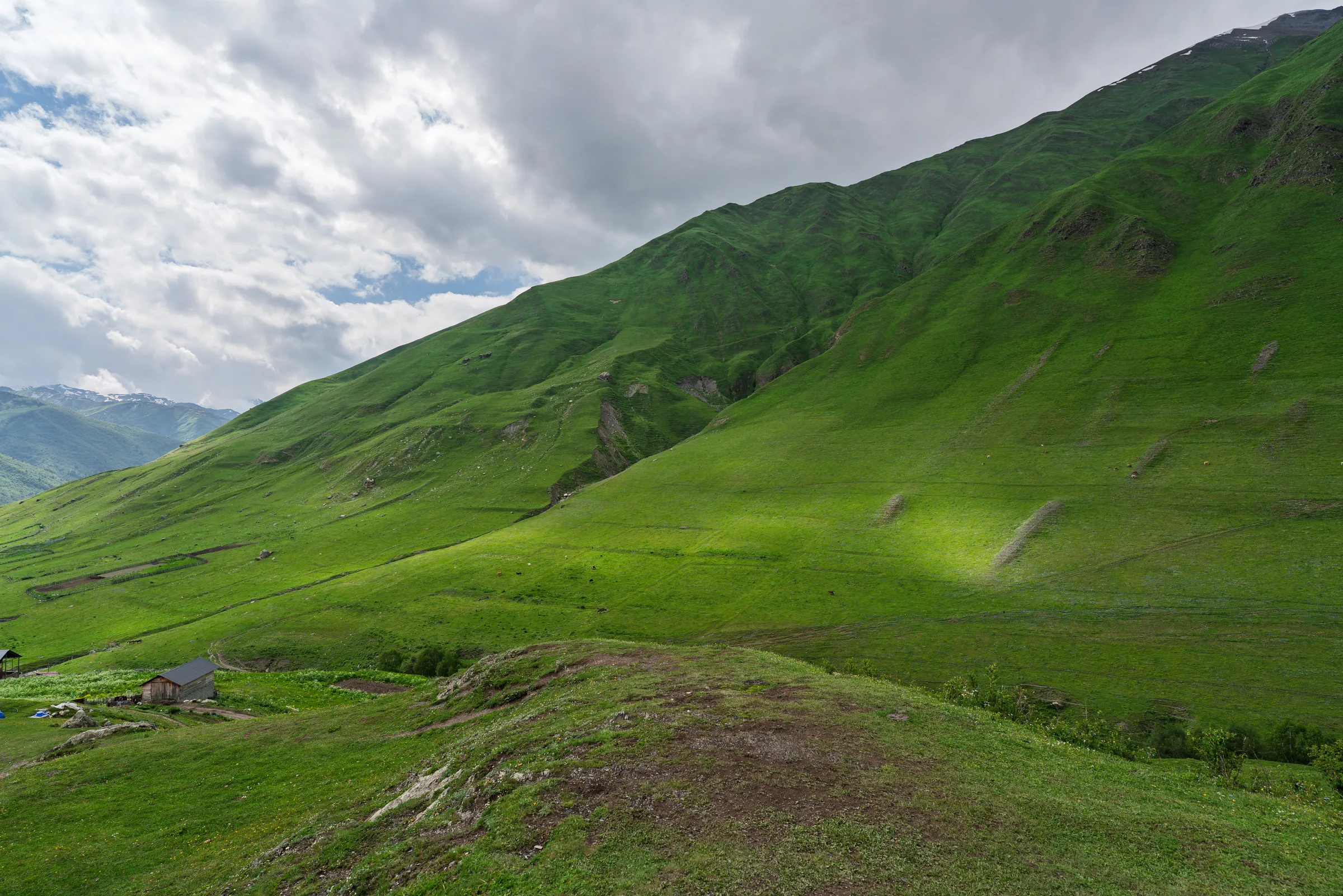
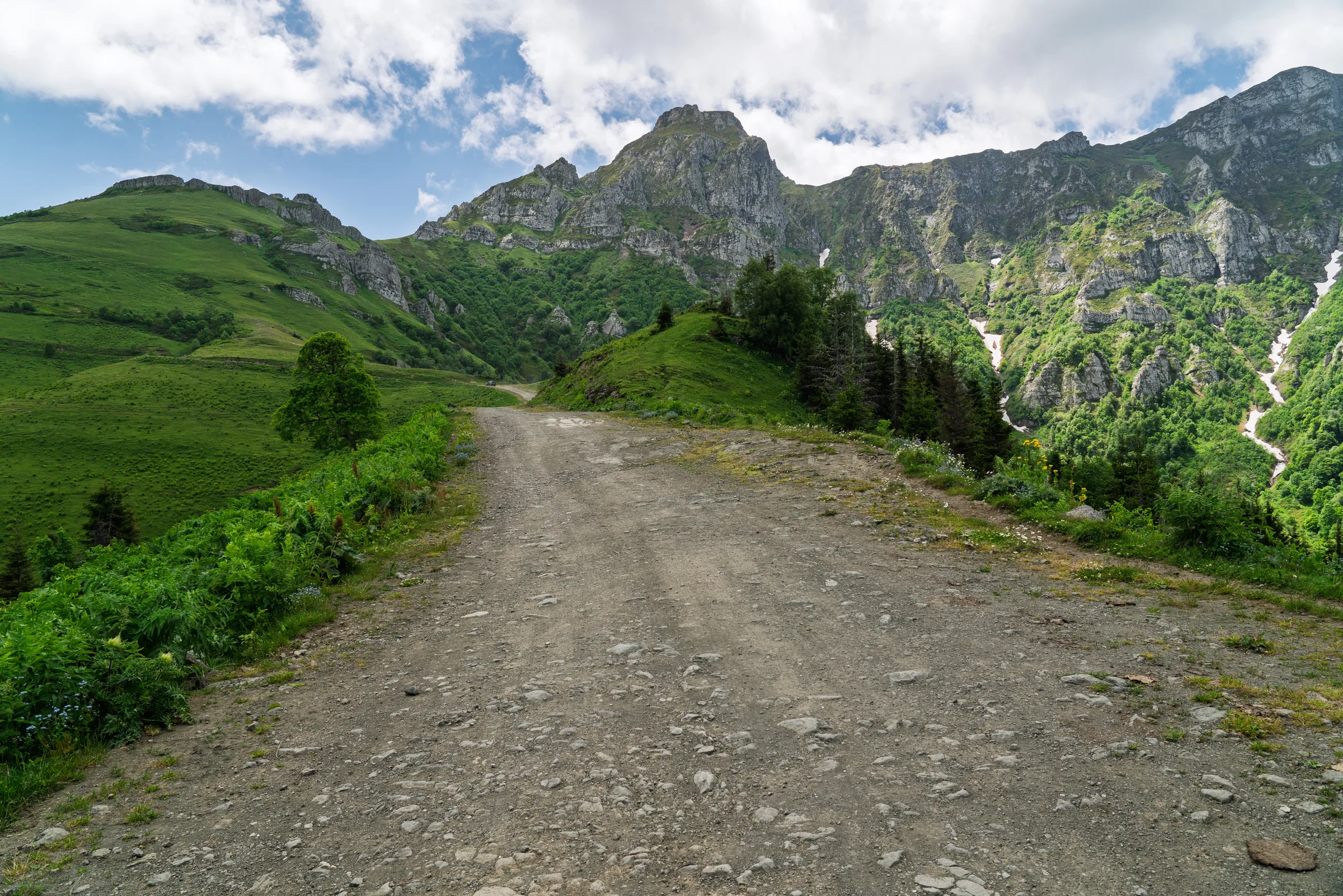
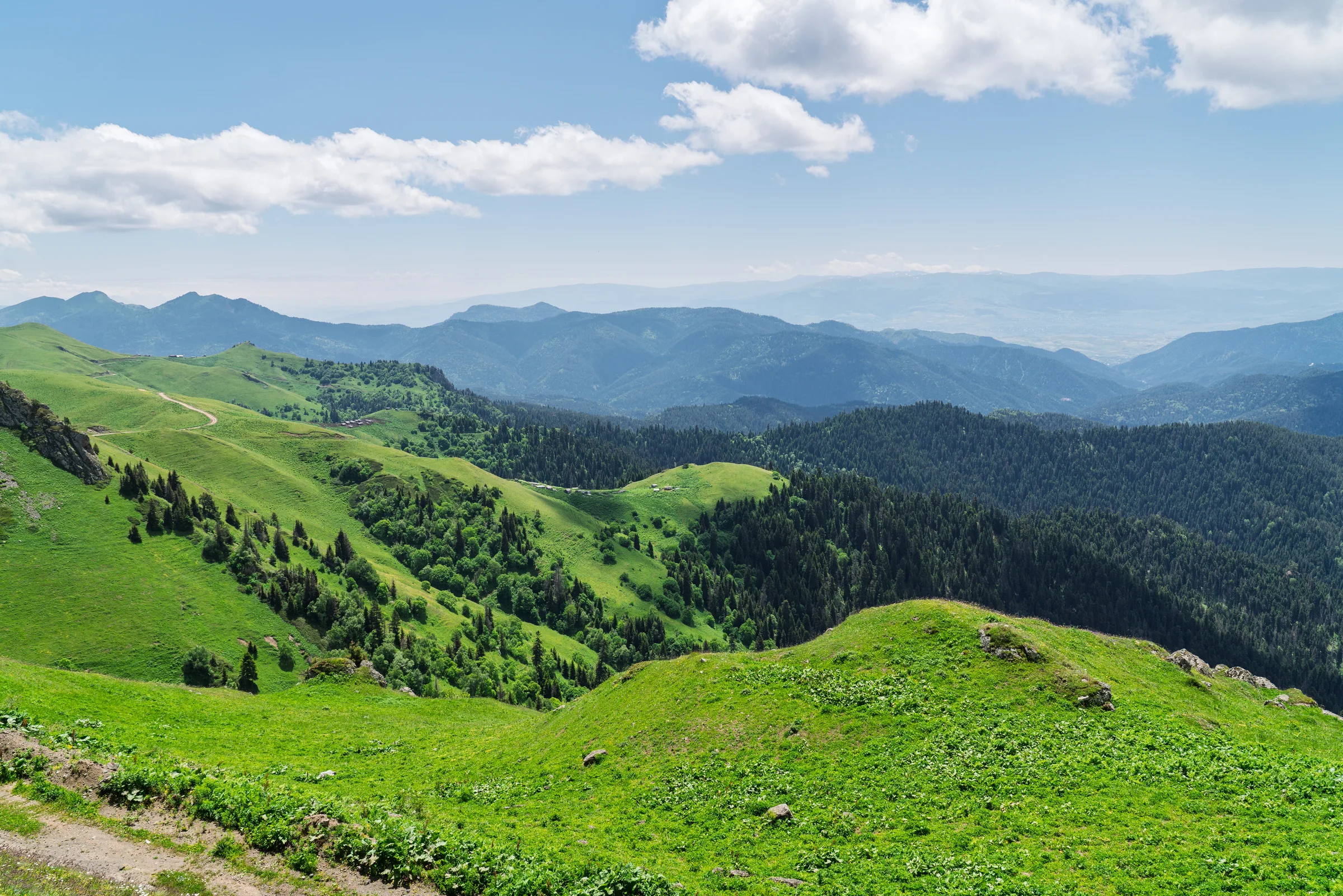
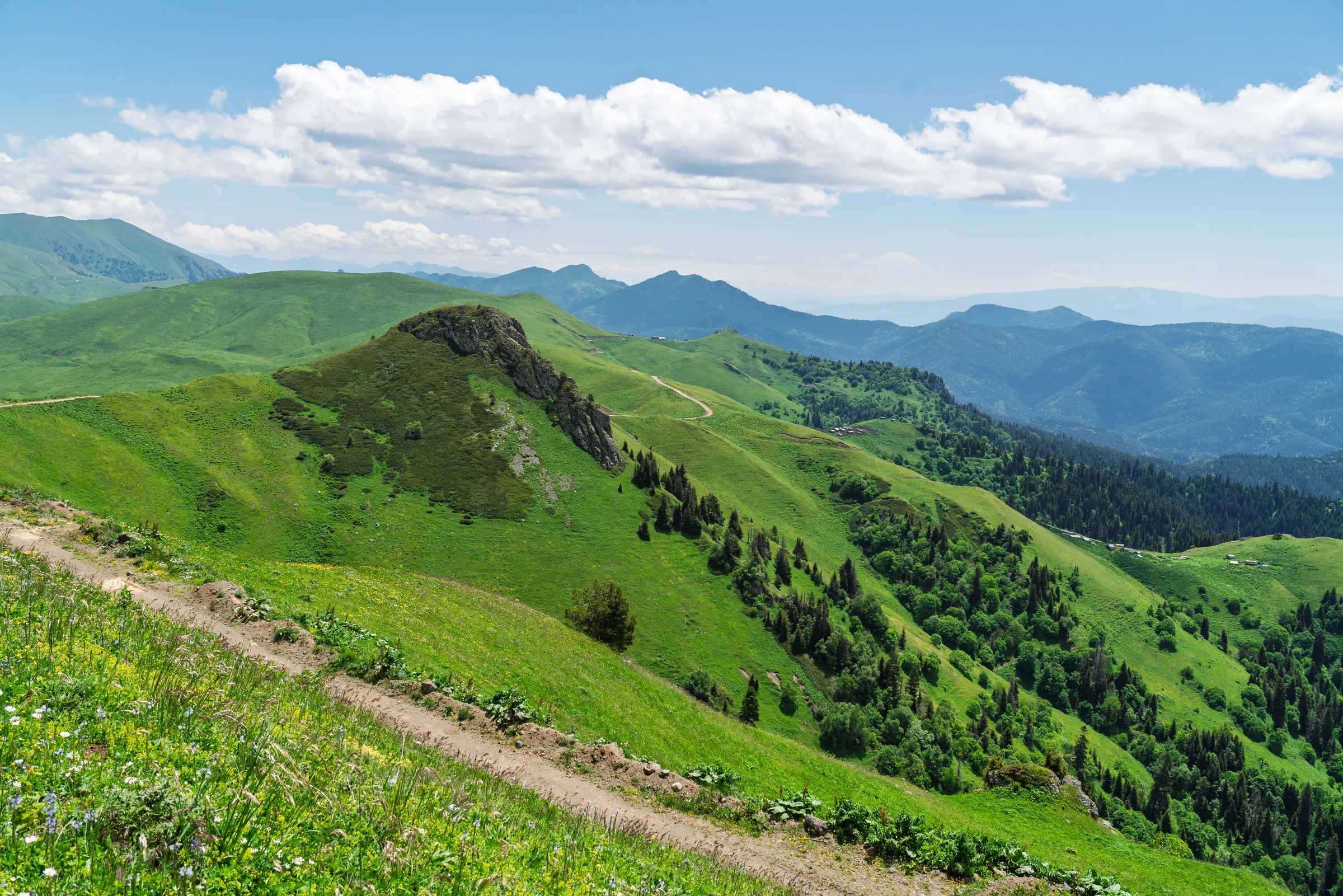
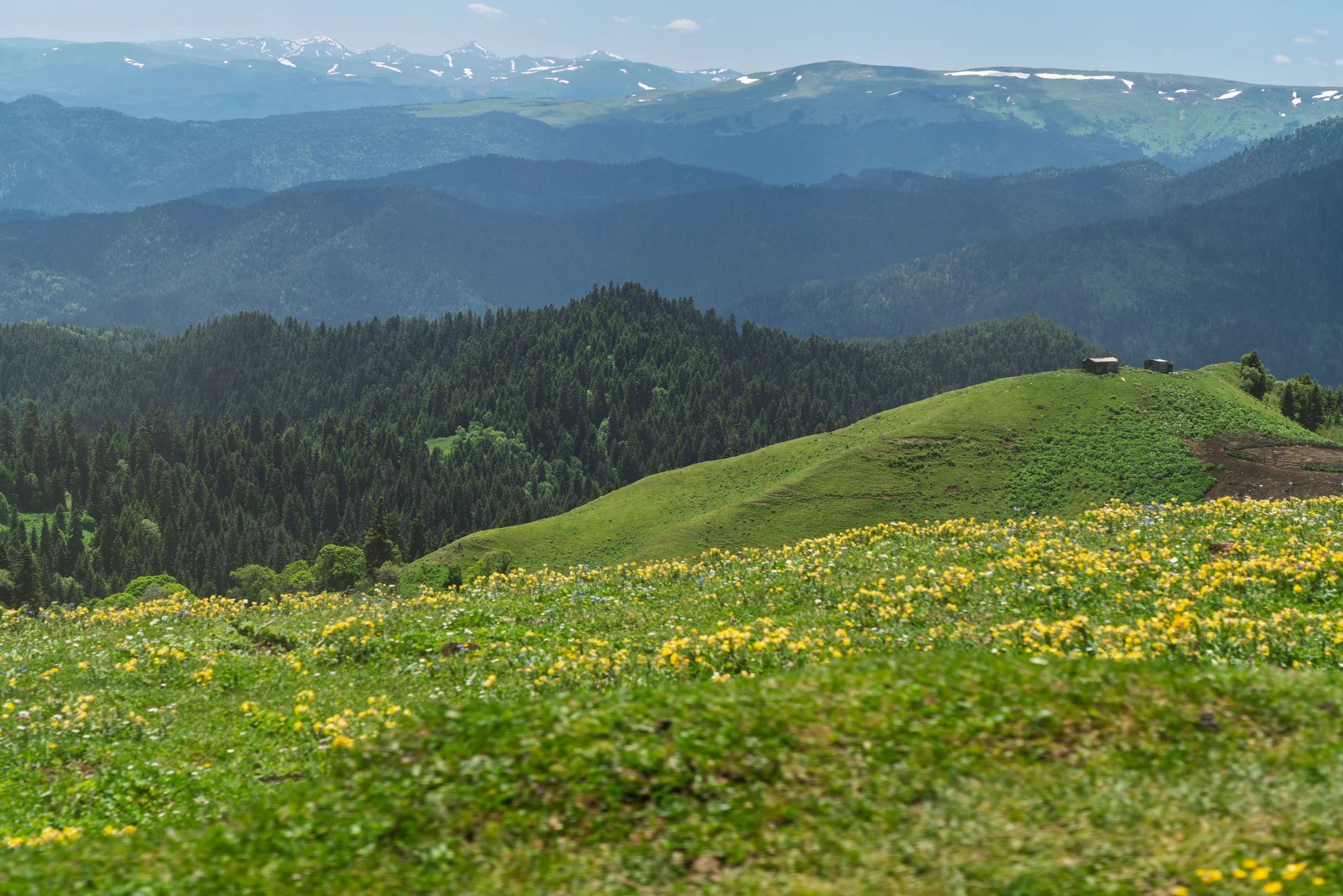
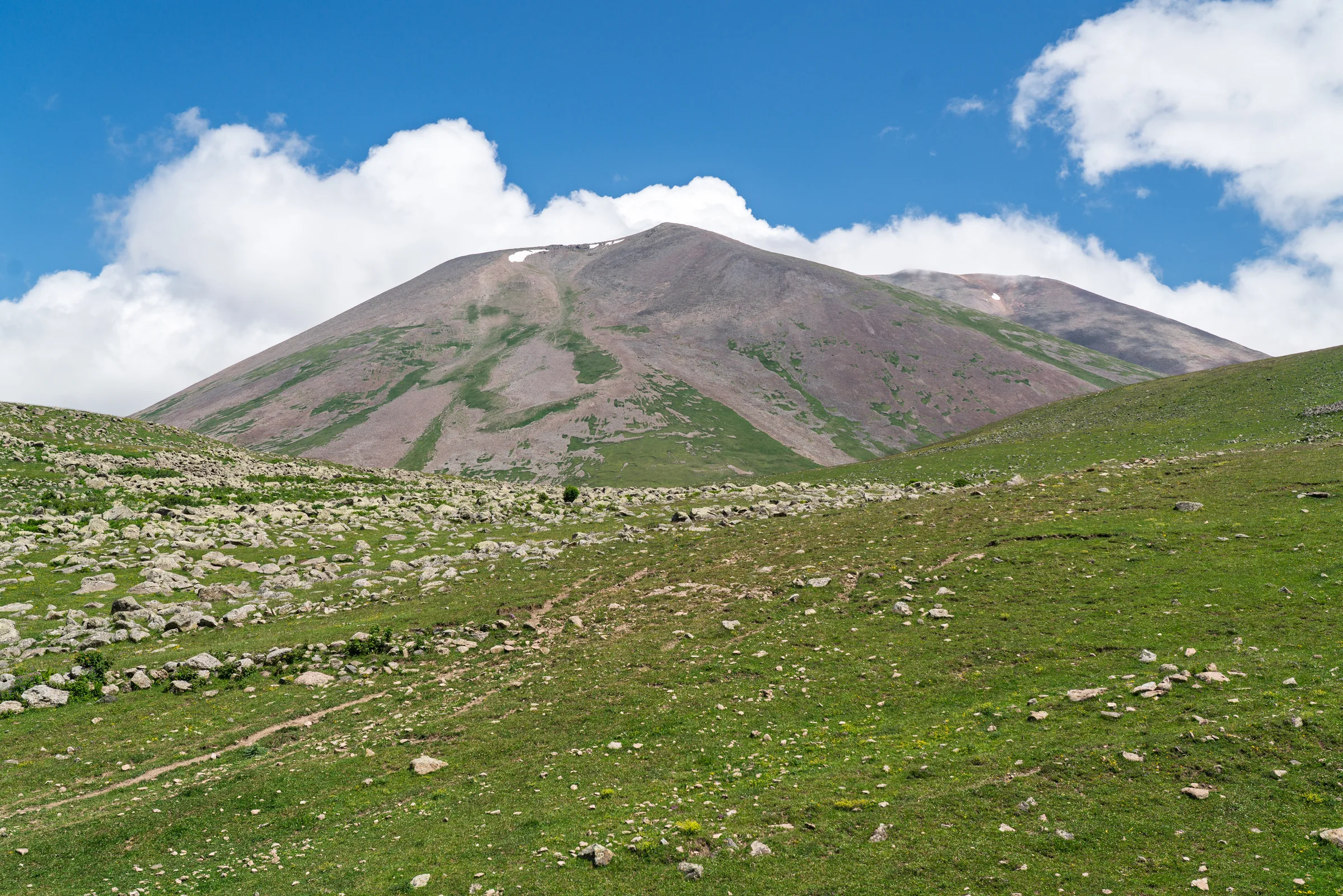
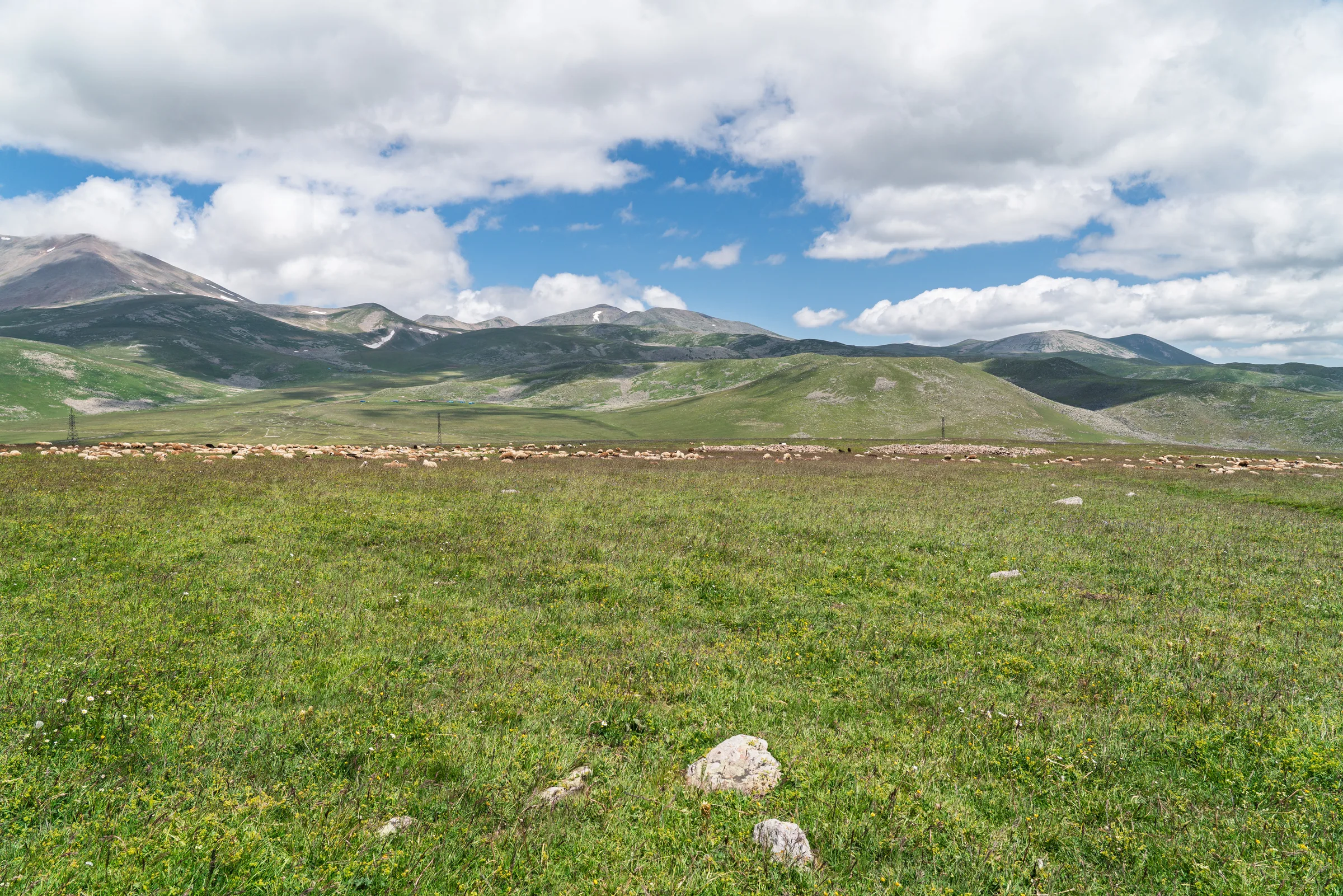
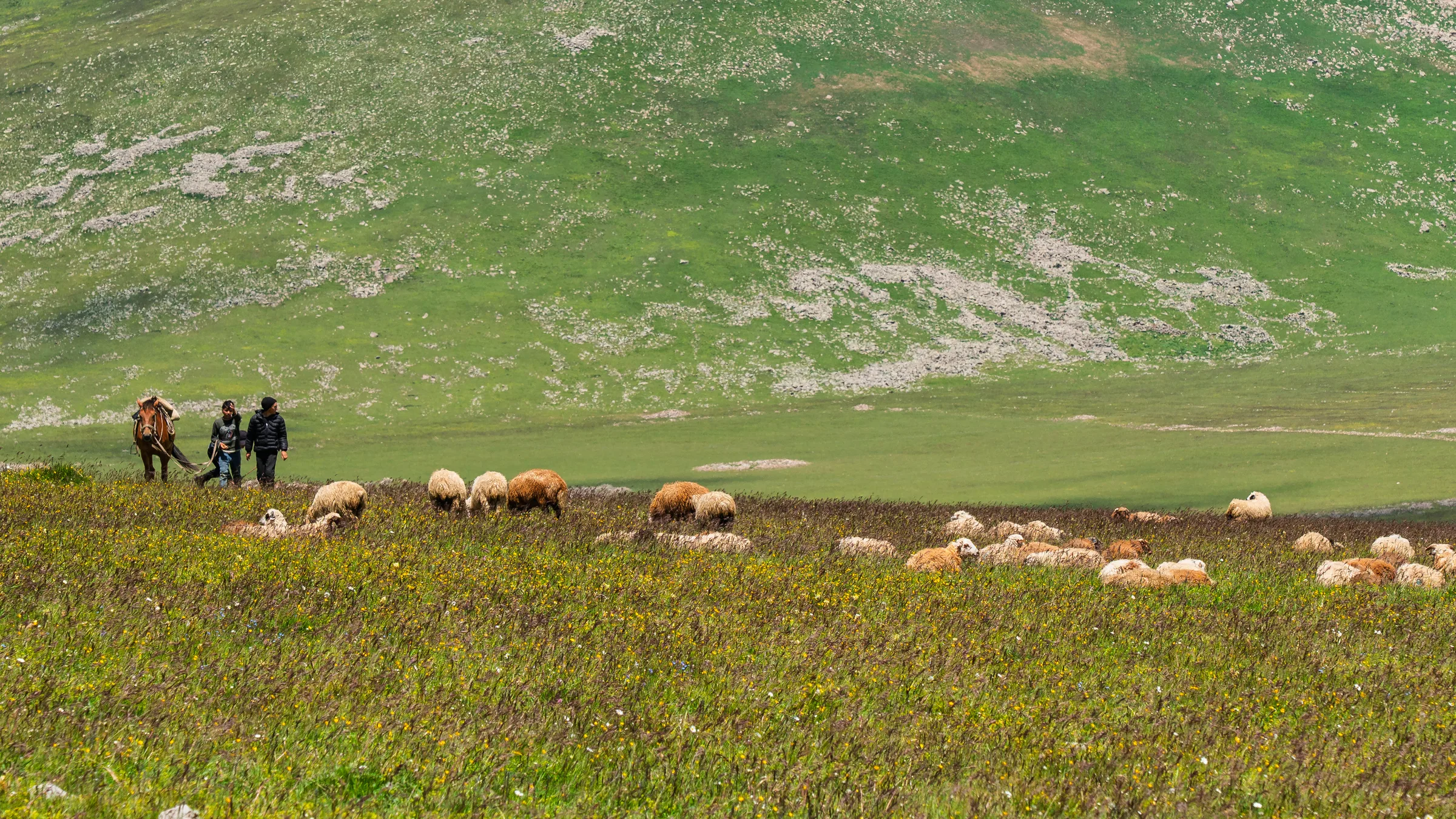
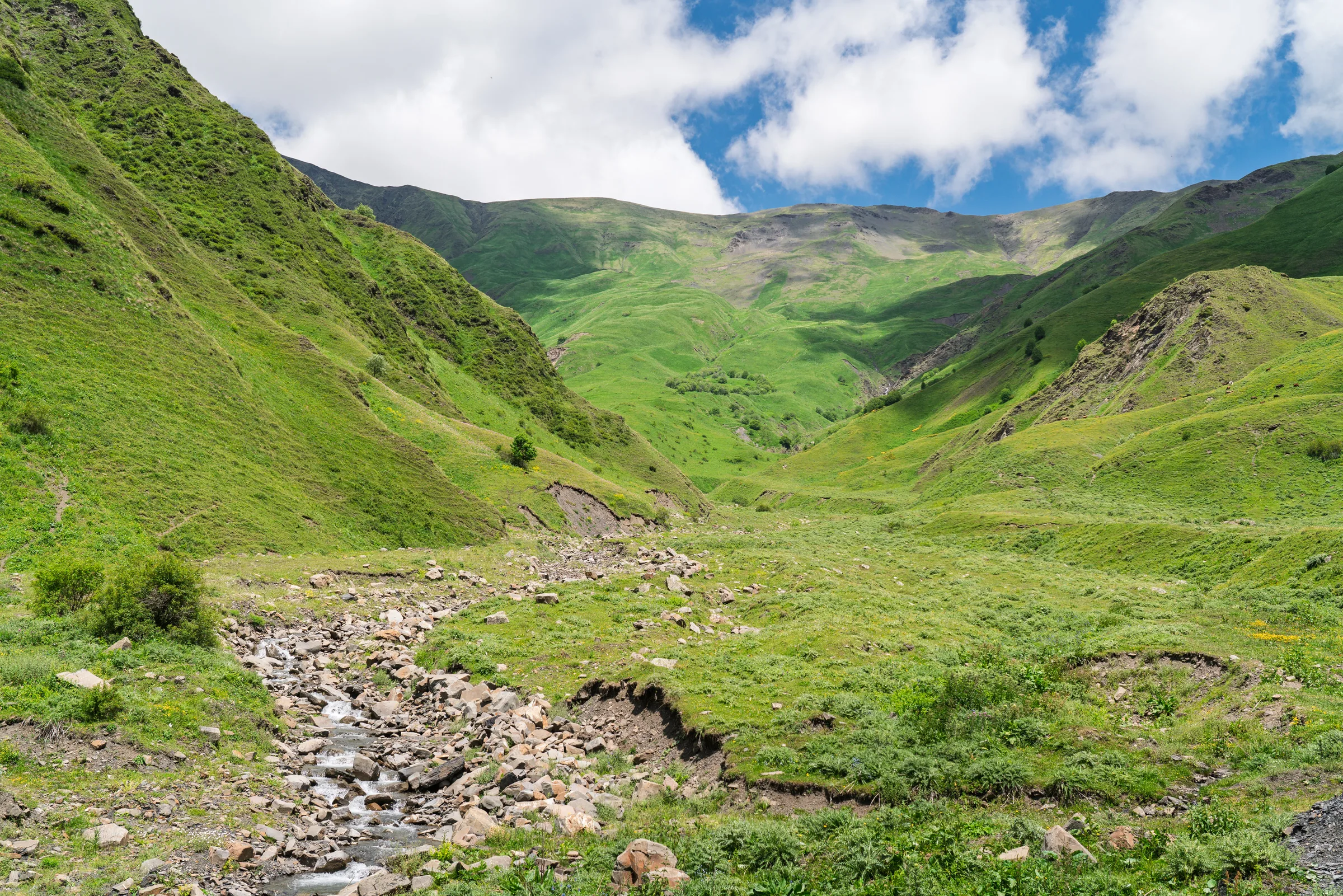
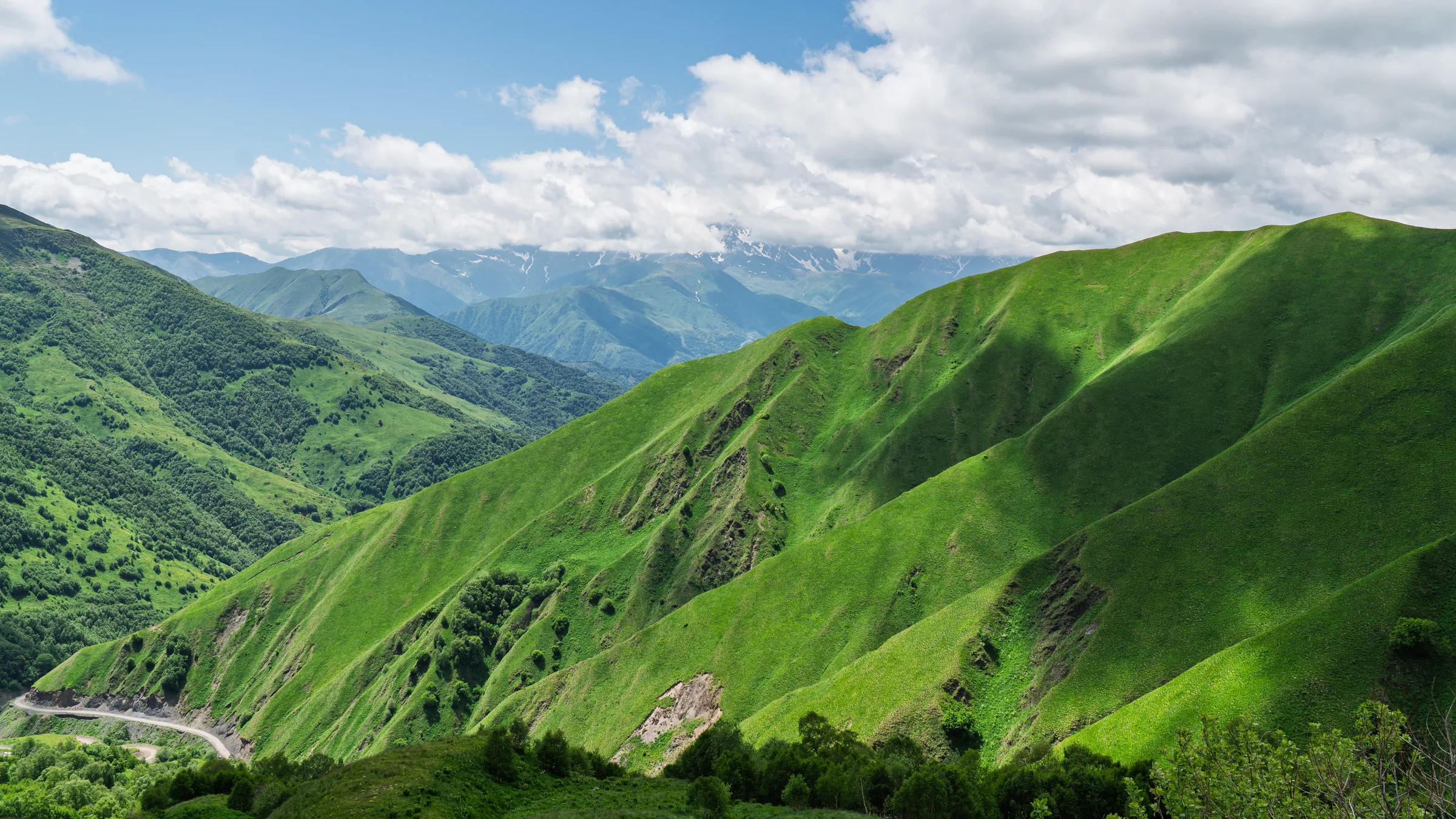
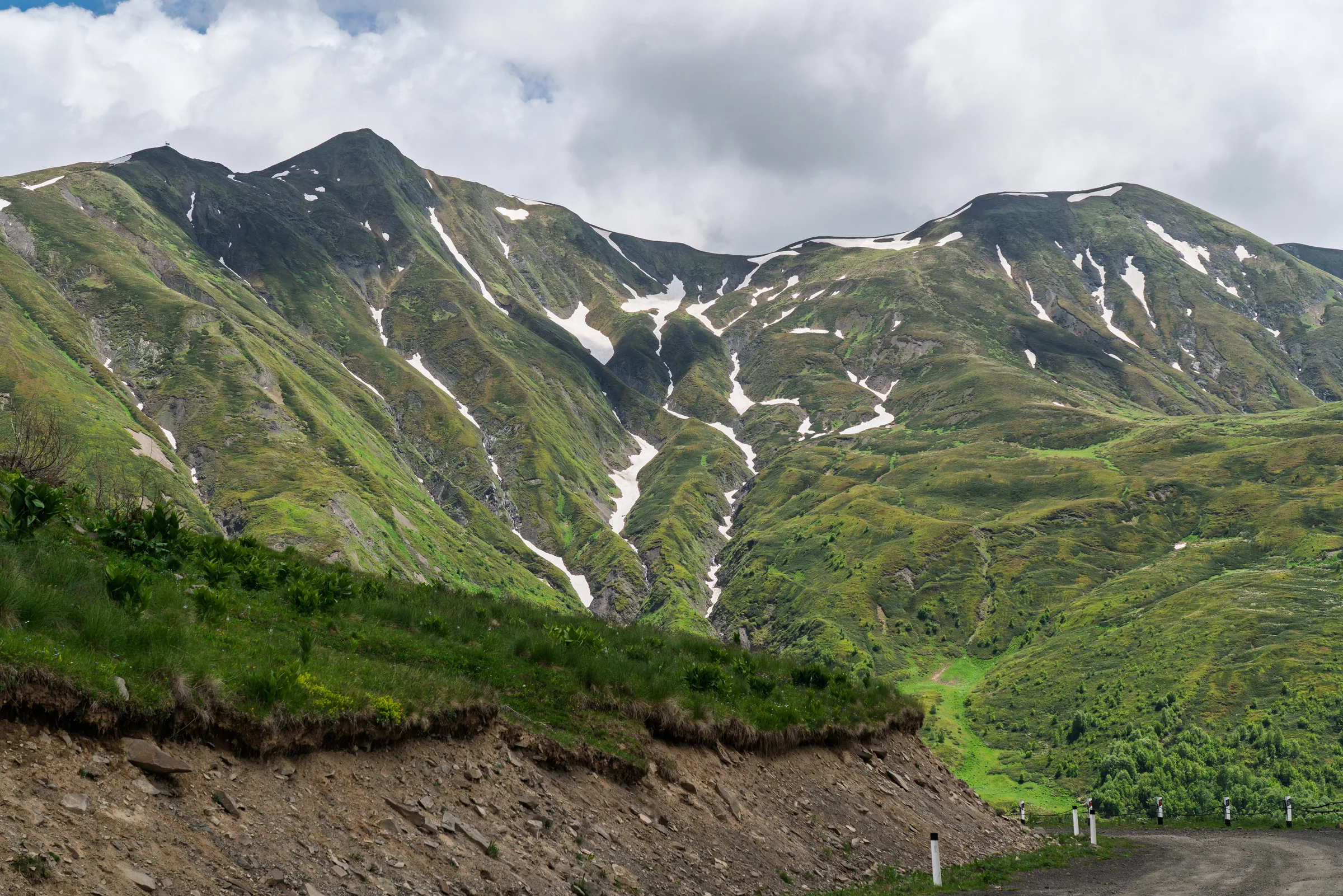
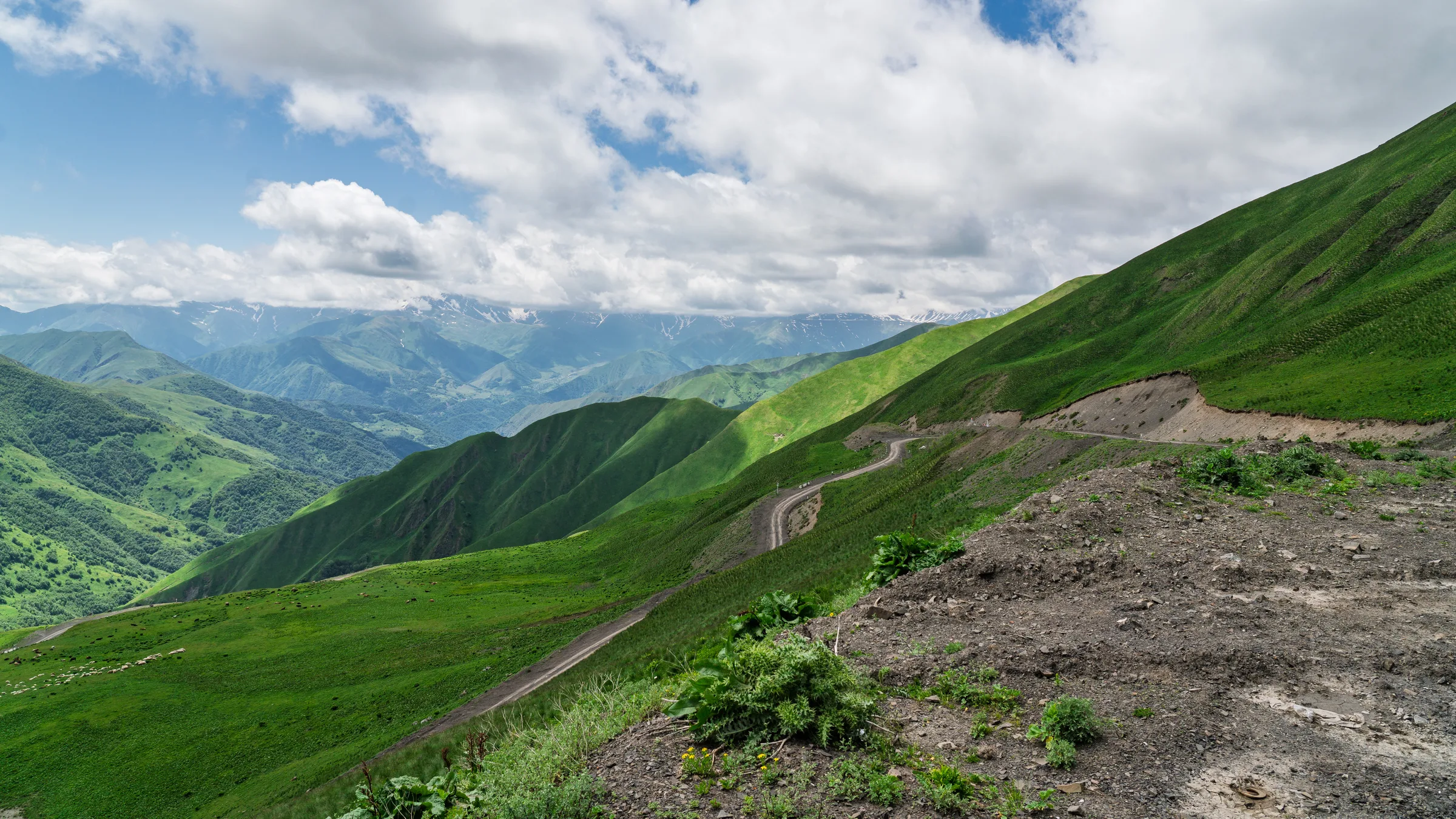
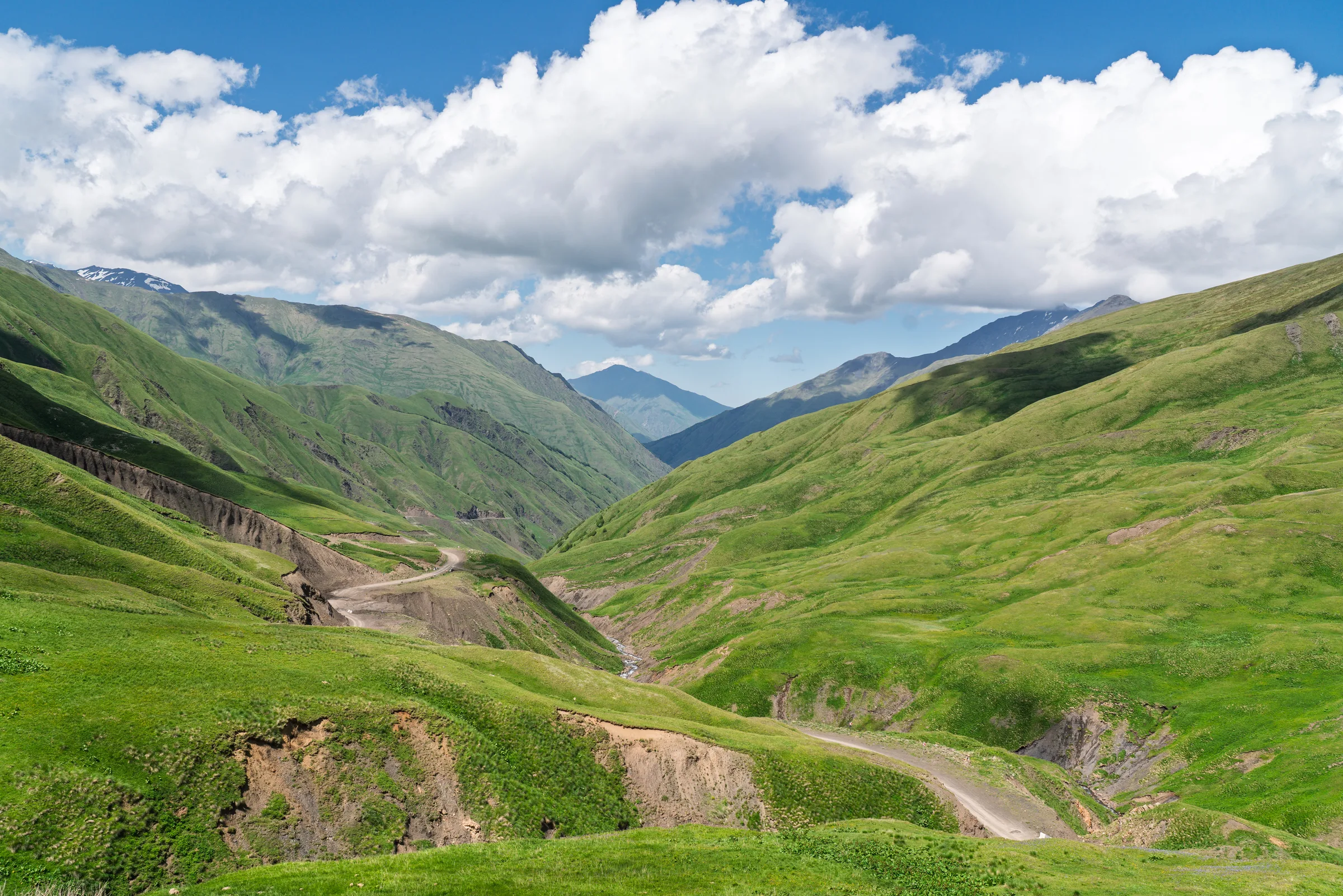
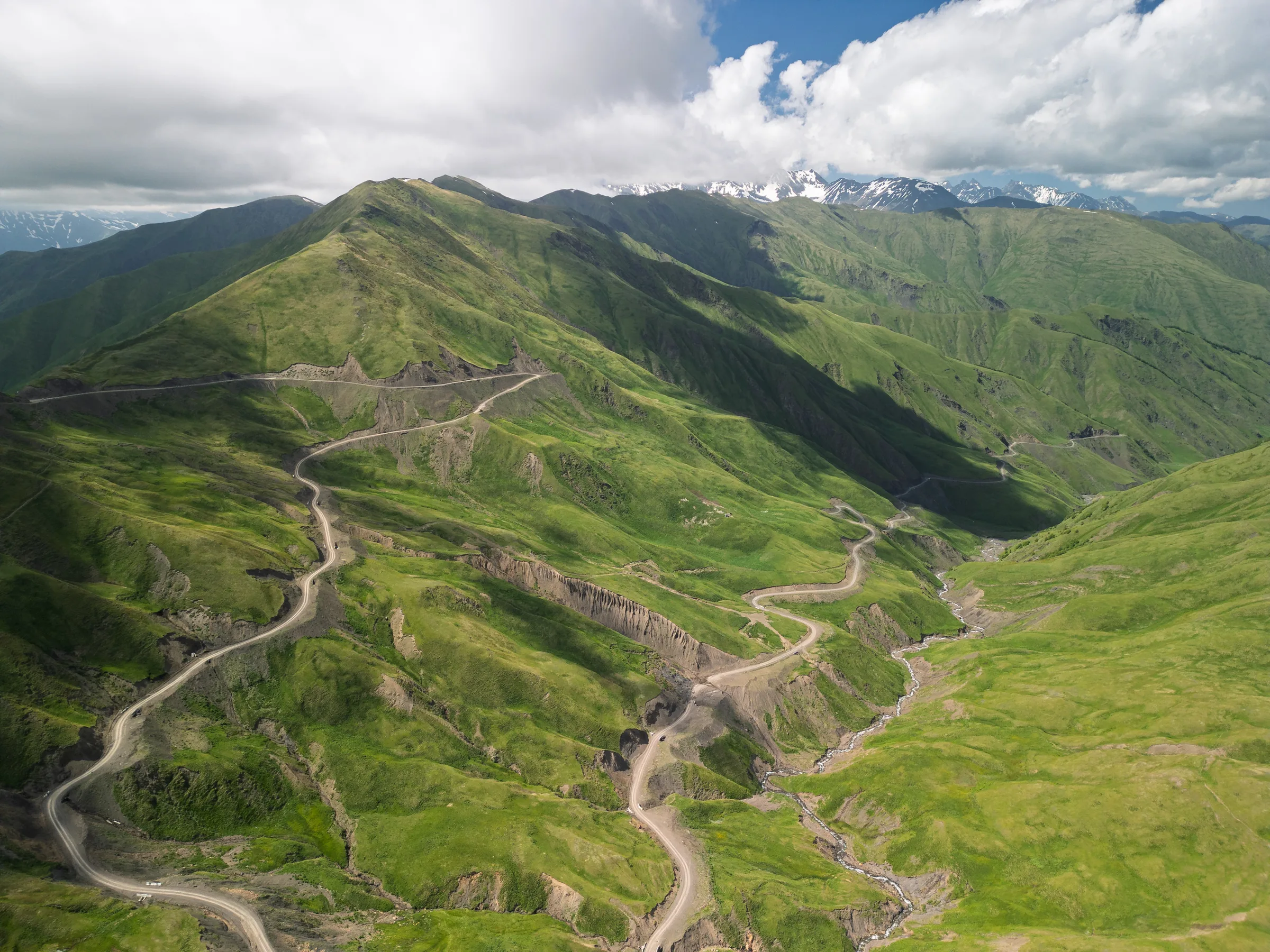
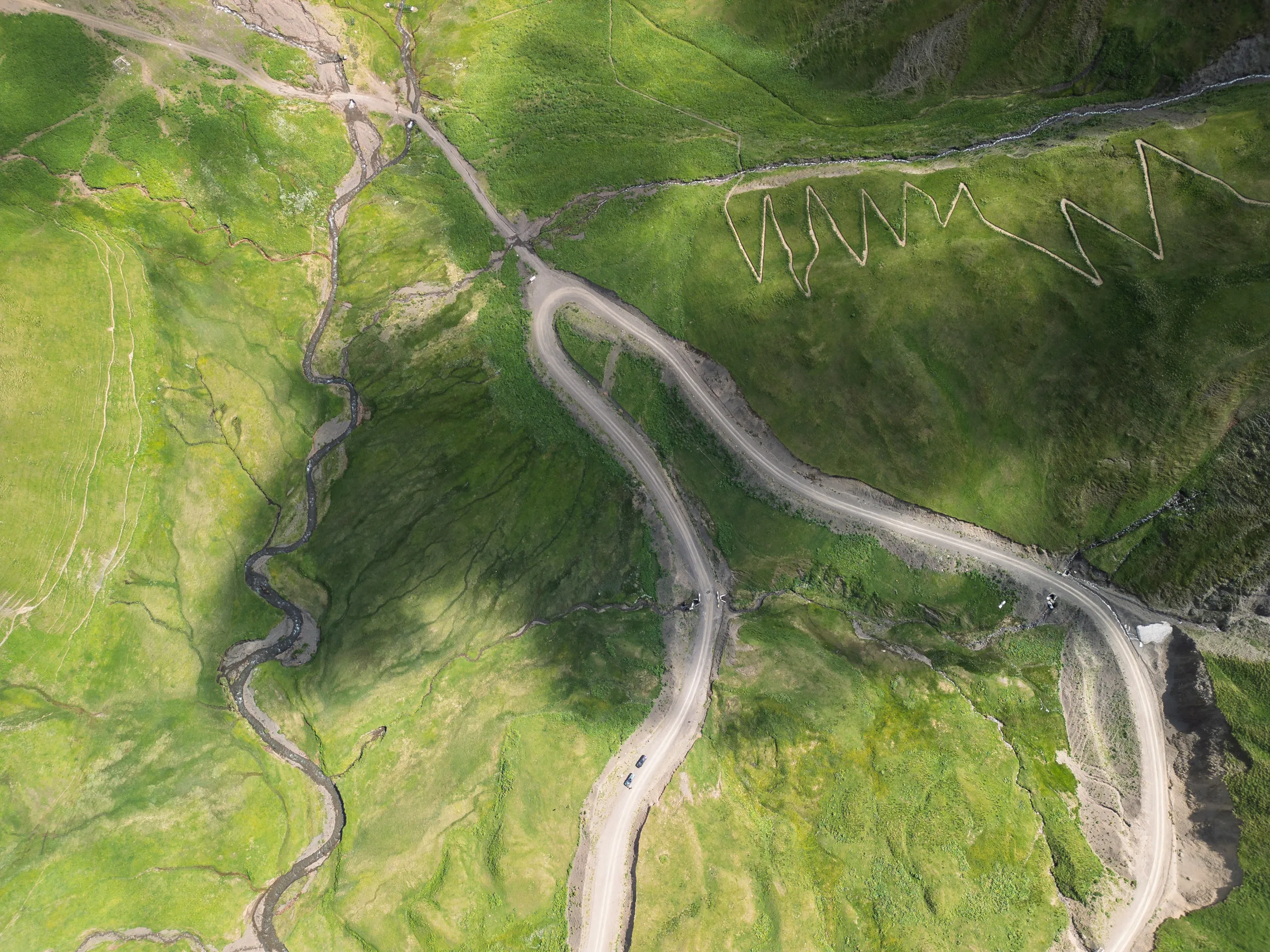
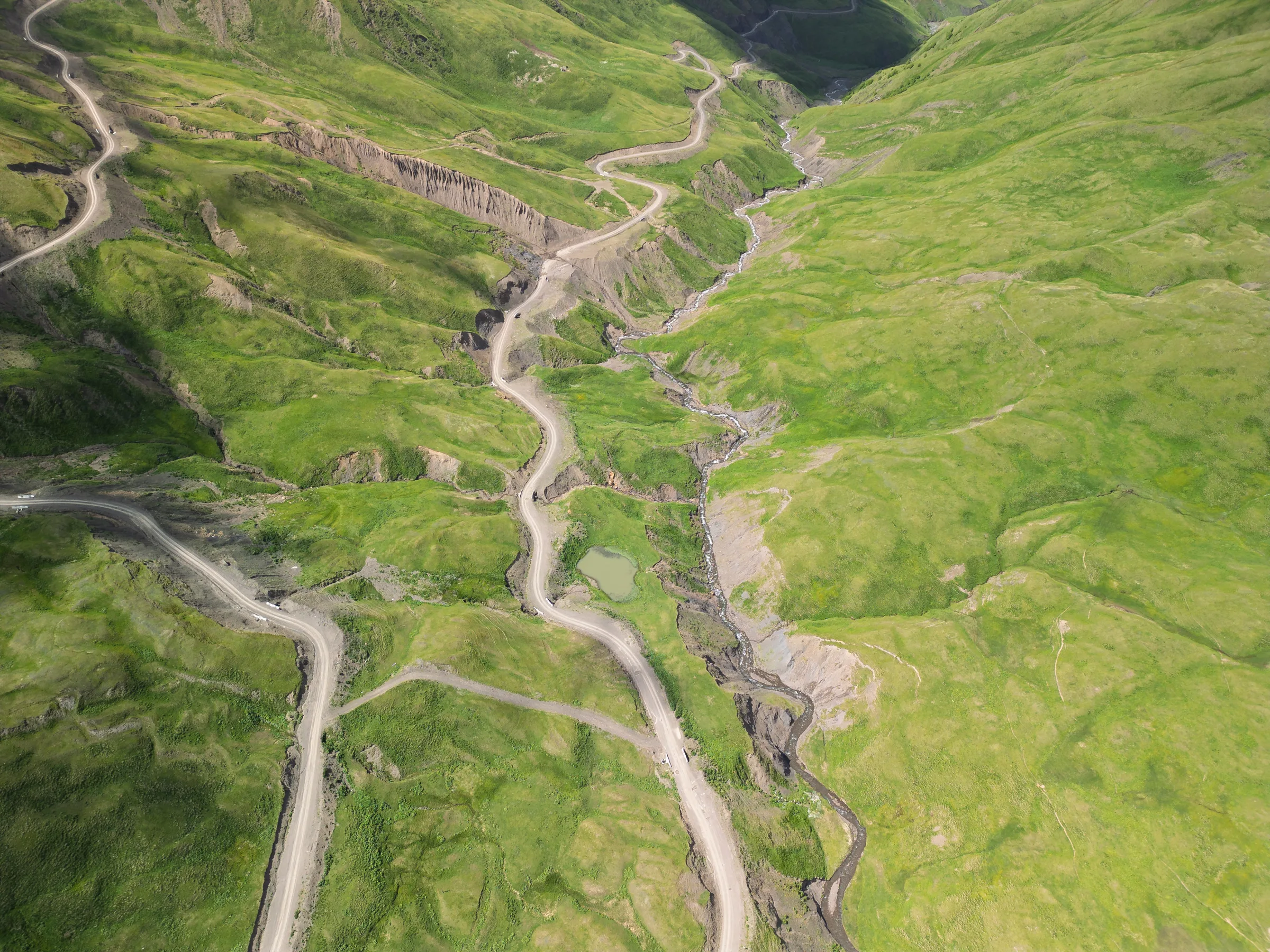
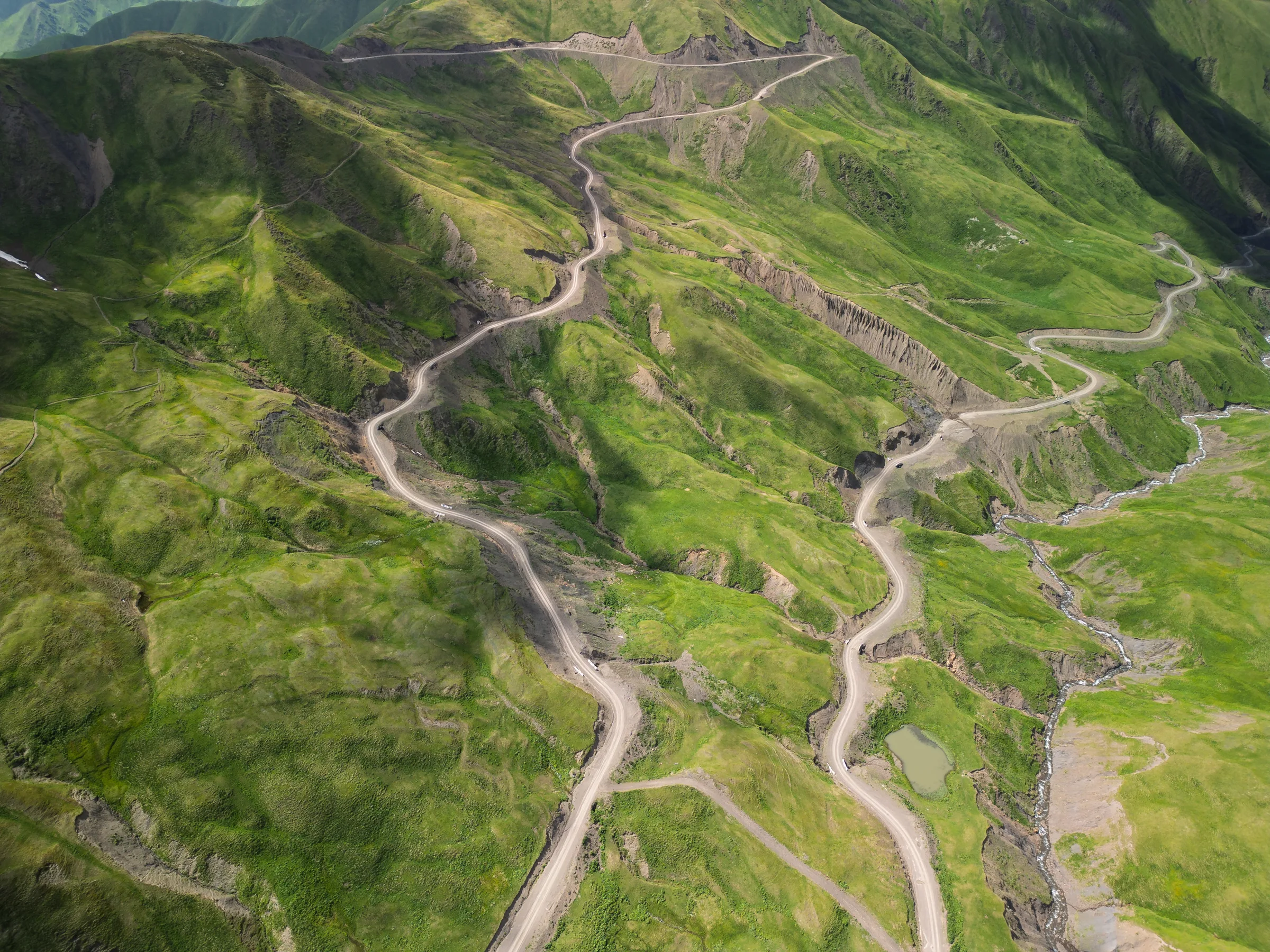
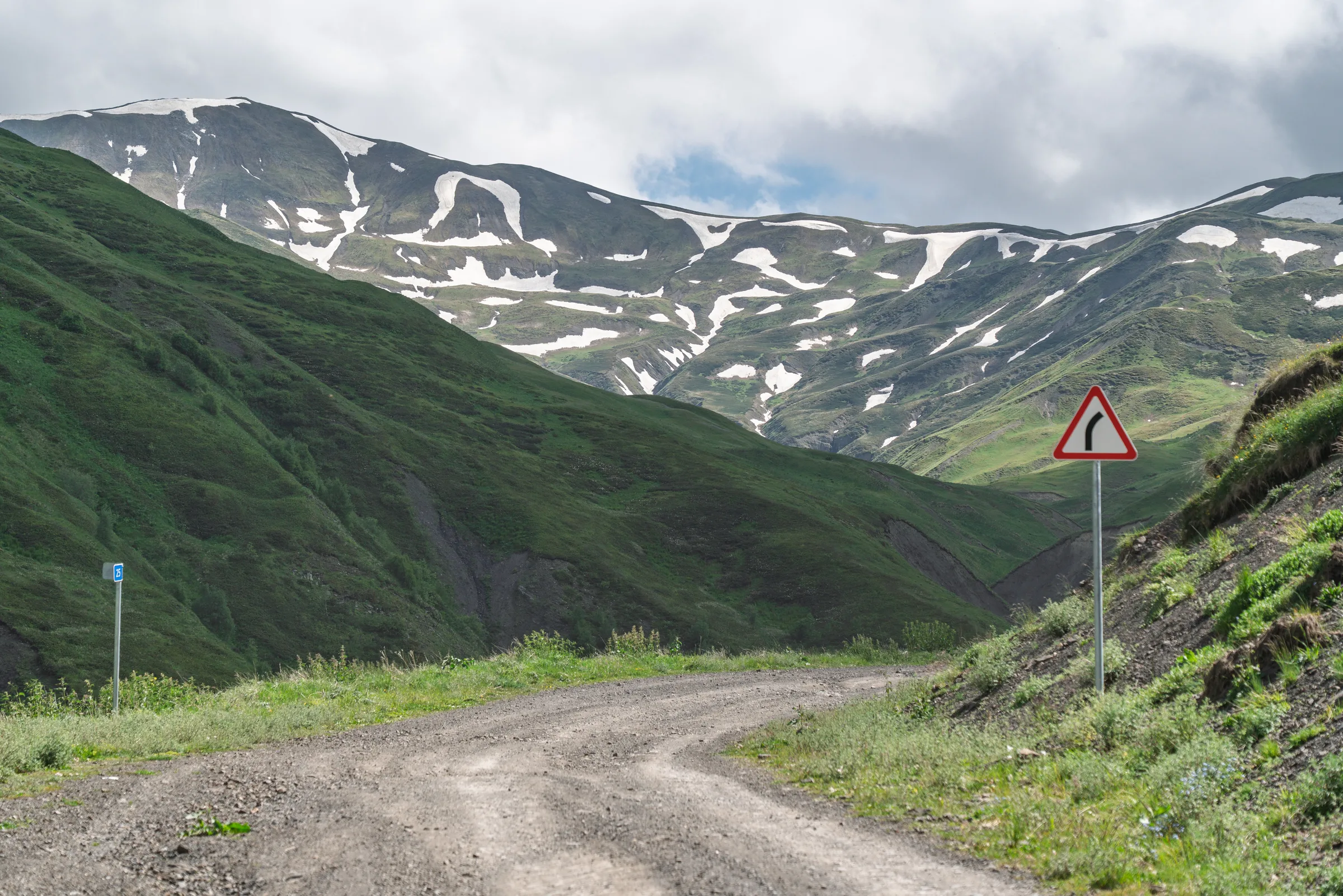
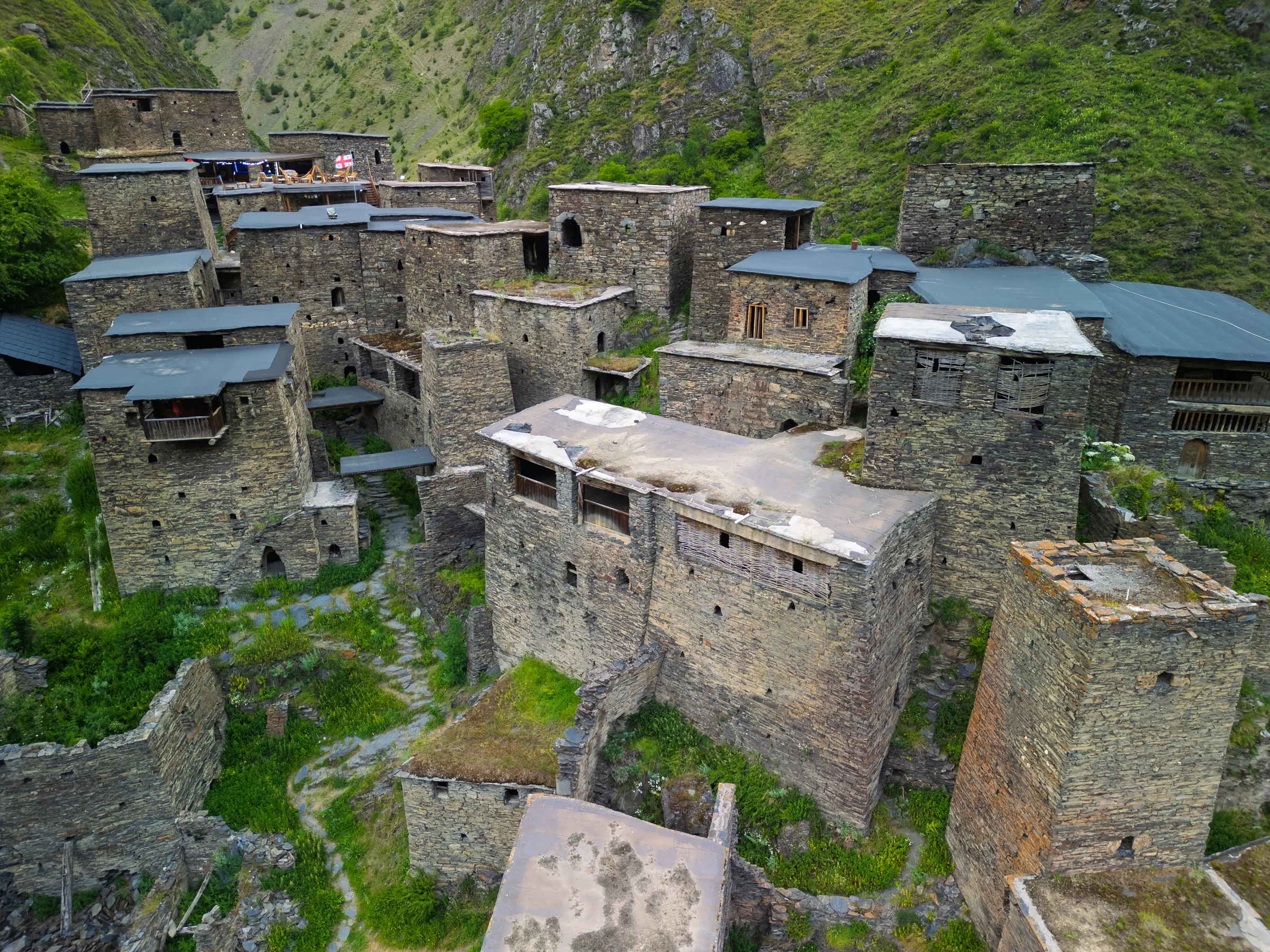
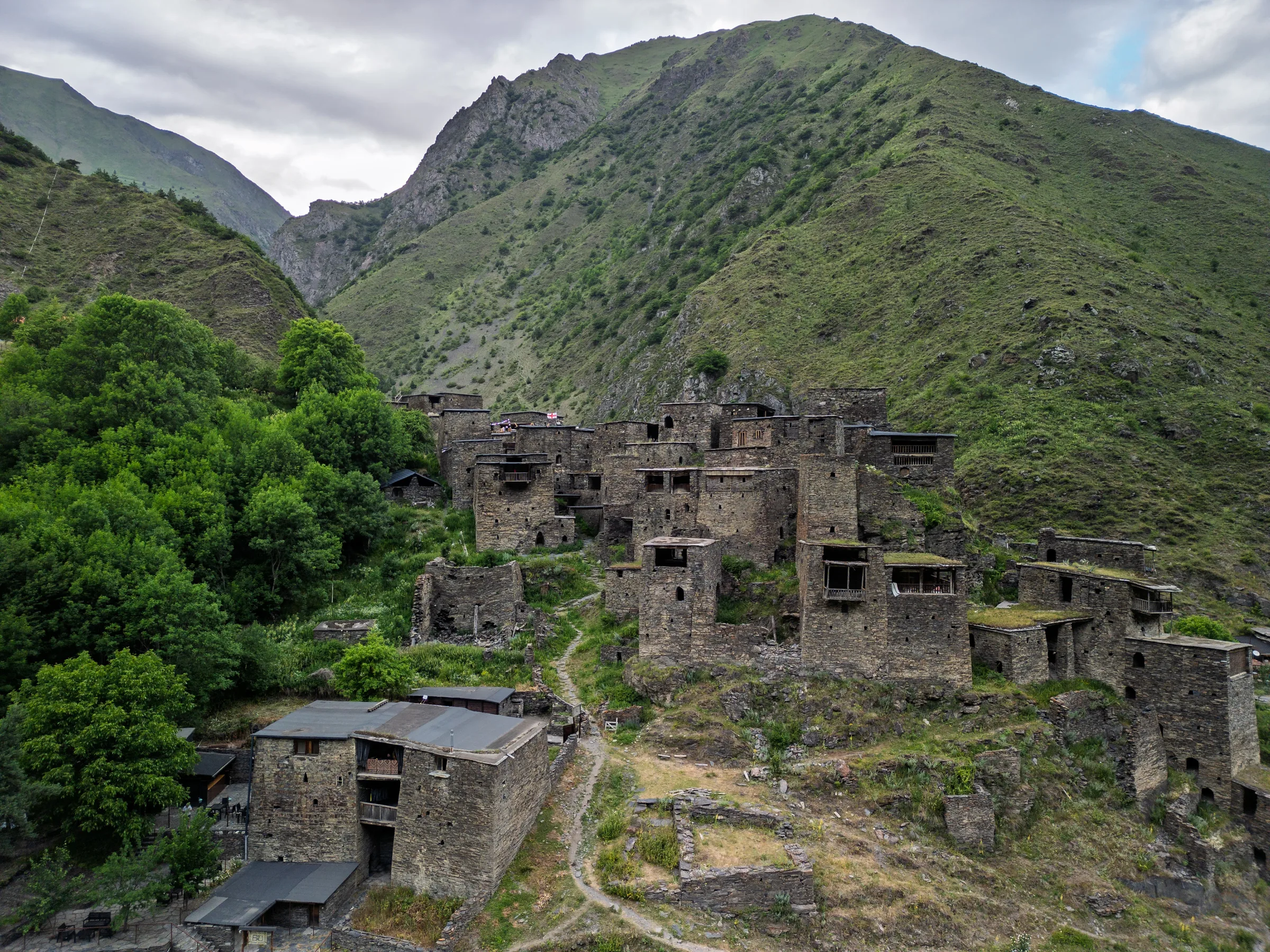
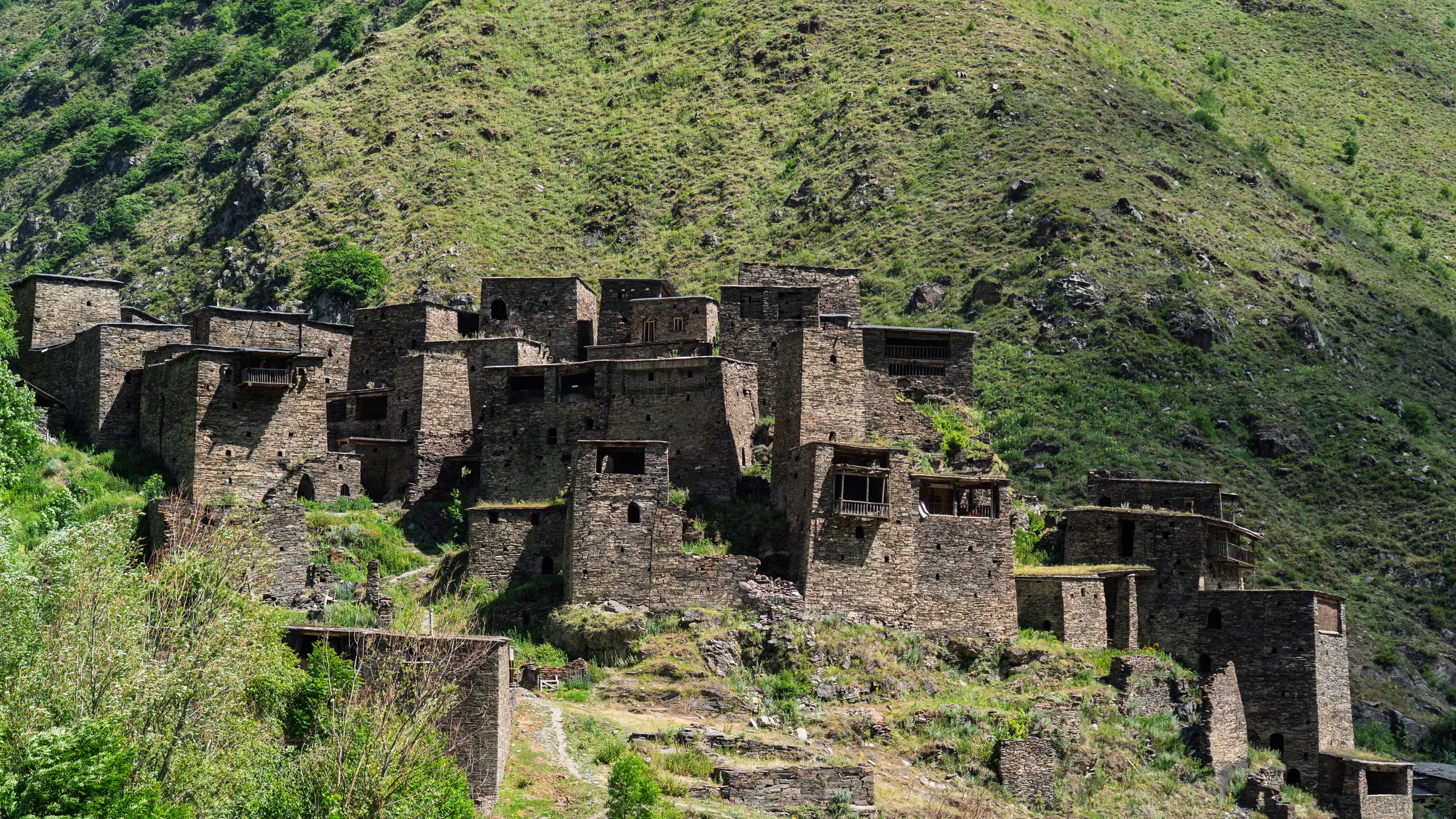
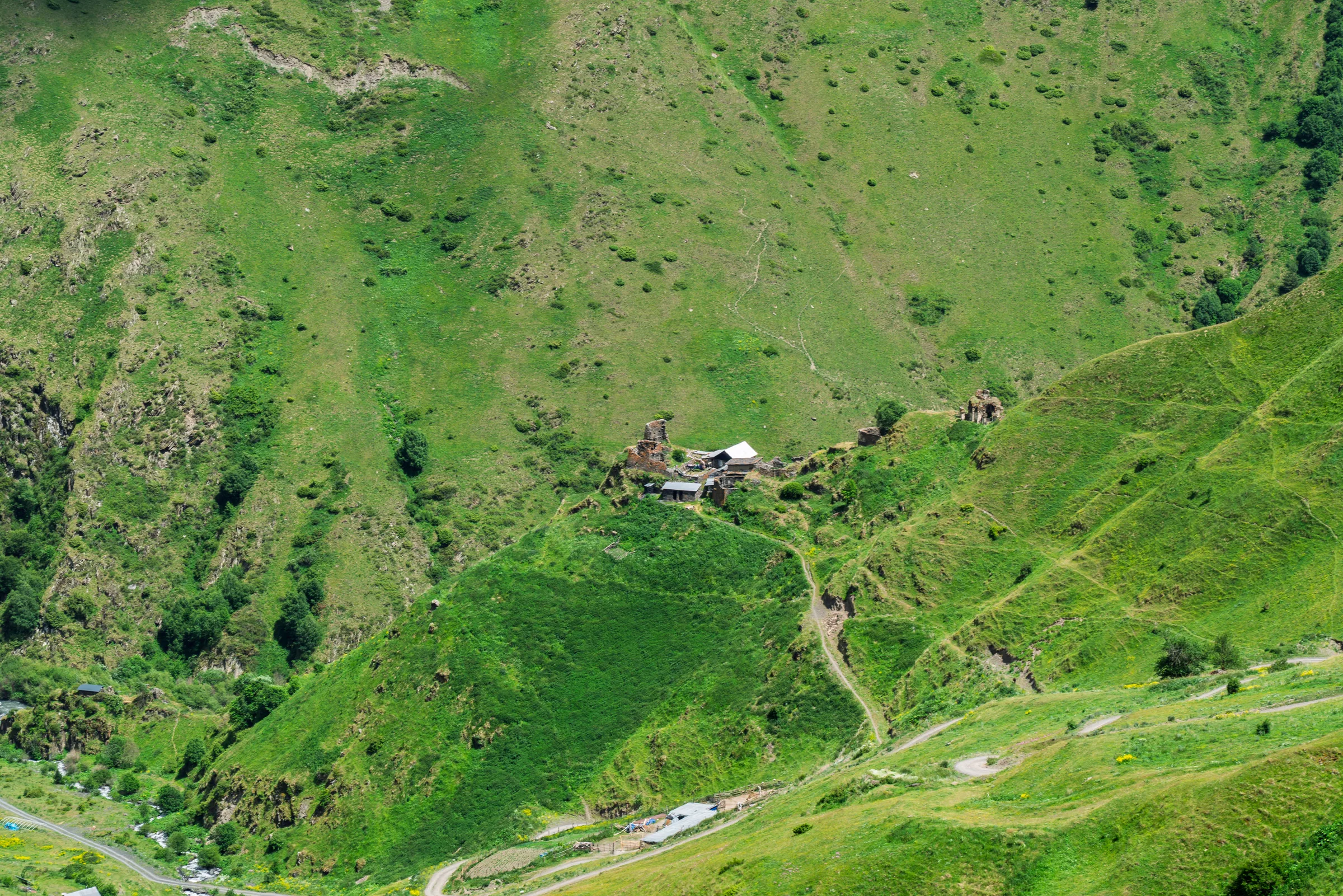
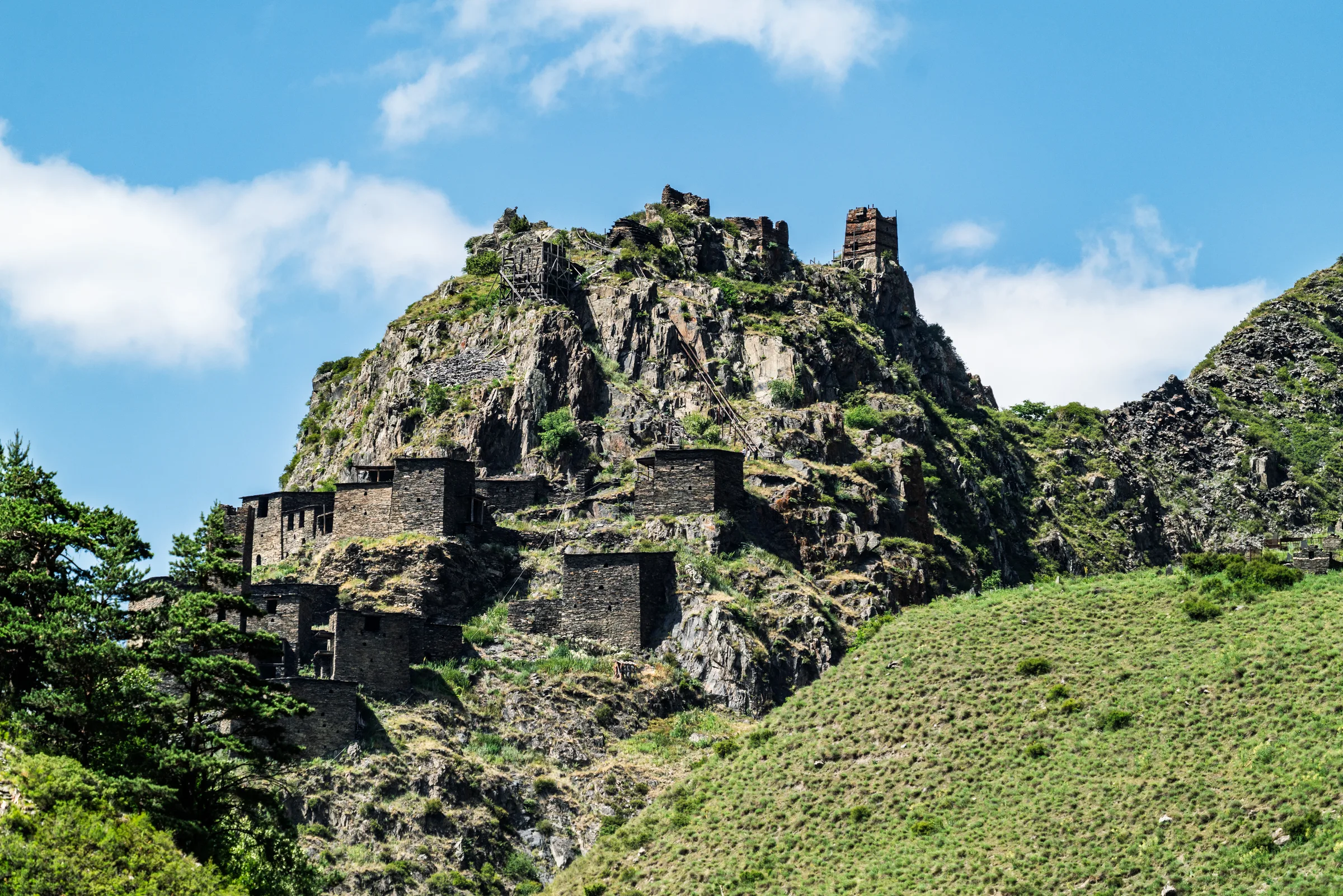
Northeast, toward the Chechen border. Tusheti is reachable by one road — over the Abano Pass (2826 m), open from June to October and buried under snow the rest of the year. Tusheti National Park (2003) covers 853 km² of alpine pasture, stone tower-houses, and the village of Omalo (1900 m) as centre. Neighbouring Pshavi — homeland of the poet Vazha-Pshavela (1861–1915) and of the toughest shepherd culture in the Caucasus. Sheep walk from here to winter pastures in Kakheti, sometimes four hundred kilometres each way. In the upper villages Orthodoxy still blends with pre-Christian rites: candles at sacred oaks, sheep sacrificed on chosen feast days.
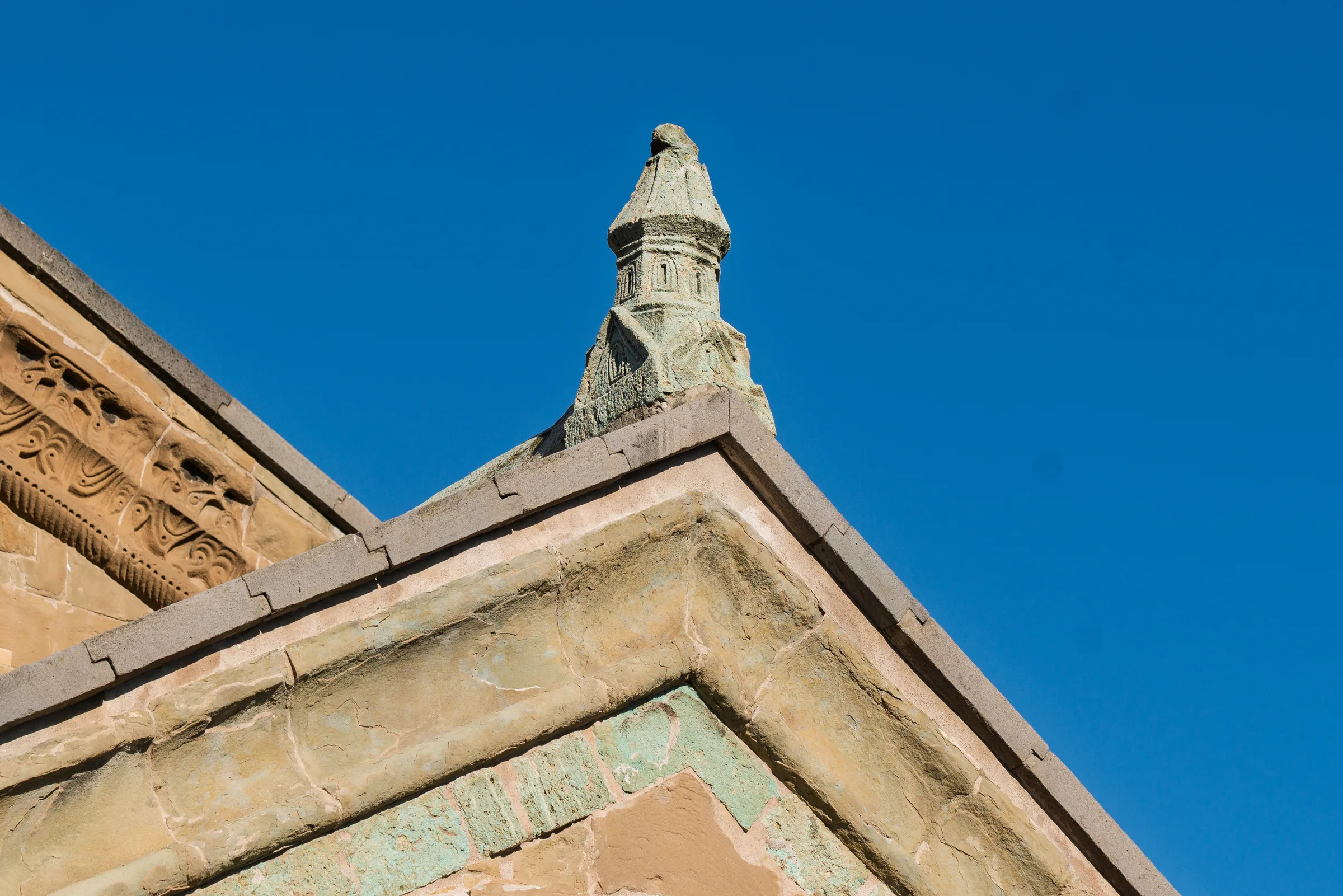
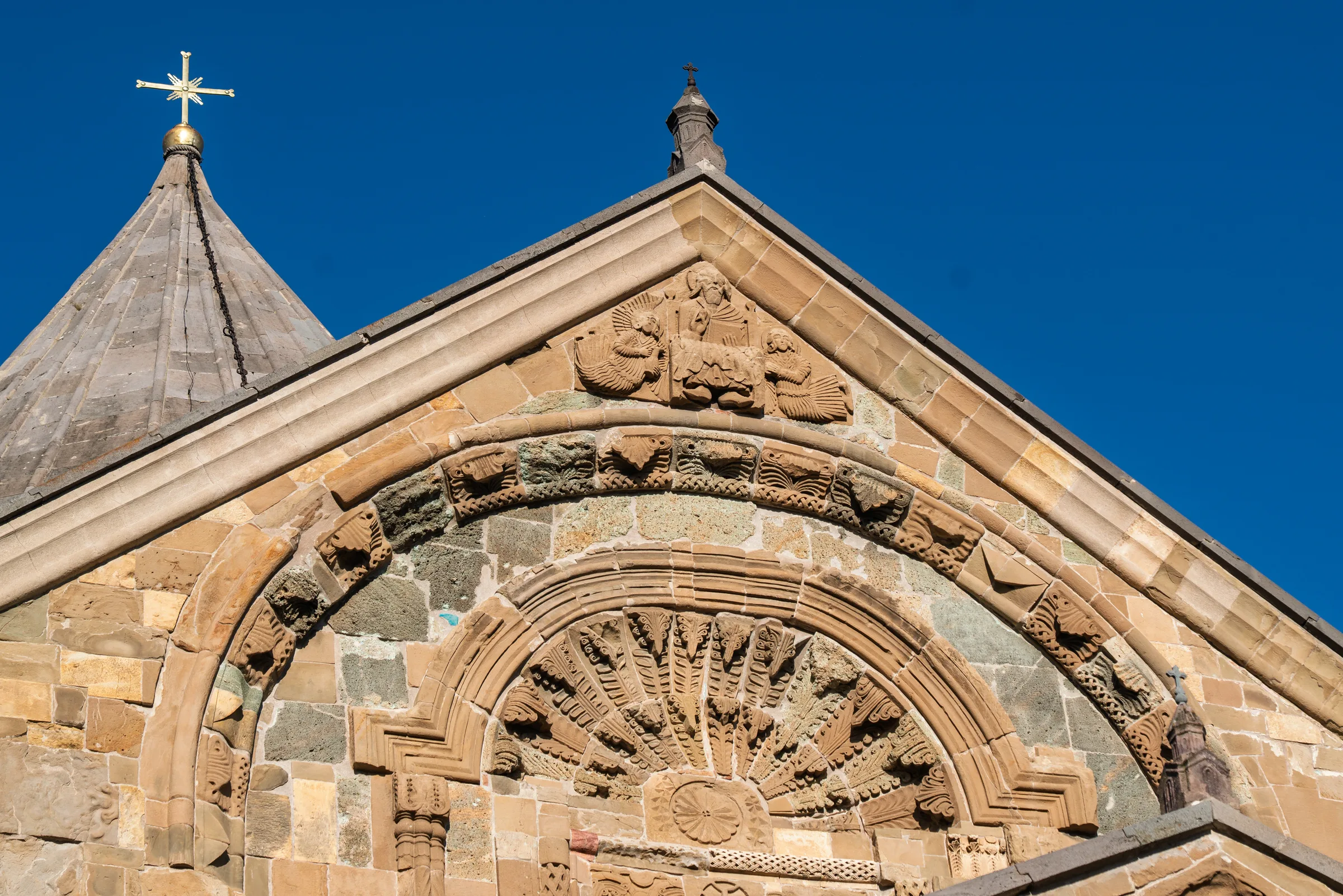
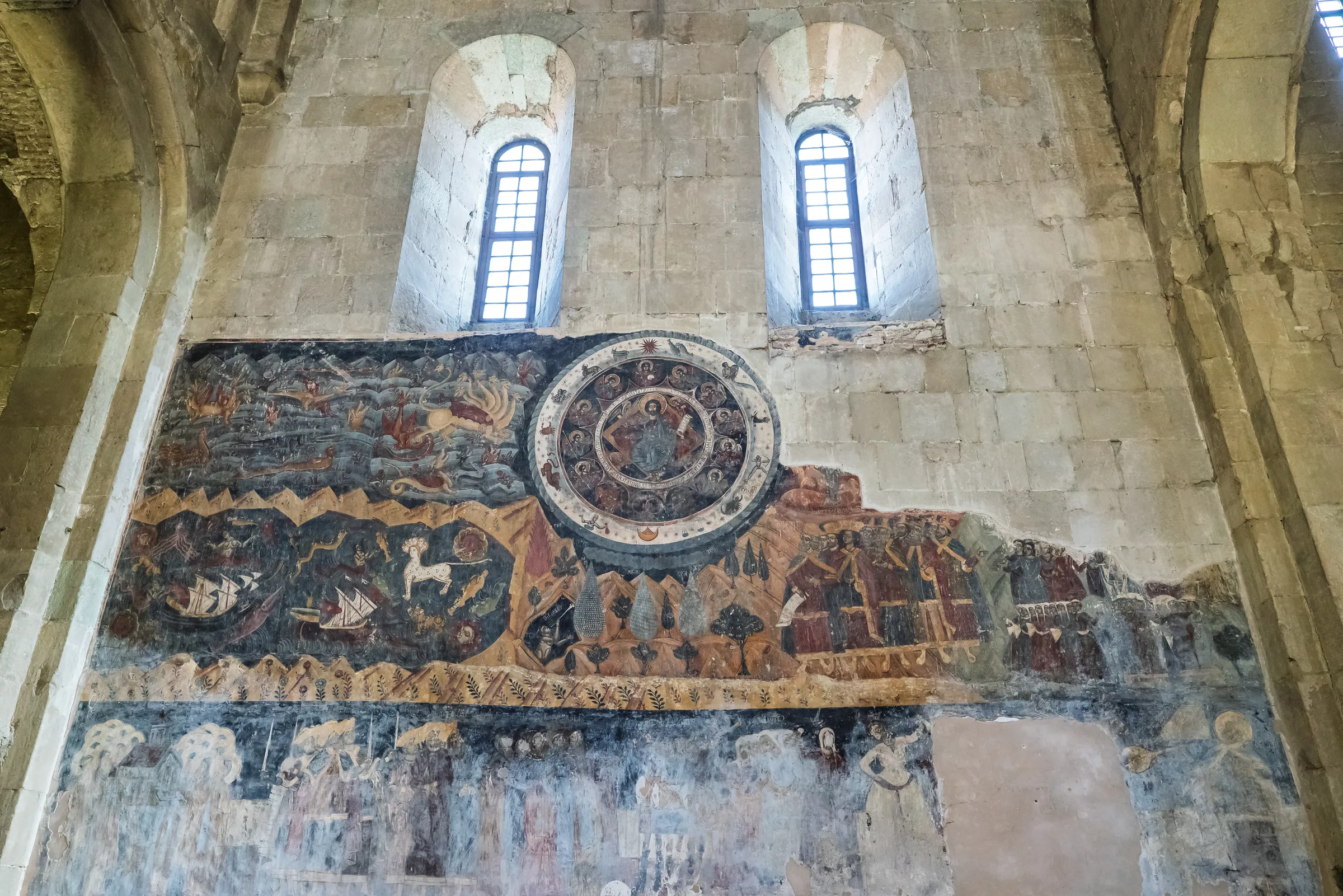
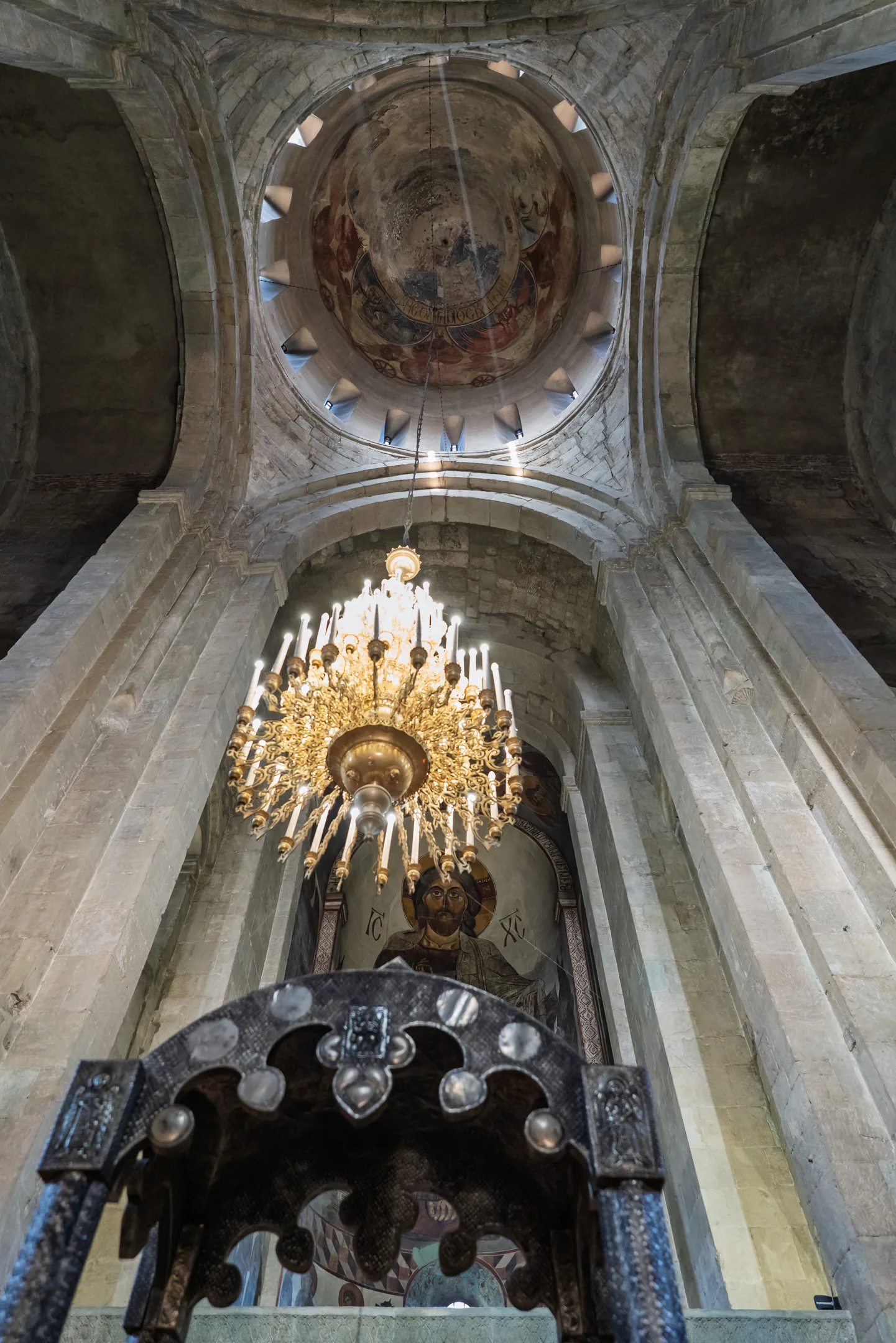
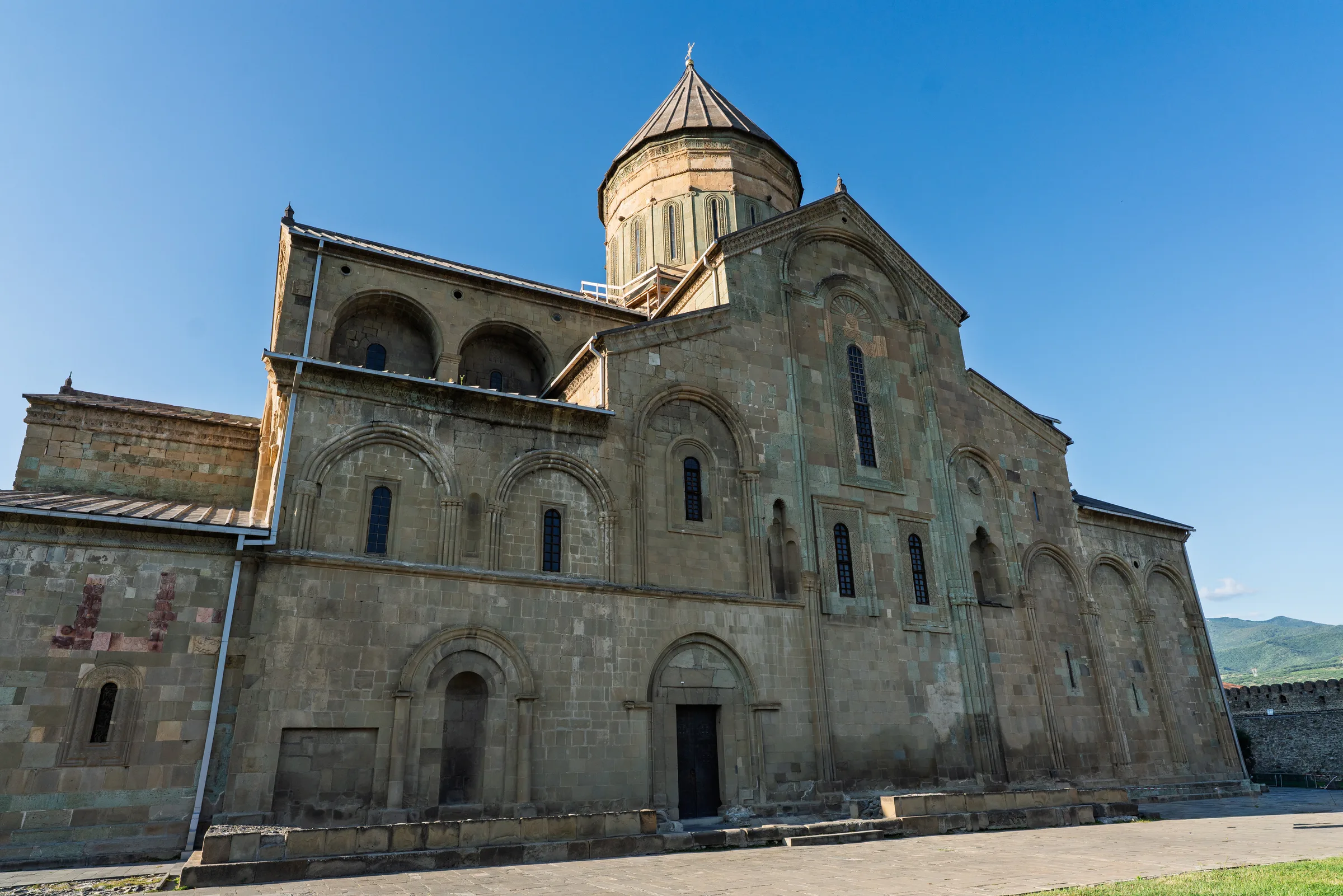
Back toward Tbilisi we pass Mtskheta — the first capital of Georgia (3rd c. BCE to 5th c. CE), UNESCO 1994. The Jvari monastery (6th c.) stands on a hill above the confluence of the Aragvi and Kura rivers — simple stone, a strong view. Down in the valley the Svetitskhoveli cathedral (1010–1029), said to hold a fragment of Christ’s robe under the altar. Eleven centuries of monasteries, one car, ten days — Georgia is like a photo album where someone shuffled the page order.
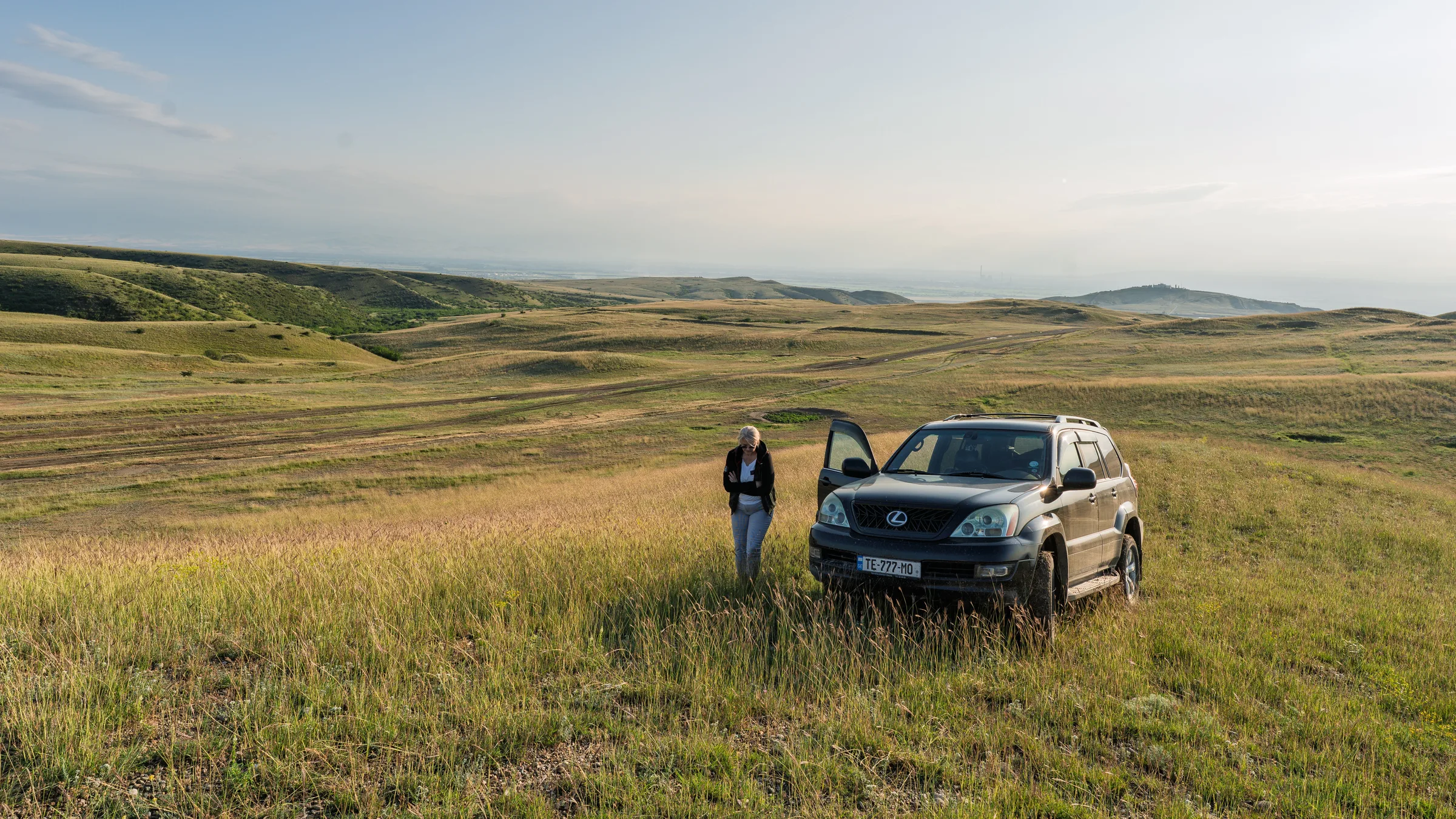
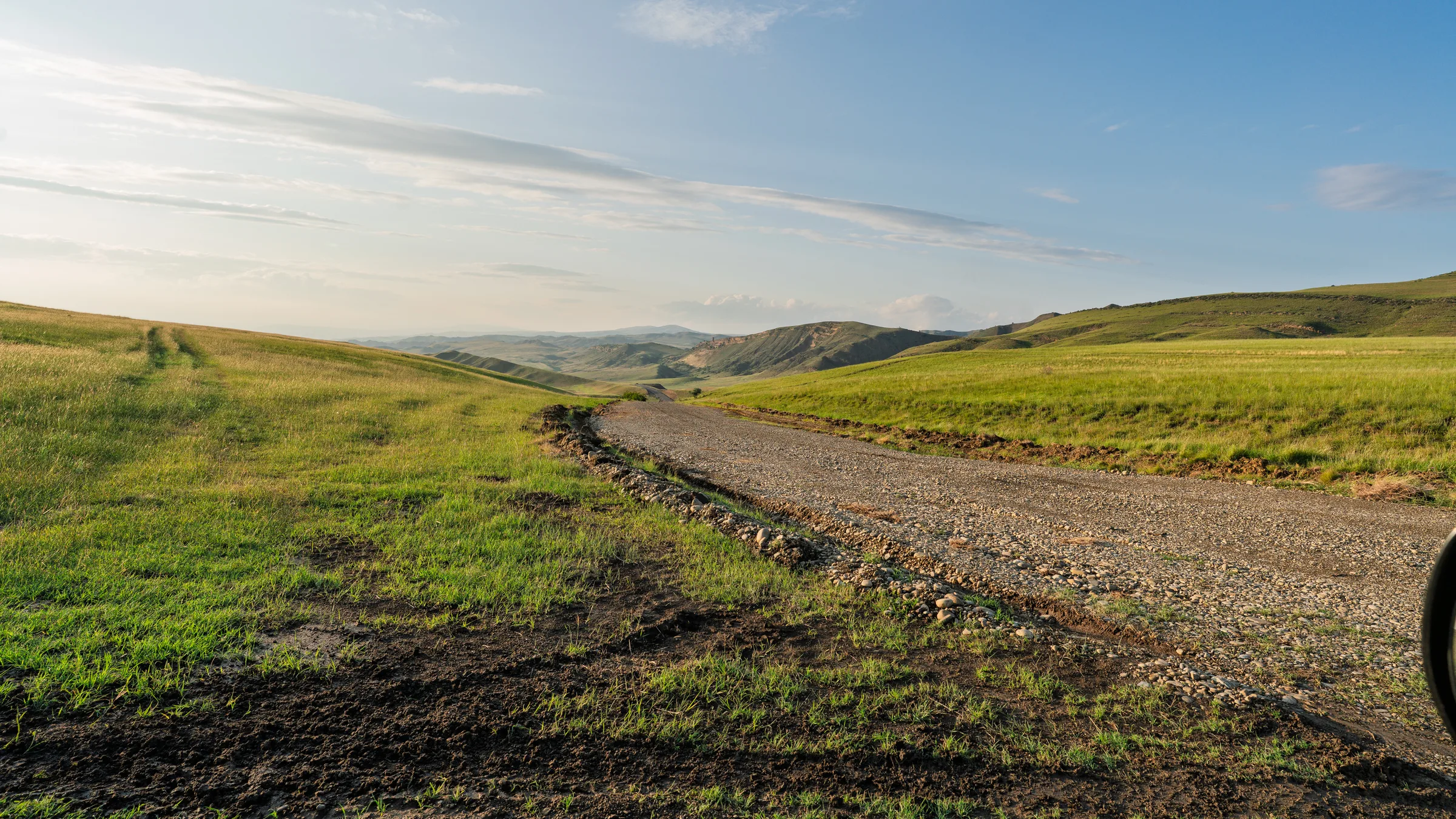
Best season for the full loop: June–September. Ushguli and Tusheti need a 4x4 — roads collapse after every storm. Buy wine from producers, not shops: the unlabelled farmer’s bottle is twice as good and three times cheaper. Cash in smaller towns, in lari, not dollars.
Gallery